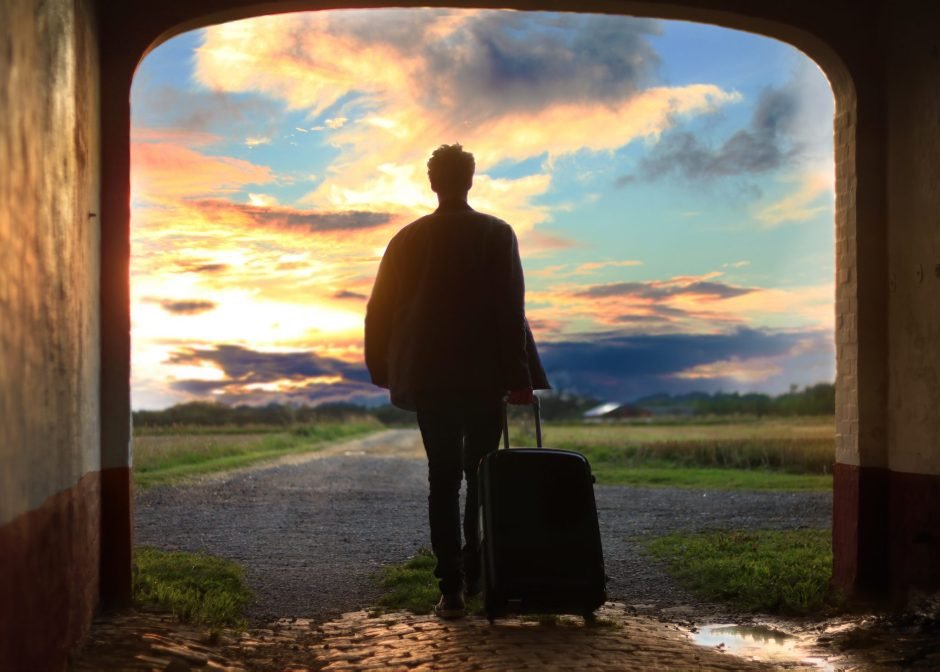





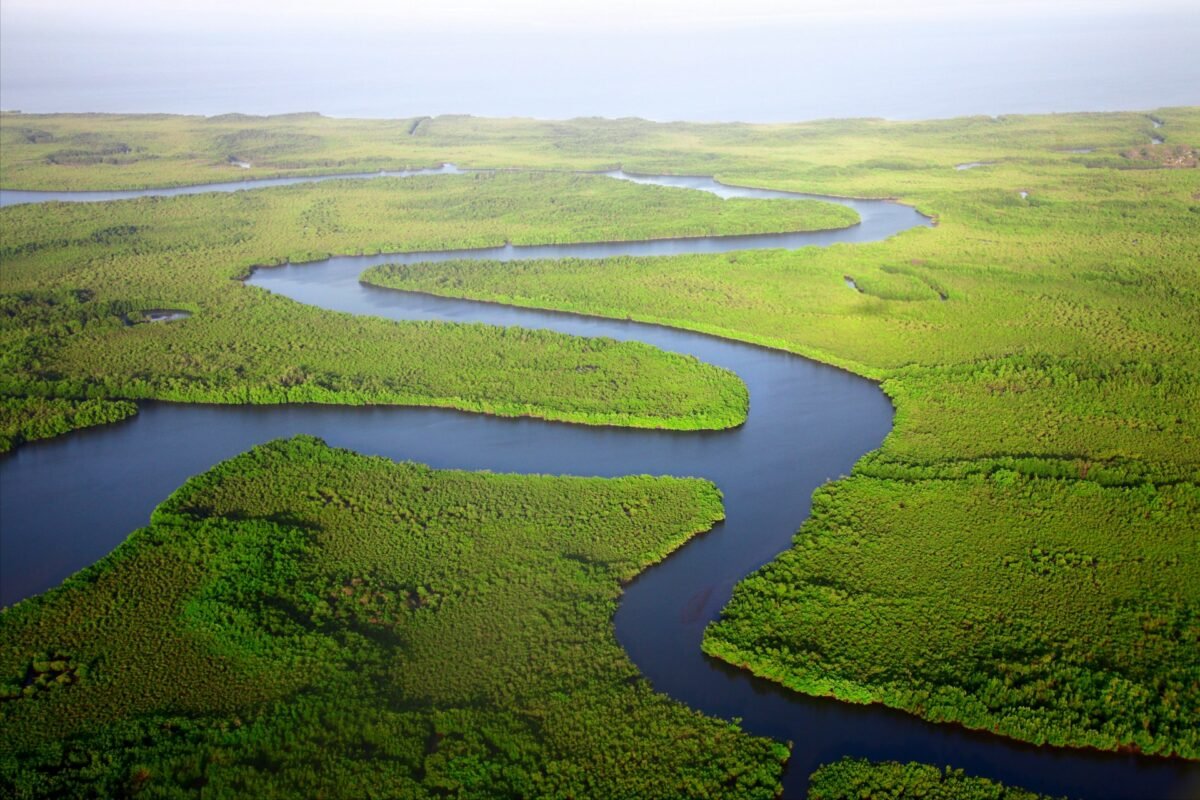

The world’s great rivers are endowed with unmatched scenic beauty.
This alone is enough to alter the way you see the world.
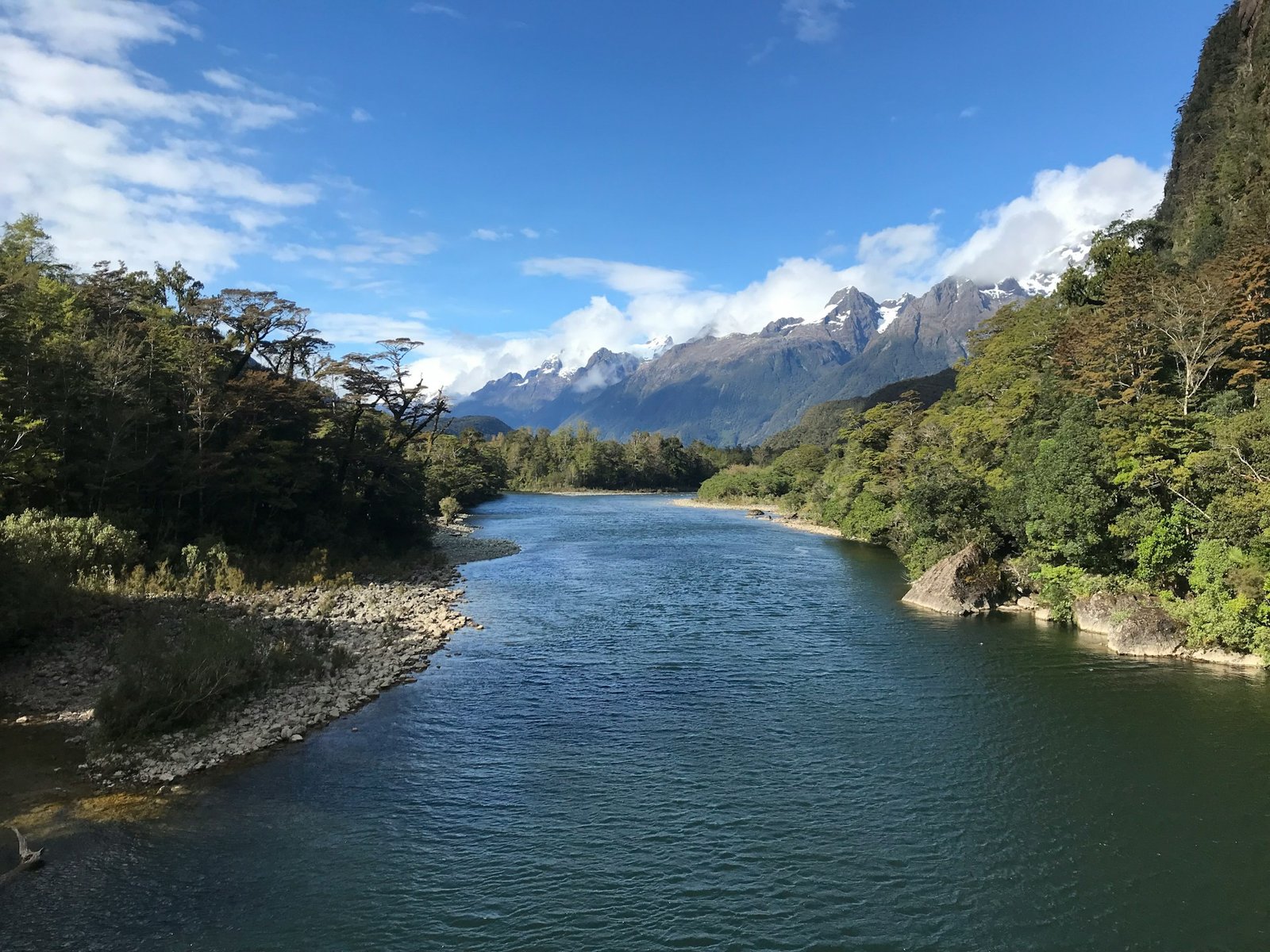
However, it’s also just one of the lasting effects they have on our psyches.
With that in mind, here’s a fuller look at the positive, perspective-shifting impact that investigating the incredible waterways of our planet has on even the most jaded modern traveler.
Discovering Geographic Realities Through River Journeys
Traveling along rivers offers a hands-on way to understand geography. Seeing landscapes evolve from the water’s edge reveals how terrain, climate, and human activity interact.
For example, on an Amazon river cruise or navigating Europe’s Danube, you can witness dense forests giving way to human settlements, and smaller tributaries joining together to form grander waterways. These changes provide clarity about natural systems and their connection to civilization.
It’s like flipping through a living atlas, as each bend uncovers new perspectives on regional diversity that no textbook can match. This direct exposure deepens appreciation for the world’s complexity in ways traditional travel rarely achieves.
How Rivers Shape Ecosystems and Why It Matters
Rivers are lifelines for ecosystems, sustaining countless species. Their flow carries nutrients, creating fertile land for plants and habitats for animals.
Take the Mekong River in Asia. It supports millions with its fish stocks made up of over 1,100 species, while nourishing lush farmlands. Witnessing these processes in real-time highlights how rivers maintain biodiversity and support local communities.
Understanding this balance inspires respect for fragile ecosystems. It’s not just about observing nature; it’s realizing our responsibility to protect it. Rivers remind us that every ripple impacts a larger web of life, urging travelers toward conservation-focused actions wherever they explore or live.
Understanding Local Cultures Along Global Waterways
Rivers are cultural hubs that shape traditions and livelihoods. Communities thrive on their banks, developing customs tied to the rhythm of the water.
On Africa’s Nile or India’s Ganges, you see how festivals, rituals, and daily life revolve around these rivers. Fishermen casting nets at sunrise or vibrant riverbank markets highlight this deep connection.
Interacting with locals reveals shared histories and values rooted in these waterways. It broadens your worldview by showcasing how cultures adapt harmoniously to nature’s flow, which is a humbling lesson about resilience and resourcefulness shaped by life alongside great rivers.
Lessons in Sustainability From Eco-Conscious Travel on Rivers
River travel emphasizes the importance of protecting fragile environments through travel choices. Experiencing pristine waterways highlights the damage caused by pollution or overuse.
Choosing eco-conscious options, such as solar-powered boats or operators focused on sustainability, ensures a minimal environmental impact. On trips through rivers like the Amazon or Colorado, such choices help preserve these ecosystems for future generations.
Witnessing both thriving and endangered habitats inspires mindful habits back home, reducing waste, conserving water, and supporting conservation efforts. Responsible river travel not only transforms your perspective but also influences your daily decisions about living sustainably and respecting natural resources worldwide.
Storytelling Traditions Born from Life by the Riverbanks
Rivers inspire tales that preserve histories and values. Sitting by a riverbank, locals share stories passed through generations—myths, legends, or personal accounts tied to the water’s role in their lives.
The Mississippi echoes with blues songs rooted in struggles along its shores. Asia’s Yangtze carries folklore about ancient gods shaping its flow. Each story reflects human connection to these powerful waterways.
Hearing these narratives fosters cultural appreciation and highlights the role of storytelling in preserving identity and wisdom across time, serving as a reminder of how rivers not only provide life but also act as keepers of human heritage.
Personal Growth Opportunities Through Multi-Day River Expeditions
Multi-day river trips challenge comfort zones and deepen self-awareness. Time on the water fosters patience, adaptability, and a stronger connection to nature’s rhythm.
Paddling through Alaska’s Yukon or camping along the Amazon offers moments of solitude that encourage reflection. Sharing these experiences with fellow travelers builds teamwork and camaraderie in unique ways.
Being immersed in such raw environments shifts the focus from daily distractions to what truly matters: resilience, curiosity, and respect for our planet.
Final Thoughts
Exploring the world’s great rivers connects you to diverse ecosystems, cultures, and personal insights. Each journey teaches lessons in sustainability and shared heritage. Traveling thoughtfully along these waterways transforms perspectives and inspires lasting appreciation for the intricate connections that shape our planet’s natural and human landscapes.