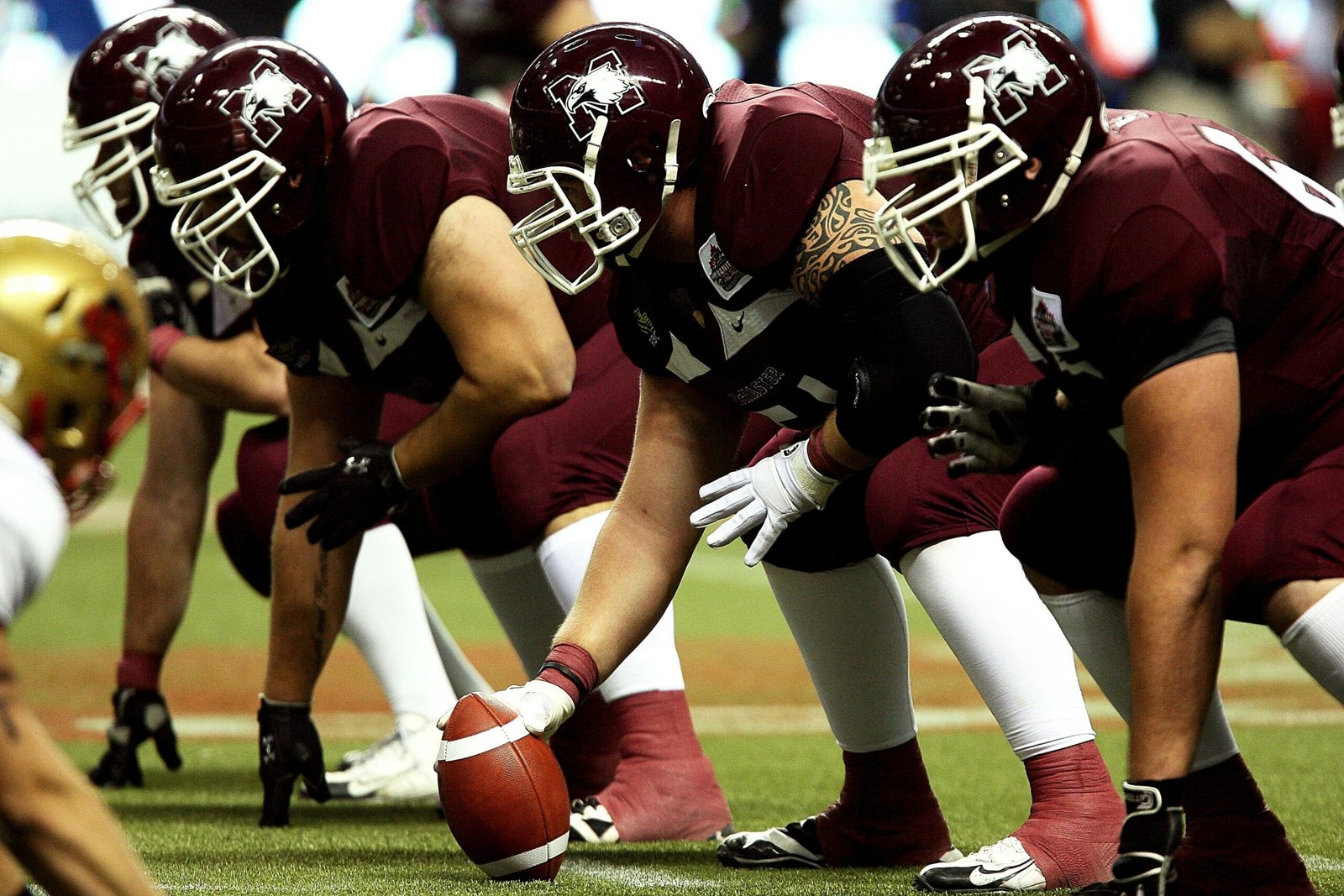







Traveling across the United States to catch a game is not about touchdowns or buzzer-beaters, it is about savoring the journey.
Slow travel encourages immersion, embracing every part of the trip with depth and connection. For sports fans, this means venturing into football towns like Green Bay, Kansas City, and Buffalo—cities where NFL loyalty is stitched into the local culture. This article uncovers how slow travel perfectly intersects with the sports lifestyle, blending stadium energy with scenic roads, solo adventures, and even fantasy sports on the go. It is time to explore the U.S. one game at a time.

Lonely Planet – Slow Travel Guide
Lonely Planet’s “Slow Travel Guide” is not just a travel philosophy—it is a cultural movement. Unlike the rush of standard tourism, slow travel urges wanderers to invest time in the personality of places. From multi-day rail journeys to walks that stretch into conversations with locals, the emphasis is on meaning over mileage. For sports enthusiasts, this ethos translates into attending fewer games but experiencing each destination more deeply eating like a local in Kansas City BBQ joints, strolling Green Bay’s Lambeau Field Heritage Trail, or tailgating with die-hard Bills fans in freezing Buffalo. This slow rhythm allows sports fans to absorb the traditions and human connections tied to each team and city.
Green Bay – Football’s Spiritual Home
Green Bay, Wisconsin, is unlike any other NFL city. With a population under 110,000, it is the smallest market in the league, yet home to one of the most storied franchises in football history—the Green Bay Packers. Lambeau Field has hosted 13 NFL championships, and the loyalty here is generational. Season tickets have a 30-year waiting list, and tailgates feel like family reunions. Slow travel to Green Bay means taking the time to walk the Packers Heritage Trail, visit the Packers Hall of Fame, and stop at Kroll’s West for a butter burger. This is not just a football trip—it is a pilgrimage.
Kansas City – Where Barbecue Meets the Gridiron
Kansas City’s love for football rivals is its pride in barbecue. The Kansas City Chiefs—Super Bowl LIV and LVII champions—have found a home in a stadium that shakes from the passion of fans. Arrowhead Stadium, known for registering decibel levels over 140, blends football intensity with community spirit. Slow travel here includes more than just game day—it is about savoring burnt ends at Joe’s Kansas City BBQ, visiting the Negro Leagues Baseball Museum, and catching a jazz set at the Green Lady Lounge. It is a city where you come for the Chiefs but stay for the culture.
Buffalo – Heart, Soul, and Snow
Buffalo Bills fans endure snow, heartbreak, and decades without a Super Bowl victory—and they do it with fierce pride. Known for tailgating rituals like jumping through folding tables and serving wings from Anchor Bar (the birthplace of the Buffalo wing), Buffalo is a fortress of community and devotion. The Bills Mafia, as they are known, raise money for charity and defend their team like family. Slow travel to Buffalo means snow boots, spirited chants, and soaking in the town’s history. The blend of sports resilience and small-town grit makes it a must-stop on any football journey.
Solo Travelers and Fantasy Play Integration
For solo travelers chasing NFL games coast to coast, tech tools become essential companions. Fantasy football platforms provide a sense of community while on the road. With a football mock draft tool, travelers can stay connected to their season, prep their lineups, and strategize during downtime at rest stops or scenic overlooks. Whether you are catching a sunrise in Utah or waiting for your Amtrak to Pittsburgh, integrating fantasy content with slow travel adds an interactive layer to the journey. Sports do not have to pause when the game ends—fantasy engagement keeps the adrenaline going.
Scenic Routes Over Speedy Flights
Flying from stadium to stadium might save time, but it sacrifices texture. Slow travel celebrates the space between destinations. Driving from Kansas City to Buffalo along I-70 and I-90 unveils unexpected treasures—small diners, football murals, lake towns, and long conversations at gas stations. The routes matter. Scenic byways like Wisconsin’s Great River Road offer windows into how football shape’s regional identity beyond the cities. It is in the journey that the culture surrounding each team becomes clear. Road-tripping also opens flexibility, allowing spontaneous detours and deeper engagement with the people who make these teams matter.
Sports Museums and Heritage Stops
Beyond the games, slow-travel sports enthusiasts are available for places that preserve their legacy. Canton’s Pro Football Hall of Fame in Ohio is a bucket list stop. So is the Green Bay Packers Hall of Fame, entirely dedicated to a single team. In Kansas City, the American Royal Museum and Negro Leagues Baseball Museum offer context on how sports evolved alongside American history. These stops allow travelers to dig into the soul of football towns. Museums, memorials, and public art tied to teams add a richer dimension to the sports road trip—one I did not find in game highlights.
The Seasonal Pulse of NFL Cities
NFL towns come alive differently depending on the season. Fall means rustling leaves in Buffalo and crisp midwestern breezes in Green Bay. Winter games display fan resilience, while early-season heat in Kansas City offers sun-soaked tailgates. Slow travel syncs perfectly with this cadence. Travelers time their journeys to match the unique mood of each city throughout the season. It is about catching a Monday Night Football matchup in September, then planning a snowbound December game in Buffalo to watch how fans embrace the cold. By aligning with the football calendar, the experience becomes layered, vivid, and unforgettable.
Tailgate Culture as a Window into Local Life
Tailgating is more than grilling—it is a ritual of bonding, storytelling, and highlighting hometown pride. In Green Bay, you will find brats and cheese curds. Kansas City features ribs and smoked brisket. Buffalo brings wings and warm cider. Each parking lot before kickoff becomes a community square, filled with fans who treat visitors like neighbors. Slow travel encourages sticking around to be part of these moments—not just passing through. These tailgates become cultural lessons in generosity, team spirit, and local flavor that no travel guide can replicate.
Lodging That Connects, Not Just Accommodates
Chain hotels may offer consistency, but slow travelers seek authenticity. In sports towns, locally owned inns and Airbnbs near stadium districts often have hosts who double as team historians. Whether it is a Bills fan renting a converted attic in Orchard Park or a lifelong Packers backer sharing stories over breakfast, accommodations become part of the experience. Green Bay’s historic Astor House or boutique stays in Kansas City’s Crossroads district give travelers a sense of place that enhances their sports pilgrimage. These stays are memory-makers, not just resting places.
Budgeting Time Over Dollars
Slow travel is not always cheaper—but it is richer in rewards. Instead of rushing to cram six games into two weeks, travelers choose fewer stops with longer stays. That means catching one Sunday game in Kansas City and spending the week exploring its jazz bars, art walks, and brewery trails. It is about investing in meaningful interactions, not fleeting snapshots. This approach often saves stress, allows budget flexibility, and builds stronger connections with people and places. For sports fans who travel, quality beats quantity every time.
Final Whistle: When Travel and Team Spirit Collide
Slow travel for sports enthusiasts is not a compromise—it is an upgrade. It takes the thrill of the game and places it in a broader narrative of landscapes, people, rituals, and real stories. Whether you are cheering with 70,000 fans at Arrowhead or sipping cider by a fireplace after a snowy Buffalo game, beauty is in embracing the entire moment. Every mile, every conversation, and every cheer become part of a personal season—a series of unforgettable chapters in a cross-country love letter to football.