





Video production is a complex process that combines art, technology, and narration.
The end result may look straightforward, but a lot of teamwork, brainstorming, and creativity goes into creating a product.
It’s time to take a look at the process of video production and the steps you should follow to get from an idea to a video that is ready to be shown.
Starting With an Idea
Like any other great thing, each video is created starting with an idea. Coming up with ideas is where the process gets interesting, as a team of talented people comes together to generate ideas that will fit the project. The type of video determines the best strategy for the commercial, documentary, or even a short film. Who is the video for? It is important to check who the work is for because its tone, style, or message will depend on the target audience.
- Defining Objectives: What message do you want the audience to receive at the end of the video? Goals are defined and serve as the direction of the story.
- Crafting a Concept: After setting the goals, the team develops an idea that defines the vision. This may involve discussing aspects of the graphic image, the topic to be covered or a special style of presenting the information.
Pre-Production: Laying the Foundation
Conceptualization is said to occur mainly in pre-production. During this phase, careful planning is required to ensure the production process proceeds.
- Scriptwriting: The script may be considered the video’s road map. Different writers develop the speech, the story, and the descriptions of the scenes, making the story coherent and convincing.
- Storyboarding: The script translated into storyboards allows the team to easily determine how the shots will look. These sketches show the positions and movements of the camera and objects in the scene.
- Location Scouting is crucial since it determines the best places to start and the video’s overall mood. Whether it is a street in the city or a field in the country, the setting has to fit in with the story.
- Casting: Choosing the right Video production cast is critical in any production process. Casting directors search for an actor, presenter, or voiceover artist who perfectly fits the project.
- Assembling the Crew: In the process of shooting a film, a competent crew of directors, cinematographers, sound engineers, and lighting technicians is needed.
Production: Lights, Camera, Action!
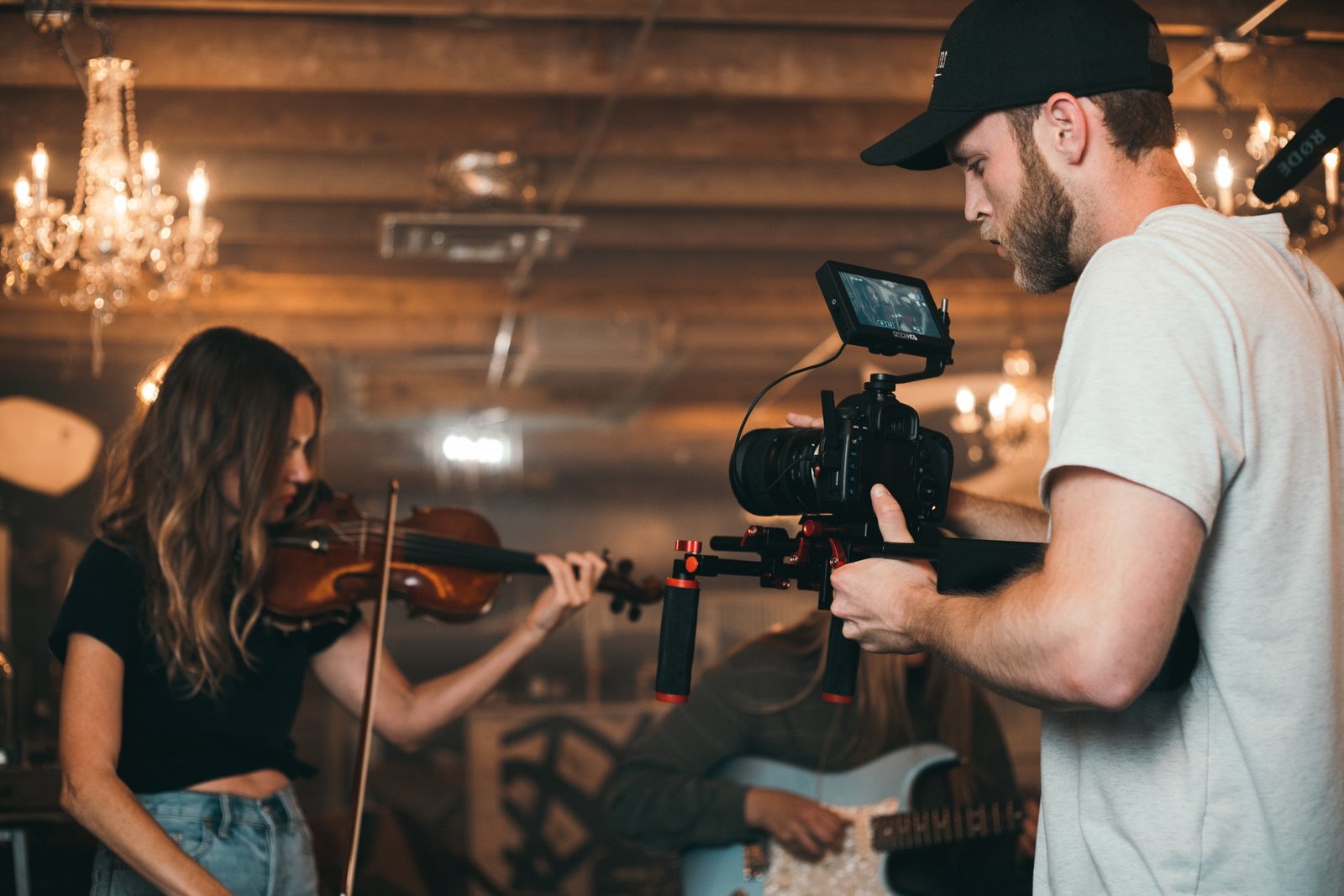
Production is the stage where the plans are realized. Because it is a rapidly evolving field, it also becomes one of the most exciting places where art and science intersect.
- Setting Up: The crew gets to the location before the shoot to ensure they have established equipment, checked the lighting, and set up some things. Concern for the details guarantees that the shoot has a good beginning.
- Directing the Scene: The director supervises the ongoing action, controlling actors and other crew members to fulfill this created image. There is always a need to modify something, which is probably why effective communication is paramount when practicing the shot.
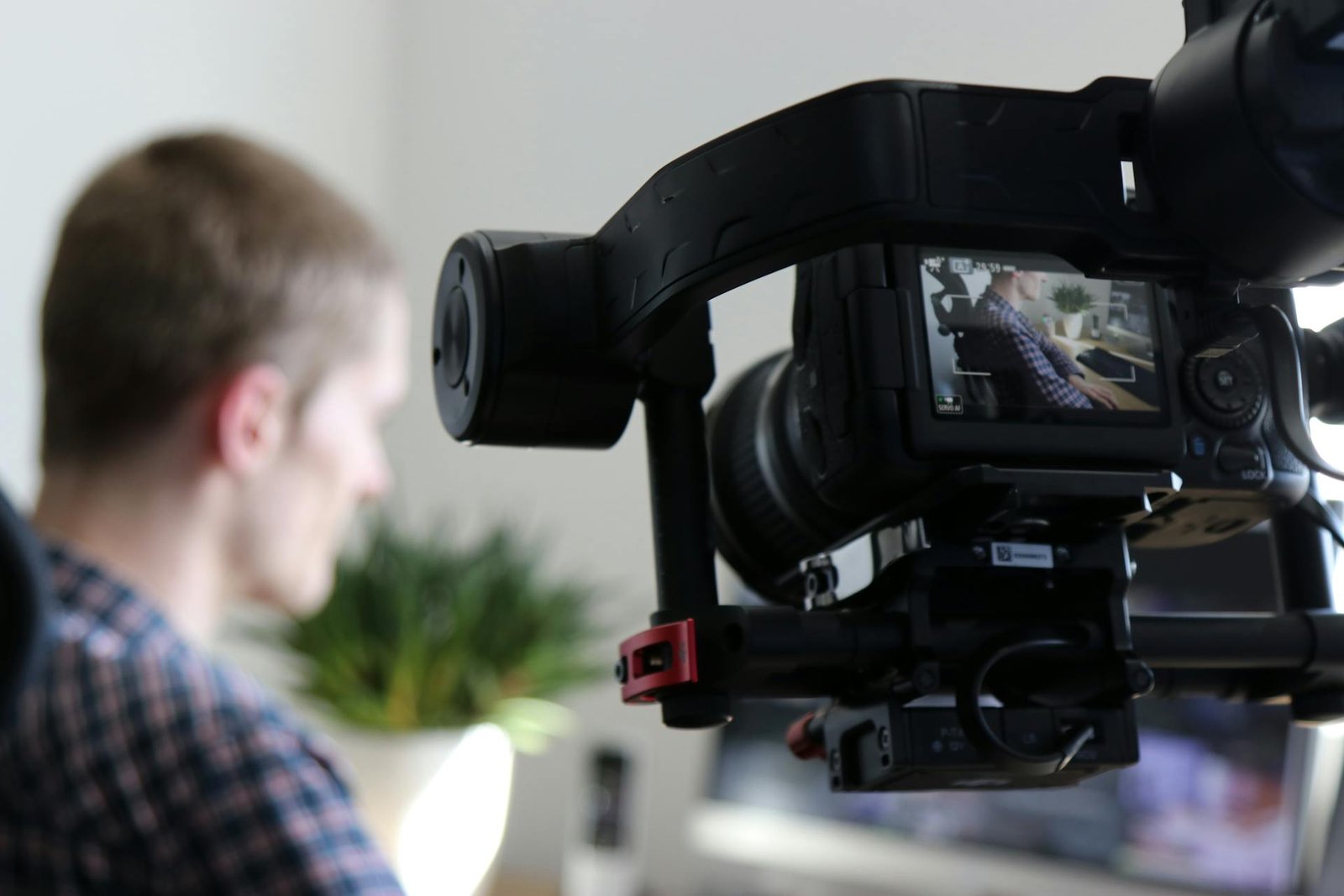
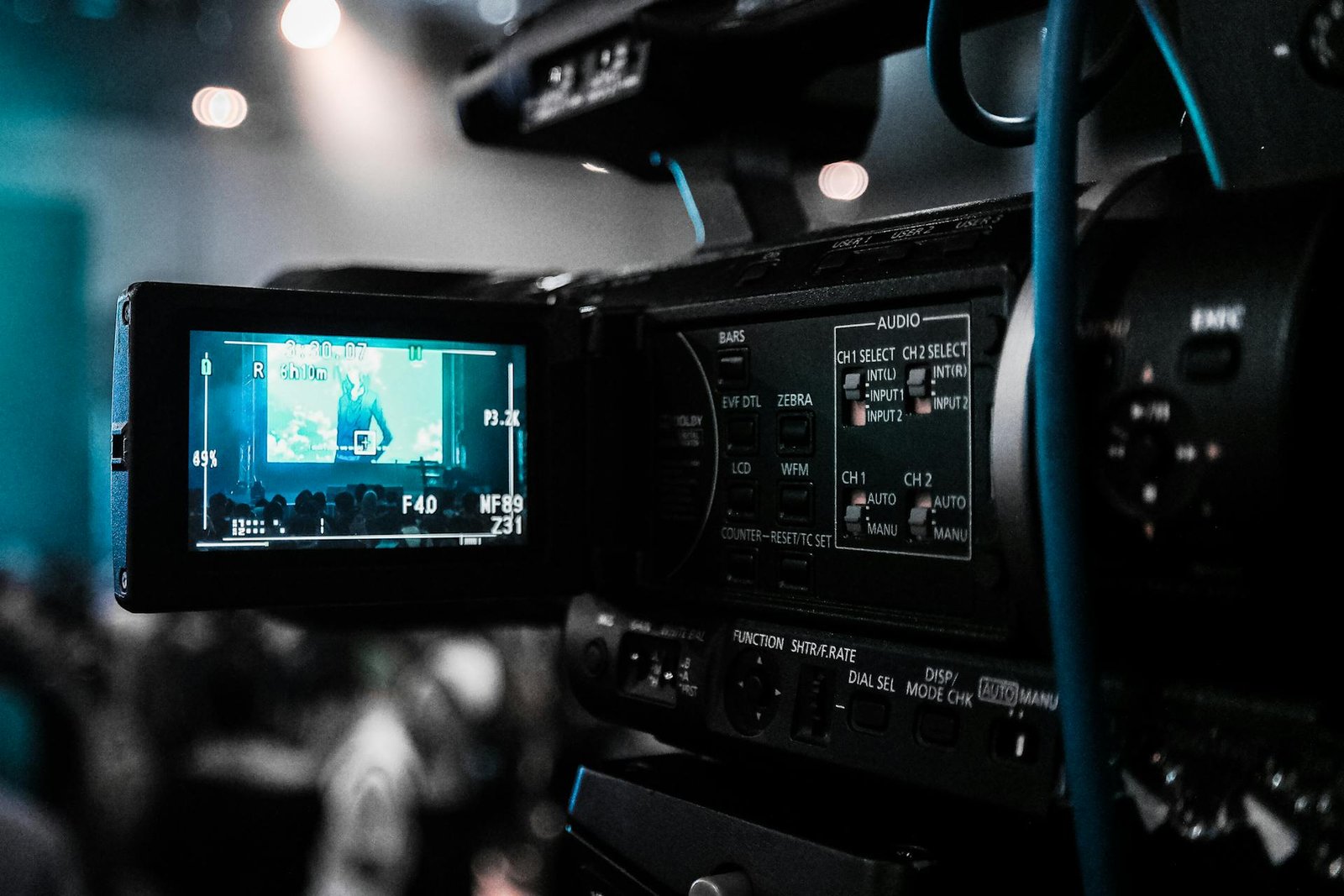
- Capturing Footage: Directors of photography rely on their knowledge to position the camera, control depth of field, and control lighting. Each attitude, motion, and shot is calculated.
- Sound Recording: Audio should not be an afterthought – just as important as the visuals are, the audio needs to be high quality. Audio technicians accurately record people’s speaking, surrounding sounds, and other sounds.
- Problem-Solving: Unexpected situations, such as climate changes or the tools’ functionality, always arise. A company’s human capital is a valuable asset that can bend over backward to ensure that the production line stays on course.
Post-Production: Weaving the Story
In the video production services, after shooting, the scenes go to editing, creating a movie out of the footage shot.
- Editing: Editors watch and review the scenes for hours and then choose the best shot. They set up scenes, prune out the excess material, and ensure the timing matches the storytelling.
- Color Grading: Changing the color tones helps create the mood and maintain the unity of the video. Color grading creates emotional depth, from warm, intense colors to cool neutrals.
- Sound Design: Composers provide songs, jingles and other audio features that enhance the end user’s experience. First, it is very time-consuming to find the right level and synchronize the audio with the pictures.
- Special Effects: If the video needs special effects, CGI, animation or any other post-production work, then specialists do it.
- Review and Feedback: The team provides rough-cut feedback. Several attempts may be made to achieve the desired video outcome before it is achieved.
Delivery: Sharing the Vision
This is the end of the video; now it is time to show the work to the world.
- Formatting: The video is then compressed in formats relevant to its intended platform, whether a social media platform, television, or film festival.
- Distribution: The distribution strategy helps to achieve the video’s desired audience. It may include uploading to video platforms, incorporation into a website or advertising campaign initiatives.
- Promotion: Teasers, behind-the-scenes videos, and social media posts effectively create anticipation and engagement.
The Collaborative Spirit
Video production service is a collective process by nature. Every person involved in creating a movie, from the visionary director to the ‘detail-oriented’ editor, contributes in one way or another. Intimacy, credibility, and passion for the work foster creativity in communication.
Evolving with Technology
Technological enhancements are always imposing new forms and characteristics into video production services. The cinematographic industry is replete with the latest technologies, from drone aerial shots to artificial intelligence that enhances editing. It is crucial to follow such trends to create modern content.
Conclusion
Every creative and interesting video usually results from creativity, hard work, and teamwork. It is not just the appreciation of the art of video production but the knowledge that makes us want to create our narratives. Whether you are a professional director or just an amateur seeking to become a master of filmmaking, turning an idea into a beautiful story is a skill that is worth learning.