

Creativity often gets romanticized.
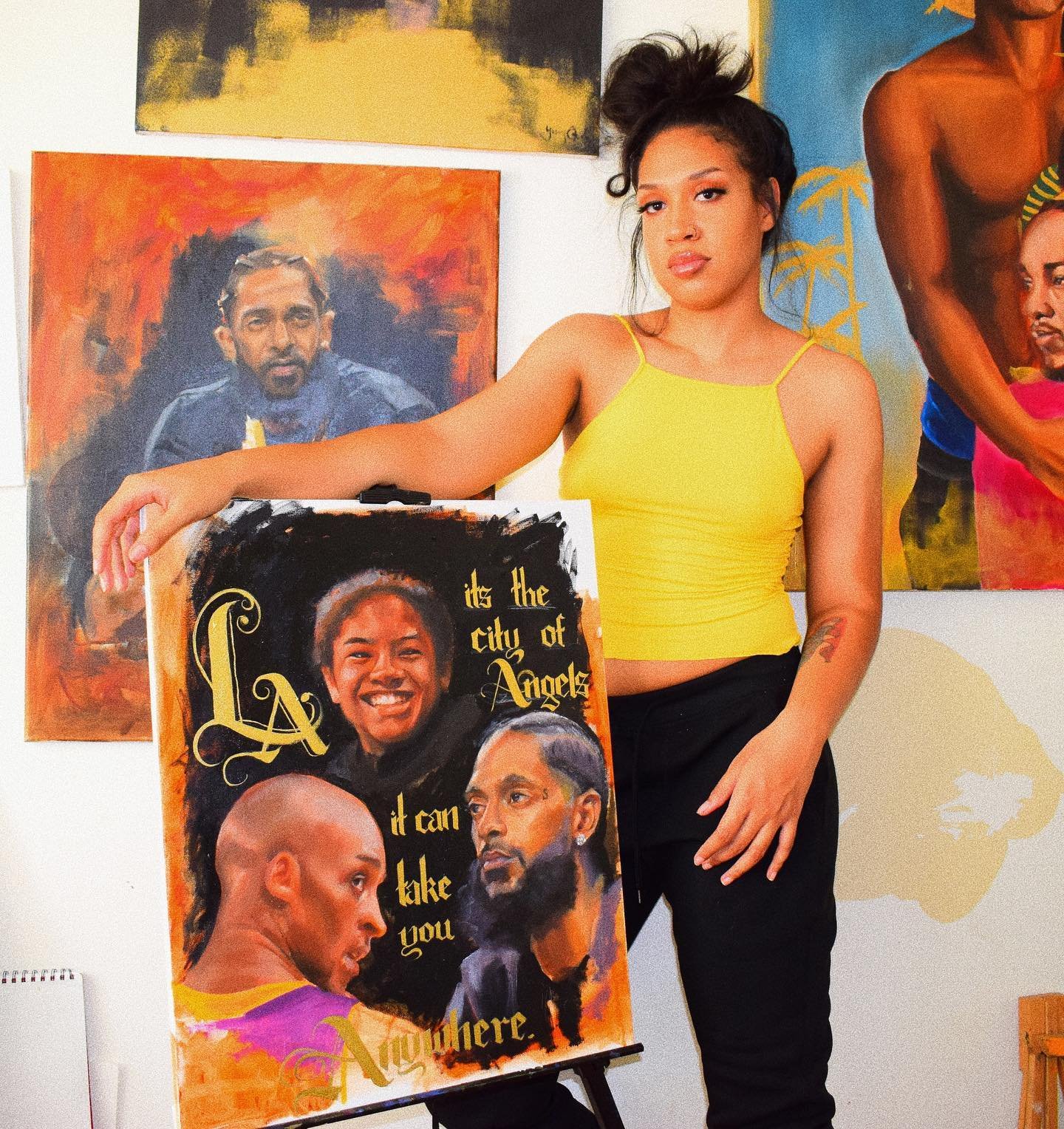
People picture a songwriter lost in thought, a painter in a sunlit loft, a novelist chasing inspiration at midnight.
But anyone living off their art knows the truth is messier.
It’s deadlines, dry spells, gig-hopping, and finding focus in chaos. Oddly enough, poker players know this grind too, and they might have more in common with artists than anyone expects.
While one works in brushstrokes and the other in bets, both rely on routine, mental clarity, emotional discipline, and resilience. Poker isn’t just about cards. It’s about mindset. And that mindset? It’s precisely what helps creative hustlers stay afloat.
Poker as a Side Hustle — and a Training Ground
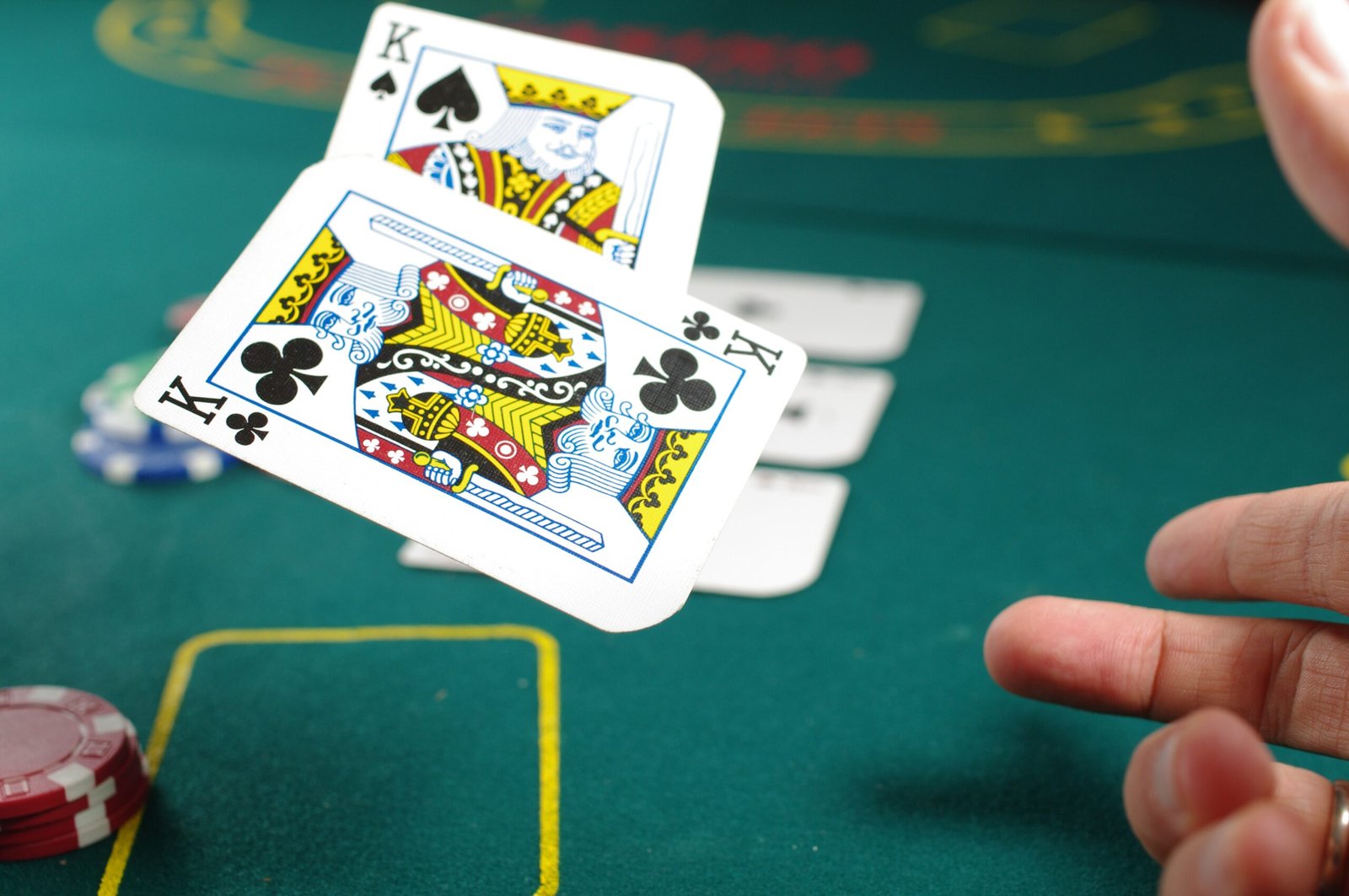
For some creatives, poker isn’t just a metaphor. It’s a practical support system. More and more people are turning to real money poker not as a way to get rich, but as a way to build autonomy.
It makes sense. Freelance income is unpredictable. Projects dry up. Clients disappear. Poker offers a skill-based income stream with no gatekeepers, no auditions, and no need to be anyone other than yourself. With enough study and discipline, it can be a tool—one that buys time for passion projects, covers the rent between gigs, or funds a long-shot dream without waiting for someone’s approval.
And it’s not just about the money. The habits poker demands—emotional control, risk management, and patience—all carry over into the creative process.
Structure Over Spark
We’re often told that artists need inspiration to work. But poker players can’t afford to wait until they “feel like it.” They prepare, they show up, and they play. Their edge comes from routine, not mood.
That mindset translates directly to creativity. Writers who finish books usually write on a schedule. Musicians who release albums often rehearse daily, even when it’s boring. Designers know that most great ideas come mid-process, not at the beginning. Routine builds results.
Poker players log hands, review outcomes, and track patterns. Creative professionals can benefit from the same kind of discipline, keeping a journal of ideas, tracking time spent on projects, and setting boundaries around creative hours. It’s not glamorous, but it works.
Learning to Lose, Without Folding
You’ll hear poker pros talk about variance — the idea that sometimes you play perfectly and still lose. The game punishes bad luck just as often as bad choices. The key is not taking it personally.
Creatives face the same randomness. A brilliant pitch can get ignored. A heartfelt piece might flop. None of it means the work isn’t good. It just means you have to keep going.
Poker teaches you to step back, look at the long-term trend, and avoid spiraling after a bad session. That kind of emotional resilience is gold for any artist trying to survive in a world that rarely gives instant feedback or rewards.
Flow Is Earned, Not Found
There’s a mental state poker players chase: deep focus, quick reads, strong instincts. In that zone, decisions feel effortless. Artists have it too—the hours that vanish when you’re in the works.
But flow doesn’t happen by accident. Poker players get there by reducing distractions, setting up good conditions, and playing often enough to recognize the rhythm. Artists can do the same.
That might mean turning off your phone, clearing your space, or committing to a warm-up routine. It’s about creating the mental and physical environment that allows the work to take over, not waiting to “feel inspired.”
When Poker Supports the Process
Not every artist who plays poker does it for the money, but some find the game offers more than just entertainment. Poker sharpens mental focus, builds emotional discipline, and provides a way to practice decision-making under pressure. For creatives juggling unpredictable schedules, that kind of cognitive training can be valuable.
Some artists pick up the game during downtime, using it as a way to reset between projects or reconnect with strategic thinking. Others are drawn to the flexibility it offers—the chance to earn on their own terms, without waiting for permission or approval. While it’s no guaranteed paycheck, for those who take it seriously, poker can become part of a broader toolkit for building a self-directed, creative life.
Different Tools, Same Mindset
Poker and art might use different tools, but they demand the same things: patience, a thick skin, and a deep understanding of when to take risks. Neither guarantees results. Both reward those who can stick with it through the dry spells and build something consistent over time.
The next time you’re feeling stuck—staring at a blank page, waiting for a callback, wondering whether any of this is worth it—think like a poker player. Review the hand. Adjust your strategy. Don’t chase losses. And above all, keep showing up.
Conclusion
So if you’re chasing a creative life, consider picking up more than just your paintbrush, notebook, or guitar. Pick up the habits, the discipline, and the mindset of someone who’s in it for the long haul. That’s the real hustle. And the more you master it, the freer your art and your life become.