



The underground rave and club scene has been a centre of cultural change since the early 1920s.
It all began in dingy settings where people with similar agendas and needs would come together, mostly to form stronger bonds.
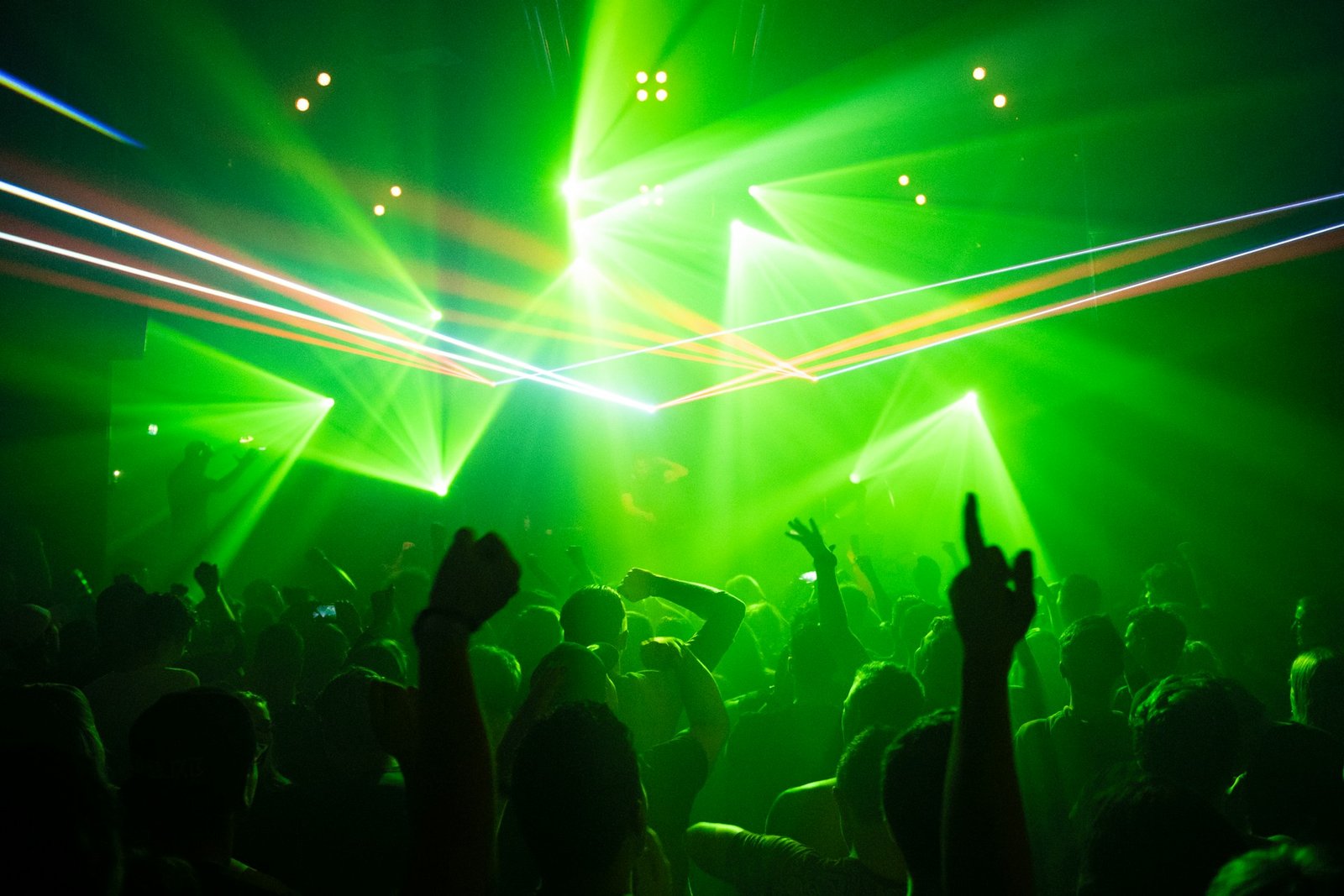
Music genres such as disco, house, techno, and punk thrived in these environments, shaped by limited resources but boundless creative freedom. The dance floor became a place where identity could be explored without judgment, and where music served as both expression and escape.
By the late 1980s, people were starting to combine the effects of drugs, alcohol, and music to heighten their sensory experience. All of these elements combined to create the club and nightlife culture that people talk about and continue to engage in today. A lot of what is currently known of clubbing and the club scene has evolved from the underground culture and rave scene.
The Revolutionary Shifts
Underground raves and nightlife events in the ’80s and ’90s gave people an environment of rebellion and counterculture. Many of these events were organised by small groups of people who shared common beliefs and principles. The purpose of these gatherings was to bring people together in pursuit of unfettered entertainment, freedom of speech, music, and the use of various recreational drugs, such as Poppers Aromas, which are now integral to the gay and queer community. Free parties and raves were vital to the community’s success, and they continue to play an important role in today’s clubs and festivals.
As rave culture, trance and electronic dance music genres grew, a unique fashion scene started to form. Rave fashion was characterised by colourful, flashy, elaborate clothing. The fashion represented the culture’s values of independence and individuality. Rave fashion has developed and changed over the years, taking cues from a wide range of styles, including futuristic, vintage, and festival wear.
Modern Times and Nightclub Trends
Nightclubs today function as more than just places to dance and socialise. Many of the more progressive nightclubs have created a total sensory experience for their clients, taking advantage of dynamic projection mapping, LED screens, elaborate stage designs or thematic decoration.
To cater to clientele who value luxury and exclusivity, the nightclub industry has adopted offering VIP services. In the past, this included reserving the best table or seat in a club, which usually meant the exclusive use of a particular section of the club with bottle service. Today, many upscale nightclubs have also started offering “members-only” areas for private member events, which also include bottle service, exclusive lounges, and concierge service.
Music continues to be a major factor in shaping the nightlife experience. The evolution of music curation has fundamentally changed the way clubgoers experience nightclubs. Many nightclubs now seek to put together a balanced lineup of DJs who cover a broad spectrum of musical styles. The goal is to create an unforgettable musical experience that keeps the club’s energy level high throughout the night.
Final Thoughts
Modern nightlife draws inspiration from the long tradition of underground raves and parties. However, while today’s nightlife is much different from previous times, the modern-day nightlife fosters the same sense of adventure, authenticity and camaraderie that were evident in the original underground scenes. Nightlife gives us a way to take a break from our daily lives a