






Key Takeaways
- Window air leaks can account for 25% to 40% of a home’s energy loss, raising utility bills and stressing HVAC systems.
- Common signs of leaks include drafts, condensation between panes, visible gaps, and unexplained increases in energy costs.
- DIY detection methods, such as the candle/incense test and the dollar bill test, can help identify problem areas.
- Professional assessments, such as blower door tests, provide a thorough evaluation of your home’s energy efficiency.
- Quick fixes include replacing weatherstripping, applying caulk, or using window film, while persistent issues may require full window replacement.
- Addressing air leaks improves comfort, indoor air quality, and long-term energy savings.
Understanding the Impact of Window Air Leaks
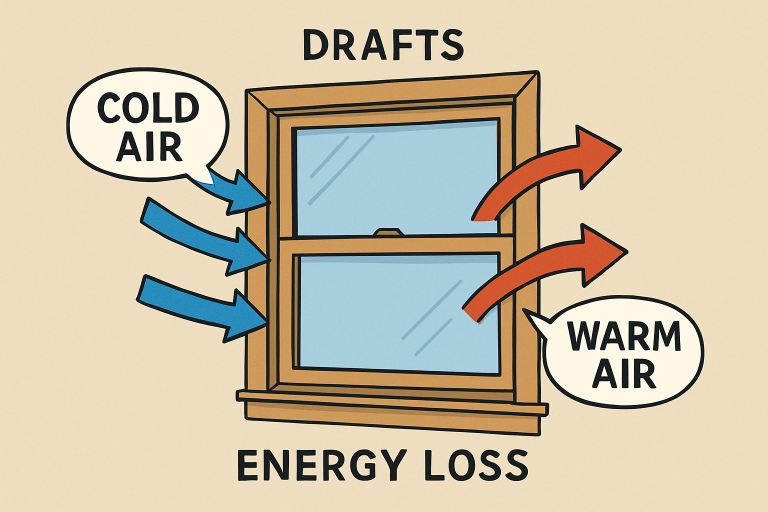
Air leaks through windows not only disrupt the comfort inside your home but also significantly raise your energy bills. According to the U.S. Department of Energy, these leaks can be responsible for 25% to 40% of the energy loss in the average home. When conditioned air escapes and outdoor air enters, your HVAC system has to work much harder to maintain a consistent temperature. Over time, this can lead to higher utility costs and unnecessary wear on your heating and cooling systems. For those trying to determine if their home may be affected, this guide on drafty window symptoms provides a helpful starting point.
These air leaks also invite outdoor allergens and pollutants, reducing overall indoor air quality and creating an environment that may be less healthy for your family. In regions with extreme weather, leaks can even cause icy drafts in winter or unmanageable heat in summer, further degrading comfort and safety. Because leaks develop gradually, homeowners may not immediately notice the effects, but over a season or two, the financial and comfort impacts can become substantial.
Older homes are particularly susceptible, since building materials expand, contract, and shift over time. Even newly installed windows can develop leaks if not installed or sealed properly. To guard against these problems, it is important to learn how to recognize the signs of window air leaks and take prompt action.
Common Signs of Window Air Leaks
Detecting air leaks early can prevent larger issues down the line. Homeowners should regularly inspect their windows for several telltale symptoms:
- Drafts: If you feel a cool or warm breeze near closed windows, especially during windy days, air may be sneaking in and out via gaps or worn seals.
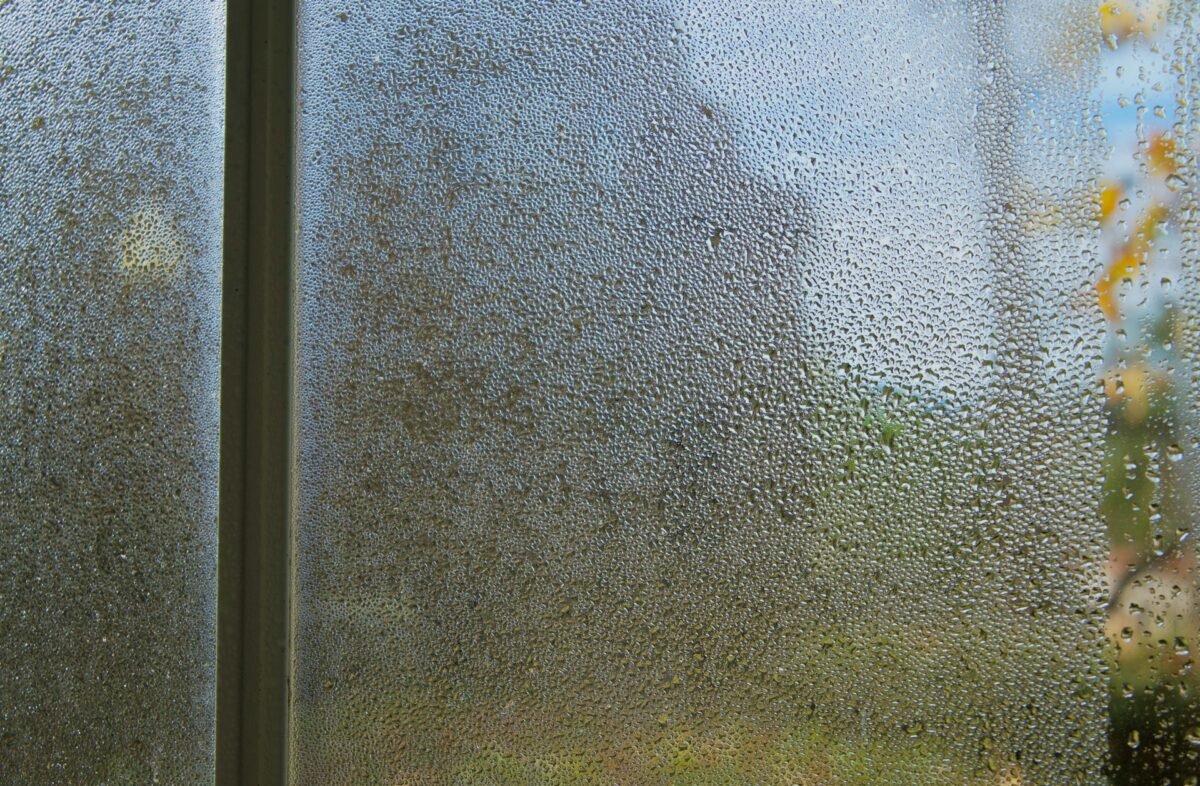
- Condensation Between Panes: Moisture or cloudiness between double- or triple-pane windows typically indicates a broken window seal. This not only diminishes energy efficiency but can eventually cause structural damage.
- Visible Gaps: Sunlight shining through the edges of window frames suggests a gap where air can infiltrate or escape.
- Increased Energy Bills: If you see unexplained rises in your heating or cooling costs, undetected air leaks around windows could be the culprit.
DIY Methods to Detect Air Leaks
Before calling in a professional, you can use a few straightforward tests to check your windows for leaks.
The Candle or Incense Test
This method is popular for its simplicity and effectiveness. First, ensure all windows and doors are closed, and turn off any combustion appliances. Light a candle or incense stick, then slowly move it along the edge of the window frame. Observe the smoke; if it wavers or is blown inward, there is likely an air draft present. For safety, always keep the flame away from curtains and other flammable materials.
The Dollar Bill Test
If you suspect a compromised seal, the dollar bill test can provide confirmation. Open the window and place a dollar bill on the sill. Close the window and try to pull the bill out. If it slides out easily, the seal is likely insufficient and may require repair.
Professional Assessment Options
For those seeking a comprehensive picture of their home’s efficiency, hiring a professional to conduct a blower door test is recommended. This test involves installing a powerful fan to depressurize your home, making leaks in doors, windows, and other areas much easier to detect. The resulting data helps determine where additional insulation or physical repairs are needed.
An energy auditor can also examine your insulation and overall building envelope to suggest improvements. These professional assessments can lead to significant long-term savings and greater year-round comfort.
Addressing Detected Air Leaks
After confirming the presence of air leaks, taking quick action is key. Here are several top solutions:
- Replace Weatherstripping: Installing new weatherstripping around movable window sashes helps block drafts and keep conditioned air inside.
- Apply Caulk: For gaps and cracks smaller than ¼ inch, a high-quality caulk can create a durable, hidden seal around fixed window frames.
- Install Window Film: Temporary plastic film insulation kits can be installed in winter to add a transparent barrier that keeps cold air out and warm air in.
For persistent or larger leaks, consider consulting with a window specialist. They may recommend additional strategies, such as foam sealant for wide gaps or replacing severely deteriorated trim.
When to Consider Window Replacement
There comes a point when repairs are no longer cost-effective. If your windows are old, have visible damage, or continue to leak after repairs, replacement may be the best solution. Modern windows are built to much higher energy efficiency standards and often feature advanced glazing, inert gas fills, and improved frame materials. Upgrading can drastically reduce drafts, lower utility bills, and increase comfort for years to come.
Final Thoughts
Window air leaks are a common problem, but they can be identified and corrected with vigilance and the right approach. Regular inspections, simple at-home tests, and timely repairs or upgrades will maintain a comfortable home while keeping your energy consumption in check. By following these steps, you will protect your investment and enjoy lasting benefits in terms of efficiency, indoor air quality, and overall comfort.