


Solo travel often starts with a practical decision, not a dramatic one.
You might want flexibility, fewer compromises or simply time on your own. Before you go, you usually take care of the basics too, like checking foreign travel advice so you understand local conditions, entry requirements and any safety updates.
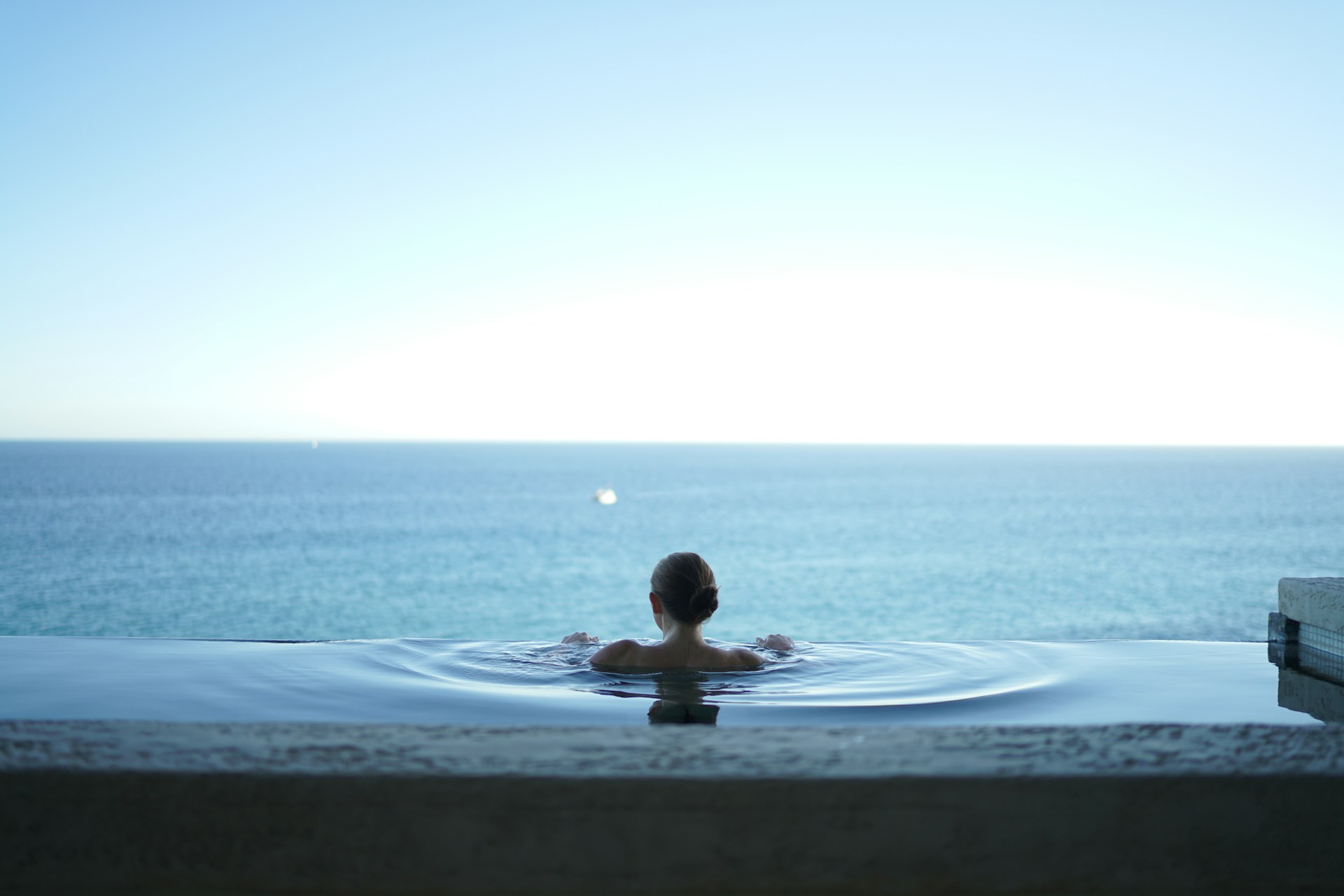
Once you arrive, the experience tends to feel calmer than expected. Without familiar routines or constant conversation, your days slow down in a useful way and you begin to notice how you make choices and spend quiet moments.
Freedom of choice
Travelling alone gives you control over everyday decisions, which quickly becomes refreshing. You eat when you’re hungry, stop when you feel tired and change plans without explaining yourself. That freedom makes your preferences clearer because you act on them immediately.
Try leaving one afternoon completely open and see where you naturally drift. You might spend longer than planned in a bookshop or cut a walk short because you’d rather sit in a café. Those small decisions help you understand what actually suits you, rather than what you usually agree to.
Self-reflection
Being away from home creates space for gentle reflection. New surroundings break habits, which makes it easier to notice your thoughts without overanalysing them. Long journeys, early mornings and simple evenings all encourage this naturally.
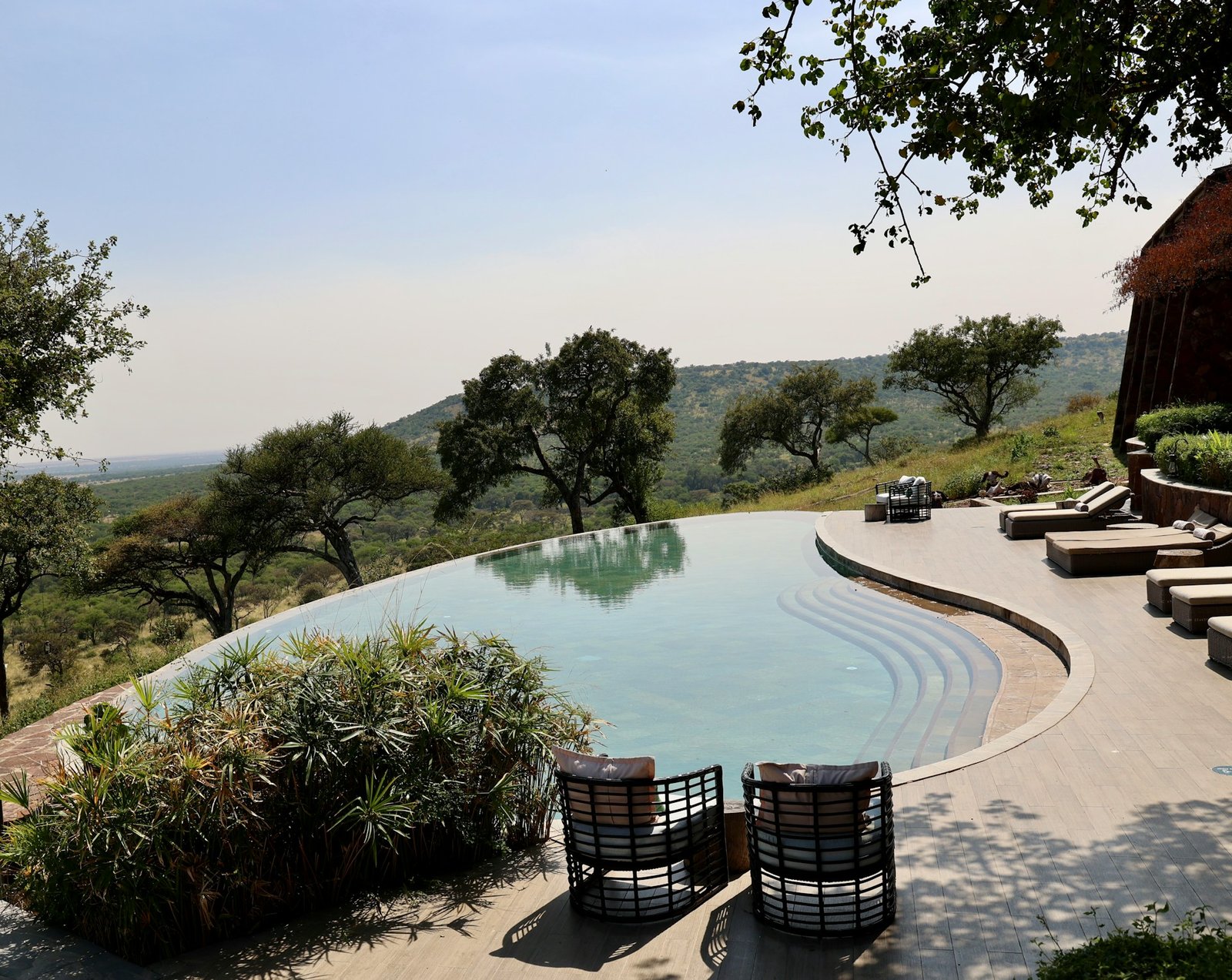
Write down one thing that stood out each day, whether it’s a reaction you had or something you enjoyed more than expected. Over time, patterns appear and you might realise when you feel most settled or what drains your energy, which gives you practical insight you can use later.
Building confidence
Solo travel builds confidence through ordinary problem-solving. You navigate transport systems, manage time and ask for help when you need it. Each task reinforces that you can handle unfamiliar situations.
Focus on one manageable challenge per day, such as figuring out a route without GPS or speaking to someone new. When you succeed, even in a small way, you trust your judgement more.
Finding focus
Without constant company, you become more aware of your surroundings. You notice details like sounds and changes in light because nothing competes for your attention. Downtime also feels different. Instead of filling every pause, you choose how to spend it. You might read, listen to music, people-watch or pass time by playing arcade games online during a long wait.
Pick one moment each day to simply observe what’s happening around you. This habit makes travel feel less rushed and more grounded.
Personal growth
The value of solo travel shows up in what you take home with you. You return knowing how you prefer to structure your time and how you respond to uncertainty. Those lessons feel practical because you learned them through experience.