





Dogs express their emotions through numerous signs, and the tail is one of the best ways they communicate.
Each wag, pause, or shift reveals comfort, excitement, or uncertainty to help owners know what their pups are really feeling. Focusing on these subtle movements offers a good insight into the emotional world of a dog.
A comprehensive understanding of this tail language will strengthen the bond between pets and their owners. This creates better grounds for building communication and trust. Learning about the key signals helps owners support their dogs with compassion and confidence, besides uncovering the real reasons behind the common concern, “Why Dogs Wag Their Tails.”
Why Do Pets Wag Their Tails?
Tail wagging is a type of nonverbal communication. Dogs and a few other animals use tail movements as a gesture to their emotional states and intentions. The behavior has evolved as a social signal mechanism that helps animals communicate instead of vocalizing. So, here are the primary reasons why pets wag their tails:
- Emotional excitement or joy
- Nervousness or uncertainty
- Social greeting behavior
- Submission or appeasement
- Alertness or guarding instincts
If you own joyful and active small dog breeds like a Mini Bernedoodle, understanding their tail language becomes highly essential. These smart social dogs often display gentle signs that reveal their emotional state. This is mainly so when they are in new places or surrounded by strangers.
Does a Wagging Tail Always Mean Happiness?
Not everytime. Tail wagging is never a universal sign of your dog’s happiness. They wag their tail to communicate a range of emotional states, and at times, the wag might be a simple reflexive response to stimulation. The American Kennel Club (AKC) highlighted that a dog’s tail wagging is often a part of their social communication. It might be a sign of emotions ranging from friendliness to fear. In simple words, a wagging tail is a sign and not a guarantee of happiness. The overall space and body language should be considered for interpreting the wag appropriately.
Types of Tail Wags and What They Mean
Dogs communicate with the help of their tails in different ways. Some might be promising and others challenging, which a pet owner will fail to realize. The position of their tail, speed, and direction have their dedicated meaning, and having a comprehensive knowledge of them can help you understand your pup’s emotional condition.
Relaxed Wag
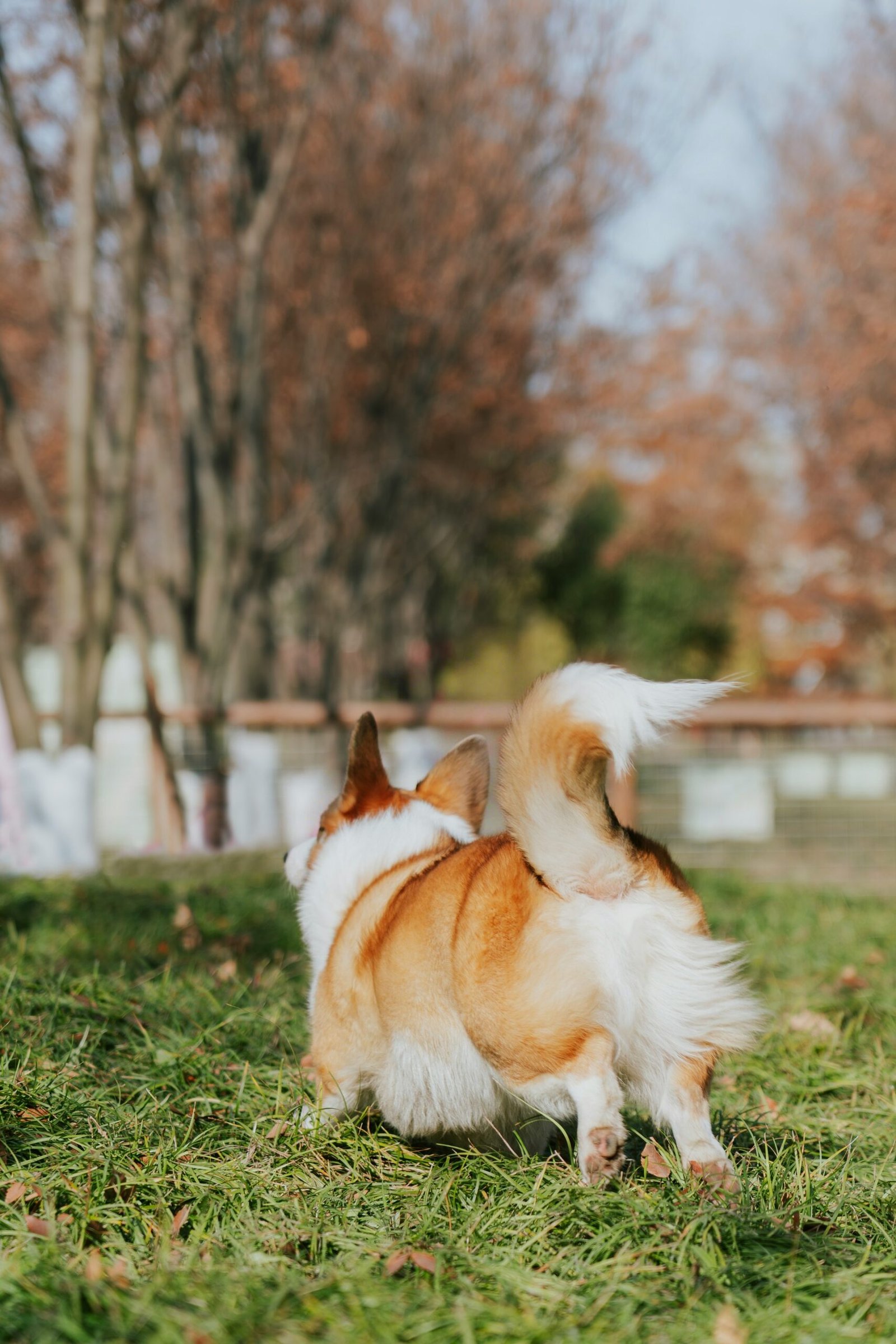
When a dog is relaxed their wag becomes wider and looser. This is a clear sign that your dog is comfortable and calm. This wag type generally happens during soft interactions or when your dog is feeling safe in its environment. A relaxed wag typically includes:
- Loose body posture
- Soft facial expression
- Slow breathing rhythm
- Gentle tail movement
- Calm eye contact
This wag is a clear sign of trust and contentment, mainly when you link it with their relaxed body language.
High Tail, Fast Wag
A fast wag with a high tail is a sign of their alertness or excitement. This is when you know that your pup is extremely stimulated and focused in their space. This type of wag is a clear sign that they are enthusiastic, but it might even be a sign of tension. A high-fast wag often signals:
- Alert stance
- Forward ears
- Stiff body posture
- Intense gaze
- Quick movements
This kind of wag indicates over-arousal or excitement based on the context and situation.
Low Tail, Slow Wag
A low tail with a slow wag typically indicates uncertainty or submission. The dog may feel unsure or cautious and is trying to show that it means no harm, especially in new situations or around strangers.
A low tail with a slow wag generally indicates submission or uncertainty. Your dog might feel unsure or cautious, or even try to show that it means no harm. This is mainly so in new situations or around strangers. A low-slow wag is clear from:
- Avoiding eye contact
- Crouched posture
- Tense muscles
- Head lowered
- Hesitant movement
This type of wag indicates that your dog needs a calm environment or reassurance.
Tail Tucked Between Legs
A tucked tail is one of the direct signs of anxiety or fear. This type of wag is a defensive response that shows that the dog is feeling threatened or stressed out. It becomes a strong sign that your dog needs space and comfort. A tucked tail often indicates:
- Shaking or trembling
- Whining or panting
- Attempting to hide
- Rapid breathing
- Avoidance behavior
This kind of wag is a clear indication of fear and needs gentle reassurance and a calm response. Dogs who show this type of behavior will benefit from gradual confidence-building routines, which you can learn through basic dog training tips.
Stiff, Fast Wag
A stiff and fast wag generally is a sign of agitation or potential aggression. The dog might be tense and may start preparing to react defensively. You should always treat this wag seriously as it preceded warning behaviors. If you find that your dog’s wag is stiff and fast, then it indicates:
- Raised hackles
- Hard stare
- Guarded stance
- Growling or snarling
- Rigid body posture
This is a clear warning sign and should be respected to avoid escalation.
Signs of Happiness vs. Anxiety
Dogs convey clear emotional messages using their body language, and the tail is not the only component of the image. Knowing these signs can assist the owners to act appropriately and know how their dogs really feel in various situations.
Happy and Relaxed Behavior
Comfort and confidence are expressed by soft and loose body movements with gentle tail movements in happy dogs. Their body language is natural, their eyes are not nervous, and the energy is stable. These cues suggest emotional comfort and true satisfaction with the known individuals.
Anxious or Uncertain Behavior
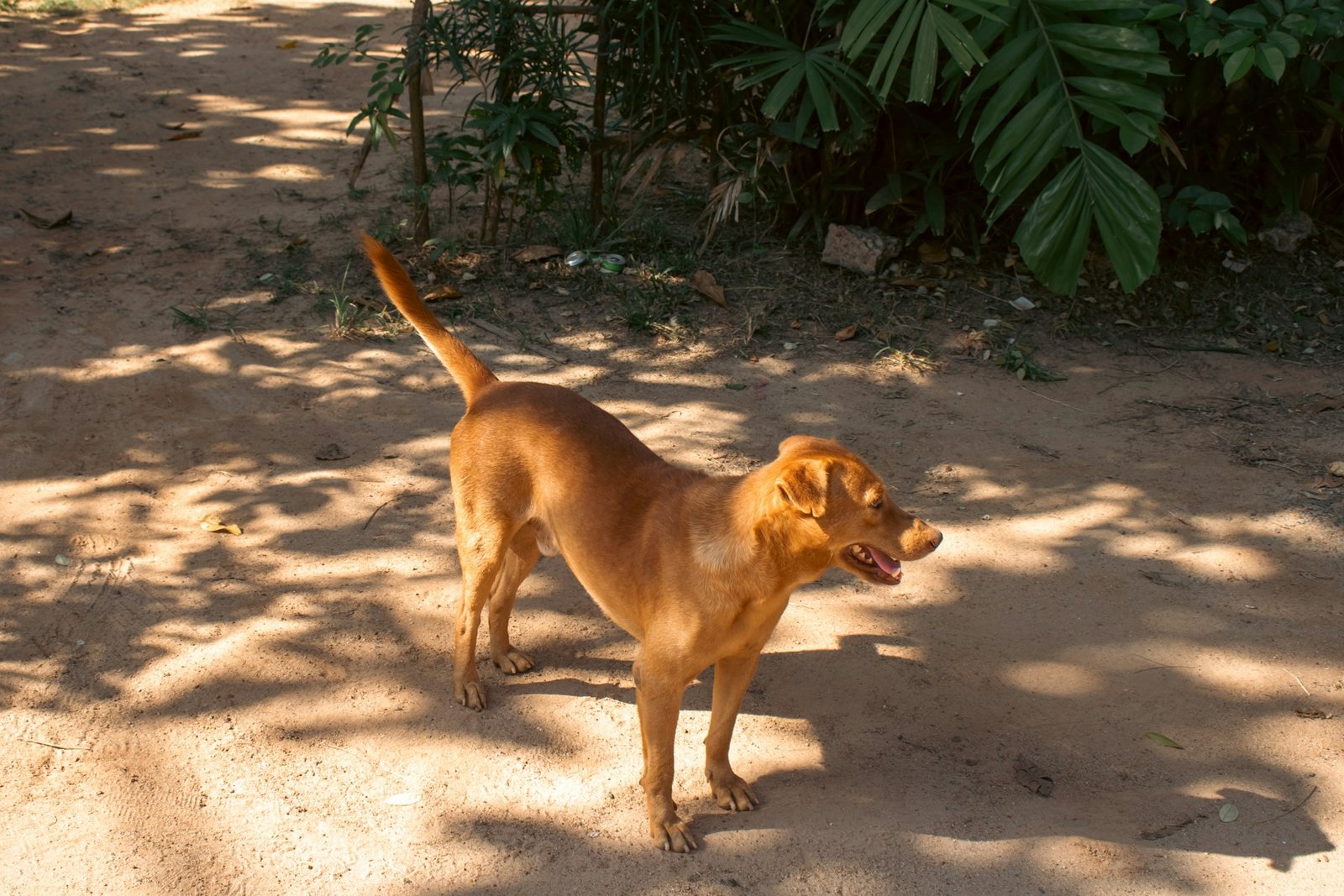
Frightened dogs tend to keep tension in their bodies and erect or low tail movement, accompanied by careful steps. Their facial expression can change rapidly, and their posture is tense. These are signs of discomfort and indicate that the dog is unsure of the surrounding or the situation.
Social Happiness Signals
Social happiness is manifested in open and friendly body language with a supportive, balanced tail position. Dogs are curious and come close, showing trust and interest. The behavior indicates that they are comfortable with the individuals or animals surrounding them and are ready to have positive interactions.
Stress-Related Body Language
Stress will influence the dog’s posture and movement, making it stiff or restless, despite the movement of the tail. The recent behavioral observations of the American Veterinary Medical Association (AVMA) have indicated an increase in the stress-related symptoms of pets in the household. This emphasizes the importance of prompt identification and non-stressful support.
Practical Tips for Dog Owners
Understanding your dog’s tail language is not stressful. All you need is a bit of practice and some simple daily habits that help owners recognize the emotional signs flawlessly.
- Know Your Dog’s Natural Tail Position
Since every breed would carry its tail differently, learning about your pup’s natural posture can help you identify its emotional changes more accurately.
- Observe the Whole Body Together
Observing tail movements only is not sufficient. Keep a watch on their facial expressions, posture, and behavior. This gives you a clear idea of what your pup is really feeling.
- Reward Positive Communication Signals
Praising your dog’s relaxed, friendly behavior will encourage them to communicate clearly. It helps to establish strong trust while reinforcing emotional stability across daily interactions at home or outdoors.
Conclusion
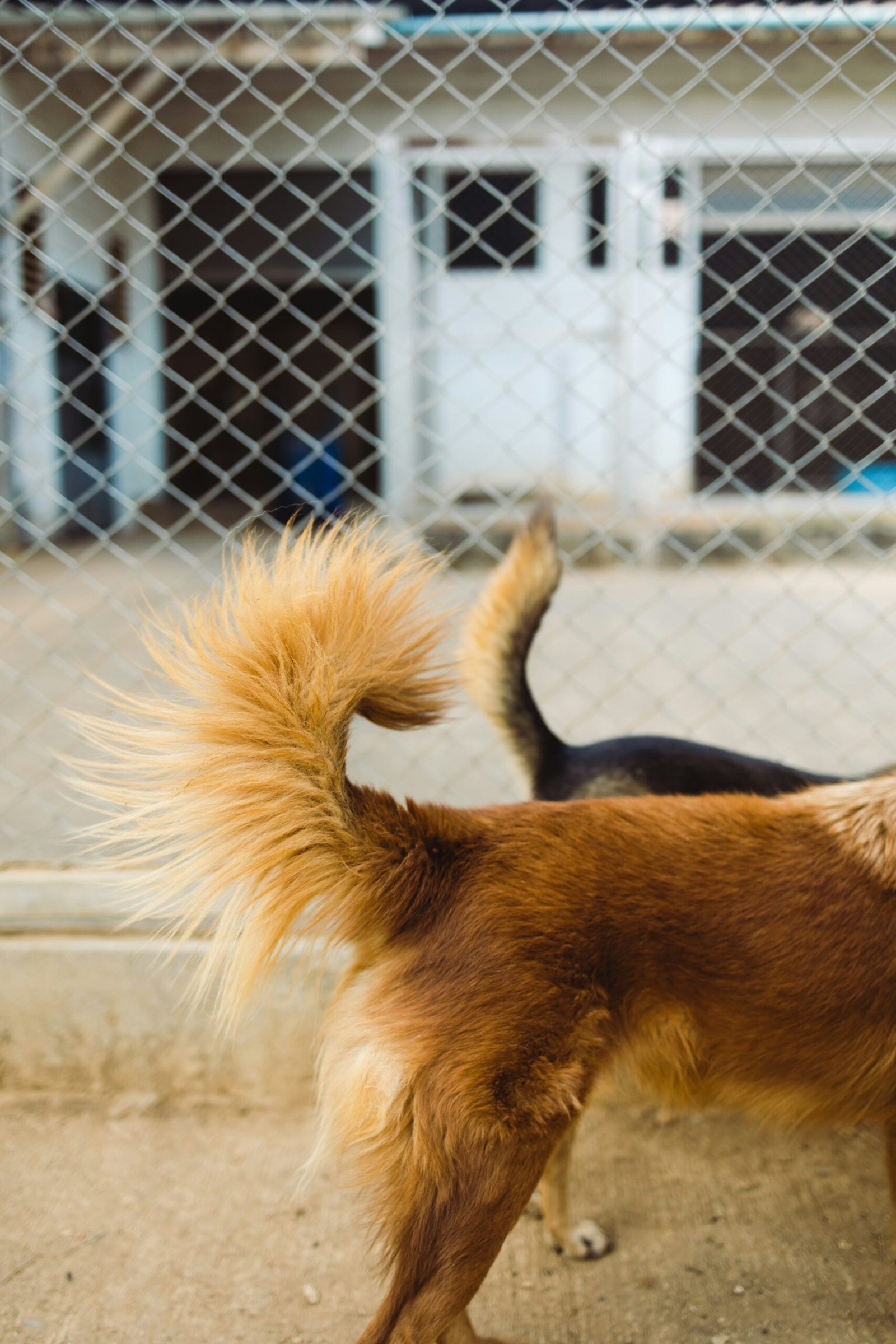
A wagging is never a simple yes-or-no indicator of happiness. It becomes a challenging type of communication shaped through emotions, environments, and experiences.
Your dog will show real happiness through their mix of relaxed tail movement, positive engagement, and comfortable posture. Understanding these signs clearly can help pet owners to respond empathetically, avoid misunderstandings, and ensure that their forever companions are safe as well as understood.