

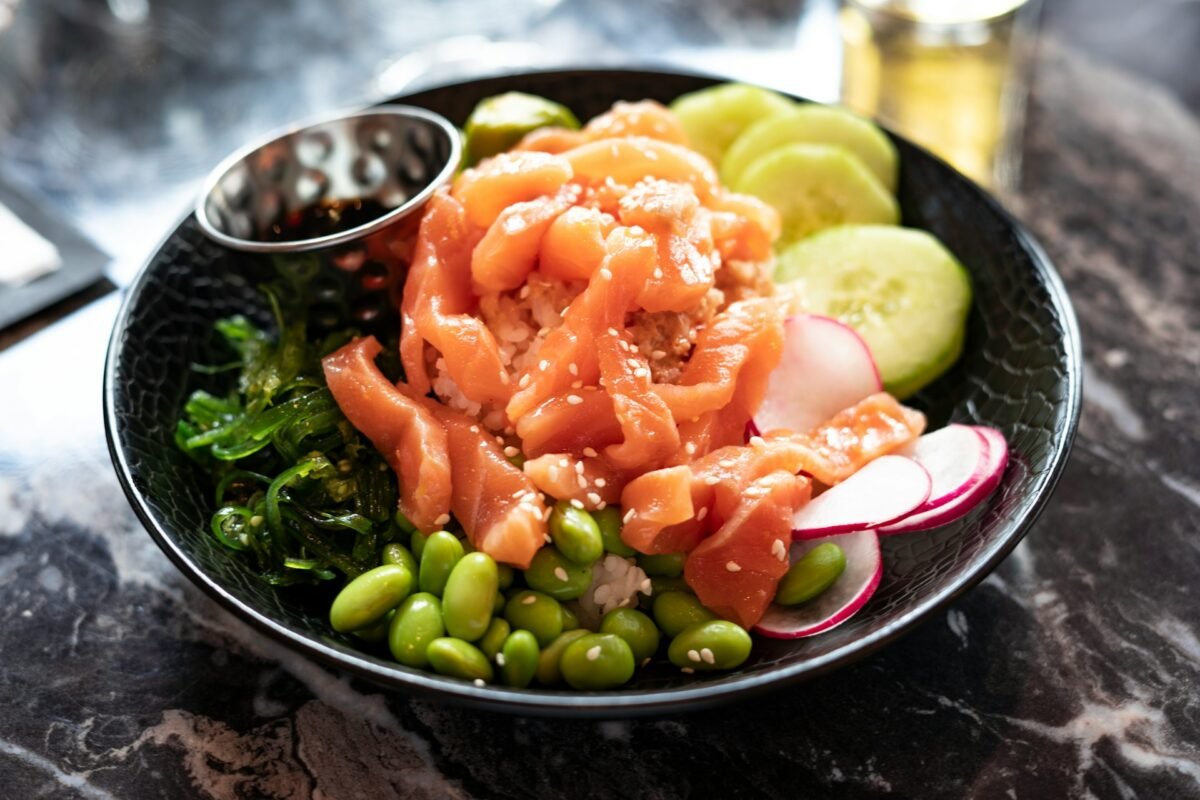

Sustainable seafood is often framed in simple terms: eat less, choose better, support responsible fisheries. But behind every label, certification, and supermarket choice lies a far more complex reality.
As global demand for seafood continues to rise, the real story is not just about the fish themselves, but about the systems that make large-scale, sustainable production possible.
For decades, wild fisheries have carried the weight of global seafood consumption. Today, many of those ecosystems are under pressure, forcing a shift toward aquaculture, the farming of fish and other aquatic species. But modern aquaculture is no longer just about nets in the water or ponds on the outskirts of coastal towns. It has evolved into a highly controlled environment where technology quietly does most of the heavy lifting.

A New Kind of Farming
Unlike traditional agriculture, fish farming operates within a medium that is constantly in motion. Water quality, oxygen levels, temperature, and waste all need to be managed simultaneously. Even small fluctuations can impact fish health, growth rates, and overall sustainability.
To maintain balance, modern aquaculture facilities rely on carefully engineered systems that keep water circulating, filtered, and oxygenated. In many cases, this involves the use of specialized infrastructure, such as a high pressure low volume water pump, which allows operators to precisely control water flow without excessive energy consumption. It is a small detail on the surface, but one that plays a critical role in keeping these ecosystems stable.
The Rise of Controlled Environments
One of the most significant developments in aquaculture is the rise of recirculating aquaculture systems (RAS). These setups allow water to be continuously cleaned and reused, drastically reducing the need for fresh inputs while minimizing environmental discharge.
Inside these systems, everything is monitored. Sensors track oxygen levels, filtration units remove waste, and water is constantly moved through the system to maintain ideal conditions. The result is a farming environment that is less dependent on external variables and more resilient to environmental change.
This level of control is what makes it possible to produce seafood at scale without placing additional strain on already stressed marine ecosystems. It also allows farms to operate closer to urban centers, shortening supply chains and reducing the carbon footprint associated with transportation.
More Than Just Efficiency
While efficiency is a major driver, the benefits of these hidden systems go beyond productivity. Better water management reduces the risk of disease, limits the need for antibiotics, and improves overall animal welfare. For consumers, this translates into a product that is not only more sustainable, but often more consistent in quality. As National Geographic has explored, advances in aquaculture are helping balance growing demand for seafood with the need to reduce pressure on wild fish stocks.
At the same time, these systems are helping reshape how we think about food production. Instead of relying solely on natural abundance, modern aquaculture is increasingly about designing environments where resources are used carefully and waste is minimized.
A Quiet Transformation
What makes this transformation particularly interesting is how invisible it is to most people. When seafood reaches a plate, there is little indication of the infrastructure and technology that made it possible. Yet it is precisely these behind-the-scenes systems that are enabling aquaculture to scale in a responsible way.
Organizations like DESMI are part of this shift, developing solutions that help farms manage water more efficiently and maintain the delicate balance required for sustainable production.
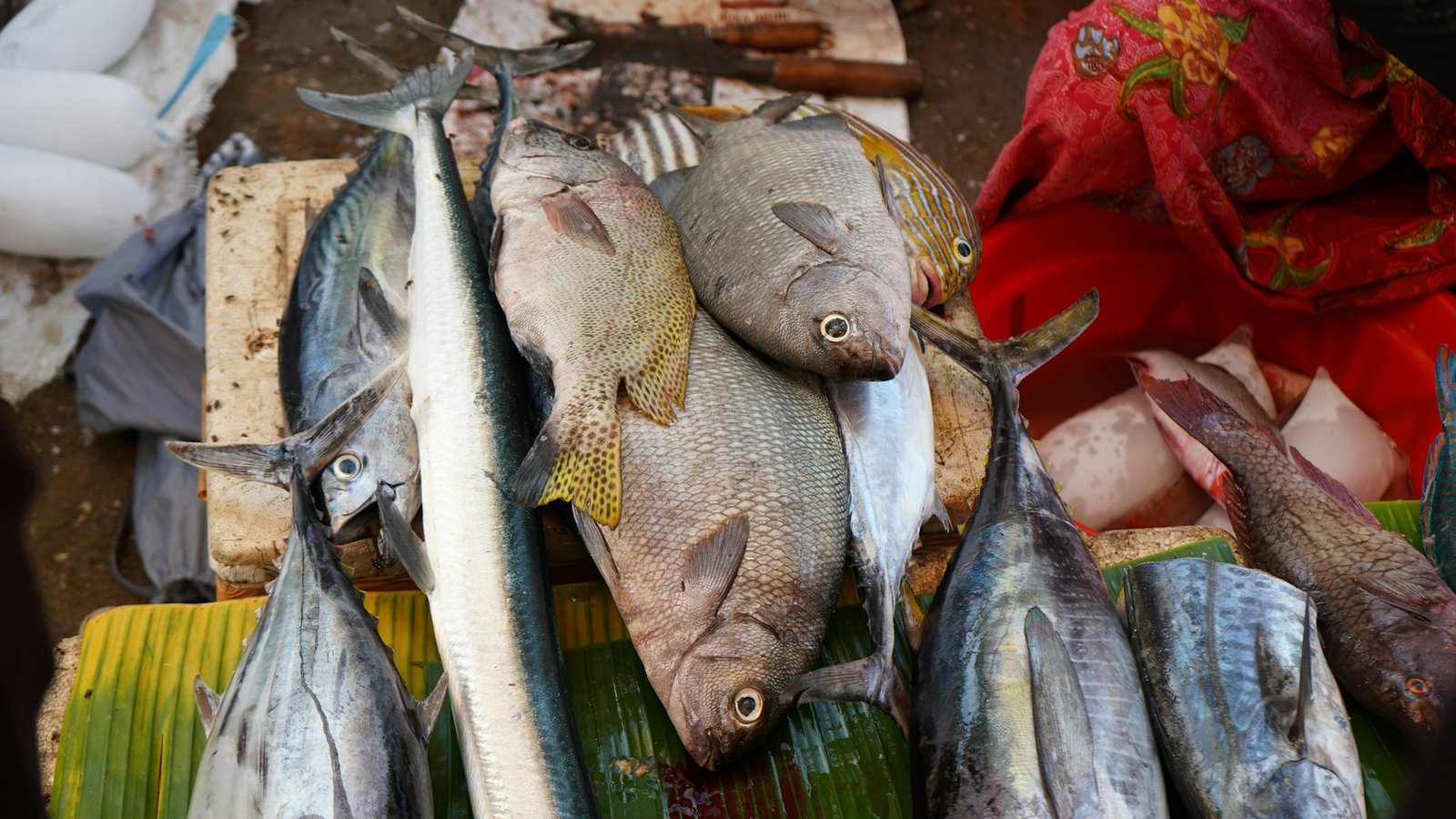
Rethinking What “Sustainable” Means
Sustainability is often associated with what we take out of the environment, but in aquaculture, it is just as much about what we put back, or avoid putting back altogether. Clean water systems, controlled environments, and efficient resource use are redefining what sustainable seafood actually looks like.
As technology continues to evolve, the gap between perception and reality will likely grow. Consumers may still see fish, farms, and oceans, but beneath the surface, a network of carefully designed systems is doing the real work. And in many ways, that is the point. The future of sustainable seafood may not be visible, but it is already in motion, driven by the quiet, essential systems that keep it all running.