





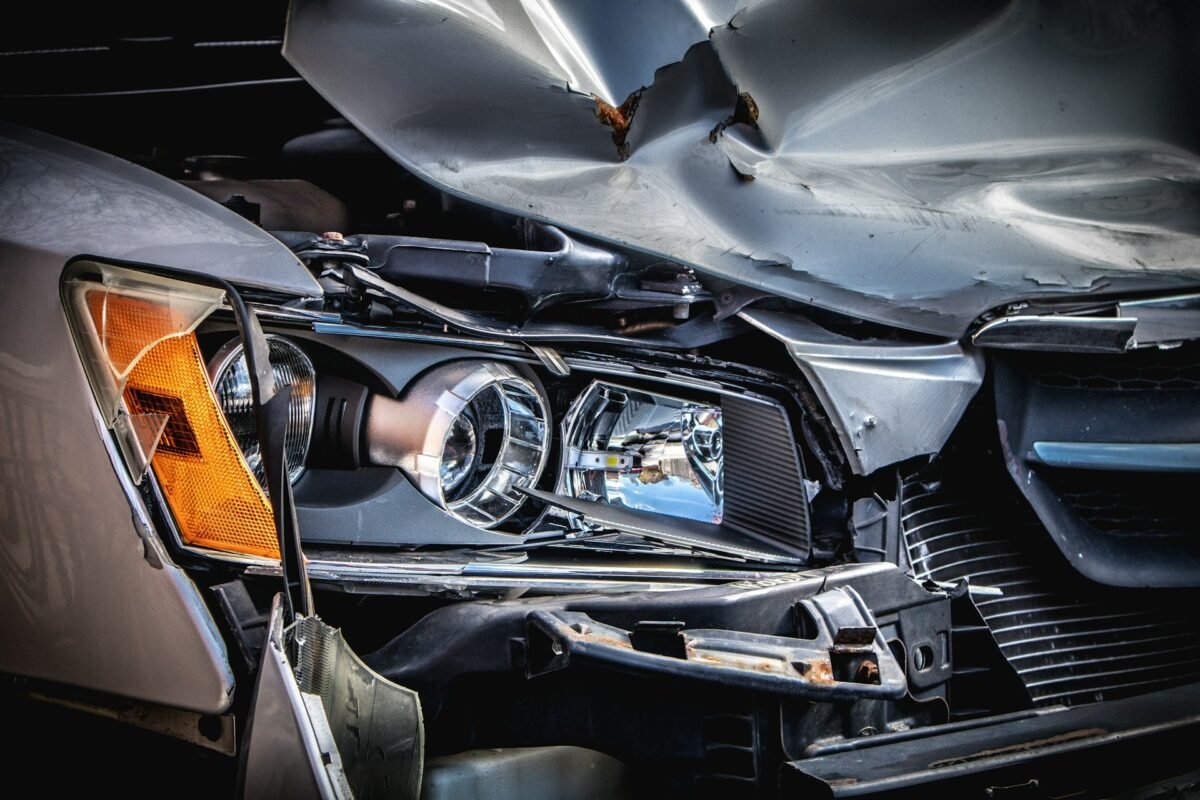

Gathering witness statements after a vehicle collision is often helpful for insurance claims or legal proceedings.
People involved in a crash often experience high levels of stress or physical pain, which can lead to recollections that are difficult to verify or are later challenged.
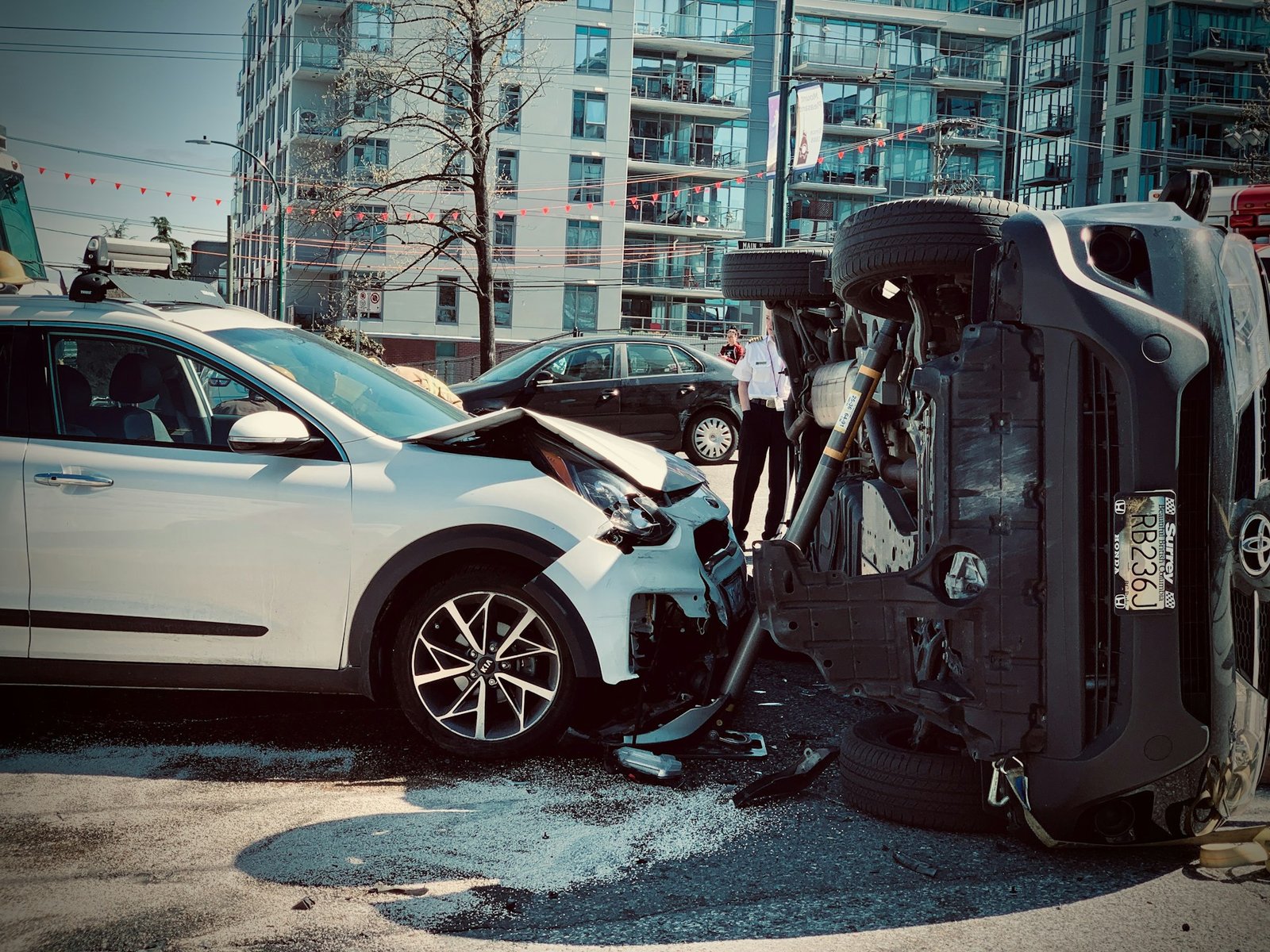
Witnesses who are not involved in the incident provide accounts that are not influenced by personal interest – these accounts help clarify the sequence of events. Following correct procedures to collect information immediately and politely is important for creating a precise record.
Importance Of Witness Statements
Witness statements are a way to establish facts when drivers provide different versions of the same event – these documents often describe specific elements, like the location of vehicles, traffic status, velocity and how the drivers acted before the crash. Because witnesses do not have a personal stake in the outcome, insurance companies and legal workers usually view their observations as impartial and dependable.
People who see an incident can help identify which party is at fault or explain complex events. Evidence about specific actions, like when a person drives through a red signal or uses a phone, is significant for the outcome of an insurance request. Accounts are helpful for insurance companies or legal proceedings if they follow a clear sequence and do not change.
Role Of Witnesses In Establishing Facts
Witnesses are able to help recreate the timeline of an accident in ways that images or physical damage cannot. Their descriptions provide information regarding speed, weather, road dangers or sudden movements by drivers – this viewpoint is particularly useful in accidents involving multiple vehicles where responsibility is not obvious.
The role of a witness is also significant when injuries are not noticed immediately. An account from a neutral person is able to support claims that specific health issues are a direct result of the collision. In some instances, a car accident lawyer Brampton is able to use these statements to dispute insurance evaluations or to assist in negotiations for a person who is injured.
Identifying Potential Witnesses At The Scene
It is helpful to find witnesses quickly because individuals often leave after an event ends. People who observe an incident are often pedestrians, cyclists, drivers, passengers or those who work and live in the vicinity. Statements are more accurate when you identify these individuals immediately.
Identify individuals who observed the collision. Nearby employees and customers are also people who may provide information. Reliability is higher when you interview these individuals immediately in a silent environment – this method is effective because memories are distinct plus are separate from the reports of others.
Approaching Witnesses In A Respectful Manner
Remaining calm and polite is important when talking to witnesses. A professional manner makes people more likely to cooperate and share what they saw. Questions should be simple and direct to prevent confusion and to allow the witness to use their own words.
Pressuring a witness or suggesting a specific version of events is something to avoid. Allowing a person to speak without interference ensures the account is their own. Explaining that their help is useful often makes individuals more willing to provide thorough information.
Collecting Accurate Witness Information
It is helpful to be calm and polite when you speak with witnesses. People are more likely to cooperate plus describe their observations when you are professional. You should ask questions that are simple and direct so that witnesses are not confused but also can provide their own accounts.
It is helpful when investigators ask witnesses to describe observations immediately after an incident occurs. Precise records ensure that specific details remain available for later review. Because some individuals provide statements in writing or through audio recordings, the gathered evidence is more dependable.
Recording Statements In A Reliable Format
Statements from witnesses are most effective when the documentation is clear. You can create useful records – writing notes immediately after an incident – these notes are especially helpful when they include the time, the location and specific facts. Audio recordings are another way for you to capture details that are not in written form.
Organization is necessary when storing the statements – Keeping witness information in the same file as photographs and other records creates a complete set of evidence – this method is valuable during insurance reviews or legal meetings where details are examined closely.
Using Witness Statements In Insurance And Legal Claims
Insurance investigations and legal reviews often use witness statements as primary evidence. Insurers use them to check the truth of claims, assign responsibility and settle disagreements between drivers. When these statements match the physical evidence, they are able to support a claim and contribute to a fair result.
Legal professionals use witness accounts in complex cases to build arguments or to correct mistakes in how an accident is described. A car accident lawyer in Brampton is able to ensure that witness statements are presented correctly during negotiations or in court. Evidence from reliable witnesses is often a significant factor in the resolution of a claim.