

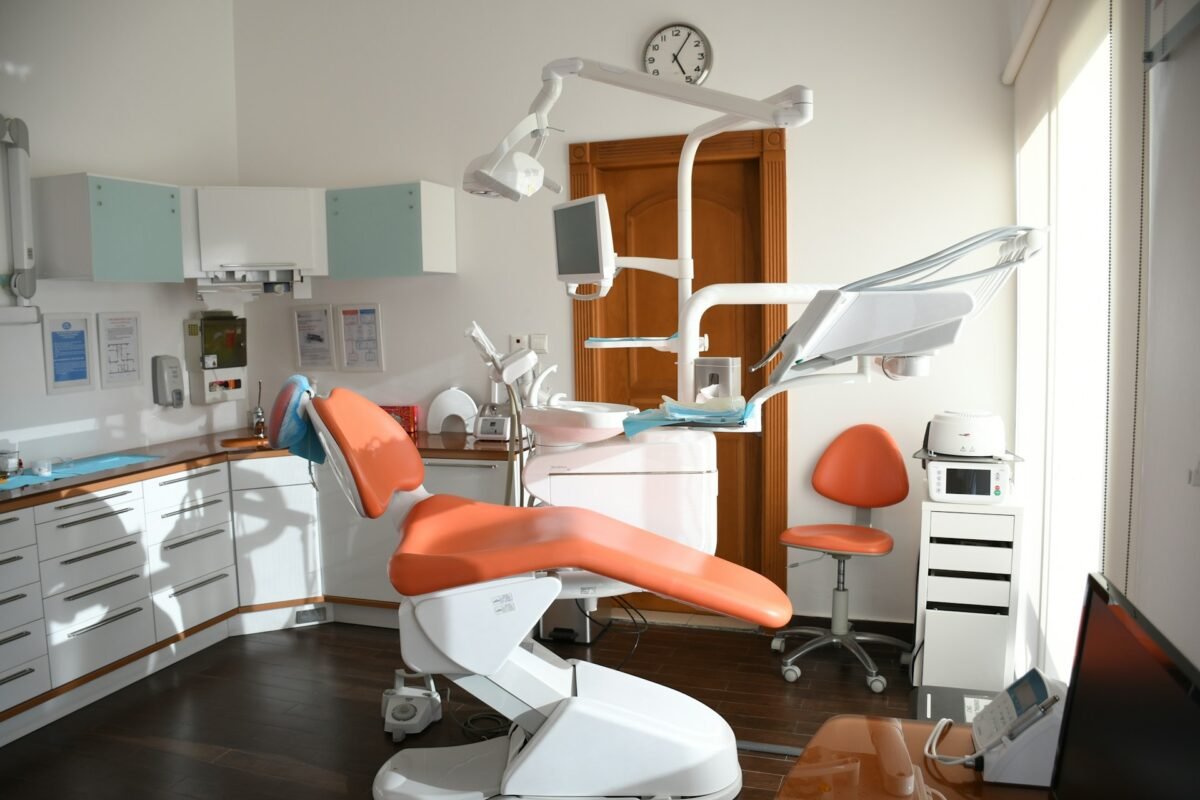

Sedation dentistry remains a practical option for patients who delay treatment because of fear, strong gag reflexes, long procedures, or painful memories from past visits. In 2026, the main question is no longer whether sedation exists.
Patients now want clearer information about safety, preparation, recovery time, and the right level for each visit. A calm appointment starts well before the chair, with screening, planning, and informed expectations.
Why Demand Is Rising
Anxiety still shapes dental behavior in every age group. Many patients postpone cleanings, fillings, or extractions until pain forces action. That pattern can raise costs, extend treatment time, and increase stress. For people comparing local options, sedation dentistry in Las Vegas, NV often enters the discussion when comfort, supervision, and visit efficiency matter as much as the dental procedure itself.
What Sedation Dentistry Means
Sedation dentistry helps patients stay relaxed during care. Most cases involve conscious sedation, which means the patient remains awake and able to respond. The goal is not to sleep in every situation. Instead, the aim is a calmer body, steadier breathing, and less emotional strain while treatment moves forward.
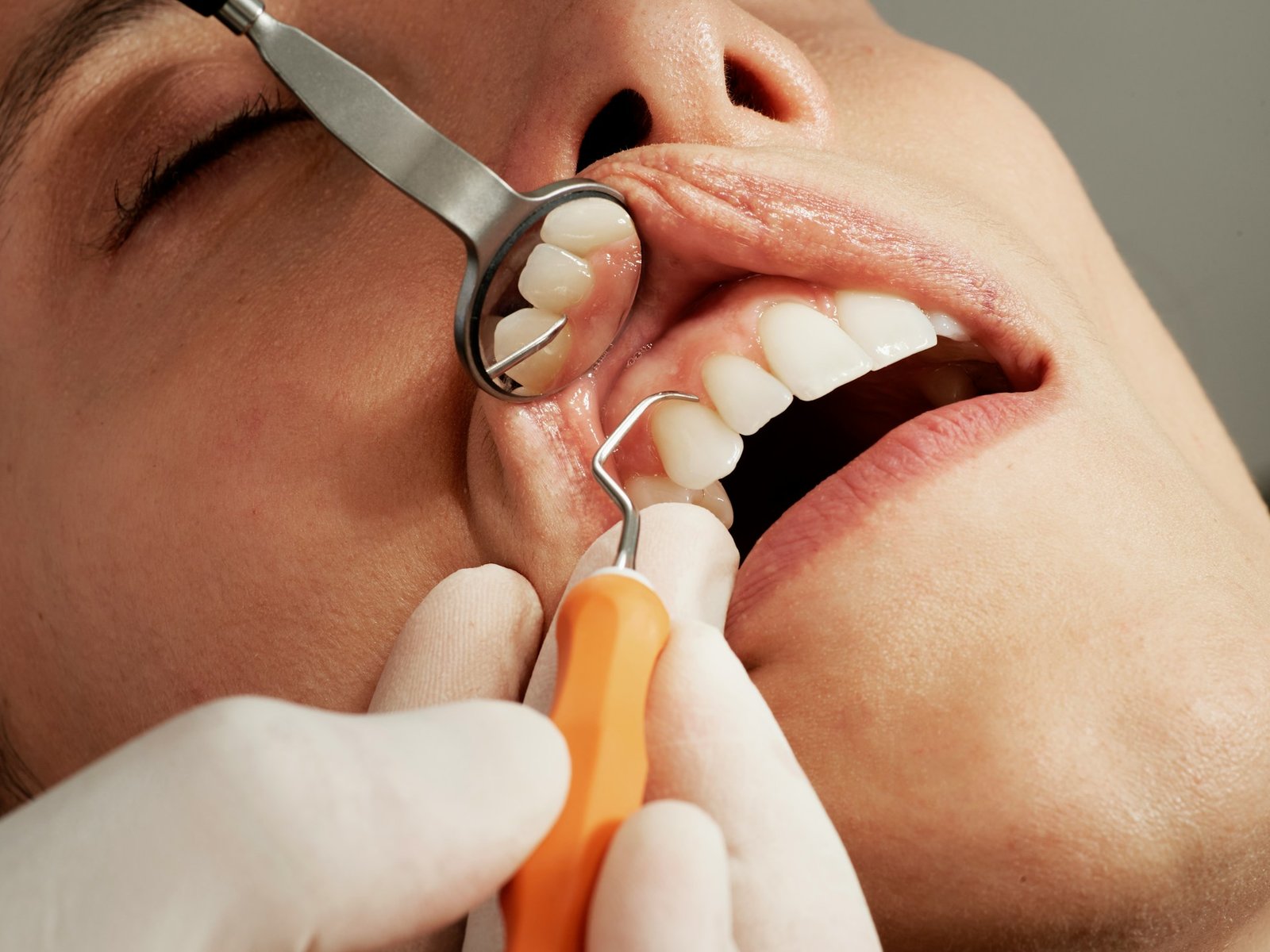
Main Types in 2026
Nitrous oxide remains the lightest common option. Oral sedation uses medication taken before the visit, usually to create deeper calm. Intravenous sedation allows closer dose control during treatment. General anesthesia stays reserved for hospital or surgical settings, where full unconsciousness is medically necessary.
Why Oral Sedation Gets Attention
Oral sedation often appeals to adults with moderate or severe dental fear. The medication is taken before arrival, so relaxation can begin before instruments appear. Many patients also report less memory of the visit. That feature can help break a cycle where anticipation causes more distress than the procedure itself.
Who May Benefit Most
Patients with strong anxiety are obvious candidates. People with sensitive gag reflexes may also benefit. Longer appointments can feel easier under monitored sedation. Those with extensive treatment needs sometimes choose this path because it allows more work in fewer visits, which may reduce repeated stress across several weeks.
Screening Comes First
A proper review matters before any sedative is prescribed. Dentists usually assess medical history, current medications, allergies, weight, airway concerns, and past reactions. Sleep issues, heart conditions, and breathing disorders can change the plan. Safe care depends on matching the method to the person, not the procedure alone.
Questions Patients Should Ask
Patients should ask which sedative is proposed and why. Recovery time deserves equal attention. They should also ask who monitors vital signs, what side effects are common, and when regular food or medicines can resume. A clear answer about transportation home is essential before the appointment is booked.
What Preparation Usually Involves
Preparation is often simple, but it must be followed closely. Patients may need to avoid food for a set period, adjust certain medicines, and arrange an escort home. Comfortable clothing helps. Offices also want a confirmed contact person, since drowsiness can last for several hours after oral medication.
What Happens During the Visit
Chairside monitoring is a core safety step. Staff usually track breathing, blood pressure, pulse, and response level throughout treatment. With oral sedation, patients generally stay awake yet deeply relaxed. Time may seem shorter than expected. That shift can make routine care, crowns, root canals, or extractions feel more manageable.
Recovery and Same-Day Limits
Recovery does not end when treatment stops. Oral sedatives can affect coordination, judgment, and memory for the rest of the day. Driving is generally not allowed. Work meetings, financial decisions, and exercise should wait. Most patients benefit from rest, water, light meals, and a quiet schedule until effects fade.
Safety Signals Patients Should Notice
A careful office explains instructions in plain language before the visit. Staff should confirm escort plans and review medication timing. During treatment, monitoring should be visible and organized. Afterward, discharge guidance should cover warning signs, expected drowsiness, and a phone number for concerns. Clear systems often reflect safer care.
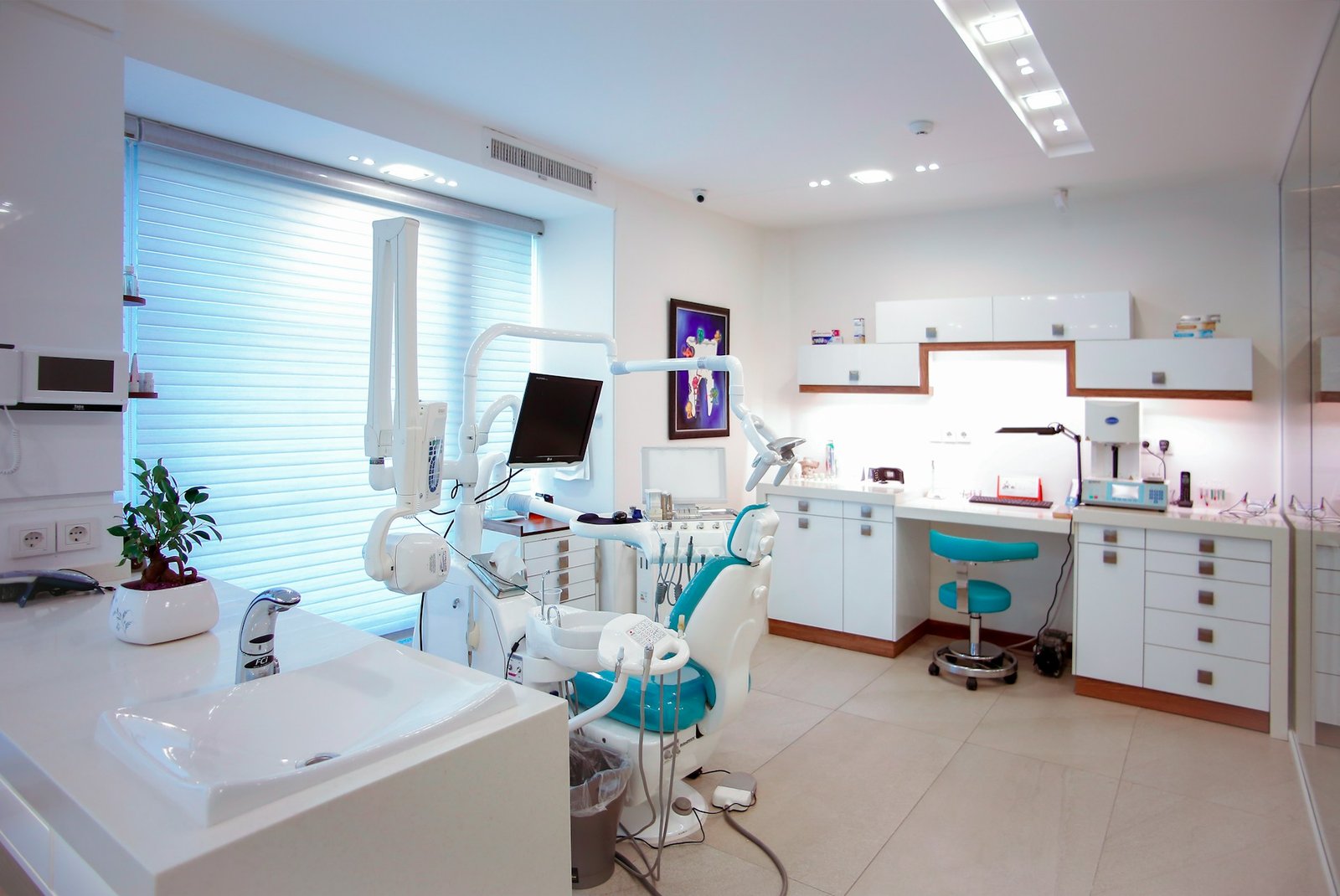
Cost and Value Factors
Price varies by method, appointment length, and case complexity. Nitrous oxide often costs less than oral or intravenous options. Still, value should be judged by more than a single fee. If sedation allows needed treatment to happen earlier, patients may avoid larger restorative costs that follow years of avoidance.
Choosing the Right Provider
Training, communication, and screening standards matter more than marketing language. Patients should look for a dentist who explains the plan calmly and answers practical questions without rushing. Written instructions are useful. Consistent follow-through, from consultation to recovery, can tell patients whether the office treats sedation as a serious clinical service.
Conclusion
Sedation dentistry in 2026 is best viewed as a structured care option, not a shortcut or luxury. The strongest outcomes come from honest screening, the right sedation level, and careful recovery planning. Patients who understand those steps can approach treatment with less fear and more control. Before the chair ever reclines, the safest choice is a provider who explains each phase clearly and treats comfort as part of clinical quality.