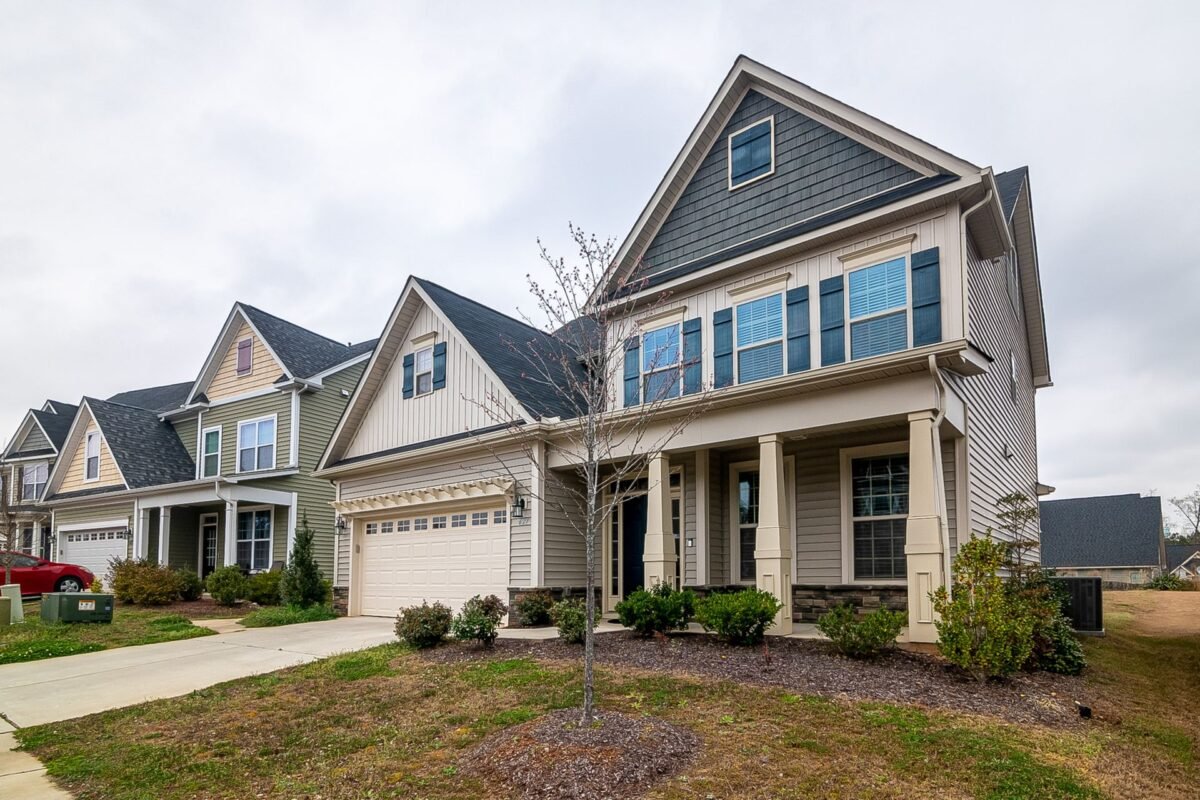

Let’s face it, most homeowners do not think much about maintenance until a problem shows up. A leaking faucet, an air conditioner that stops cooling, or a damaged roof can quickly turn into an expensive repair. The good news is that many of these issues can be avoided with a little planning and regular upkeep.
Preventive maintenance is simply the habit of checking and caring for different parts of your home before problems develop. It helps protect your investment, reduces the risk of costly repairs, and keeps your home running smoothly throughout the year. For homeowners in Orlando, regular maintenance is especially important because homes are exposed to heat, humidity, heavy rainfall, and seasonal storms.
The best part is that preventive maintenance does not have to take a lot of time. Small efforts throughout the year can make a big difference in the long run.
Pay Attention to Your Roof and Gutters
Your roof is one of the most important parts of your home because it protects everything underneath it. Even minor roofing issues can allow moisture to enter the home, leading to costly damage if left untreated. A good habit is to visually inspect your roof several times a year. Look for missing shingles, damaged flashing, sagging areas, or signs of wear. It is also smart to check your roof after severe weather since strong winds and heavy rain can cause damage that may not be obvious at first.
Many homeowners choose to schedule periodic inspections with a trusted roofing company in Orlando to identify potential concerns before they become major problems. Professional inspections can help uncover issues that are easy to miss during a basic visual check. Gutters are just as important as the roof itself. When gutters become clogged with leaves, dirt, and debris, water cannot flow away properly. This can lead to water pooling around the home and creating damage over time. Keeping gutters clean helps protect the roof, siding, and foundation.
Check Plumbing Before Problems Start
Plumbing problems often begin quietly. A small leak may not seem like a big concern, but over time, it can lead to water damage, mold growth, and expensive repairs. Take time to inspect faucets, sinks, exposed pipes, and water supply lines for signs of leaks or corrosion. Pay attention to changes in water pressure and investigate any unexplained increases in your water bill.
Water heaters should also be inspected regularly. Flushing the tank when recommended and checking for signs of wear can help improve efficiency and extend the unit’s lifespan. Catching plumbing issues early is one of the most effective ways to prevent larger household problems.
Keep HVAC Systems Running Efficiently
Your heating and cooling system works hard throughout the year. Without proper maintenance, it can lose efficiency and become more expensive to operate. One of the simplest things homeowners can do is replace air filters regularly. Dirty filters restrict airflow and force the system to work harder than necessary. There are a few clear warning signs that indicate your filter needs replacing, and catching them early can increase energy costs and place unnecessary strain on equipment.
It is also important to keep vents clean and make sure furniture or other objects are not blocking airflow. Scheduling routine professional maintenance can help identify small issues before they affect system performance. A well-maintained HVAC system not only improves comfort but can also last longer, helping homeowners avoid premature replacement costs.
Protect Your Home’s Exterior
The exterior of your home is constantly exposed to weather and environmental conditions. Regular inspections can help identify small issues before they become costly repairs. Check siding for cracks, loose sections, or signs of moisture damage. Inspect windows and doors for worn seals or gaps that may allow air and water to enter. Keeping exterior surfaces in good condition helps protect the structure of the home while also maintaining curb appeal. Simple repairs completed early are often much less expensive than major restoration projects later.
Don’t Forget Safety Systems
Preventive maintenance is not limited to physical structures and mechanical systems. Safety equipment also requires regular attention. Test smoke detectors and carbon monoxide detectors at least once a month to ensure they are functioning properly. Replace batteries as needed and follow manufacturer guidelines for replacement schedules.
Check fire extinguishers periodically to confirm they are fully charged and easily accessible. Reviewing emergency plans with family members is another simple but valuable step. These small tasks take very little time but can play a major role in keeping your household safe.

Maintain Outdoor Spaces
Outdoor maintenance contributes to the overall health of your property. Neglecting landscaping and drainage can create problems that eventually affect the home itself. Trim tree branches that hang close to the house and remove dead or damaged limbs that could fall during storms. Keep shrubs and plants from growing too close to siding and other exterior surfaces.
Pay attention to drainage after heavy rain. Water should move away from the home rather than collecting near the foundation. Proper drainage helps reduce the risk of moisture-related issues and structural concerns. Routine yard maintenance not only improves appearance but also helps prevent avoidable damage.
Create a Seasonal Maintenance Checklist
One of the easiest ways to stay organized is by creating a seasonal maintenance schedule. Instead of trying to handle everything at once, divide tasks throughout the year. Spring is a great time to inspect your home’s exterior and clean areas that may have collected dirt and debris. Summer can be used to focus on cooling systems and outdoor spaces. Fall is ideal for preparing your home for changing weather conditions, while winter is a good time to inspect indoor systems and complete smaller maintenance tasks.
A seasonal checklist makes preventive maintenance feel less overwhelming and helps ensure that important tasks are not forgotten.
Taking a proactive approach to home maintenance can save money, reduce stress, and help you avoid unexpected repairs. By paying attention to important systems and addressing small concerns early, you can keep your home in excellent condition for years to come. Preventive maintenance may seem simple, but it remains one of the smartest investments a homeowner can make.