
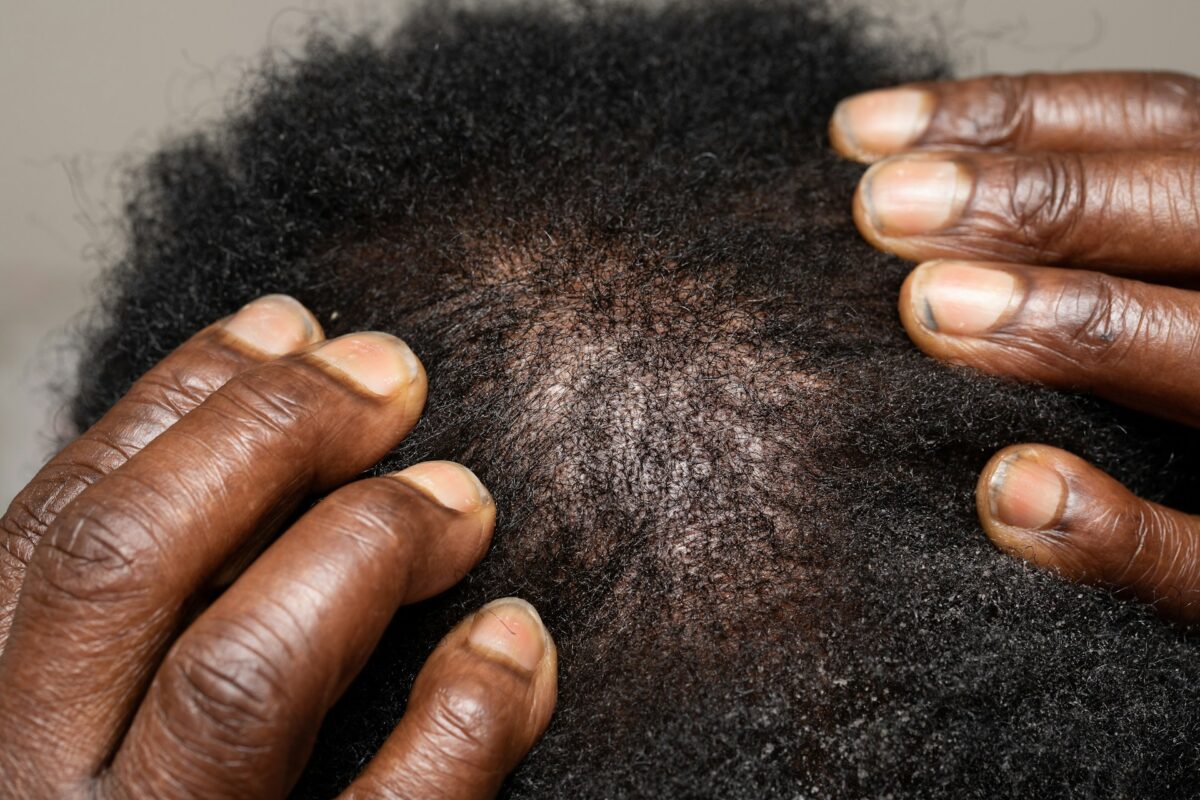

When men first consider wearing a hair system, one of the biggest questions is not always about appearance.
It is about scalp health. Many beginners wonder:
Will wearing a hair system make my scalp itchy?
Can it cause acne or irritation?
Will it damage my remaining natural hair?
These concerns are completely understandable. After all, a hair system sits directly on the scalp for extended periods, and anything that affects the skin environment deserves careful consideration.
The honest answer is that a properly selected and maintained hair system should not automatically cause scalp problems or accelerate hair loss. However, like any product that sits on the skin, improper use, poor hygiene, or choosing the wrong system can create discomfort.
Understanding the real causes behind these issues is the key to having a comfortable wearing experience.
Does a Hair System Cause Scalp Itchiness?
Scalp itching is one of the most common complaints from new hair system users, but the cause is usually not the hair system itself.
In most cases, itching comes from factors such as:
- Poor scalp cleaning
- Sweat buildup
- Adhesive residue
- An unsuitable attachment method
- A base material that does not match the wearer’s lifestyle
A hair system creates a different environment compared with natural hair. Since the scalp is partially covered, moisture and oil may build up more easily if the maintenance routine is not adjusted. For example, someone who exercises frequently or lives in a hot climate may need more frequent cleaning compared with someone who spends most of their time indoors.
The solution is usually not removing the hair system entirely. It is improving the routine around it.
How Base Material Affects Scalp Comfort
The type of base plays an important role in comfort.
Different materials create different scalp experiences.
Lace bases are popular among active wearers because they allow more airflow. The open structure helps reduce heat buildup and can feel lighter during long wear.
Skin or polyurethane bases provide a smooth surface that many users appreciate because they are easier to clean and maintain. However, thicker skin bases may feel warmer because airflow is more limited.
For men who are prone to sweating, choosing a breathable base can make a noticeable difference.
This is why choosing a hair system for men should always involve lifestyle considerations, not just appearance preferences.
A system that looks great but does not fit your daily routine may become uncomfortable over time.
Can Hair Systems Cause Acne?
Scalp acne or small bumps are usually related to clogged pores, bacteria buildup, sweat, or irritation rather than the hair system itself.
When the scalp environment changes, some users may experience temporary skin reactions, especially if they do not clean the scalp regularly.
Common causes include:
Leaving sweat trapped under the system
Using too much adhesive
Not removing adhesive residue completely
Using products that irritate the scalp
A good maintenance routine can significantly reduce these risks.
Before reinstalling a system, the scalp should be properly cleaned. The base should also be cleaned regularly to prevent product buildup.
The goal is to maintain a healthy balance between secure attachment and scalp cleanliness.
Does Wearing a Hair System Cause More Hair Loss?
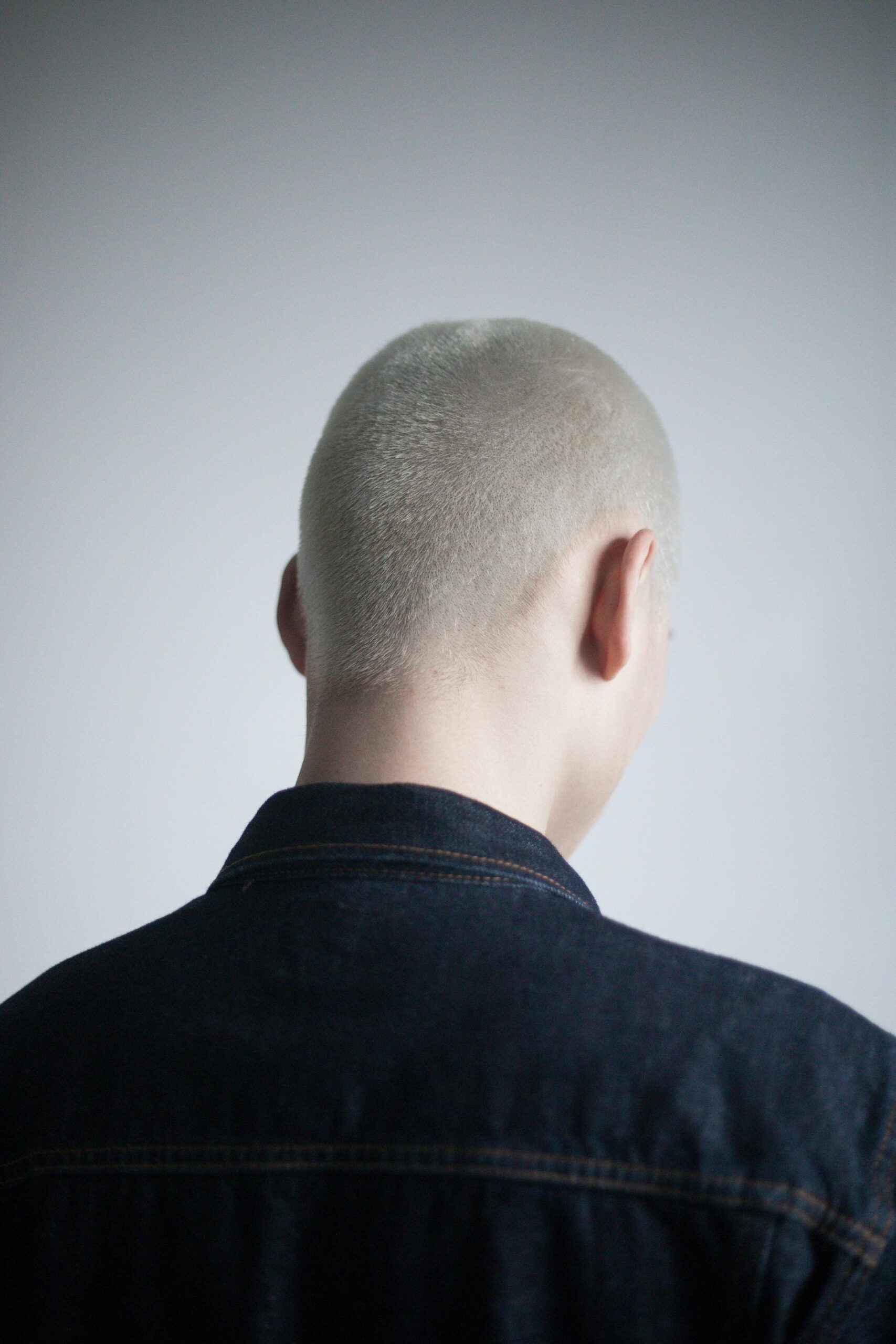
This is probably the biggest concern among men considering hair replacement. The short answer is: a properly worn hair system should not directly cause permanent hair loss.
Male pattern hair loss is mainly caused by genetics and hormonal factors, not because a person wears a hair system. However, improper attachment or poor maintenance can potentially affect existing hair. For example, excessive tension from clips, aggressive removal of adhesive, or repeatedly pulling on fragile hair can create unnecessary stress. This is why professional fitting and proper removal techniques matter.
A good hair system should work with your scalp, not against it.
The Importance of Choosing the Right Attachment Method
Attachment is one of the most overlooked parts of the wearing experience.
Different men have different needs.
Some prefer stronger attachment because they exercise, travel, or need long wear periods.
Others prefer easier removal because they want more frequent scalp breaks.
The wrong attachment method can create problems.
Too much adhesive can lead to buildup and irritation.
Too much tension can create discomfort.
A system that is too tight may feel secure initially but become uncomfortable after several hours. The best attachment method is one that provides enough security while still allowing proper scalp care.
How to Prevent Itchiness and Irritation
A comfortable hair system routine usually comes down to consistency. Some important habits include:
Keep Your Scalp Clean
A clean scalp is the foundation of comfortable wear.
Sweat, oil, and product residue should not be allowed to accumulate for long periods.
Choose Breathable Materials
If you sweat often, consider a more breathable base option.
The right material can make a major difference in daily comfort.
Avoid Excessive Adhesive
More adhesive does not always mean better results.
Using too much product can make cleanup harder and increase the chance of irritation.
Give Your Scalp Proper Breaks
Some wearers prefer removing their system regularly to clean both the scalp and the base thoroughly.
This helps maintain a healthier wearing environment.
How Quality Impacts the Wearing Experience
Not all hair systems are created equally.
Lower-quality systems may have issues such as:
- Poor ventilation
- Rough base materials
- Uncomfortable construction
- Weak attachment compatibility
These problems can affect comfort even if the hair itself looks attractive.
Premium systems usually focus more on balancing appearance, durability, and wearability. For example, brands like TopUniqueHair design different men’s hair systems with various base options, allowing users to choose based on their scalp needs, lifestyle, and preferred maintenance routine.
The goal is not simply to cover hair loss.
It is to create a system that feels natural enough to become part of everyday life.
Common Mistakes New Wearers Make
Many scalp problems come from mistakes during the adjustment period.
Some common examples include:
- Wearing the same attachment too long without cleaning
- Ignoring early signs of irritation
- Choosing a base without considering climate or activity level
- Removing the system too aggressively
- Using unsuitable hair or scalp products
- A hair system is not a “wear it and forget it” product.
Like natural hair, it requires care.
The difference is that the care routine focuses on both the scalp and the system.
What a Healthy Hair System Experience Should Feel Like
A properly fitted hair system should feel secure but not uncomfortable.
You should be able to:
Move naturally
Exercise comfortably
Maintain normal scalp hygiene
Style your hair confidently
Forget that you are wearing it
That last point is important.
The best hair systems are not constantly noticeable to the wearer. They become part of the routine.
If you are always aware of itching, tightness, or discomfort, something about the system, attachment, or maintenance routine may need adjustment.
Final Thoughts
So, does wearing a hair system for men cause scalp itchiness, acne, or further hair loss? The answer is not automatically.
Most problems come from incorrect maintenance, poor attachment choices, unsuitable materials, or ignoring scalp health.
A well-designed system combined with proper care can be comfortable, natural-looking, and compatible with a healthy scalp routine.
The key is choosing a system that matches your lifestyle and learning how to maintain both your scalp and the hair system properly.
A hair system should not create more problems. When chosen and cared for correctly, it should help men regain confidence while feeling comfortable every day.