


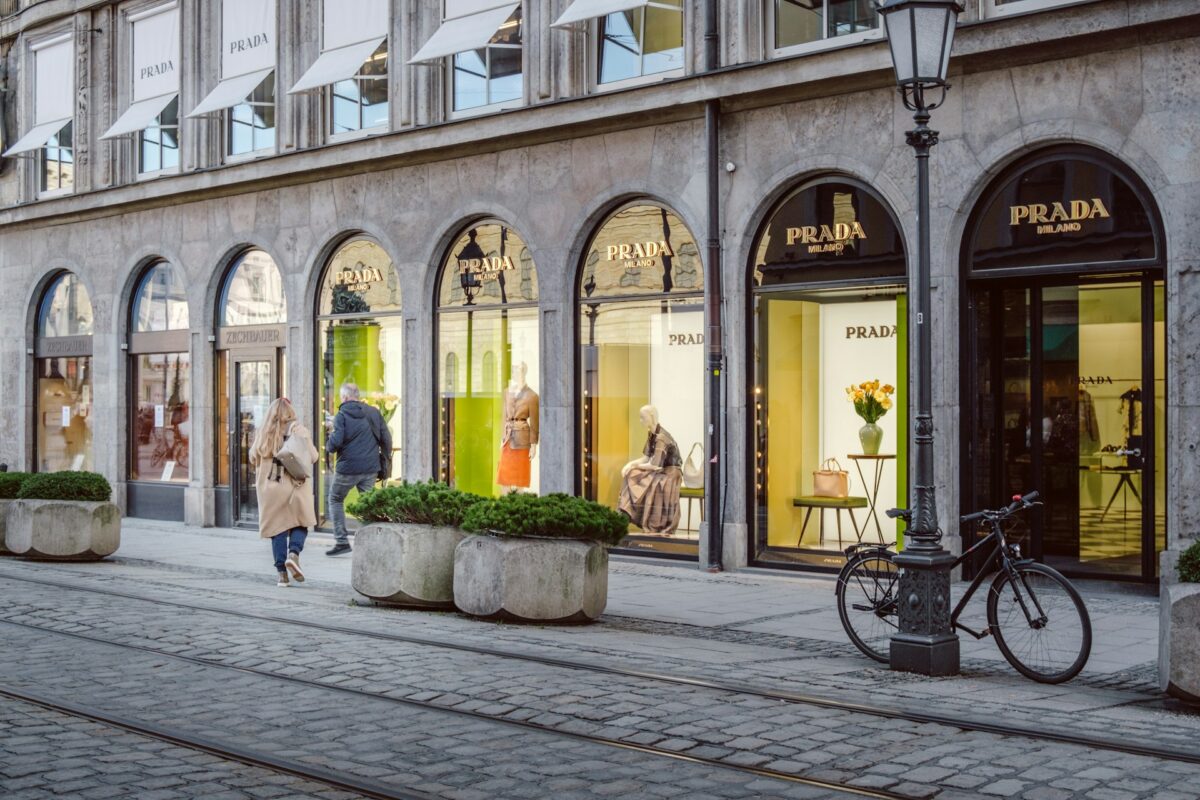

Walk down Rodeo Drive on a sunny afternoon and something curious becomes apparent. Many of the people stepping into luxury boutiques have no intention of making a purchase.
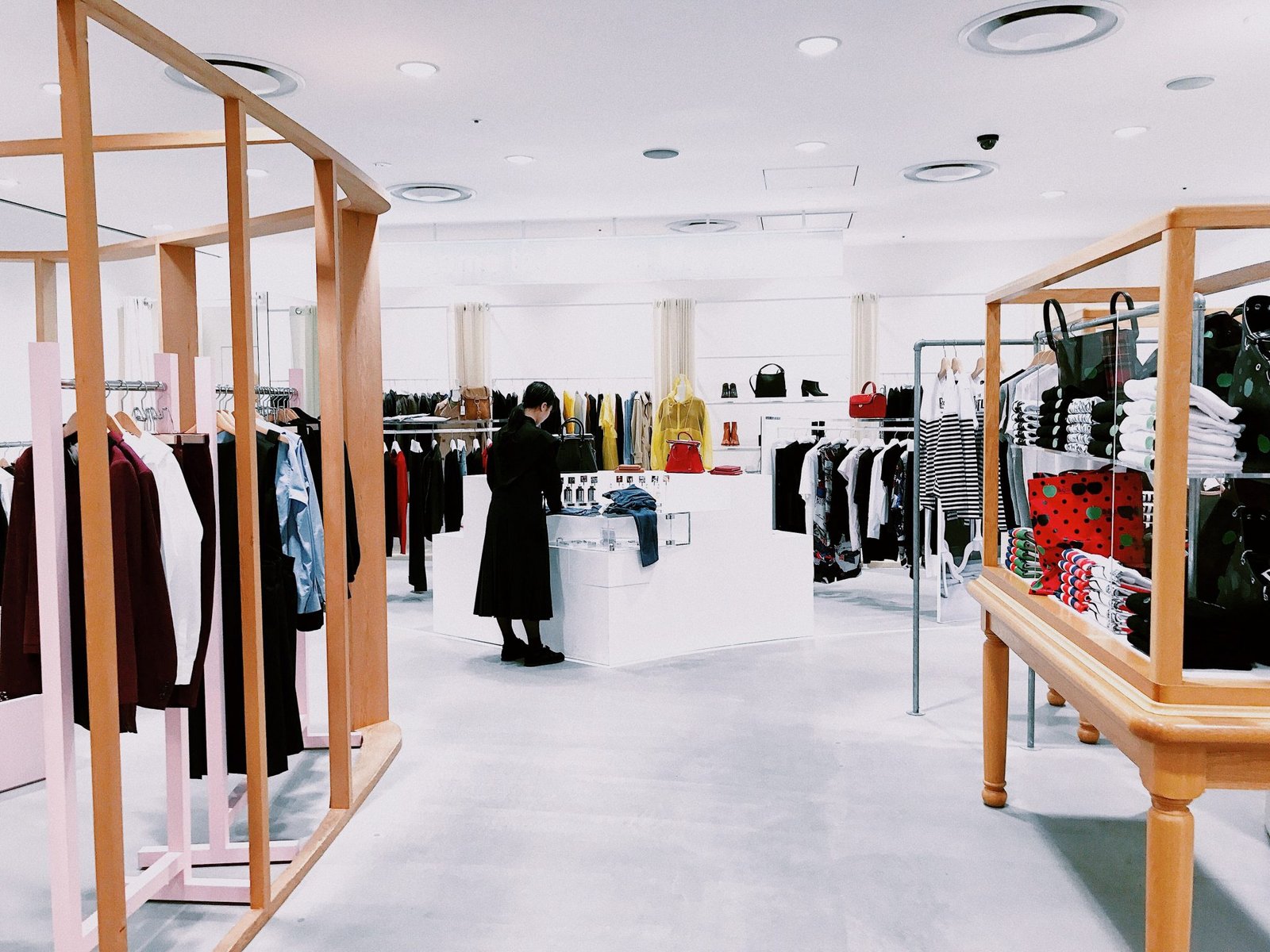
They browse collections they already discovered online. They photograph interiors. They admire window displays, linger for a few minutes and move on. Some leave with shopping bags. Many leave with nothing at all. Yet luxury brands continue to spend extraordinary sums securing these addresses. At first glance, it makes little sense. If consumers can purchase almost any luxury product from their phones, why are brands still investing so heavily in physical retail? The answer reveals something larger happening across the luxury industry. Increasingly, luxury stores are no longer designed simply to sell products. They are designed to create experiences.
The Store Has Become Part of the Product
For much of the twentieth century, luxury retail was built around access. If you wanted a particular handbag, dress or piece of fine jewellery, there was only one place to find it. Visiting a flagship boutique was often a necessity rather than a choice.
Today, that reality has changed.
Consumers arrive at stores having already researched collections, compared prices and watched products being reviewed across multiple platforms. In many cases, the purchase decision has already been made before they step through the door.
What cannot be replicated online is atmosphere.
The architecture, service, lighting, music and even the pace of interaction now play an increasingly important role in shaping how consumers perceive a brand. A luxury boutique is becoming less of a point of sale and more of a physical manifestation of identity. In other words, the store itself has become part of the product.
Why Place Still Matters
This shift helps explain why certain locations continue to hold remarkable influence despite the growth of e-commerce. Few destinations illustrate this better than Beverly Hills.
Rodeo Drive remains one of the most recognisable luxury retail corridors in the world, not simply because of the brands located there but because of what the location represents. It sits at the intersection of fashion, entertainment, tourism and cultural aspiration. For international visitors, it is often experienced as much as it is shopped.
Luxury brands understand this.
A flagship presence in Beverly Hills is not merely a commercial decision. It is a statement about positioning, visibility and participation in a broader luxury ecosystem. The address itself communicates something.
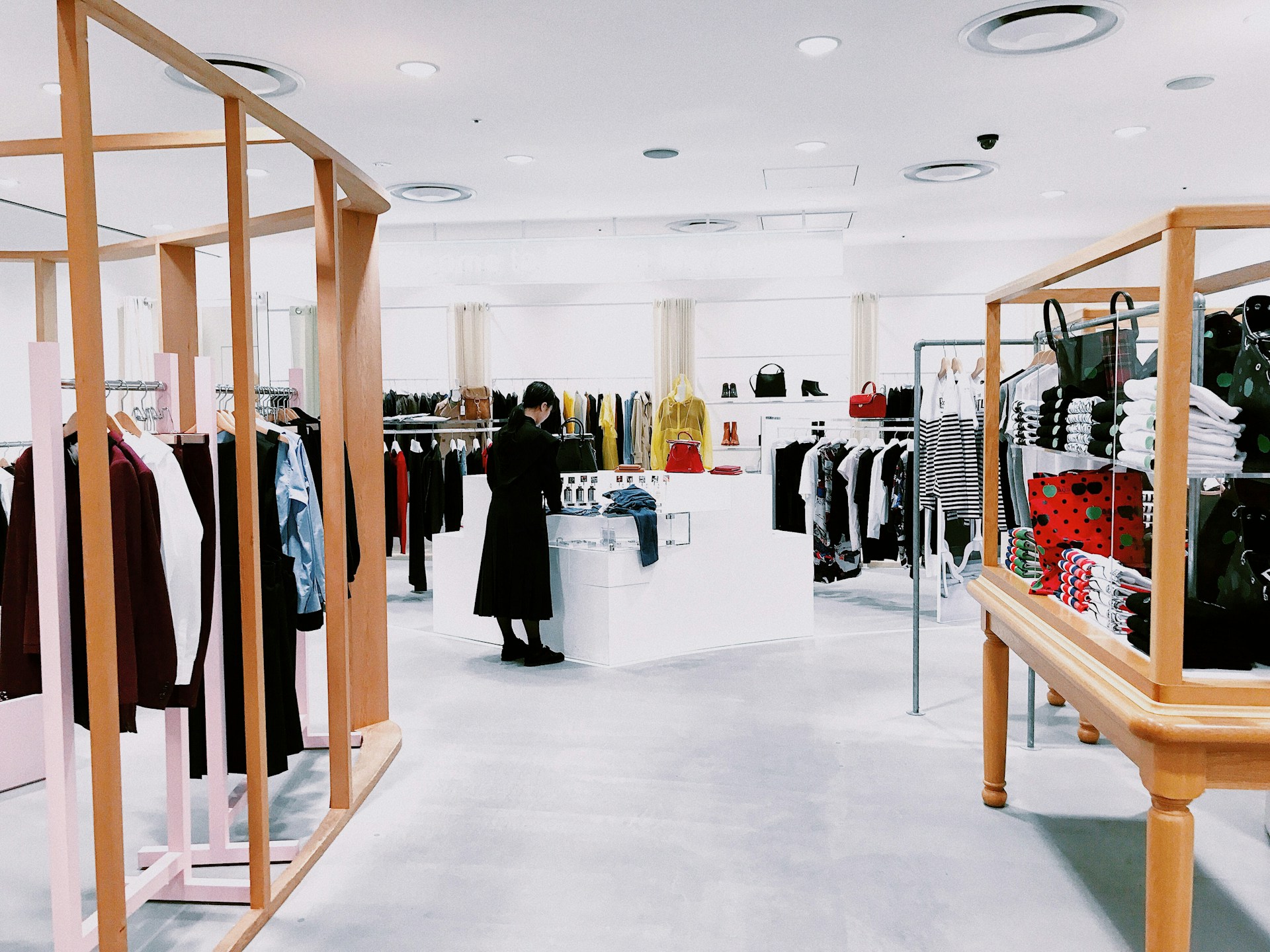
The Experience Economy Arrives in Luxury Fashion
This evolution mirrors wider changes in consumer behaviour. Across industries, people increasingly place value on memorable experiences rather than ownership alone. Restaurants, hotels and travel brands have responded by creating more immersive and personalised environments.
Luxury fashion is moving in the same direction.
The most successful boutiques today focus less on transactions and more on relationships. Clients are offered private appointments, personalised styling, exclusive events and highly tailored service. The goal is not simply to sell a product but to create an emotional connection. In an era where products are accessible from almost anywhere, experience has become a powerful differentiator.
The Return of Substance
At the same time, consumers are becoming more discerning. Luxury shoppers are asking more questions about craftsmanship, provenance and quality than they did a decade ago. They want to understand where products are made, how they are constructed and what expertise sits behind the finished piece. This growing interest in substance has benefited brands with genuine manufacturing heritage. Italian fashion houses, in particular, continue to draw strength from traditions built on artisanal production, textile expertise and technical craftsmanship. In a market increasingly crowded with marketing messages, authenticity carries weight.
Consumers may still buy into aspiration, but they increasingly expect evidence.
Where Craftsmanship Meets Experience The most successful luxury brands are recognising that experience and craftsmanship are no longer separate conversations.n One creates emotional value. The other creates tangible value.
Brands such as Ermanno Scervino illustrate how these two elements can work together. Founded in Florence, the house has built its reputation on Italian craftsmanship, refined materials and technical expertise while embracing the experiential expectations of modern luxury consumers.
Its Beverly Hills presence reflects more than geographic expansion. It represents the meeting point of two powerful luxury ideas: Florentine craftsmanship and California’s culture of experience.
That combination feels increasingly relevant in today’s market.
The Future of Luxury Retail
Luxury retail is unlikely to return to its traditional role. Digital commerce will continue to grow. Technology will continue to influence how consumers discover and purchase products. Yet physical stores remain surprisingly resilient. Not because people need them to shop. But because people still crave experiences that feel tangible, memorable and distinctly human.
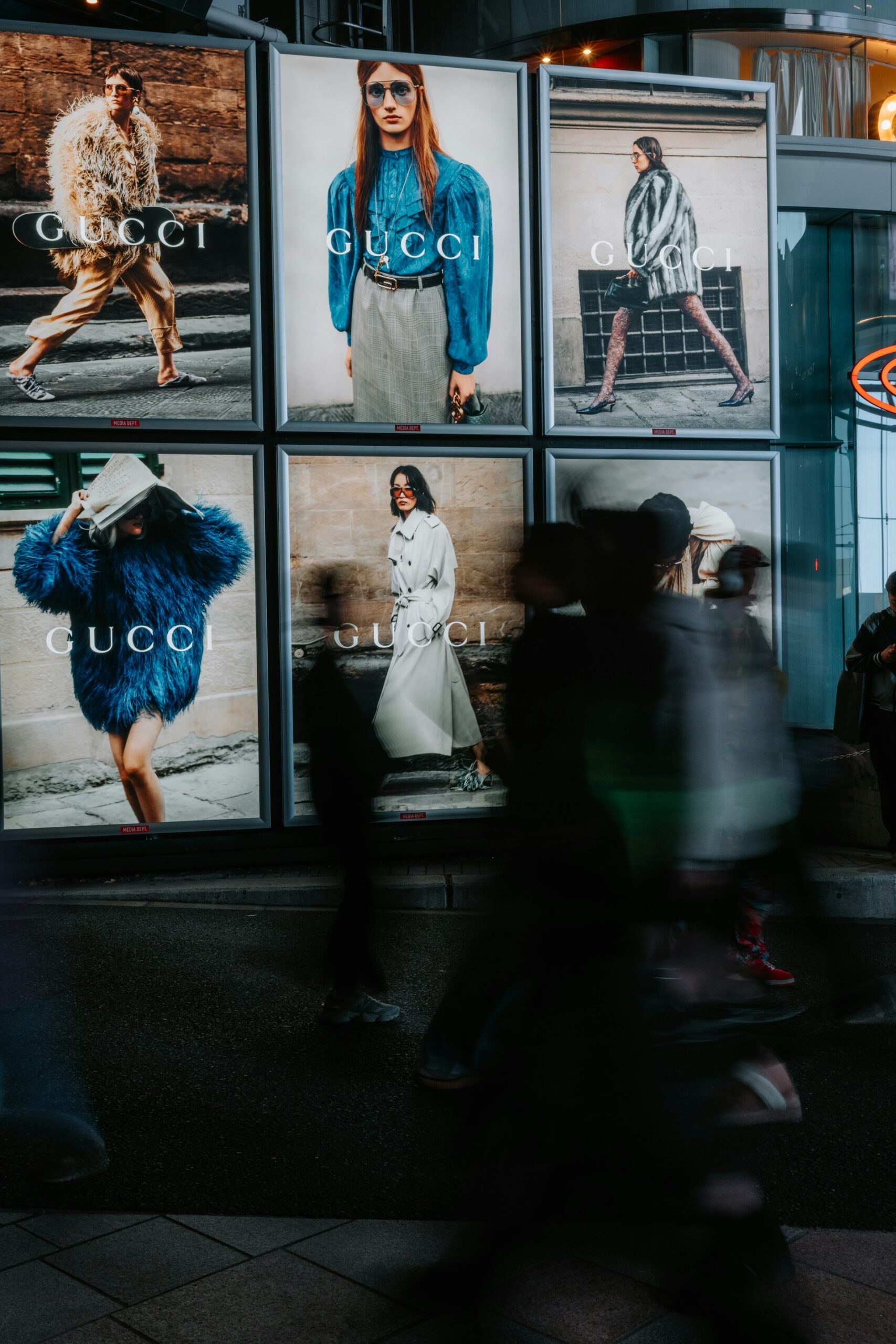
In a world where almost everything can be bought online, the most valuable luxury spaces may ultimately be the ones that offer something impossible to download: a sense of place.