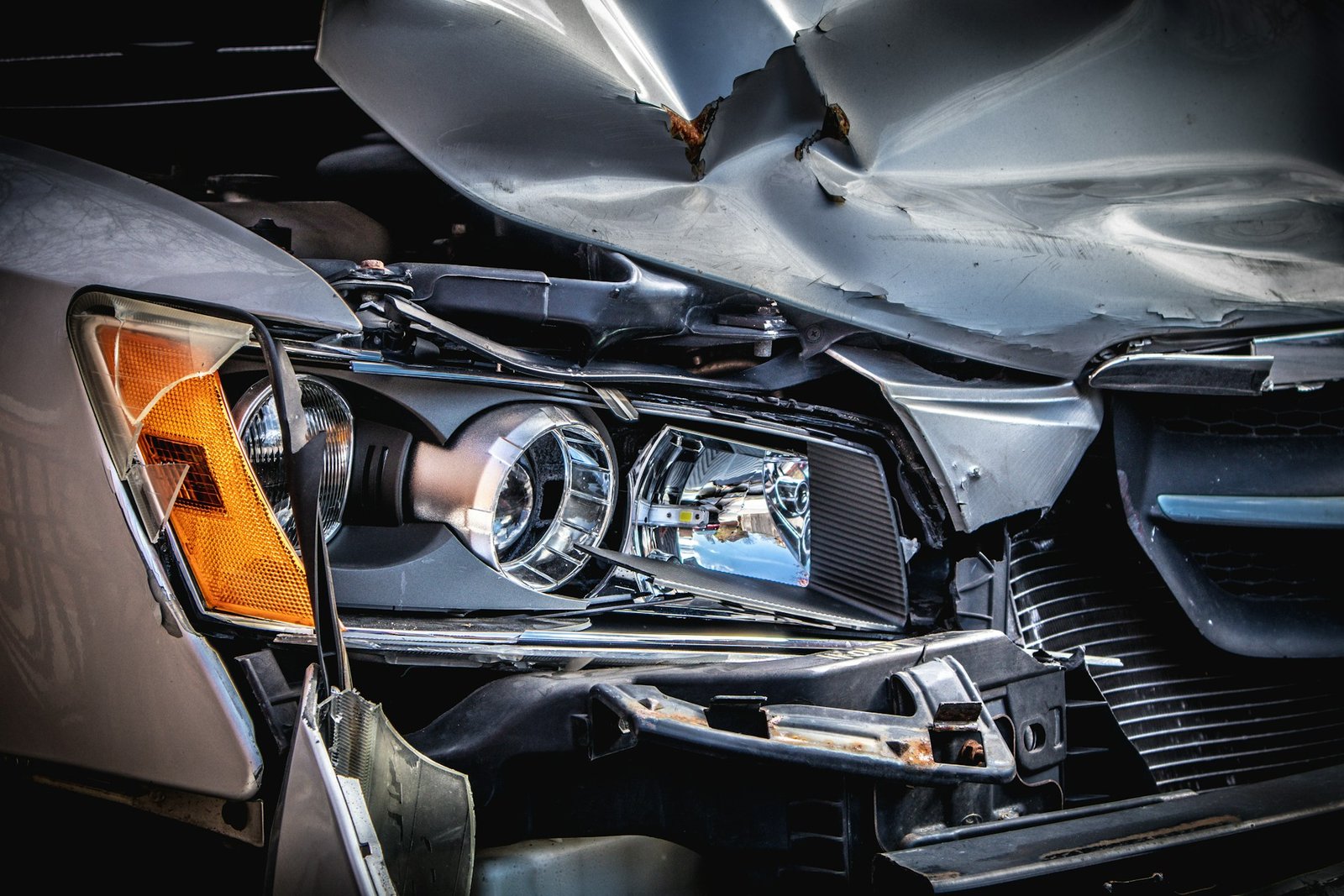







Proving that another driver was speeding after a crash usually requires evidence showing that the vehicle was traveling above the posted limit or too fast for the conditions at the time. Evidence such as traffic camera footage, vehicle data, witness statements, accident reconstruction reports, and physical damage patterns can help establish whether excessive speed contributed to the collision.
Speed is one of the most common contributing factors in serious vehicle crashes because it reduces a driver’s ability to react and increases the force of impact. In many speeding accidents, determining how fast a vehicle was traveling can become a critical part of proving fault and showing why the crash occurred.
What Types of Evidence Can Show a Driver Was Speeding?
Several forms of evidence may help establish that another driver was traveling too fast.
Traffic Camera and Surveillance Footage
Video evidence is often one of the strongest ways to prove speeding. Cameras near intersections, businesses, parking areas, or highways may capture a vehicle’s movement before the collision.
A video may show how quickly a vehicle approached an intersection, changed lanes, or reacted before impact. In some cases, investigators can use the footage to estimate speed and determine whether the driver was traveling unsafely.

Witness Statements
People who saw the accident happen may provide important information about the other driver’s speed.
A witness may describe the following:
- The vehicle passed others aggressively.
- The driver accelerated quickly.
- The inability to stop in time.
- The sound of excessive engine acceleration.
While witness statements alone may not always prove exact speed, they can support other evidence collected during the investigation.
Vehicle Data and Event Recorders
Many modern vehicles contain electronic systems that record information about how the vehicle was operating before a crash.
This data may include details about:
- Vehicle speed.
- Braking activity.
- Acceleration.
- Seat belt use.
- Steering input.
When available, this information can provide valuable insight into what happened moments before a collision.
How Can Accident Reconstruction Help Prove Speed?
When the cause of a crash is disputed, accident reconstruction experts may analyze the evidence to determine how the collision happened. These professionals examine factors such as vehicle damage, road conditions, skid marks, and the position of vehicles after impact.
By studying these details, an expert may estimate the speed of a vehicle before the crash. Although reconstruction does not always provide an exact speed calculation, it can help establish whether a driver was likely traveling faster than was reasonable under the circumstances.
For example, a vehicle that leaves long skid marks, causes severe impact damage, or travels a significant distance after a collision may provide clues that excessive speed played a role.
What Physical Evidence Can Show Excessive Speed?
The condition of the accident scene can reveal important details about how fast a vehicle was traveling.
Investigators may examine:
- Skid marks or tire marks on the roadway.
- The severity and location of vehicle damage.
- Broken vehicle parts left at the scene.
- The distance vehicles traveled after impact.
- Damage to nearby objects or barriers.
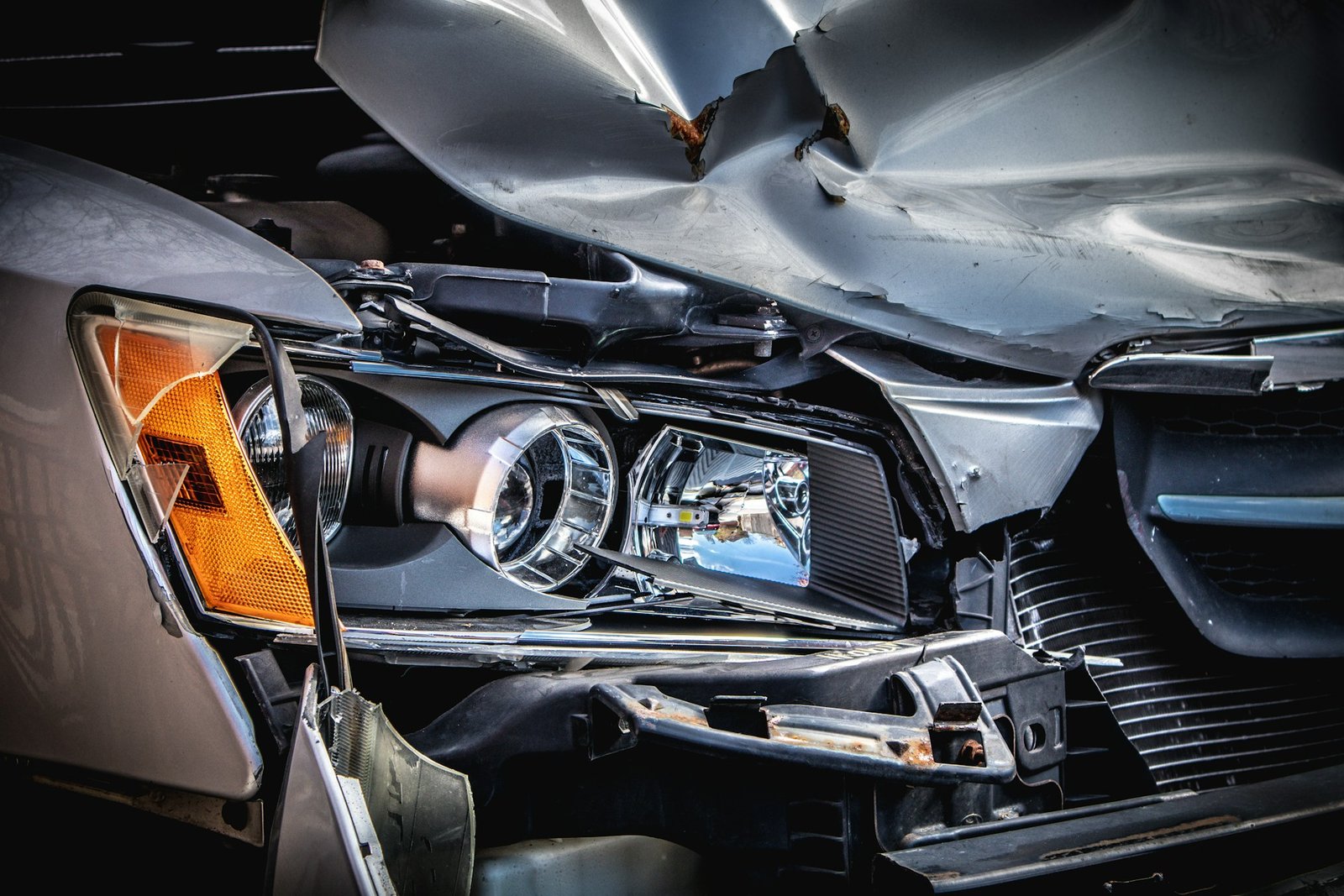
While physical evidence does not always prove a specific speed, it can help demonstrate that a vehicle was traveling at a dangerous rate before the crash.
For instance, a collision involving significant vehicle destruction may suggest that the force of impact was greater than what would normally occur in a lower-speed accident.
How Do Police Reports Affect a Speeding Claim?
A police report can provide useful information after a crash, especially when officers investigate possible speeding. Officers may document observations from the accident scene, statements from drivers and witnesses, road conditions, and any citations issued.
However, a police report alone may not always prove that another driver was speeding. Additional evidence may be needed to establish exactly how speed contributed to the collision.
Reviewing the complete accident record, rather than relying on a single document, can provide a more accurate understanding of what happened.
Laws That May Apply When Speed Contributes to a Crash
Traffic laws establish expectations for safe driving and provide standards that may be relevant when determining fault.
For example, in Florida, under Statutes § 316.183, drivers are required to operate their vehicles at a reasonable speed and must consider factors such as traffic conditions, road conditions, and potential hazards.
Furthermore, Statutes § 316.1925 requires drivers to operate vehicles in a careful and prudent manner while considering the safety of others on the road.
The specific laws that apply depend on where the accident occurred and the circumstances involved.
Key Takeaways
- Proving another driver was speeding requires evidence, not just an assumption that the driver was traveling too fast.
- Traffic footage, witness statements, vehicle data, and accident reconstruction can help establish speed.
- Physical evidence from the crash scene may reveal whether excessive speed contributed to the collision.
- Police reports can provide useful details but may need to be supported by additional evidence.
- Speed can increase both the likelihood of a crash and the severity of resulting injuries.
- Preserving evidence quickly is important because valuable information may disappear over time.
- Understanding how speeding is proven can help clarify fault after a serious accident.