






If you live in Pasco County, your air conditioner is not a background appliance. It is part survival tool, part peacekeeper, especially when the heat settles in and your house starts feeling like a greenhouse with Wi-Fi. Long warm seasons, heavy humidity, and salty coastal air can push HVAC systems harder than many homeowners expect.
Knowing how to read the early warning signs can save you money, reduce stress, and help you avoid the kind of sweaty emergency that ruins an otherwise normal Tuesday.
The Small Changes You Can Notice
Air conditioners rarely fail out of nowhere. Most of the time, they send up little distress flares first. You might notice one room staying warm while the rest of the house cools down. Your vents may start blowing weaker airflow, or the system may run longer without getting you comfortable.
Pay attention to odd sounds too. Buzzing, rattling, or a sharp clicking noise can point to loose components, electrical issues, or a struggling motor. A musty smell may signal moisture buildup in the system, while a burning odor deserves immediate attention.
Weather Puts Extra Stress on Your System
Florida heat is one thing, but humidity is the side quest nobody asked for. Your AC does more than cool the air. It also helps pull moisture out of your home, which affects comfort, indoor air quality, and even how your space smells.
That extra workload adds wear to coils, drain lines, motors, and compressors. Salt in the air can also speed up corrosion, especially if you live closer to the Gulf. Even a solid unit can age faster under those conditions.
This is one reason local maintenance timing matters. If your system has started short cycling, leaking, or losing cooling power, scheduling professional AC repair in Pasco County makes practical sense because the climate puts pressure on equipment in ways cooler regions do not.
Remember, you are not dealing with generic wear and tear. You are dealing with a machine working long shifts in a humid environment. That changes the maintenance math.
The Most Common Issues You Can Spot
You do not need an HVAC certification or a flashlight clenched dramatically between your teeth to notice common air conditioner problems. A few simple checks can help you figure out whether the issue may be minor or whether it is time to call for help.
Start with the air filter. If it is clogged, airflow drops, efficiency falls, and the system can overheat or freeze up. Then check your thermostat settings. It sounds obvious, but accidental fan settings and dead batteries waste a surprising amount of time.
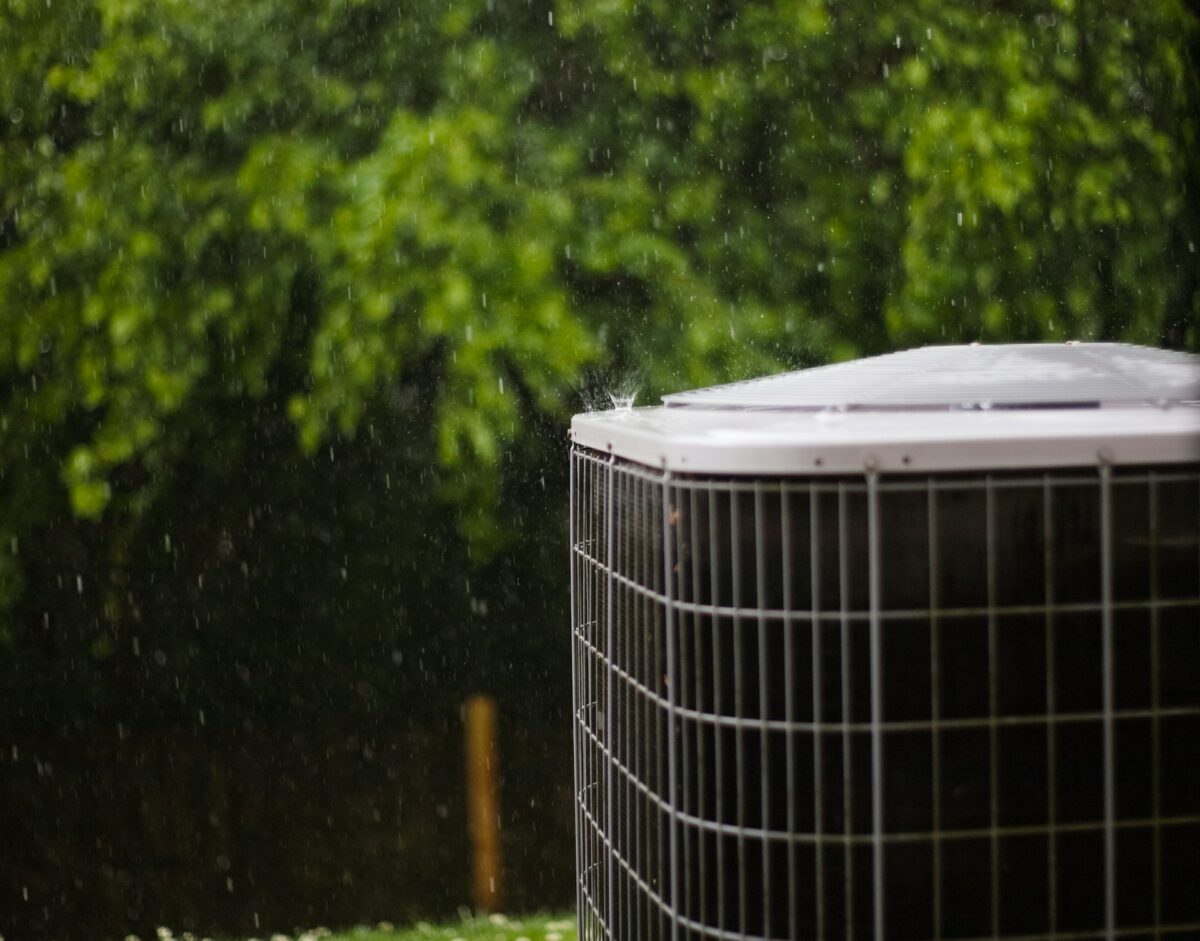
Next, look at the outdoor unit. If leaves, grass, or dirt are packed around it, the condenser may struggle to release heat. Indoors, inspect around vents and the return grille for blockages caused by furniture, rugs, or dust buildup.
Watch for water near the indoor unit. A clogged condensate drain line can cause leaks and moisture problems. Ice on refrigerant lines is another red flag. It may mean low refrigerant, poor airflow, or both.
If your circuit breaker keeps tripping after a reset, stop there. Electrical issues are not a DIY flex. At that point, getting a proper diagnosis beats guessing and hoping for the best.
Regular Maintenance is Better Than Renovation and More Useful
Home upgrades get the attention. New floors look great in photos. Fresh paint gets compliments. Preventive HVAC care gets almost none of that, yet it quietly protects comfort, energy efficiency, and equipment lifespan.
A clean system moves air better, controls humidity more effectively, and uses less energy to do the same job. That matters in a home budget where utility bills can spike fast during the hottest months. It also matters if you work from home, have pets, or live with anyone sensitive to heat.
Basic habits go a long way:
– Change filters on schedule, often every one to three months
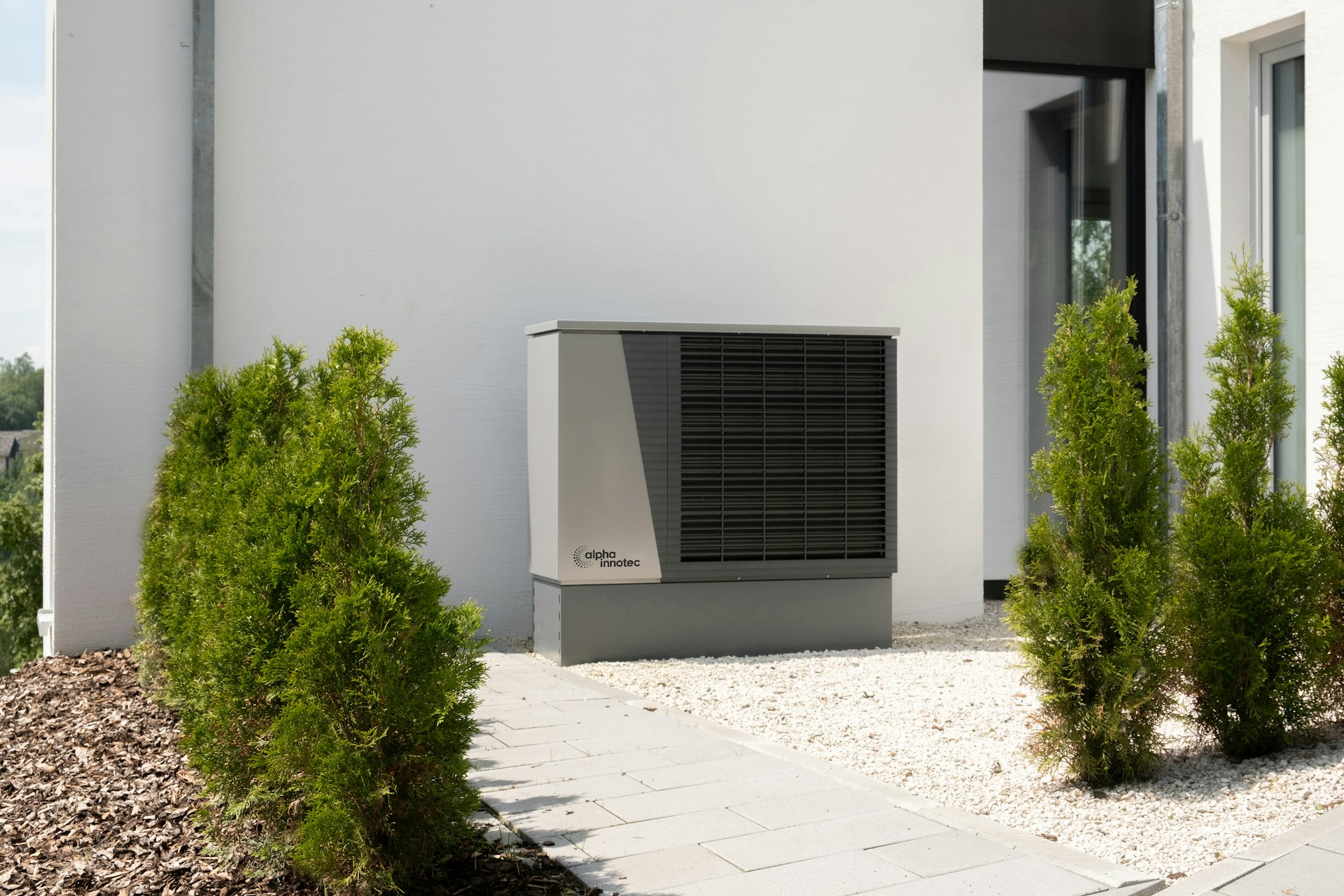
– Keep at least two feet of clearance around the outdoor unit
– Make sure vents stay open and unblocked
– Schedule seasonal tune-ups before peak cooling months
– Pay attention to new noises, smells, or performance drops
Maintenance also supports healthier indoor conditions. Excess humidity can encourage mold growth and make a home feel sticky even when the thermostat reads low. When your AC runs properly, the whole house feels more stable.
Not exciting, maybe. Useful every single day, absolutely.
When Repair Makes Sense, and Replacement Deserves a Look
Not every AC issue means your system is finished. Many repairs are straightforward, especially when the problem is caught early. A failed capacitor, clogged drain line, dirty coil, or worn contactor can often be fixed without turning the whole situation into a financial horror story.
Still, there is a point where repair stops being the smart play. If your unit is more than 10 to 15 years old, needs frequent service, or uses outdated refrigerant, the long-term value of another repair starts to shrink. The same goes for systems that never seem to cool evenly or keep your humidity under control.
Think in terms of total cost, not just today’s invoice. A cheap repair on an inefficient unit may lead to higher power bills and more service calls. A newer high-efficiency system may lower operating costs and improve comfort, especially during long seasonal summers.
You do not need to rush into replacement every time something goes wrong. You do need a realistic view of age, efficiency, repair history, and performance. That bigger picture usually tells the truth more clearly than a temporary fix ever will.
A Reliable AC Changes How Your Home Feels Every Day
When your air conditioner works well, you barely think about it. You sleep better, your rooms feel consistent, and your home stays livable even when the weather outside is doing its usual Florida thing. When it struggles, every small irritation gets louder. The house feels damp. The air feels heavy. Your patience gets tested by lunch.
Paying attention early gives you options. You can deal with minor issues before they spread, keep energy use more predictable, and avoid emergency calls during the hottest week of the year, which is exactly when systems love to stage a rebellion.
If you live in a climate like Pasco County’s, AC care is not just another item on a maintenance list. It is part of protecting your routine, your budget, and your comfort. The goal is not perfection. It is consistency.
Listen to what your system is telling you. It tends to speak up before it gives out.