





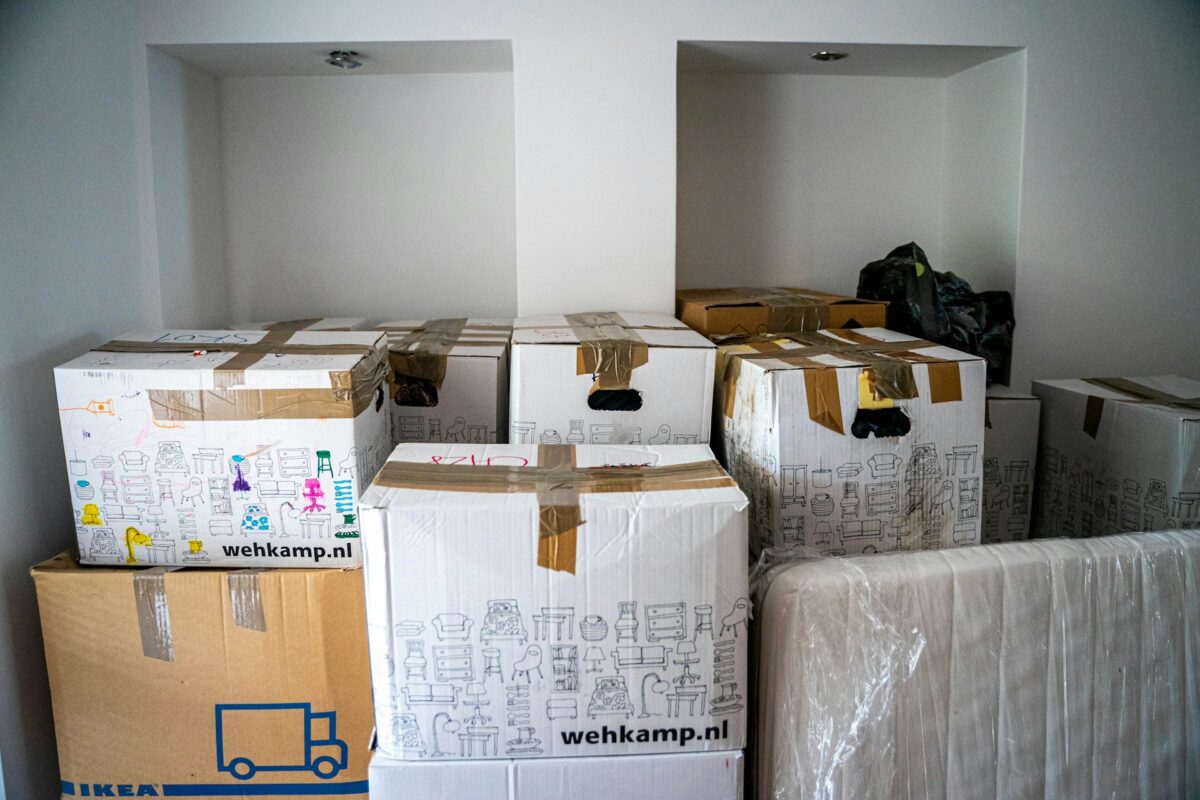

Moving can involve much more than packing boxes and transporting furniture.
From organizing belongings to coordinating pickup and delivery, several steps need to come together for the move to go smoothly.
Working with professional movers can take some of that responsibility off your hands and provide a more structured approach to moving day.
Contra Costa County is home to a mix of established communities, suburban neighborhoods, and growing residential areas throughout the East Bay. Whether someone is moving locally or preparing for a longer-distance relocation, planning transportation and handling household belongings can take considerable time. Working with experienced Contra Costa County movers can give residents access to help with the physical and logistical parts of the move.
A Plan for the Move
The moving process generally starts with understanding what needs to be transported and where everything needs to go. Movers may ask about the size of the home, the number of belongings, the moving locations, and any items that require special attention.
This information helps determine the equipment, vehicle space, and number of workers needed for the job. Having these details organized ahead of time can also make moving day more predictable.
Packing and Preparing Belongings
Packing can be one of the most time-consuming parts of relocating. Clothing and household items may be relatively straightforward, but fragile dishes, electronics, artwork, and larger belongings require additional care.
Depending on the services selected, professional movers may assist with packing or provide guidance on preparing belongings before the move. Properly packed items are easier to load, transport, and unload while reducing unnecessary handling during the process.

Loading the Moving Truck
Once belongings are ready, movers typically begin loading the truck. Larger furniture is generally handled first, while boxes and smaller items are placed around it to make effective use of the available space.
Professional movers are accustomed to handling bulky and heavy items such as beds, sofas, tables, appliances, and cabinets. Their experience can help reduce the physical strain placed on homeowners during the move.
Protecting Furniture and Other Items
Moving furniture through doorways, hallways, elevators, and stairways can create opportunities for accidental damage. Movers may use protective materials and careful handling techniques to help protect furniture and the property itself.
Items that require extra attention can be identified before loading begins. Communicating these concerns in advance gives the moving team a better understanding of what needs special handling.
Transportation Between Locations
After everything has been loaded, the belongings are transported to the new property. The distance between the two locations can affect the schedule and overall logistics.
For local moves within Contra Costa County, transportation may be completed relatively quickly depending on the locations and traffic conditions. Longer moves require additional planning around travel time, delivery schedules, and access to the destination property.
Unloading at the New Property
The moving process does not end when the truck reaches the destination. Movers must unload furniture and boxes and bring them into the appropriate areas of the new home.
Providing clear instructions about where larger items should go can make this stage easier. It can also save time later because homeowners will not need to move heavy furniture around the property themselves.
Handling Large or Difficult Items
Some household belongings require more planning than others. Pianos, oversized furniture, heavy appliances, and unusually shaped items can present challenges during both loading and unloading.
Before hiring movers, homeowners should identify any items that may require special equipment or additional workers. Discussing these items in advance helps the moving company prepare for the job.
Communication Throughout the Process
Clear communication can make a significant difference during a move. Homeowners should understand the expected schedule, services included, pricing, and any requirements before moving day.
It is also helpful to communicate changes as early as possible. Changes to the moving date, addresses, inventory, or access to the property may affect the arrangements.
What Homeowners Can Do Before Moving Day
Professional movers handle much of the physical work, but homeowners can still take several steps to make the process easier. Sorting belongings before packing can reduce the number of items that need to be transported.
Labeling boxes by room can also make unloading more organized. Homeowners should keep important documents, medications, valuables, and other essential personal items separate so they remain easily accessible during the move.
Key Takeaways
- Professional Contra Costa County movers can assist with the physical and logistical parts of a relocation.
- Planning the size and requirements of a move helps determine the appropriate resources.
- Proper packing and protection are important for fragile and valuable belongings.
- Movers can handle heavy furniture and other difficult-to-transport items.
- Clear communication about schedules, addresses, and special items can help avoid problems.
- Labeling boxes and organizing belongings before moving day can make unloading easier.
- Homeowners should discuss special requirements with movers before the move begins.