






A pipe problem under your home can go from mildly annoying to seriously expensive with impressive speed. One damp patch, one slow drain, one strange smell, and suddenly you’re learning more about plumbing than you ever planned to. If you’re weighing repair options, it helps to know what happens beneath the floor, under the yard, and inside the pipe itself. A smart decision starts with understanding the methods, the costs, and the trade-offs.
How underground pipe damage usually starts
Most underground pipe problems build slowly.
Tree roots push into tiny cracks. Older clay pipes shift as soil settles. Cast iron corrodes from the inside out. In some homes, grease, wipes, and mineral buildup create a stubborn blockage that keeps coming back. What looks like one clog can actually be a warning sign that the line itself is failing.
You might notice gurgling drains, sewage odors, soggy spots in the yard, or drains that seem to work on a random schedule. None of those symptoms are subtle once they start repeating.
Age matters too. Homes built decades ago often have materials that simply don’t age gracefully underground. Pipes are durable, not immortal. If multiple fixtures are acting up at once, the issue often sits deeper in the system than a basic plunger can reach.
What trenchless repair actually means
Trenchless repair sounds futuristic, but the concept is pretty practical.
Instead of digging up the whole line, technicians access the pipe through limited entry points and repair it from within or replace it with minimal excavation. One of the most widely used methods is cured-in-place pipe, often called CIPP. A resin-coated liner is inserted into the damaged pipe, then cured so it hardens into a new pipe inside the old one.
That method can work well for cracks, leaks, root intrusion, and some structural wear, depending on the pipe’s condition. A qualified trenchless pipe repair contractor typically starts with a camera inspection to see whether the line is a good candidate.
It’s less about magic and more about precision. The best part for many homeowners: less destruction above ground.
Why traditional pipe repair gets expensive fast
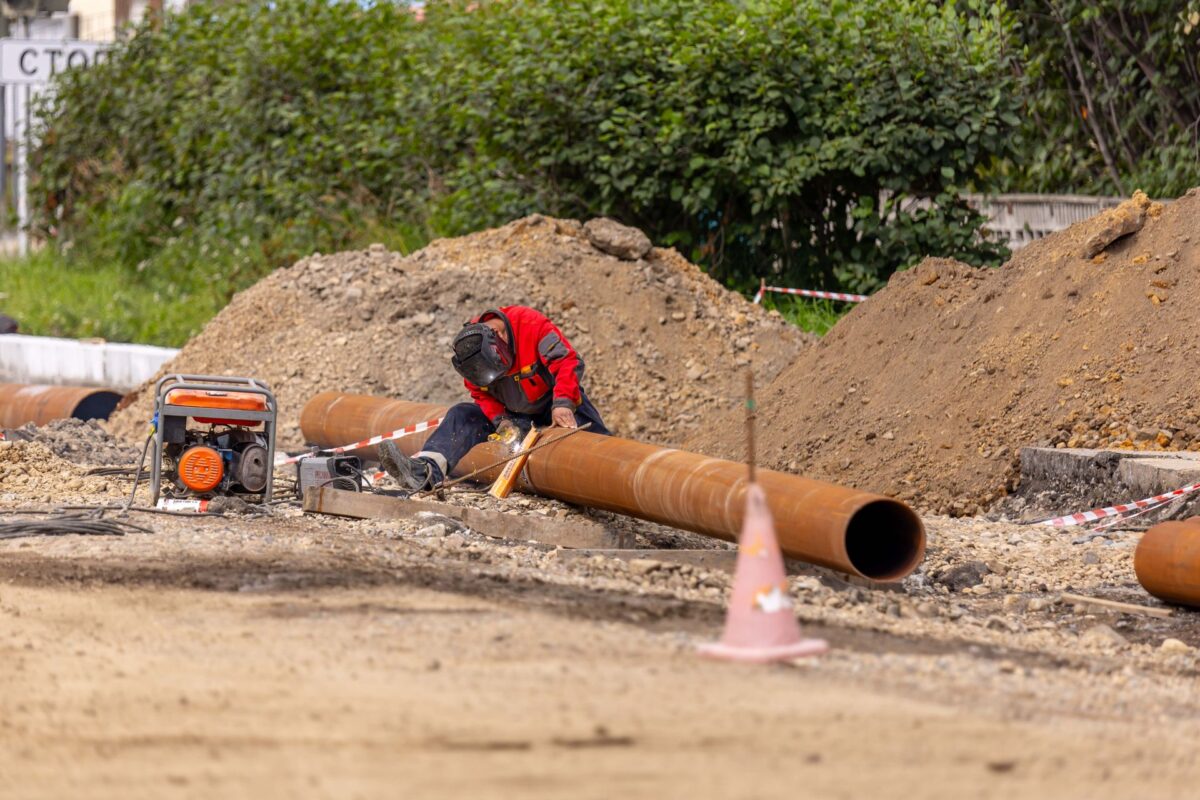
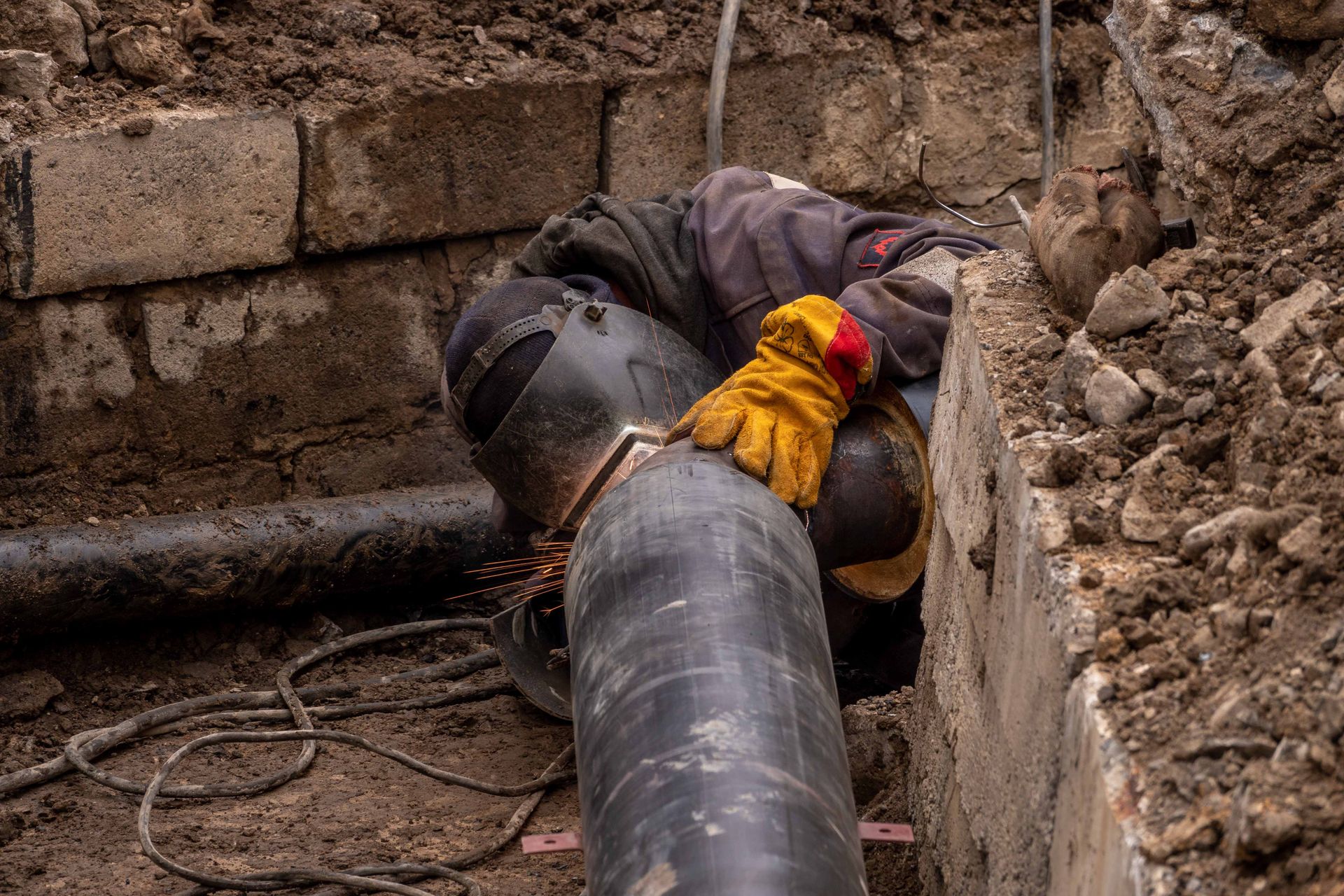
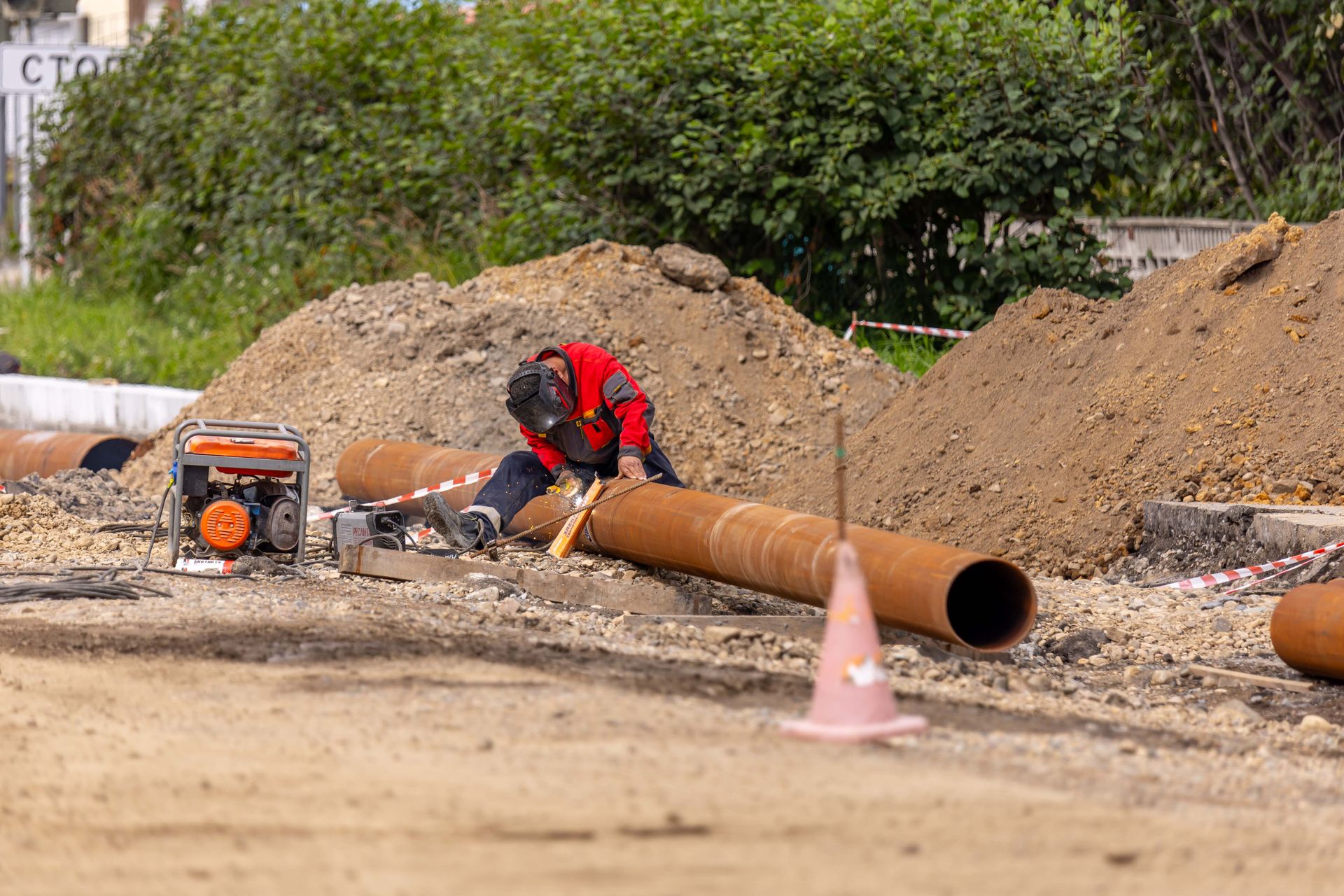
The old-school approach to underground pipe repair usually means excavation.
That can involve breaking concrete, digging through landscaping, cutting into driveways, or opening floors to reach the damaged section. The actual pipe fix may be only one part of the bill. Restoration often becomes the financial plot twist.
If a sewer line runs under a patio, garden, or garage slab, labor costs can rise quickly. Then you may need to pay for cleanup, replacement concrete, new sod, or interior repairs. Suddenly the pipe itself is the least dramatic item on the invoice.
Time is another factor. A repair that disrupts bathrooms, kitchens, or laundry can throw off your entire week. For busy households, inconvenience has real value.
That’s one reason many homeowners now ask about methods that reduce digging instead of treating excavation as the default move.
When trenchless repair makes the most sense
Trenchless methods are not the answer to every plumbing issue, and that’s worth saying clearly.
They tend to make the most sense when the existing pipe still has a shape that can support lining, when access points are workable, and when avoiding major excavation would save serious time and money. If your pipe runs beneath expensive hardscaping or mature landscaping, trenchless repair can be especially appealing.
It’s also useful when you want a faster turnaround. Many trenchless jobs move quicker than traditional dig-and-replace projects, which matters if your household is already juggling limited plumbing access.
Still, a completely collapsed pipe or a badly misaligned section may require a different approach. The inspection phase matters because guessing underground is a terrible strategy. Soil usually wins that argument.
Questions you should ask before hiring anyone
A pipe repair estimate should never feel vague.
Ask what material your existing pipe is made from, what caused the damage, and whether a camera inspection confirms the full extent of the issue. You should also ask whether the proposed fix is a spot repair, a liner installation, or a full replacement. Those are very different jobs with very different lifespans.
Other smart questions include:
– How much digging will be required?
– What preparation is needed inside the home?
– Will the repair affect water or sewer service during the job?
– What restoration work is included in the estimate?
– Is there a warranty on labor and materials?
Photos or video from the inspection can help you understand what you’re paying for.
If someone jumps straight to a solution without showing evidence, that’s not confidence. That’s sales theater.
Cost, lifespan, and long-term value
The cheapest bid is not always the least expensive outcome.
Traditional excavation can appear straightforward at first, but restoration costs often expand the budget. Trenchless repairs may carry a higher upfront price in some cases, yet the reduced demolition can shift the math in their favor.
Lifespan matters too. Many modern trenchless lining systems are designed to last for decades when properly installed. That can make them a strong long-term option, especially if your current pipe material has already shown its age.
You should also think about indirect costs. Missing work, losing use of bathrooms, replacing landscaping, and dealing with recurring backups all add up.
A good repair plan balances immediate budget concerns with future reliability. Nobody wants to pay twice for the same underground problem. Pipes have enough drama already.
How to prepare your home for a pipe repair project
Once you’ve chosen a repair method, a little prep makes the process smoother.
Clear access to cleanouts, utility areas, and any work zones inside the house. Move vehicles if technicians need driveway space. If the repair affects drains or sewer service, plan bathroom use ahead of time so your household doesn’t discover the restriction at the worst possible moment.
It also helps to ask for a step-by-step schedule. Knowing when inspections happen, when equipment arrives, and when service resumes gives you a realistic picture of the disruption.
After the repair, keep records. Save inspection footage, estimates, warranty details, and invoices. Those documents can help with future maintenance, home resale questions, or insurance discussions.
The goal isn’t just fixing one pipe. It’s protecting your home from the next expensive surprise hiding underground.
Making a decision without overreacting
A damaged pipe can make you feel pressure to act immediately, and sometimes urgency is real.
If sewage is backing up or a leak is causing active damage, quick action matters. Still, quick action does not require blind action. The best decisions come from understanding the condition of the pipe, the repair options available, and the true cost of accessing the line.
For many homeowners, trenchless methods are worth serious consideration because they reduce disruption while addressing the underlying problem. For others, excavation may still be necessary. The right answer depends on what the inspection shows, not on whichever method sounds flashier.
When you know what questions to ask and what trade-offs to watch for, you’re much less likely to get buried by a repair decision before anyone even touches the ground.