






Your roof does its work quietly, which is exactly why it is so easy to ignore.
It sits above everything you own and takes the full force of sun, rain, wind, and falling debris without ever asking for attention.

Most homeowners only think about it once water has already found its way inside, and by that point the damage has usually been building for months or even years.
Learning to read the condition of your own roof is one of the simplest habits you can pick up, and it costs you nothing but a little time a few times a year. You do not need to be an expert to spot the early warnings. You only need to know where to look and what those signs actually mean.
When Small Repairs Stop Being Enough
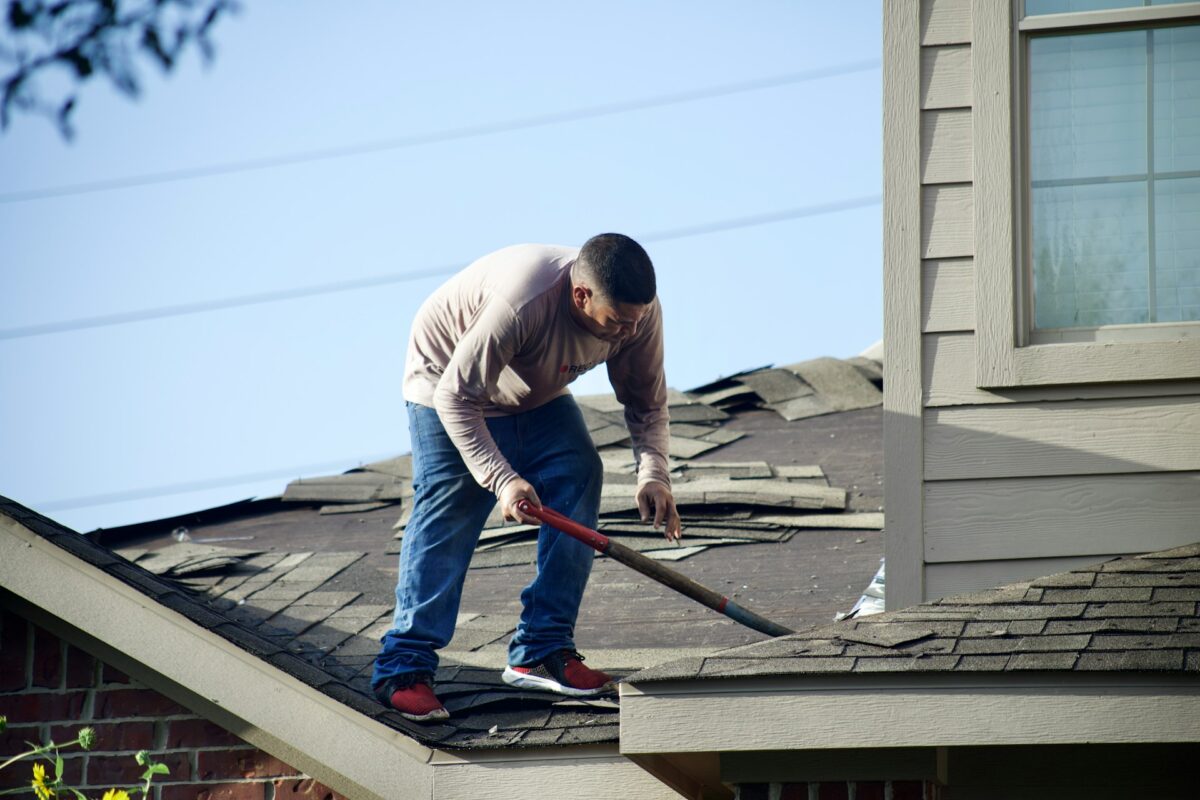
Every home reaches a stage where patchwork fixes no longer hold and the same problems keep returning season after season. When failure shows up across the whole surface rather than in one corner, the original installation is often the true cause, because poor workmanship underneath will keep pushing water through no matter how many times the top layer is mended. At that point the sensible answer is a complete, professionally fitted roofing system built from the deck upward rather than another round of temporary repairs. A trained and experienced crew can carry out a proper roof installation that protects the home for decades.
Start With a View From the Ground
The easiest check requires nothing more than a walk around your house on a clear day. Stand back far enough to see the full slope of each side and look at the overall line of the roof. A healthy roof reads as a straight, even plane from ridge to edge. If you notice dipping, waves, or a sagging stretch in the middle, that points to trouble in the wooden structure beneath, often caused by moisture that has been soaking in for a long time. A pair of binoculars makes this much easier and keeps you safely off a ladder. Climbing onto the roof yourself is rarely necessary and rarely a good idea.
Reading the Condition of Your Shingles
The covering on your roof tells you most of what you need to know. Look for shingles that have curled up at the corners, cracked down the middle, or lifted away from the surface. Dark or discolored patches can mean the protective granules have worn off, leaving the material underneath exposed to the sun. Missing pieces are the clearest warning of all, especially after a windy stretch of weather. A few scattered problems can often be dealt with quickly, but when the same wear shows up everywhere you look, the covering as a whole is approaching the end of its useful life.
What Your Gutters Are Telling You
Gutters collect evidence, and most people throw that evidence away without ever looking at it. When you clean them out, pay attention to what comes with the leaves. Large amounts of coarse, sandy grit mean the top layer of your roofing material is breaking down and washing off with every rainfall. Some of this is normal on a newer home and settles over time, but a steady buildup year after year is a signal worth taking seriously. Blocked or sagging gutters create their own problems too, since water that cannot drain properly backs up against the edge of the roof and soaks into the wood along the eaves.
Checking Your Attic After Heavy Rain
Some of the most useful information is found inside the house rather than outside it. Go into your attic or loft space with a flashlight after a long spell of rain and look up at the underside of the roof. Damp patches, water stains, streaks running down the rafters, or a musty smell all point to moisture getting through. On a bright day, turn the flashlight off and look for pinholes of daylight coming through the boards. Any light you can see is a gap that rain can follow. Check the insulation as well, because material that feels damp or has flattened out in places has been getting wet from above.
Weak Points Around Chimneys and Vents
Water rarely comes through the flat middle of a roof. It comes in around the edges and openings, where different materials meet and thin metal strips are used to seal the joint. These strips sit around chimneys, vents, skylights, and anywhere two slopes come together. Over the years they can rust, lift, or pull loose as the house settles and the metal expands and contracts in the heat. Look closely at these areas whenever you are checking the roof, and treat any lifted or corroded metal as a priority. Sealing a small gap early is simple work, while repairing a rotted deck is not.
How the Age of Your Roof Changes Things
Age gives useful context to everything else you find. A roof in its first decade with one damaged section is almost certainly worth repairing. The same damage on a roof that has already served for twenty-five or thirty years means something different, because the material around it is worn out too and will fail soon enough on its own. If you do not know how old your roof is, previous owners, old paperwork, or a contractor can usually help you work it out. Knowing roughly where you stand in that life span helps you decide whether you are dealing with a single problem or the beginning of a general decline.
Why Good Airflow Protects the Whole Structure
A roof needs to breathe. Warm, damp air rises from the living space below, and without vents to let it escape, that moisture collects under the boards and stays there. Over time it encourages mold, weakens the wood, and shortens the life of everything above it. Poor airflow also traps heat in summer, which cooks the covering from underneath and makes it brittle much faster than the sun alone would. If your upstairs rooms feel stuffy and your energy bills climb without explanation, poor ventilation may well be part of the reason.
Knowing When to Call a Professional
There is a clear limit to what you can safely judge from the ground and the attic. Trained roofers see things you cannot, and they can walk the surface safely with the right equipment. Booking an inspection once a year, and again after any severe storm, is a small expense that regularly prevents a much larger one. It also gives you an honest record of your roof’s condition, which is useful if you ever need to make an insurance claim or sell the house.
Making It a Regular Habit
The best approach is a simple routine you actually keep to. Walk the outside of your house in the spring and again in the fall, check the attic after heavy rain, clear the gutters twice a year, and trim back any branches hanging over the roof. Take a few photographs each time so you can compare one season against the next and notice slow changes you would otherwise miss. None of this takes long, and none of it requires special skill. It simply means that when something does go wrong, you find out early, while the fix is still small and the choice is still yours.