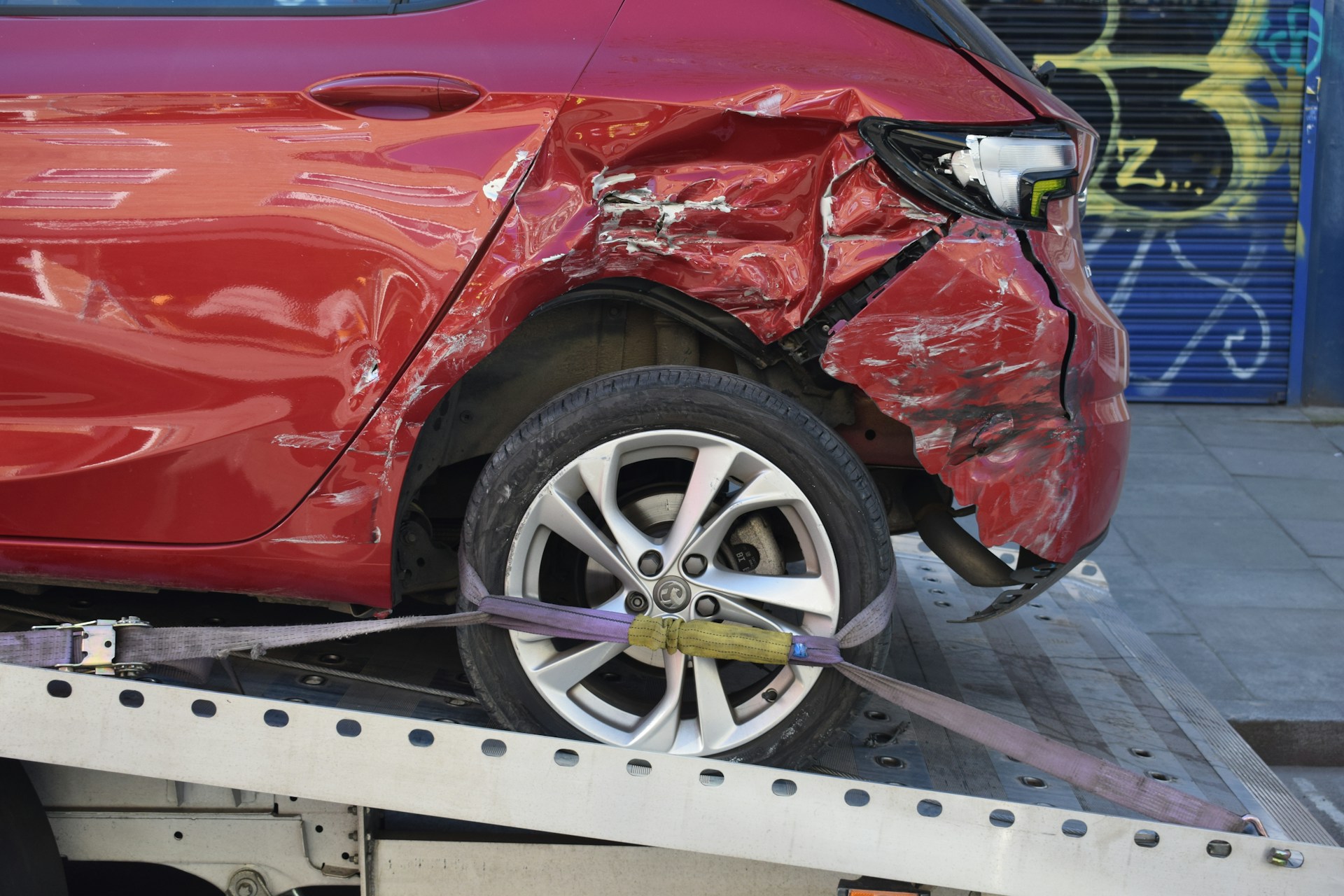



A truck crash can leave one person with minor soreness while another faces broken bones, head trauma, or lasting pain.
The difference is not always obvious from the scene.
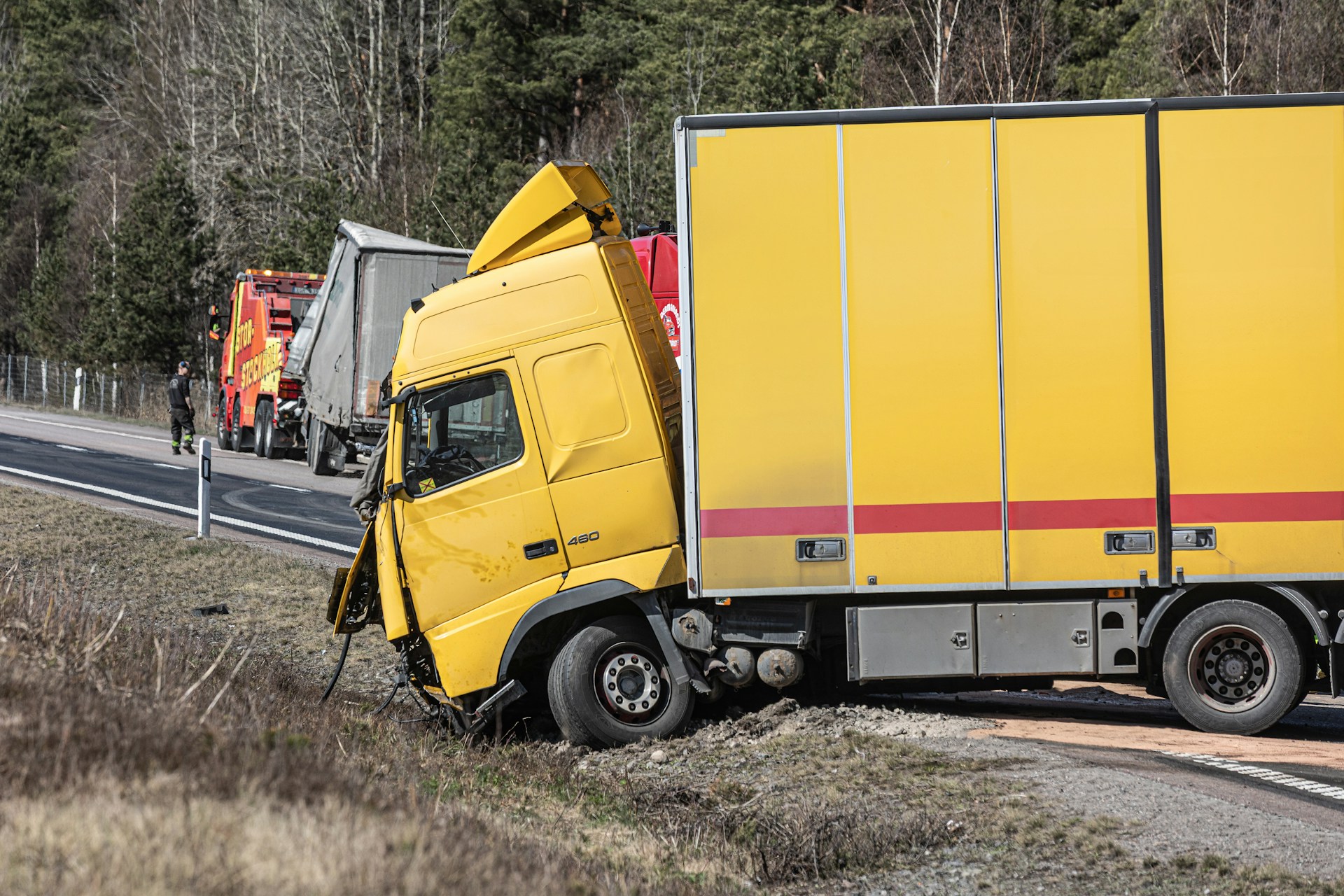
The force of the collision, the way vehicles meet, and where a person is seated can all shape the injuries that follow. An attorney for truck accident injuries may look beyond the size of the crash and focus on the specific factors that affected the person involved.
Several parts of a collision can influence how the body responds. They can explain why injuries vary so widely and why a medical evaluation can be important after a truck accident. Knowing what may influence injury severity can help people understand challenges that follow.
The Speed and Force Behind the Collision
Speed can greatly affect the force produced during a truck crash. A faster vehicle generally has more energy at impact, increasing stress on people inside another vehicle.
Truck size also matters. Commercial trucks can weigh far more than passenger cars, creating a major difference in mass. A smaller vehicle may absorb substantial force during a collision with a much larger truck. The direction of impact can also change how force reaches occupants.
A direct collision can place intense pressure on the front, while a side impact creates a different pattern of force.
The Type of Crash Can Change the Injury Pattern
Not every truck accident affects the body in the same way. The type of collision can influence which areas are most exposed.
Common truck crashes include:
- Rear-end collisions, which may cause neck, back, and head injuries.
- Head-on crashes, which can produce severe force through the front of the vehicle.
- Side-impact collisions, which may expose occupants to direct force near the seating area.
- Rollover accidents, which can involve repeated movement and impacts.
- Underride crashes, where a smaller vehicle can become trapped beneath part of a truck.
The type of impact can provide context for understanding the injuries.
The Location of the Impact Matters
Where a truck strikes another vehicle can also affect injury severity. A collision that reaches the passenger compartment may create different risks from one that damages the front or rear section.
A person sitting close to the point of impact may experience different forces from someone farther away. The side of the vehicle involved, the space around the occupant, and the vehicle’s ability to absorb impact can all play a role.
Safety Features and Seating Position
Safety systems can reduce harm, but they cannot eliminate injury in every crash. Seat belts can help keep occupants in a safer position, while airbags can provide additional protection during certain impacts.
Seating position is another factor. A driver, front passenger, and rear passenger may face different forces depending on where the collision occurs. A person’s position at impact can therefore influence the type of injury sustained.
Physical Condition Can Affect the Outcome
People do not all respond to the same crash in the same way. Age, physical condition, and prior injuries may influence how the body handles sudden force.
Someone with a previous back or neck injury may experience symptoms differently after a collision. This does not mean every existing condition was caused by the crash. Medical professionals can help determine what injuries occurred and how they relate to the accident.
Injuries May Develop Beyond the Initial Impact
Some injuries are clear right away, while others may become noticeable later. Pain, stiffness, headaches, or other symptoms may take time to appear. Prompt medical attention can help identify these problems and provide the care they require.
The cause of the crash may also matter. If a truck driver’s negligence contributed to the accident, such as distracted driving, speeding, or failing to follow traffic rules, that conduct may become relevant to an injury claim. The seriousness of the injuries and the treatment they require can help show how the accident affected the injured person.
For someone facing serious harm, an attorney for truck accident injuries can explain how negligence and the resulting injuries may relate to a claim.
Why Injury Severity Matters in a Truck Accident Claim
The seriousness of an injury can affect many parts of a person’s life. These differences matter because injury severity can shape treatment, recovery time, work limitations, and the level of support a person may need over time. A broken bone may require treatment and time away from work. A head or spinal injury may involve longer care and changes to daily activities.
Understanding the full impact of an injury involves more than looking at the first medical bill. Relevant factors may include:
- The type and severity of the injury.
- The treatment that has already been received.
- The expected recovery period.
- Time missed from work.
- Ongoing limits on daily activities.
- The possibility of future medical care.
Each claim should be considered based on the person’s actual condition rather than assumptions about the crash.
Looking at the Full Impact of a Truck Crash
Truck accident injuries can be shaped by connected factors, including collision speed, impact direction, vehicle size, crash type, seating position, safety features, and physical condition. No single factor can explain every injury, and similar crashes can produce different outcomes.
After a serious truck accident, getting appropriate medical care should remain a priority. If injuries have also created medical costs, missed work, or lasting limitations, consulting with a legal professional can help you understand how those effects may relate to your claim and what options may be available.