





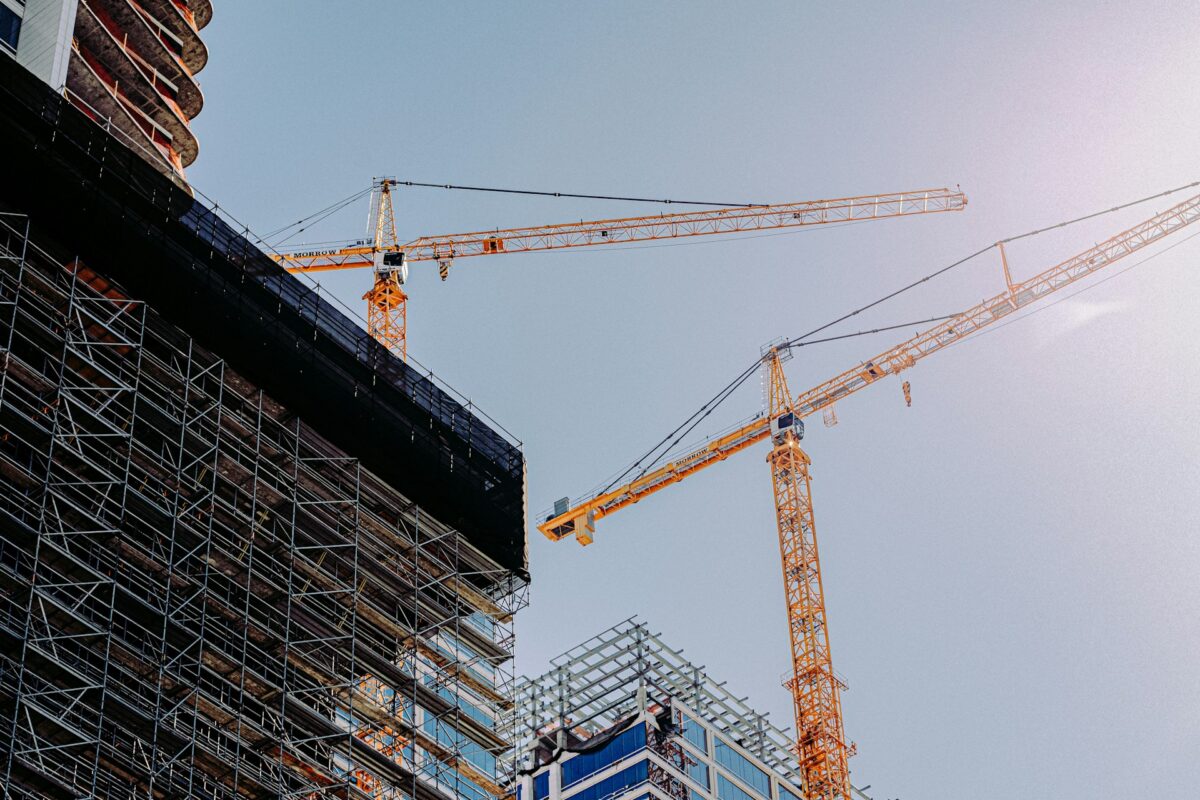

Safety on a construction site depends on more than how carefully a worker performs a task.
The space around that task can also change the level of danger.
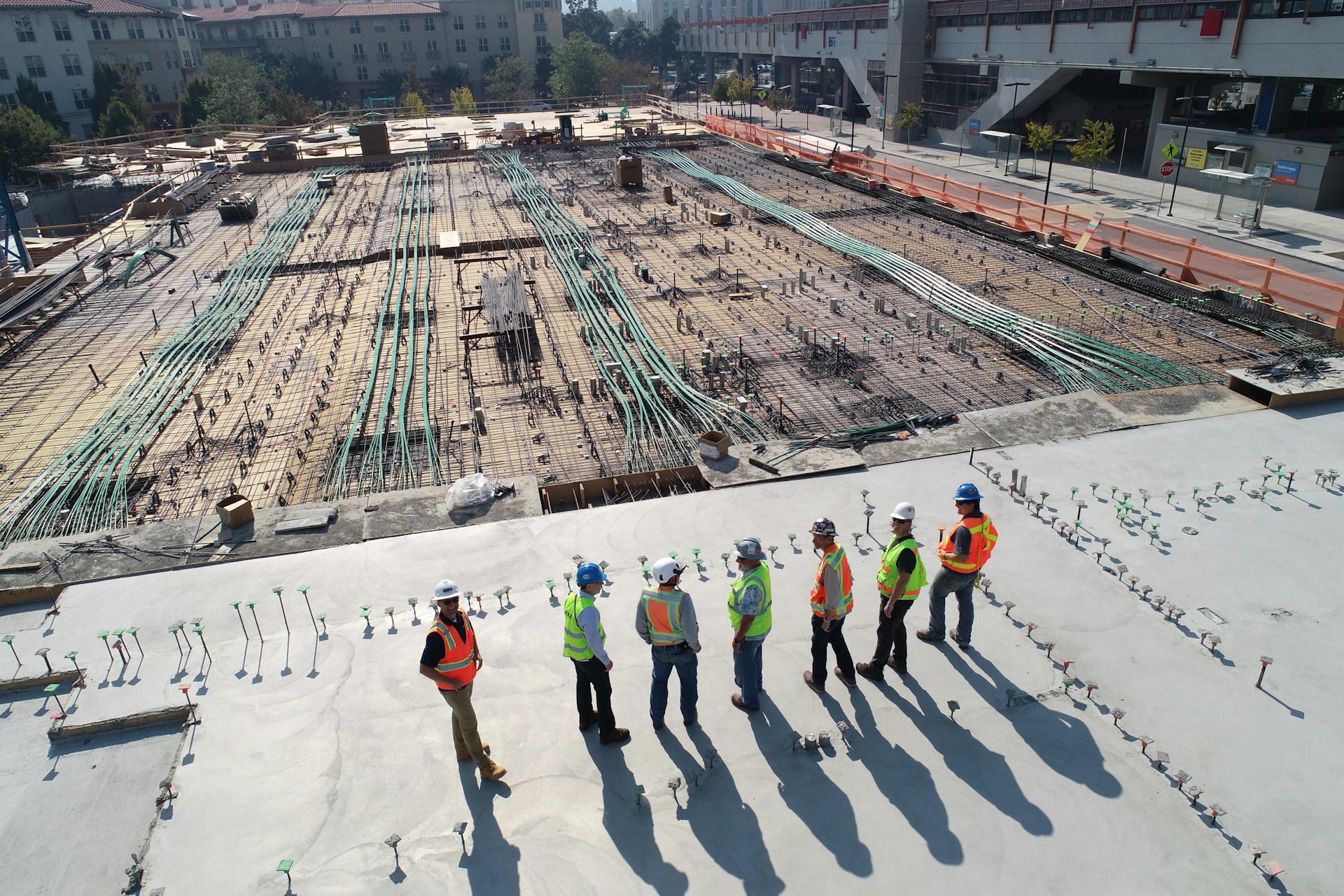
A narrow work area, loose material, poor visibility, or equipment placed in the wrong spot can make a familiar job harder to carry out safely. These conditions may develop as work continues and may not always be noticed right away.
The causes of hazardous construction site accidents can include these changes in the work environment and the problems they create. Looking at the site from this wider view can help explain how unsafe conditions contribute to accidents.
Unsafe Walking and Working Surfaces
The ground beneath a worker’s feet can have a major effect on how safely a task is performed. Wet floors, loose dirt, uneven ground, scattered materials, and construction debris can make movement harder and increase the chance of losing balance.
These conditions can appear in many parts of a worksite. A walkway may become covered with materials during a busy shift, or a work area may collect dirt and water after other tasks are completed. Workers may also need to step around these problems while carrying tools or materials.
A surface does not have to look seriously damaged to create a problem. Small changes in footing can affect how a person walks, turns, or carries out a task, especially in an active work area.
Equipment and Machinery Can Add to the Danger
Construction work often depends on machines, power tools, lifts, and other equipment. The condition and placement of these items can affect the safety of the people working nearby.
Problems may include:
- Damaged or poorly maintained equipment.
- Exposed moving parts.
- Tools placed in busy walking areas.
- Machinery positioned too close to workers.
- Equipment being used for a task it was not suited to handle.
A machine that does not work as expected can make a normal job harder to control. Poor placement can create another problem by leaving less room for workers to move safely. The condition of the equipment and the way it is used can therefore become important parts of the worksite picture.
Poor Site Layout Can Create Unexpected Problems
Construction sites are rarely open and empty. Materials, tools, vehicles, machinery, and workers may all need to use the same space. A poor layout can make these activities harder to manage.
Blocked walkways can force workers to take different routes. Materials stored too close to an active work area can reduce the space available for movement. Equipment may also limit visibility or make it harder for workers to see people approaching from another direction.
These conditions can create problems during routine work because workers may have to move around obstacles while also focusing on the task in front of them. A site that is difficult to move through can add another layer of risk to ordinary activities.
Visibility and Communication Problems
Good visibility can make a difference on a busy construction site. Poor lighting, blocked views, dust, or equipment placed in the wrong position can make it harder to notice people, materials, or hazards nearby.
Communication can create another concern. Workers may need to know where equipment is moving, which areas are closed, or how a task is supposed to be carried out. If instructions are unclear or information does not reach everyone involved, workers may not have the same understanding of what is happening around them.
A loud worksite can make communication harder as well. Machines, tools, and other activities may make it difficult to hear warnings or instructions clearly, especially in crowded areas.
Several Hazards Can Combine
One unsafe condition does not always explain a construction accident by itself. Several smaller problems may exist at the same time and affect each other.
For example, poor lighting may make a blocked walkway harder to notice. Limited space may then force a worker to move closer to operating equipment. If the floor is also wet or uneven, the same area can become even harder to navigate.
This combination matters because the worksite should not always be viewed as a collection of separate problems. The way different conditions interact can provide more information about how an accident developed.
The causes of hazardous construction site accidents may therefore involve several conditions that were present at the same time. Looking at those conditions together can reveal details that may be missed by focusing on one hazard alone.
Final Thoughts
Construction accidents can develop from conditions that seem ordinary when viewed separately. Unsafe surfaces, equipment problems, poor layouts, limited visibility, communication issues, and changing work areas can all affect how people perform their tasks.
The full condition of a worksite can provide a clearer picture of what surrounded an accident. Records, photographs, worksite reports, and other available information may help show which conditions were present and how the work area was being used.
Looking at the complete setting keeps the focus on the facts of the accident and the conditions that surrounded it, rather than reducing a complicated event to one obvious hazard.