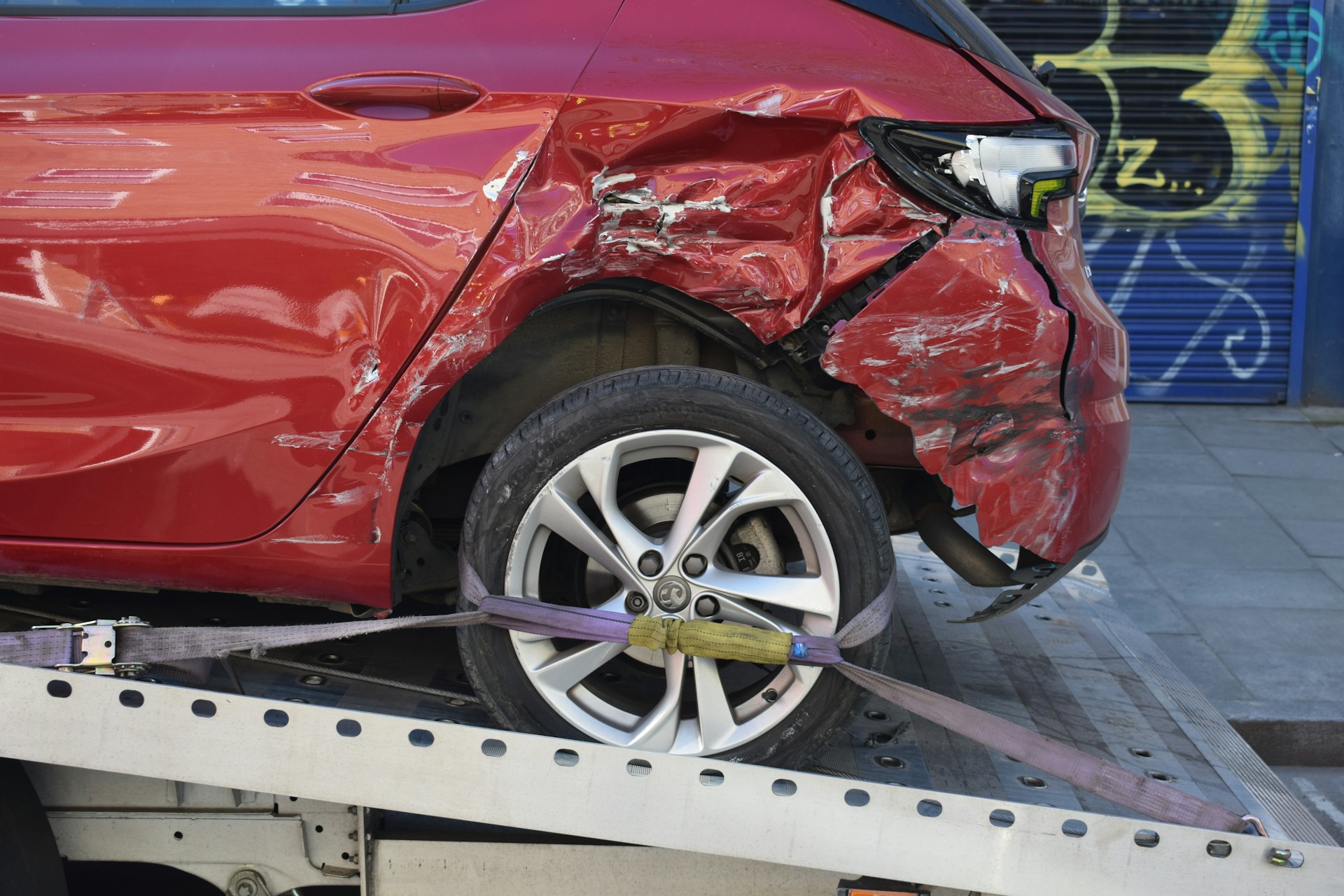



A damaged car can be repaired, but the effects of a serious truck crash may last much longer.
An injured person may need ongoing medical care, miss work, or face new expenses at a time when recovery should be the main focus.
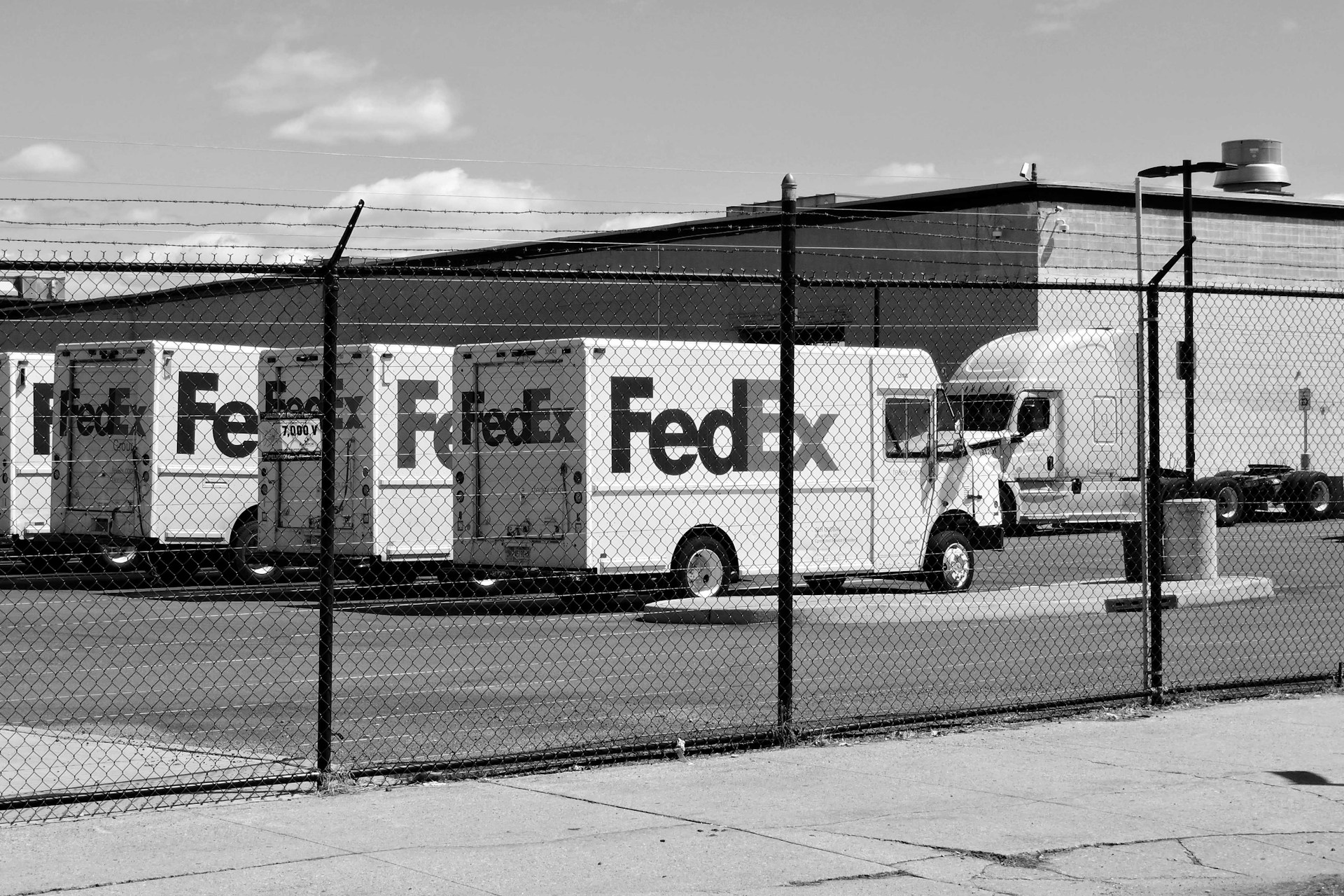
A FedEx truck accident can also involve questions about the driver, the company, insurance coverage, and other possible sources of liability.
Compensation after a FedEx truck accident may help address some of the losses caused by the crash. However, knowing what to claim and how to support it can be challenging. The right information can also help show the full impact of the crash and support a claim for the losses an injured person may face.
Get Medical Care and Keep a Clear Record
Health should come first after any truck collision. Some injuries may not cause severe symptoms right away, so getting checked by a medical professional can be important even if the person feels reasonably well.
Medical records can also help document the connection between the crash and the injuries. Keep copies of bills, treatment notes, prescriptions, and other healthcare records. It can also help to write down how an injury affects normal activities, work duties, sleep, or mobility.
These records may become useful later if questions arise about the seriousness of the injuries or the cost of treatment.
Preserve Evidence Before Details Disappear
Evidence can help show what happened and why the crash occurred. Some information may become harder to obtain as time passes, so preserving it early can be valuable.
Useful evidence may include:
- Photos or videos of the vehicles and crash scene
- Police or accident reports
- Contact details for people who witnessed the collision
- Photographs of visible injuries
- Medical records and bills
- Repair estimates and vehicle damage records
- Information about road, traffic, and weather conditions
A commercial truck accident may also involve records that are not available to the injured person. These could include driver information, vehicle inspection records, maintenance documents, delivery records, or other company materials. Identifying potentially important evidence early may help protect a claim.
Look Beyond the Driver
A truck accident claim does not always depend only on what the driver did. The circumstances may point to other parties whose actions or decisions contributed to the collision.
For example, responsibility may involve:
- The truck driver
- A delivery or trucking company
- A company responsible for maintenance
- A manufacturer if a defective part contributed to the crash
- Another driver or party involved in the collision
Determining liability requires a close review of the facts. Driver actions, company policies, vehicle condition, and other circumstances may all matter. Avoiding assumptions about responsibility can help ensure that all relevant factors are considered.
Identify the Losses Caused by the Crash
The financial impact of a truck collision can continue long after the damaged vehicle is repaired. An injured person may have immediate expenses as well as losses that develop over time.
Depending on the circumstances, potential damages may include:
- Emergency treatment and other medical expenses
- Future medical or rehabilitation costs
- Lost income from missed work
- Reduced ability to earn income
- Vehicle repair or replacement costs
- Pain and suffering
Keeping organized records can make it easier to show the financial effect of the accident. Receipts, wage information, medical bills, and repair documents may all help support the amount being claimed.
Future losses also deserve attention. A serious injury may require continued treatment or affect a person’s ability to return to the same job. Those factors can be important when evaluating a claim rather than focusing only on bills already received.
Handle Insurance Communications Carefully
Insurance companies generally investigate accidents before deciding how to handle a claim. They may ask for information about the collision, injuries, treatment, and other losses.
It is important to provide accurate information, but an injured person should also understand what they are agreeing to before accepting a settlement. A quick payment may not fully account for future treatment, ongoing symptoms, lost income, or other damages.
For example, signing a settlement could affect the ability to seek additional compensation later. Reviewing the situation carefully before making major decisions can help prevent avoidable problems.
Know Your Legal Options
Truck accident claims can involve detailed evidence, multiple parties, and different insurance policies. A qualified attorney can review the circumstances and help determine what legal options may be available.
A truck accident lawyer may assist with:
- Reviewing accident reports and other evidence
- Identifying potentially responsible parties
- Evaluating medical and financial losses
- Communicating with insurance companies
- Protecting important evidence
- Explaining applicable deadlines and legal requirements
The value of legal guidance depends on the facts of each case. Some claims may be straightforward, while others may require a more detailed investigation. Getting advice early can help an injured person make informed decisions before important deadlines or evidence issues become a problem.
Know Your Options After the Crash
The effects of a commercial truck accident can continue long after the collision. Treatment may take time, work may be affected, and financial concerns can add stress during recovery. Understanding the potential losses and the parties involved can help an injured person assess what may be available through a legal claim.
If you are seeking compensation after a FedEx truck accident, consider speaking with an attorney. A professional can help identify the damages involved and work toward seeking appropriate compensation for the harm caused by the crash.