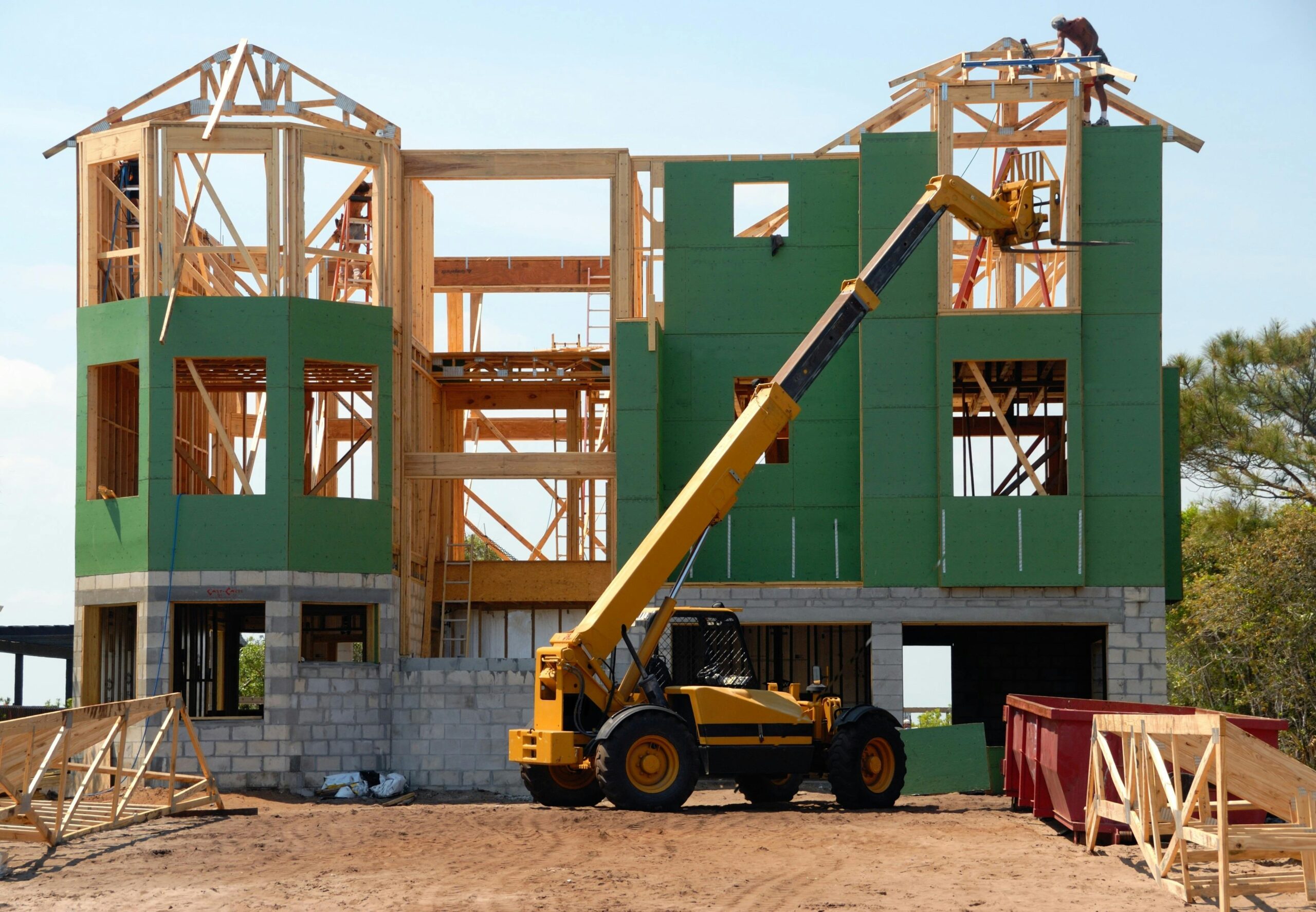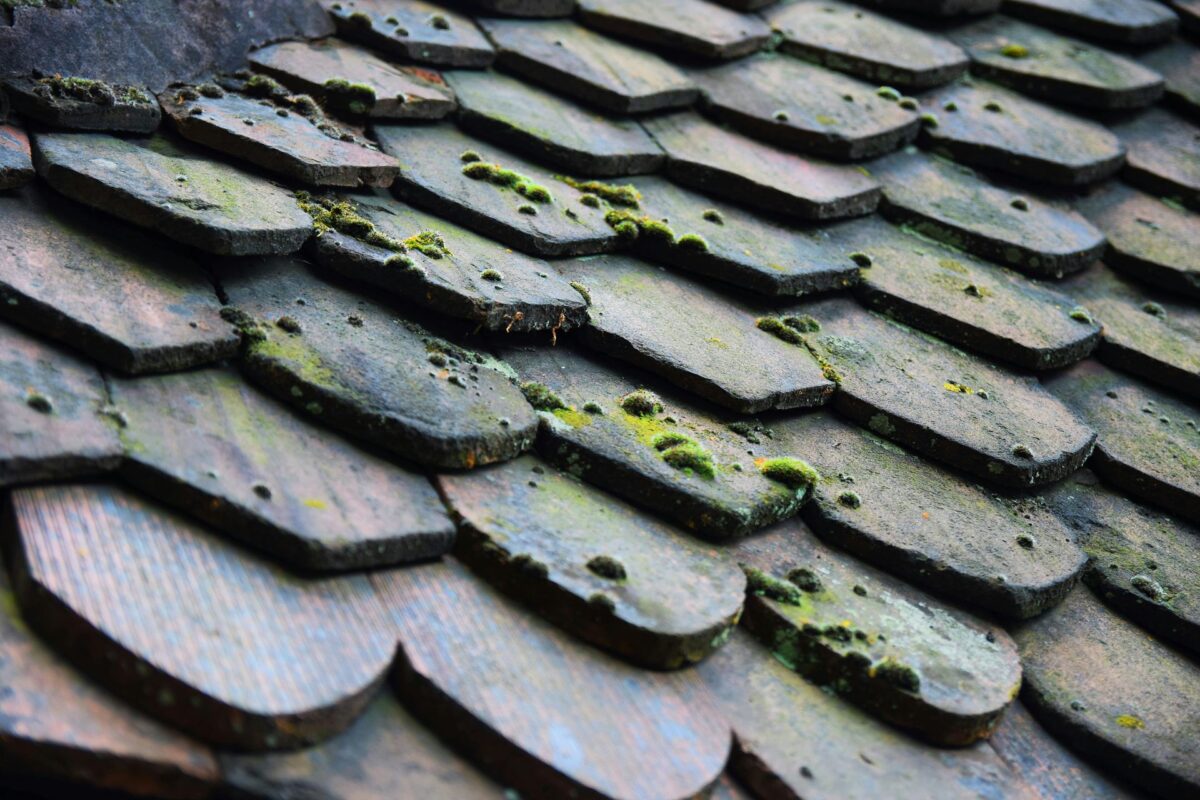

If you live around Puyallup, you already know the weather here doesn’t exactly treat roofs gently. Long stretches of rain, damp air, moss growth, and the occasional windstorm can turn small roofing issues into expensive headaches. Your roof usually stays out of sight and out of mind until a stain appears on the ceiling or shingles start looking rough. A smart inspection habit helps you catch problems early, before your home starts collecting water like an unplanned indoor fountain.
Your roof usually gives warning signs before it fails
A roof rarely goes from perfectly fine to disaster mode overnight. In most cases, you’ll spot clues first if you know where to look. Missing shingles, curled edges, dark streaks, moss patches, sagging sections, and granules collecting in gutters all deserve attention.
Inside your home, peeling paint near the ceiling, musty smells in the attic, and faint water stains can point to moisture sneaking in. Even a tiny leak can travel along beams and insulation before it shows itself.
If you notice your energy bill climbing for no obvious reason, roof damage may be part of the problem. Poor ventilation or compromised materials can let heat escape in winter and build up in summer. Your roof has one job, but it does that job in a lot of ways.
Puyallup weather creates roofing problems that are easy to underestimate
Roofs in western Washington deal with a specific mix of stress. Rain is the obvious factor, but it’s not just about getting wet. Constant moisture encourages moss and algae, which can trap water against shingles and speed up deterioration.
Tree cover adds another layer of trouble. Falling branches, pine needles, and leaf buildup can clog gutters and create standing moisture near roof edges. On colder days, trapped water may freeze and expand in vulnerable spots.
That local climate is one reason many homeowners turn to Anytime Roofing, Inc. in Puyallup when they need a professional assessment or roofing work. In an area where damp conditions stick around, local experience matters. A roofing plan that works in a dry climate won’t always hold up the same way in Puyallup.
Quick repairs help, but only when the damage is truly minor
A lot of homeowners love the idea of a simple patch. Fair enough. It’s cheaper, faster, and feels less dramatic than talking about replacement. Sometimes that approach works. A few lifted shingles after a windstorm or a small area of flashing damage may only need targeted repair. The catch is that surface damage doesn’t always tell the whole story. Water can slip underneath roofing materials and affect underlayment, decking, and nearby structures. By the time you can see the issue, it may have been quietly expanding for months.
A good inspection separates cosmetic wear from deeper structural trouble. That distinction matters because repeated patch jobs on an aging roof can become the home-improvement version of putting tape on a cracked phone screen. Technically covered, sure. Problem solved, not exactly.
Age matters more than most homeowners think
Every roofing material has a lifespan, and age changes how you should respond to damage. An asphalt shingle roof that is only a few years old may justify repairs if the issue is isolated. A roof nearing the end of its expected service life often needs a bigger conversation. Most standard asphalt roofs last around 20 to 30 years, though weather, installation quality, ventilation, and maintenance can shift that number. Metal, tile, and composite materials each have different timelines and care requirements.
If your roof is older and showing repeated problems, spending money on another repair may not be the best move. At a certain point, repair costs start stacking up without giving you much long-term value. It’s a little like fixing a laptop that freezes every hour. You can keep trying, but patience has limits.
An inspection should look beyond shingles
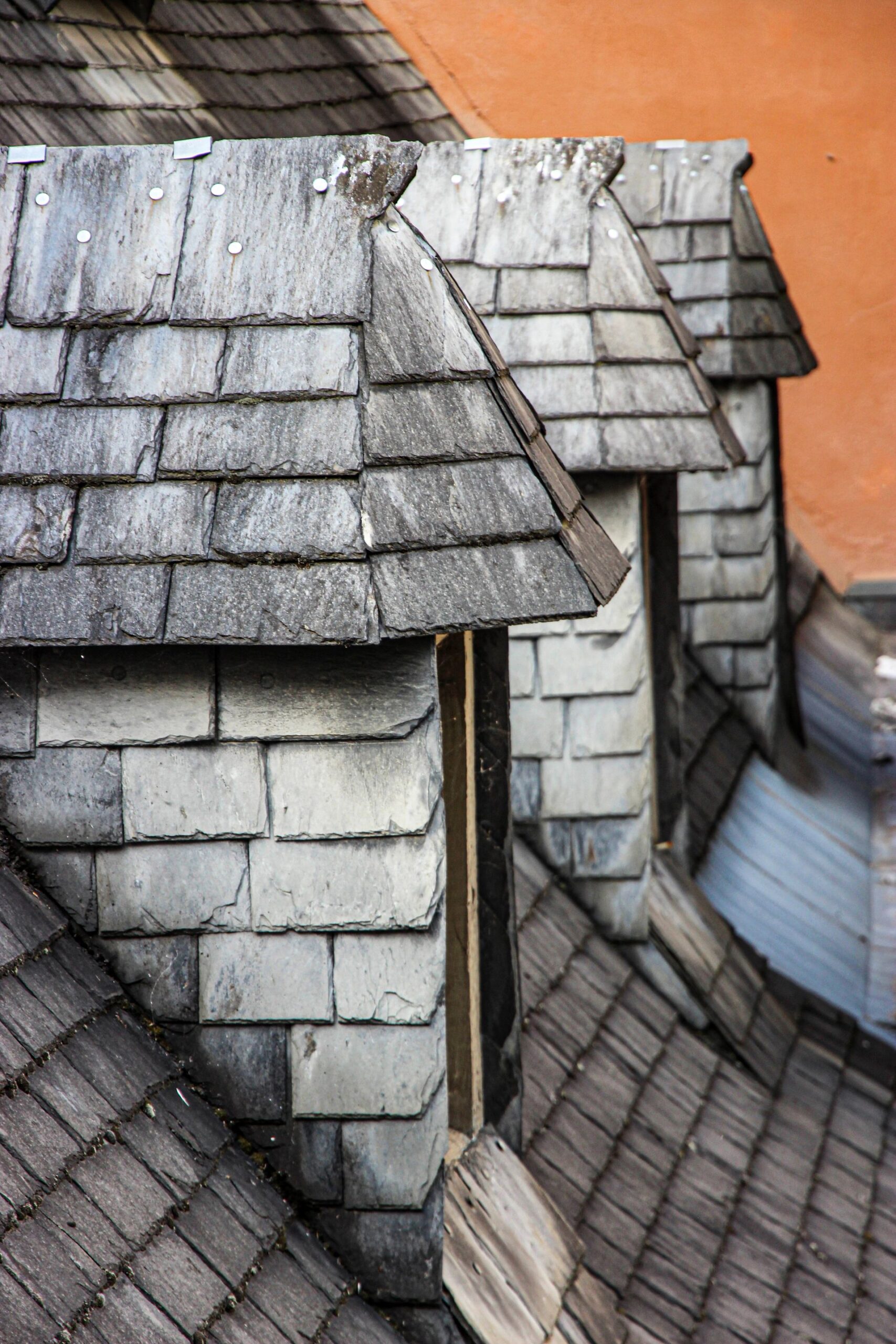
A proper roof inspection goes deeper than a quick glance from the ground. Shingles matter, but so do flashing, vents, valleys, gutters, sealants, attic airflow, and the condition of the roof deck underneath. For example, damaged flashing around chimneys or skylights can let water enter even when the shingles still look decent. Poor attic ventilation can trap moisture and heat, causing materials to age faster. Soft decking under the roof surface can signal rot that needs immediate attention.
When you schedule an inspection, ask what will actually be checked. A thorough assessment should identify current damage, possible weak points, and whether repair or replacement makes better financial sense. You want answers, not vague reassurance. “It looks okay from here” is not exactly elite diagnostic language.
Repair versus replacement comes down to cost, scope, and timing
Choosing between roof repair and roof replacement is usually a money decision, a timing decision, and a stress decision all at once. If damage is limited to one section and the rest of the roof is in good shape, repair often makes sense. Replacement becomes the better option when problems are widespread, leaks keep returning, or the roof is near the end of its lifespan. A new roof costs more upfront, but it can reduce future repairs, improve energy efficiency, and protect resale value.
Timing matters too. Waiting too long can allow water damage to spread into insulation, drywall, framing, and even electrical systems. What started as a roofing issue can turn into a multi-trade project with a much uglier invoice. Nobody wants their ceiling to become a weather report.
Choosing the right contractor can save you money and frustration
Not all roofing contractors operate with the same standards, and the cheapest bid isn’t always the smartest pick. You want clear communication, a detailed written estimate, proof of licensing and insurance, and a solid explanation of materials and labor.
Ask whether they have experience with homes in your area and whether they can explain how local weather affects material choice. A reliable contractor should also discuss ventilation, drainage, cleanup, and warranty coverage without dodging specifics.
Reviews can help, but don’t rely on star ratings alone. Look for comments about punctuality, professionalism, follow-through, and how the company handled unexpected issues. Roofing is one of those jobs where good planning saves you from very bad surprises. Your roof doesn’t need charisma. It needs competence.
Smart maintenance buys you time and protects your investment
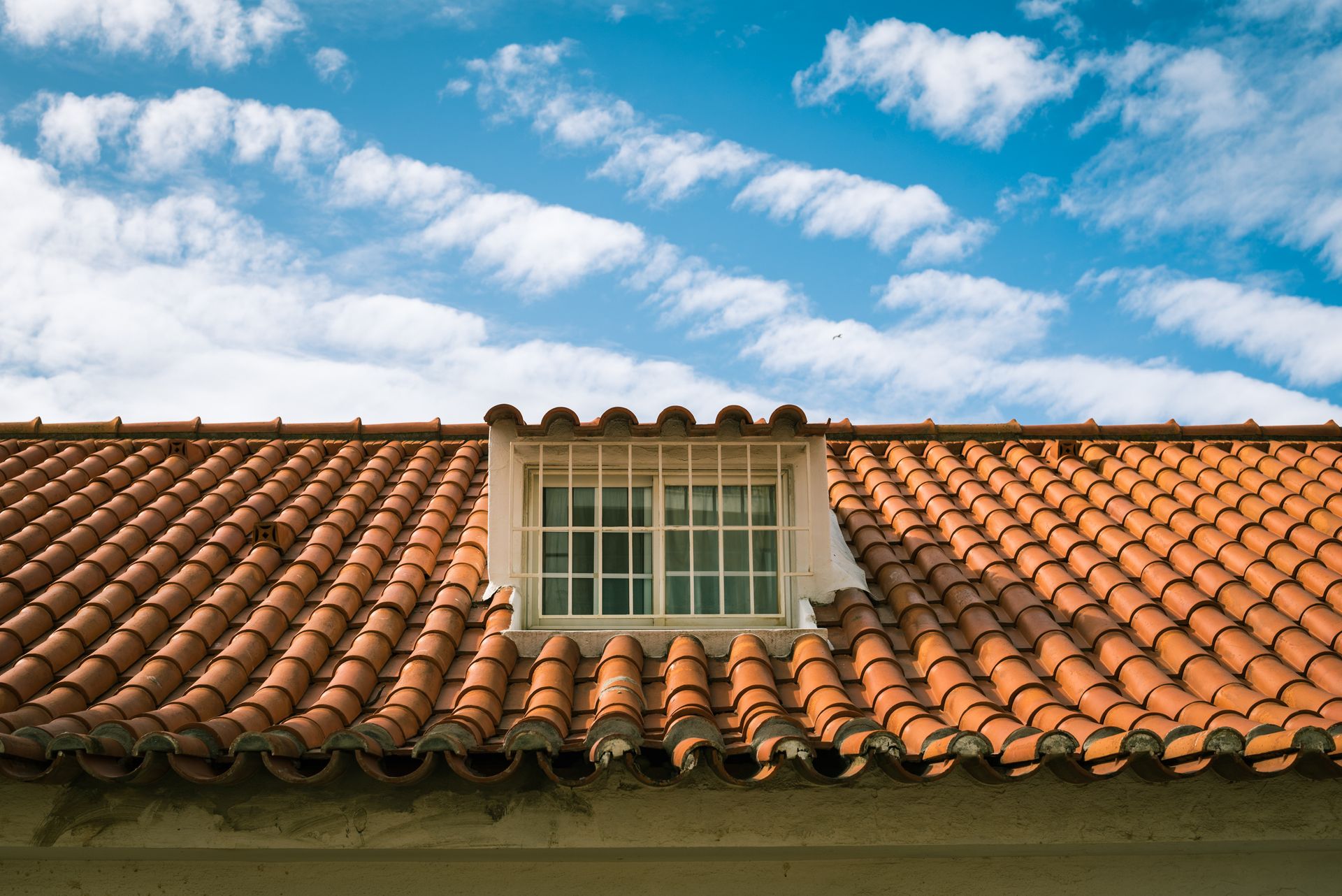
Even if your roof isn’t in crisis mode, regular maintenance can stretch its lifespan. Clear gutters, trim back overhanging branches, remove debris, and watch for moss growth before it spreads. Small actions can prevent bigger repairs later. It also helps to schedule periodic inspections, especially after major storms or if your roof is over 15 years old. Catching cracked flashing or worn sealant early is far easier than dealing with soaked insulation and stained ceilings.
Keep records of inspections, repairs, and installation dates. That paperwork can help with warranty claims, insurance questions, and future home sales. A well-maintained roof tells buyers your home has been cared for.
When your roof starts showing signs of wear, the best move is usually simple: get expert eyes on it early, compare your options carefully, and make decisions before minor damage starts acting expensive.