
Evidence is especially important after an injury in Santa Monica because it can help establish what happened, who may be responsible, and how the incident affected the injured person.
Santa Monica, California, is a busy coastal city with popular beaches, pedestrian areas, shopping districts, and heavily traveled streets. Residents and visitors share roads and public spaces, so accidents may involve drivers, cyclists, pedestrians, businesses, or property owners. Working with a personal injury lawyer in Santa Monica, CA, can help an injured person understand what evidence may support a claim and how to preserve it.
Personal injury cases depend on facts rather than assumptions. A clear record of the incident, the injuries, and the resulting losses can help insurance companies, attorneys, and courts evaluate responsibility and damages.
Evidence Helps Explain How an Accident Happened
After an accident, people may remember events differently. Photographs, videos, witness statements, and official reports can help establish a more complete account.
For example, a pedestrian accident may involve questions about traffic signals, visibility, vehicle speed, or the pedestrian’s location. In a slip-and-fall incident, important details may include the condition of the floor, lighting, warning signs, and how long a hazard was present.
Photographs taken soon after an incident can be particularly useful because conditions may change quickly. A wet floor may be cleaned, a damaged railing may be repaired, or a vehicle may be moved before an investigation takes place.
Local Conditions May Affect the Evidence
Santa Monica includes busy intersections, commercial areas, residential streets, and public spaces near the coast. The type of location where an accident occurs can influence what evidence is available.
A collision near an intersection may be captured by a traffic camera or nearby business surveillance system. An incident inside a store may have security footage, inspection records, or employee observations. A fall on a walkway may require photographs of the surface, measurements, maintenance records, or information about previous complaints.
Not every location has usable footage, and recordings may be deleted after a limited period. When video could be relevant, it is important to identify the potential source promptly and preserve the information through appropriate channels.
Medical Records Connect Injuries to the Incident
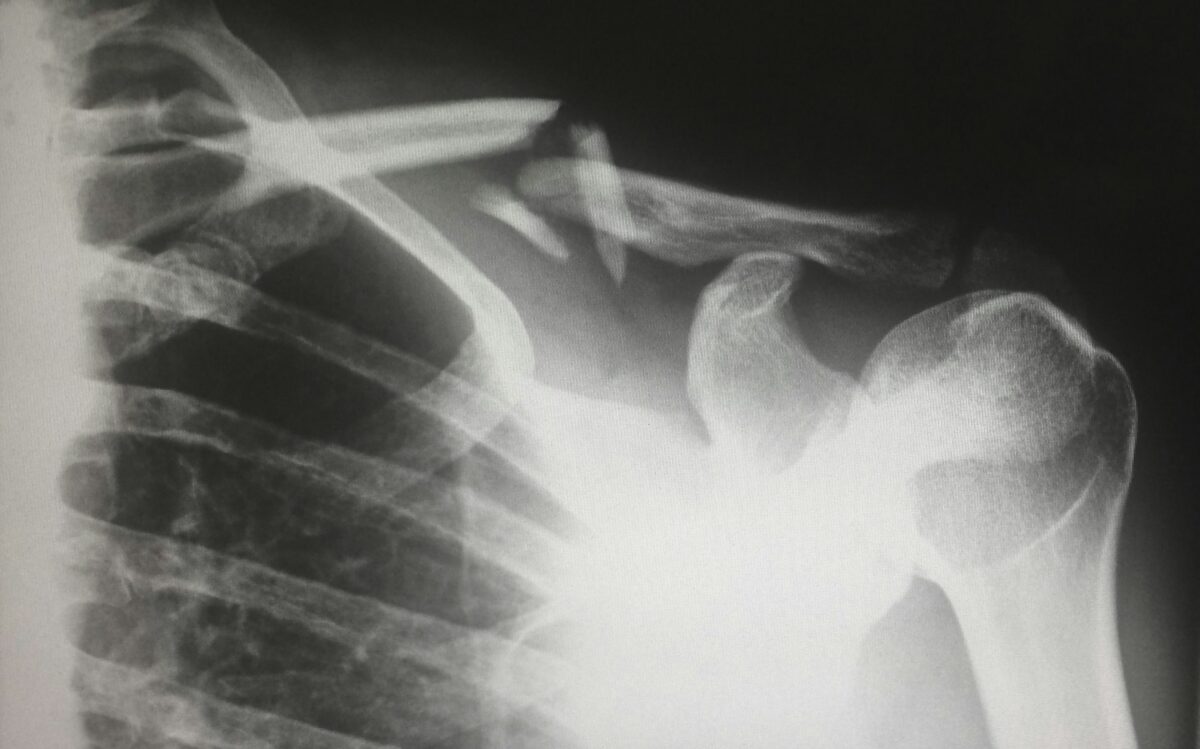
Medical documentation can help explain the nature of an injury, the treatment required, and how symptoms change over time. Records may include emergency care notes, diagnostic imaging, physician assessments, physical therapy reports, and follow-up visits.
Seeking appropriate medical attention is important even when an injury initially appears manageable. Some symptoms become more noticeable hours or days after an incident. A healthcare professional can evaluate those symptoms and recommend suitable care.
Accurate medical records may also help distinguish injuries related to the incident from pre-existing conditions or unrelated health problems. People should describe their symptoms and medical history honestly so providers can make appropriate assessments.
Witness Statements Can Provide Additional Context
People who saw an accident may remember details that the injured person did not notice. A witness might have seen a vehicle approach an intersection, observed a spill before a fall, or heard a conversation immediately after an incident.
If it is safe and appropriate, record witnesses’ names and contact details. Avoid pressuring anyone to support a particular version of events. Their accounts should reflect what they actually observed.
Witness memories can fade over time, so collecting contact information soon after an incident may make later follow-up easier.
Preserve Records of Financial and Personal Losses
A personal injury claim may involve more than medical bills. Depending on the circumstances, losses can include missed wages, reduced earning capacity, transportation expenses, rehabilitation costs, and other documented out-of-pocket expenses.
Keep copies of invoices, receipts, pay records, and relevant correspondence. A simple timeline of missed work, appointments, and changes in daily activities may also help explain the injury’s impact.
Evidence of non-economic harm, such as pain and limitations on ordinary activities, may require medical records and a clear description of how the injury affected daily life. The types of recoverable damages depend on the facts and applicable law.
Key Takeaways
- Photographs, video, witness accounts, and official reports can help establish what happened.
- Evidence may disappear or become harder to obtain with time.
- Medical records can document injuries, treatment, and recovery.
- Receipts and employment records can help demonstrate financial losses.
- Preserve original evidence and be mindful of legal deadlines.