






It can be hard to find time to practice every day. You may have work, classes, family plans, or other commitments. By the time you pick up your instrument, you may only have a few minutes left.
However, even a focused 15-minute session can help you improve if you follow a simple plan. You do not need to play every scale you know or work through a whole piece. You only need to choose a few small goals and give each one your full attention.
We will tell you about a simple routine with only three parts: five minutes to warm up, five minutes for technique, and five minutes for music.
Why Short Practice Can Still Help
While a short session gives you less time, it can make your practice more focused.
Practicing for 15 minutes every day also helps you build a habit. It is often easier to make progress through regular short sessions than by practicing for two hours once a week.
You may not notice a big change after one day. However, those small daily improvements begin to add up over time.
Get Ready Before You Start
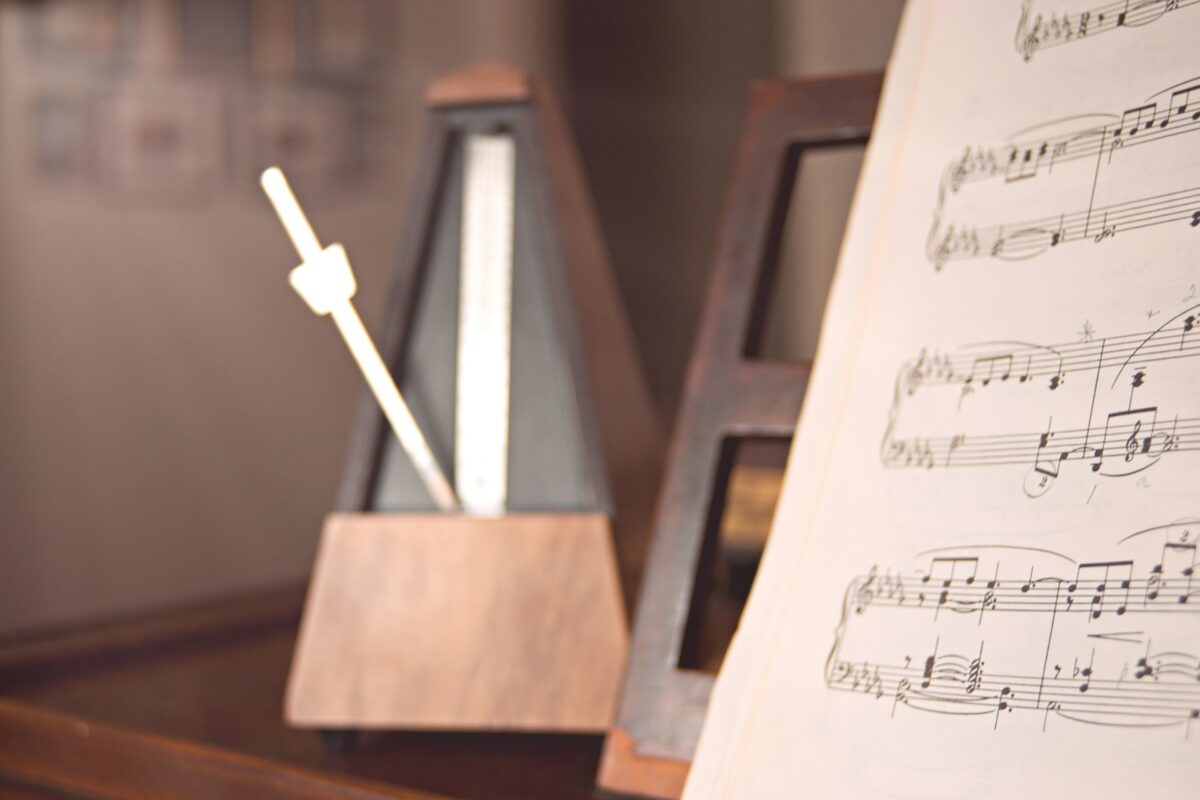
Prepare everything before starting your 15-minute timer. Put your music on the stand, get your instrument ready, and open your metronome.
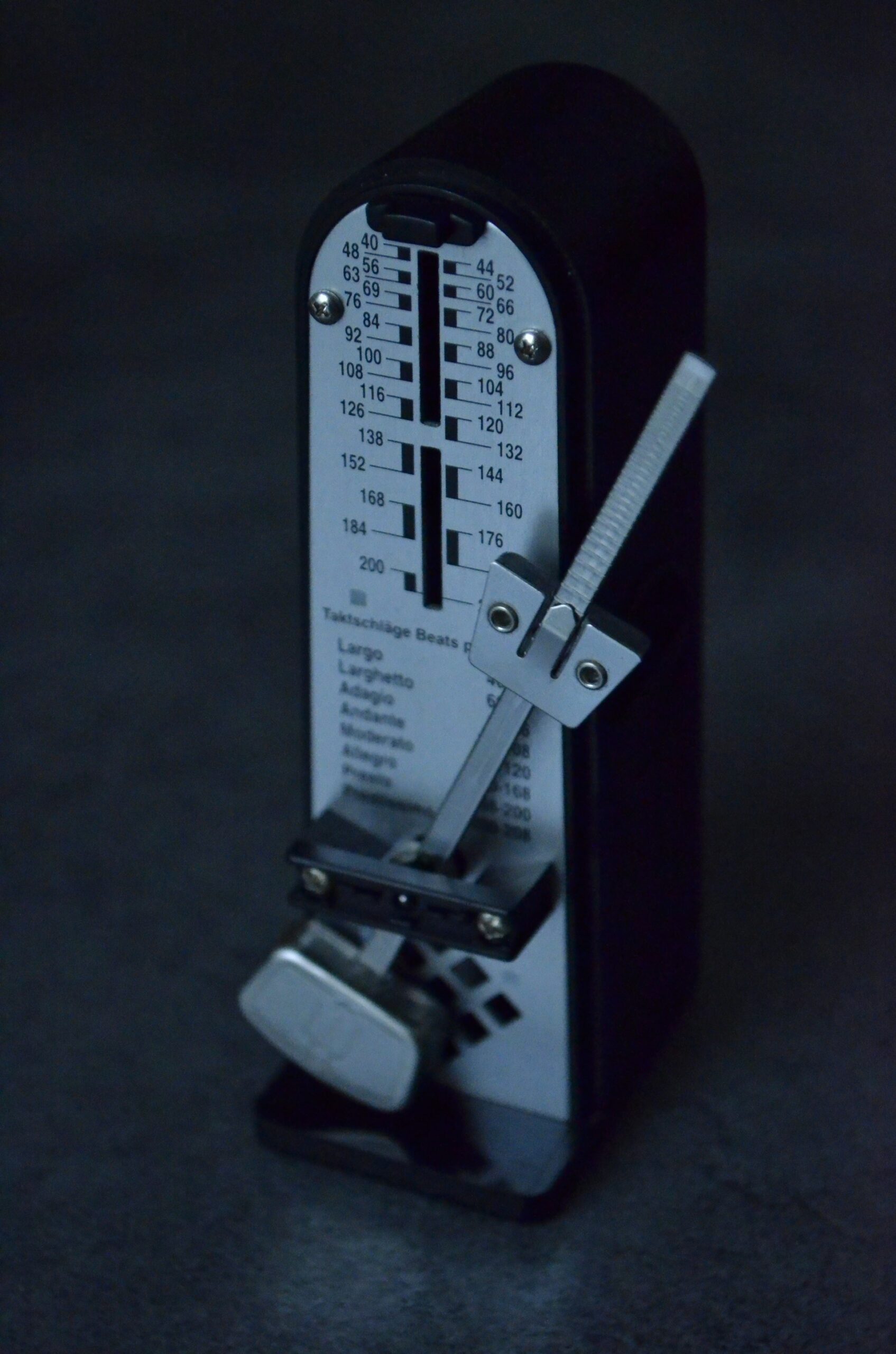
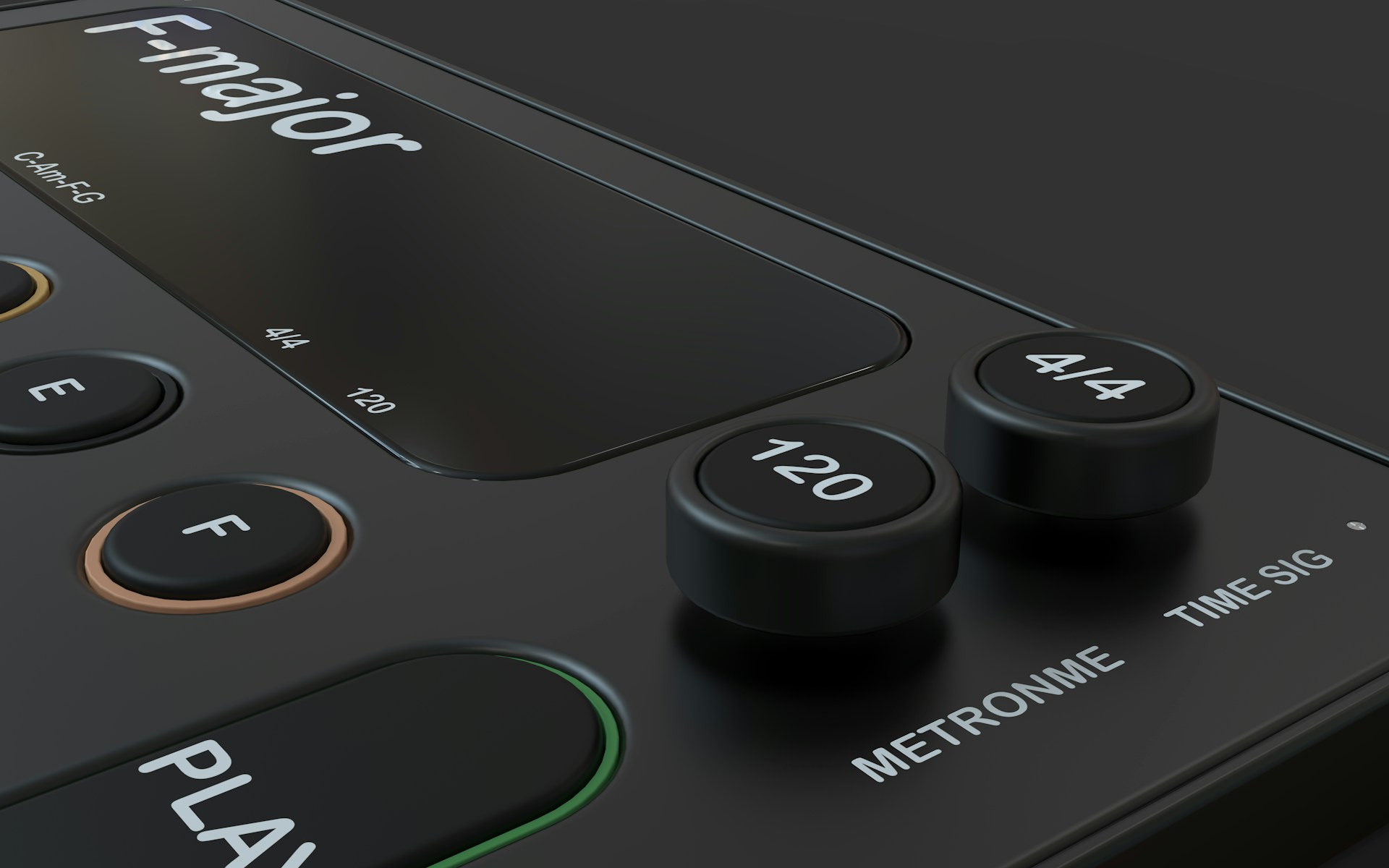
You can use a traditional metronome, an app, or a free online metronome. Choose the option that is easiest for you to access.
Next, decide what you want to practice. For example, you might want to play one scale with a steady beat or make a chord change smoother.
Choosing your goal in advance means you can start playing straight away.
Minutes 1–5: Warm Up
Begin with something simple and comfortable. The aim is to prepare your hands, voice, or breathing for the rest of the session.
Set the metronome to a slow or medium tempo. The right speed will depend on your instrument and the exercise. A tempo between 60 and 80 BPM may be a useful starting point, but there is no need to follow this exactly.
For example, you can warm up with a simple scale, long, steady notes, or open strings.
Try to place every note with the click. Listen closely and keep your body relaxed. If your hands or shoulders become tense, slow down and use smaller movements.
Do not turn the warm-up into a speed test. You are preparing yourself to play well, not trying to break a record.
Minutes 6–10: Practice One Skill
Use the next five minutes to work on one technical skill.
It may be tempting to practice several exercises, but five minutes passes quickly. You will usually learn more by staying with one exercise and paying attention to how you play it.
Choose a tempo that allows you to play without feeling rushed. Repeat the exercise and listen for uneven notes, unwanted pauses, or tension.
If you keep making the same mistake, lower the tempo. Slowing down is not a failure. It gives you time to understand what is happening and correct the movement. Once you can play the exercise well several times, raise the tempo by two to five BPM. Keep the increase small so that you remain in control.
Minutes 11–15: Work on a Piece of Music
Spend the final five minutes on a song, study, or piece you are learning.
You probably will not have enough time to play the entire piece carefully. Instead, choose one short section that needs work. This could be a difficult chord change, a fast passage, or a rhythm that never feels completely comfortable.
Play the section once and notice where the problem happens. Then slow it down and practice only that part.
If it still feels difficult, make the section even smaller. Work on one bar or a few notes. You can also clap the rhythm or count it aloud before playing it again.
During the final minute, connect the small section to the music around it. Start one or two bars earlier and continue one or two bars past it. This helps you place the improved section back into the piece.
Make the Routine Work for You
You do not have to follow the same plan every day. The three five-minute sections are only a simple starting point.
If you are preparing for a lesson or performance, you may want to spend more time on your piece. On another day, you might need extra time for scales or rhythm exercises.
You can also change your focus during the week. For example, work on rhythm on Monday, scales on Tuesday, and difficult chord changes on Wednesday.
The routine should support what you are learning now.
Final Thoughts
Fifteen minutes may seem like a short session, but it is enough time to have a useful practice session. You can warm up, work on one skill, and improve a small part of a piece without feeling overwhelmed.
There is no need to rush just because the session is short. Use the metronome to keep a steady beat, listen carefully, and choose a speed that lets you play with control. If you return regularly and improve one small thing each time, those 15-minute sessions can lead to real progress.