






A clean house does more than look good. It shapes how comfortable a family feels, how easily everyone breathes, and how often unwanted creatures decide to move in. In South Florida, warm weather and frequent rain create ideal conditions for insects throughout the year, so small daily choices carry real weight. When a household builds simple habits around cleaning, storage, and upkeep, the living space becomes healthier, calmer, and far less inviting to pests.
Stopping Small Invaders Before They Settle In
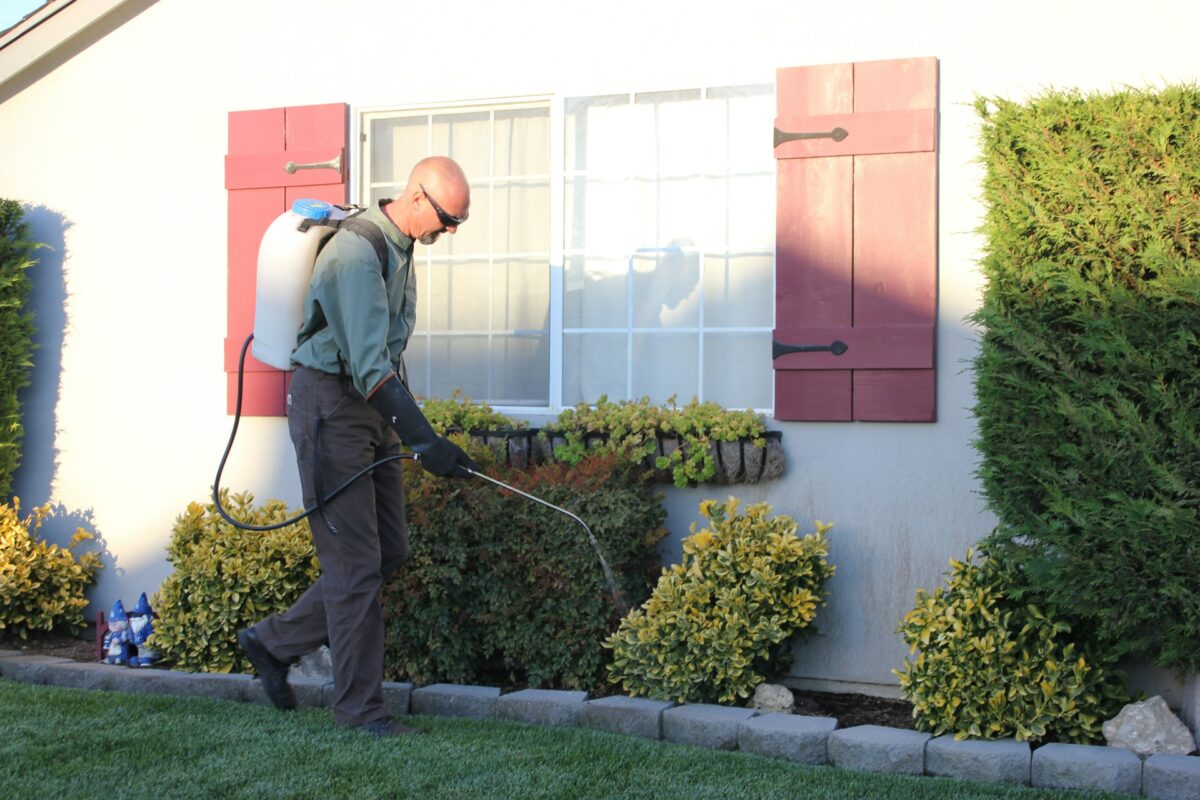
Even a tidy kitchen can attract tiny visitors when a few crumbs or a sticky spill go unnoticed for a day. Ants are especially quick to find these spots, and once a single scout discovers food, it leaves a scent trail that draws a steady line of others indoors. A targeted treatment from trained technicians deals with the problem at its source by reaching the colony rather than only the insects on the counter. Hire a company that provides ant control for South Florida homes for a careful inspection, baits that workers carry back to the nest, and sealed gaps at points where they get inside. With that groundwork in place, everyday habits become far easier to keep up and much more effective over time.
Keeping the Kitchen Clean and Crumb-Free
The kitchen is usually the busiest room in the house, which makes it the first place pests check for an easy meal. Wiping counters after every meal, sweeping the kitchen floor each evening, and rinsing dishes instead of leaving them in the sink all remove the small scraps that draw insects in. Appliances deserve attention too. Crumbs collect beneath the toaster, behind the stove, and along the edges of the refrigerator, so moving these items once a week for a quick clean makes a real difference. A kitchen that stays clean overnight gives pests very little reason to stay.
Storing Food and Pantry Items the Smart Way
Open packages are an invitation to hungry insects. Moving cereal, flour, sugar, rice, and snacks into airtight containers keeps them fresh and out of reach. Pet food deserves the same care, since a bowl left out overnight can attract a crowd by morning. Feeding pets at set times and storing their food in sealed bins solves this problem. Checking the pantry every few weeks for expired items, spills, or torn bags keeps shelves orderly and removes hidden food sources.
Managing Moisture in Bathrooms and Laundry Areas
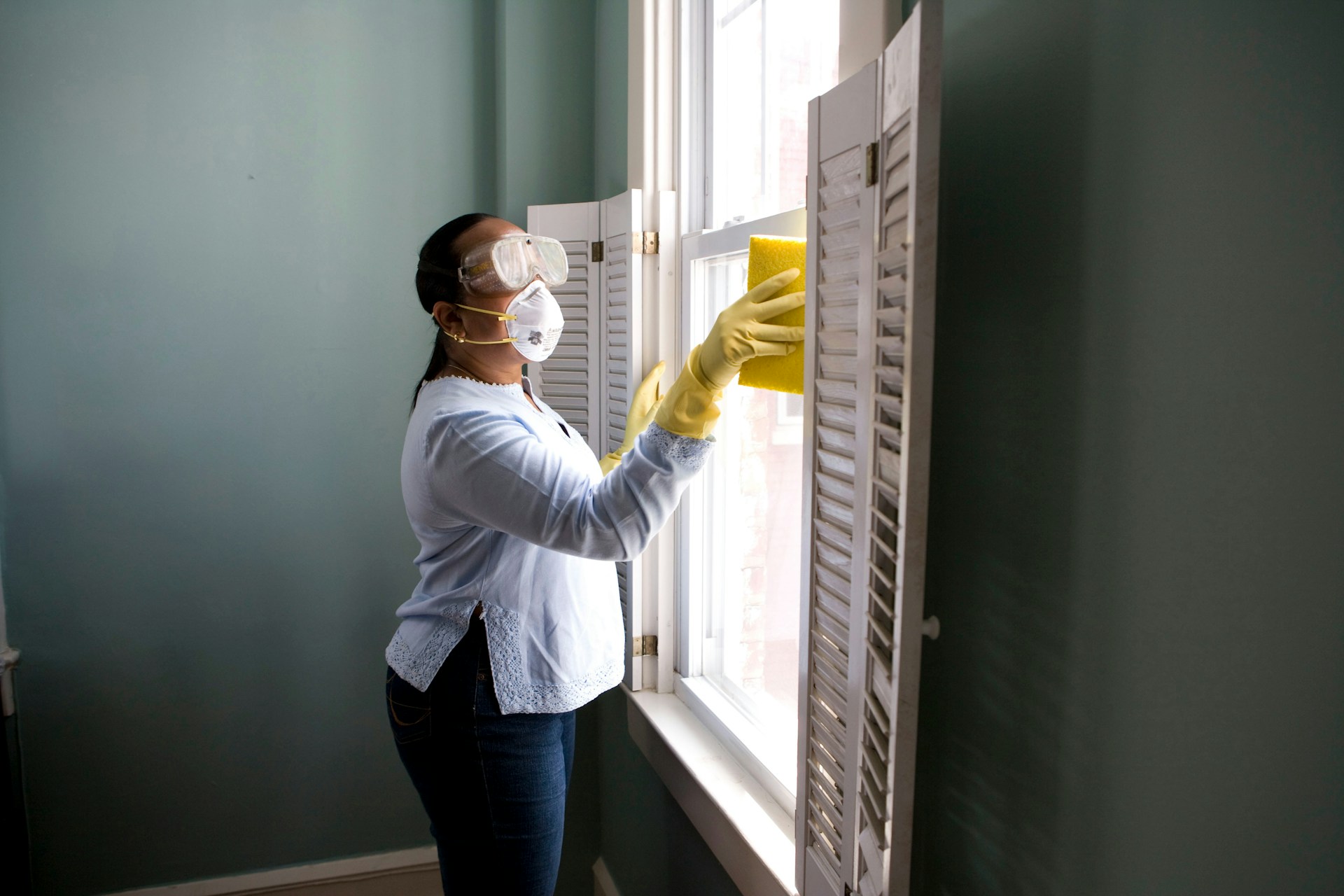
Many pests need water as much as they need food. Leaky faucets, dripping pipes, and damp corners give them exactly what they are searching for. Fixing small leaks quickly, running the exhaust fan during and after showers, and wiping down wet surfaces all help keep these rooms dry. Laundry areas often hide moisture behind the washer or beneath the sink. Pulling machines forward now and then to check for puddles can reveal problems early. A drier house also discourages mold and mildew, which improves air quality and protects walls, cabinets, and flooring from lasting damage.
Sealing Cracks, Gaps, and Openings Around the House
Insects and rodents can slip through openings far smaller than most people expect. Walking around the outside of the house once a season to check for cracks in the foundation, gaps around windows and doors, and openings where pipes or cables enter the walls is time well spent. Caulk works well for narrow cracks, while weatherstripping closes the space beneath doors. Damaged window screens should be repaired or replaced promptly. These fixes also improve energy efficiency, keeping cool air inside during the hottest months and lowering monthly utility costs.
Caring for the Yard and Outdoor Spaces
What happens outside affects what ends up inside. Overgrown shrubs and tree branches that touch the roof or walls act as bridges for insects. Trimming plants so they sit a short distance from the house removes these easy paths. Mulch and firewood piles also hold moisture and offer shelter, so keeping them away from the foundation is a smart choice. Standing water in planters, gutters, birdbaths, and old tires breeds mosquitoes quickly. Emptying these containers regularly and keeping gutters clear allows rainwater to flow away from the house as it should.
Handling Trash and Recycling Properly
Garbage is one of the strongest attractions for pests of every kind. Using bins with tight-fitting lids, both indoors and outdoors, keeps odors contained and food scraps out of reach. Taking the kitchen trash out every evening, rather than letting it sit for days, prevents smells from building up. Recycling containers need attention as well, since unrinsed cans and bottles leave behind sugary residue. A quick rinse before tossing them in solves the problem. Washing the bins themselves every few weeks removes the sticky film that collects at the bottom over time.
Building a Seasonal Maintenance Routine
A simple schedule makes it easier to stay ahead of problems rather than reacting to them. Spring is a good time to check screens, clean gutters, and inspect the roof after winter storms. Summer calls for extra attention to moisture, standing water, and overgrown plants. In autumn, sealing gaps and clearing debris from around the foundation prepares the house for cooler weather. Writing these tasks on a calendar or setting reminders turns them into habits. Over time, regular upkeep costs far less than repairing damage that has been left to grow.
Improving Indoor Air Quality for Healthier Living
A pest-resistant house is also a healthier one. Dust, pet dander, and droppings left behind by insects can trigger allergies and breathing problems, especially in children and older adults. Vacuuming carpets and rugs weekly with a good filter, washing bedding in hot water, and dusting shelves and vents all reduce these irritants. Changing air conditioning filters on schedule keeps air circulating cleanly through every room. Together, these habits create a comfortable space where everyone can rest, relax, and breathe more easily.