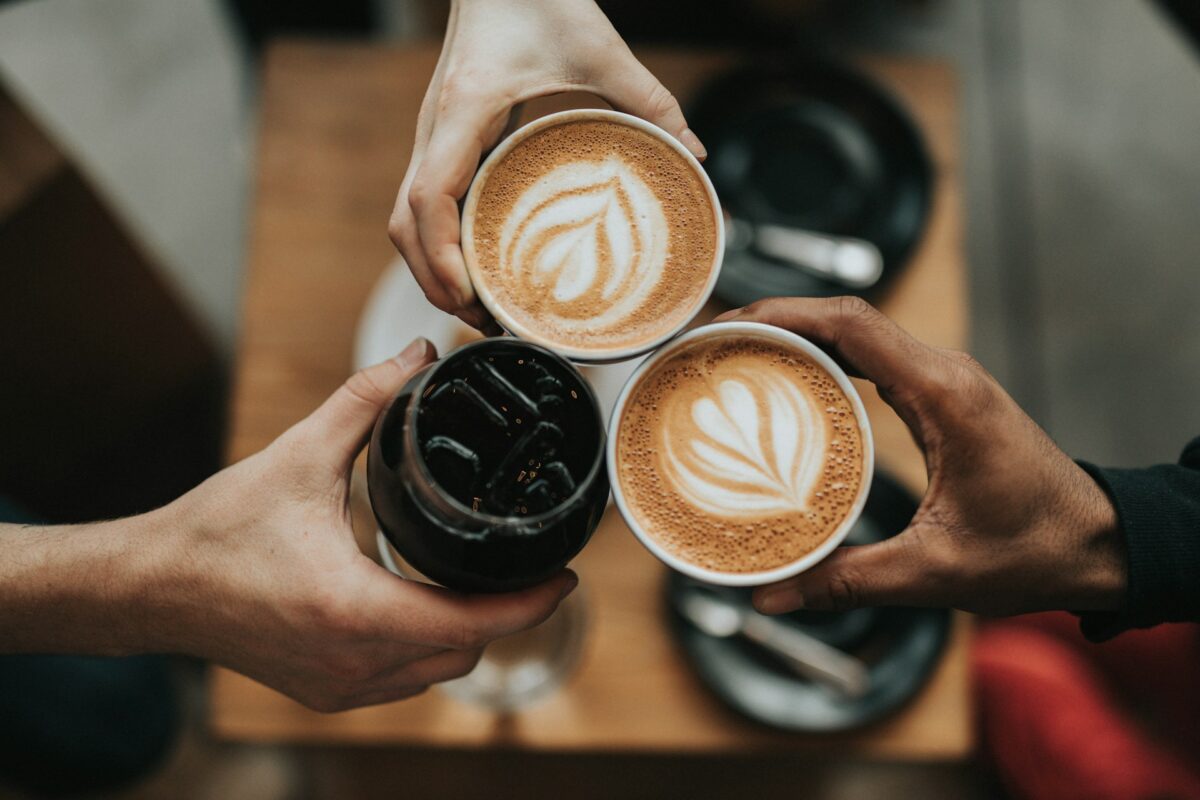

Your palm has felt it: the paper cup that turns too hot somewhere between the counter and the car door.
For decades that little burn was just part of buying coffee, a tax you paid with your fingers.
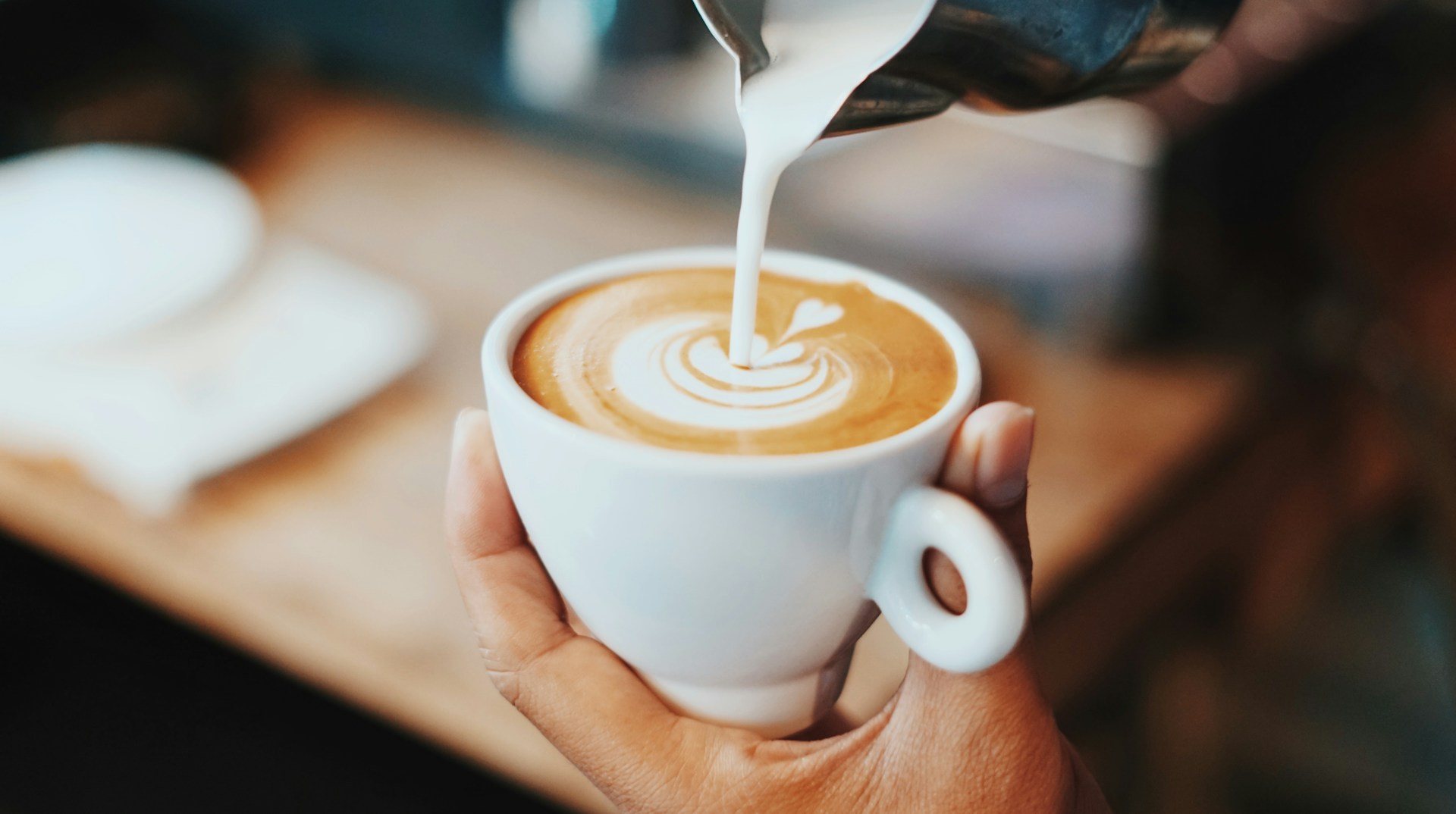
Then someone glued two walls of paper together, and a quiet piece of the takeaway experience disappeared. Walk into most cafes now and the sleeve rack sits half empty, an afterthought next to the napkins.
That change did more than protect your hand. It reshaped how coffee shops buy packaging, how drinks feel in transit, and how a plain paper cup became a walking billboard. Cafes that print their logo on double wall paper cups get insulation and branding out of a single item, which is why the format spread from specialty roasters to diners and food trucks in a few short years.
Here’s what happened, why it stuck, and how to pick cups that do not go soggy on the drive home. By the end you will know why the double wall won, and where it still falls short.
The Problem With the Old Single Wall
A single wall cup is one sheet of paperboard rolled into a cone. It is cheap, light, and terrible at holding heat. The paper has almost no air in it, so the coffee’s heat shoots straight through to your fingers within seconds. Everyone solved this the same boring way: a second sleeve of corrugated cardboard, stacked by the register, handed out a million times a day.
Sleeves work, mostly. They also cost money, occupy counter space, and get forgotten exactly when the line is longest. Walk into a busy shop at 8 a.m. and count how many sleeves end up on the floor versus in the trash. That mess is not a staffing problem. It is a design problem.
What Double Wall Actually Does
Double wall cups solve the same problem with a smarter build. Two layers of paper sandwich a thin pocket of air, and that trapped air is the insulation. Heat has to cross paper, then air, then paper again before it reaches your hand. The result is a cup you can carry without flinching, and coffee that stays warm longer than it would in a bare single wall. A double wall and a sleeved cup are not the same thing, either. A sleeve only guards the middle band where your fingers land. The double wall insulates the whole cup, so heat does not leak out the sides above and below the sleeve. Our test: hold both cups at the top rim and the double wall stays noticeably cooler, because the second layer wraps all the way up.
The tradeoff is cost and shelf space. Double wall cups run more per unit than single wall, and they do not nest as tightly, so a case takes up more room in a small back bar. Try telling a shop owner with two feet of storage that the upgrade eats space. I would still choose the double wall every time. The sleeve you stop buying pays for a good chunk of the difference.
Why It Became a Branding Tool
Here is the part that surprised me. Once shops stopped hiding cups behind sleeves, the cup itself became the most-seen piece of branding a cafe owns. People photograph their drinks, set them on tables, and carry them down the street.
Coffee is not a tiny business. According to the Bureau of Labor Statistics, food and beverage stores and drinking places employ millions of workers across the country, and every one of those counters moves through a mountain of disposable cups in a year. When that much packaging leaves your shop in customers’ hands, blank paper is wasted space.
That is why branded cups pushed sleeves aside. A printed logo on an insulated cup does two jobs at once: it keeps the drink hot, and it puts your name in front of everyone on the sidewalk. A sleeve with a logo does the second job worse, because it slides off and lands in the bin.
What to Match Your Cup To
Cup size drives almost every decision, and guessing wrong wastes money. Order too small and you are double-cupping large lattes, which costs more than the upgrade. Order too big and an espresso looks lost in it.
| Size | Works best for | Watch out for
|
|---|---|---|
| 8 oz | Espresso, cortados, small drip | Feels skimpy for a sit-down drip order |
| 12 oz | Standard coffee, flat whites, most takeaway | Nothing much, which is why it sells |
| 16 oz | Lattes, cold brew, long drinks | Top-heavy in cheap lids |
| 20 oz | Commuters, high-volume service | Takes serious shelf space |
Stick to one lid that actually fits, too. A lid that pops loose at 12 oz is not a small annoyance. It is a burned customer and a refund you did not budget for. Buy a sample of the cup and lid together, fill it with hot water, and shake it. Do this before you commit to a full pallet.
Sourcing Without Guessing
Most shops start by ordering a case from a local distributor, then switch once they hit volume. The questions that separate a good supplier from a headache are boring ones:
- Can you show a sample of the exact cup I am ordering, printed and unprinted?
- What is the production and shipping window, and is that calendar days or business days?
- Does the cup fit the lids I already have, or am I re-buying lids too?
- Can I reorder the same logo later without redoing the design file?
- What is the minimum order for a custom run, and does it drop if I stick with stock?
Environmental questions come up here too, and it pays to be straight with customers. Baseline data from the Environmental Protection Agency shows paper products make up a real share of the municipal waste stream, and coffee cups are part of that picture. Double wall cups can reduce material in a surprising way, because you are not buying and shipping a separate sleeve for every drink. Less packaging on the truck means less packaging in the bin.
If your shop wants a greener story, get specific. Ask about recycled content, ask how the cups are packed, and ask what actually happens to them in your city’s waste system. Vague promises age badly. Real numbers do not.
The Case for a Standard Cup
The double wall cup is one of those small design wins that quietly improved a daily ritual. It keeps your coffee hot, your hand cool, and your logo in view without the extra sleeve shuffling around the counter. The format is not magic. It is just two layers of paper doing the obvious thing better.
The next time you grab coffee on the way to work, notice which cup you were handed and whether you needed to ask for anything else. If you run a shop and you are still paying for sleeves, run the math on one month of both. Then tell me the double wall did not win.