





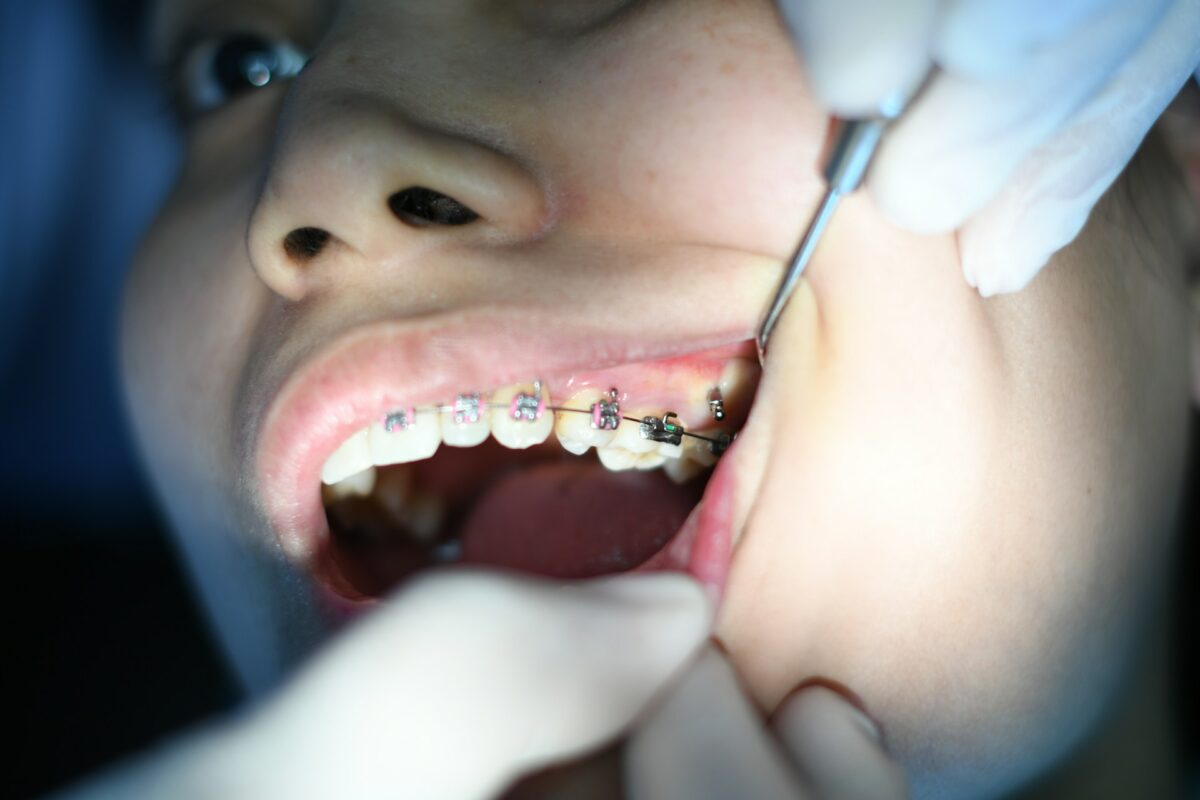

Three kids. Seven years of appointments. Two insurance plans that never lined up the way the brochure promised.
That is how long it actually took one Loudoun County family I know to get all three of their kids out of braces, and the only reason it worked is that they planned it like a home renovation instead of a dentist visit.
Most parents wait for the dentist to say “you should see an orthodontist” and then start scrambling. The families who come out ahead do the opposite. They run a rough timeline years in advance, figure out what their plan covers, and pick a provider before anyone’s jaw is done growing. If you’re mapping that out around Chantilly and South Riding, it helps to start with someone local who treats whole families, like your south riding orthodontist at Omar Orthodontics, because drive time and school-night scheduling turn out to matter more than almost anything else over a two-year treatment.
Here’s the part that surprises most people: the planning is 80 percent logistics and 20 percent clinical. Get the logistics right and the rest mostly falls into place.
What age should braces actually start?
The old rule of thumb was “wait until all the baby teeth fall out,” and it’s still floating around every school parking lot. The American Dental Association has long recommended an orthodontic screening by age seven, which is earlier than a lot of parents expect. That doesn’t mean your seven-year-old walks out with brackets. It means a professional looks at how the jaw is developing while it’s still soft enough to guide.
In practice, early evaluation catches two things: crowding that’s going to get worse as adult teeth arrive, and bite patterns that respond beautifully to small interventions now and poorly to big ones later. Plenty of kids get evaluated at seven and don’t start treatment until eleven or twelve. That’s a normal, boring outcome, and it’s a win. You spent one consultation to avoid a much bigger mess.
What I’d tell a friend: don’t wait for the dentist’s nudge. The nudge comes when the problem is visible, and by then you’ve lost the growth window that made things easier. Book the consult. If nothing’s needed, you’ll know that too.
The money conversation nobody schedules
Families talk about cost in the car after appointments, never before. Flip that. Before you fall in love with a treatment plan, pull out the plan documents and answer three questions in writing.
- Does my dental plan include orthodontic coverage, and does it carry a separate lifetime maximum?
- Is there an age cutoff for dependents, and is it based on the start date or the payment date?
- What payment arrangements does each office offer, and is a no-interest plan on the table?
Those three answers will reshape which offices even make your shortlist. Some plans cover a fixed dollar amount no matter the total, which means the gap between a modest plan and a fancier one comes straight out of your pocket. Others cap eligibility at a specific age, so a kid evaluated at seven but treated at fifteen can fall off coverage entirely.
The Federal Trade Commission publishes consumer guidance on health care and insurance questions, and it’s worth a read before you sign anything, because treatment agreements sometimes bundle in extras you didn’t request. Ask for the full breakdown in writing: records fee, hardware, adjustments, retainers, and the removal appointment. Retainers in particular get treated as an afterthought and then show up as a line item two years later.

A planning checklist you can run this month
Here’s the sequence I’d follow if I were starting from zero with a kid in elementary school. It takes a few evenings and saves a couple of years of guessing.
- Call your dental plan first. Get the orthodontic maximum, the dependent age limit, and whether there’s a waiting period. Write it on the fridge.
- Log the drive. Time the trip to two or three offices at 8 a.m. on a school day, not Sunday afternoon. A 20-minute commute becomes a 45-minute one with school traffic, and you’ll make that trip dozens of times.
- Ask about scheduling windows. Some offices reserve early mornings, some run late afternoons. Match that to your household’s actual routine, not your ideal one.
- Ask how treatment is monitored. Same-day repairs, virtual check-ins, weekend emergency contact. Get specifics.
- Get two plans side by side. Compare total cost, timeline, and what happens if you move or switch providers mid-treatment.
The last point is the one families skip and regret. Military moves, job relocations, and divorces all happen mid-treatment in Northern Virginia more often than anyone plans for. Ask up front what transfer credits look like.
Why local matters more than you think
Orthodontic treatment runs on a rhythm of short, frequent visits. Tightening appointments, progress checks, a bracket that pops off at field hockey practice on a Thursday. Every one of those visits costs you a commute, a carpool reshuffle, or a late arrival at work. An office that’s a six-minute drive from the Chantilly or South Riding school cluster absorbs that friction. One that’s 40 minutes away turns a popped bracket into a half-day event.
According to the Bureau of Labor Statistics, dental and orthodontic care continues to be a steady, growing part of the health services labor market, which means you’ll have plenty of offices to choose from. Choosing well is the hard part. The selection framework I’ve seen work, and the one I’d use, is Time, Talk, and Transfer: how much time the practice gives you in the consult, how clearly it talks about cost and timeline, and what happens if you transfer mid-treatment. Score each office on those three and the decision usually makes itself.
Age seven may sound alarmingly early for a first look, but nothing about that visit commits you to anything. It just puts a professional set of eyes on a growing jaw while there’s still a window worth using.
Timing the family calendar
Most orthodontic treatment runs somewhere in the neighborhood of two years for a full case, and the calendar around that matters as much as the treatment itself. Think about what your household has coming in that stretch: a move, a new baby, a kid heading to college, a job change that scrambles the insurance plan.
A practical scenario: a family with two kids close in age often benefits from staggering start dates by six to twelve months, so the adjustment-appointment load doesn’t pile up in the same school year. The older kid gets the first round, the younger one starts after the first is in retainers. It costs a little in overall timeline and saves a lot in parental sanity.
Retainers deserve their own planning slot, by the way. They’re a lifetime commitment, not a finishing move. Build the replacement cost into your budget the year treatment ends rather than discovering it when your teenager loses one on a band trip.
Questions to bring to the first visit
Walk in with a short list and you’ll get more out of one consultation than most families get out of three. Ask about the treatment timeline in months, the total cost including retainers, the payment structure, and what happens if an appointment needs to be moved or a wire breaks. Ask who does the adjustments and whether you’ll see the same orthodontist every visit. In a family practice, that continuity is often the whole reason parents stay.
And ask what the office’s no-money-down or no-interest arrangements look like, because a cash-flow plan is often the difference between starting treatment now and putting it off a year. That’s not luxury spending, it’s how families make room for a major expense without derailing everything else.
Planning for braces is really planning for a household routine that holds up over about two years. You’re not shopping for the fanciest office or the cheapest quote. You’re choosing a commute you can manage twice a month, a payment plan that doesn’t strain your budget, and a provider who answers your questions in plain English and treats your next kid the same way they treated the first. Start with the plan documents and the drive time, not the brochures.
What’s your household’s actual timeline right now? Map out the next two years on paper this weekend, then call two nearby offices. The clarity is worth more than the first consultation is likely to cost you.