





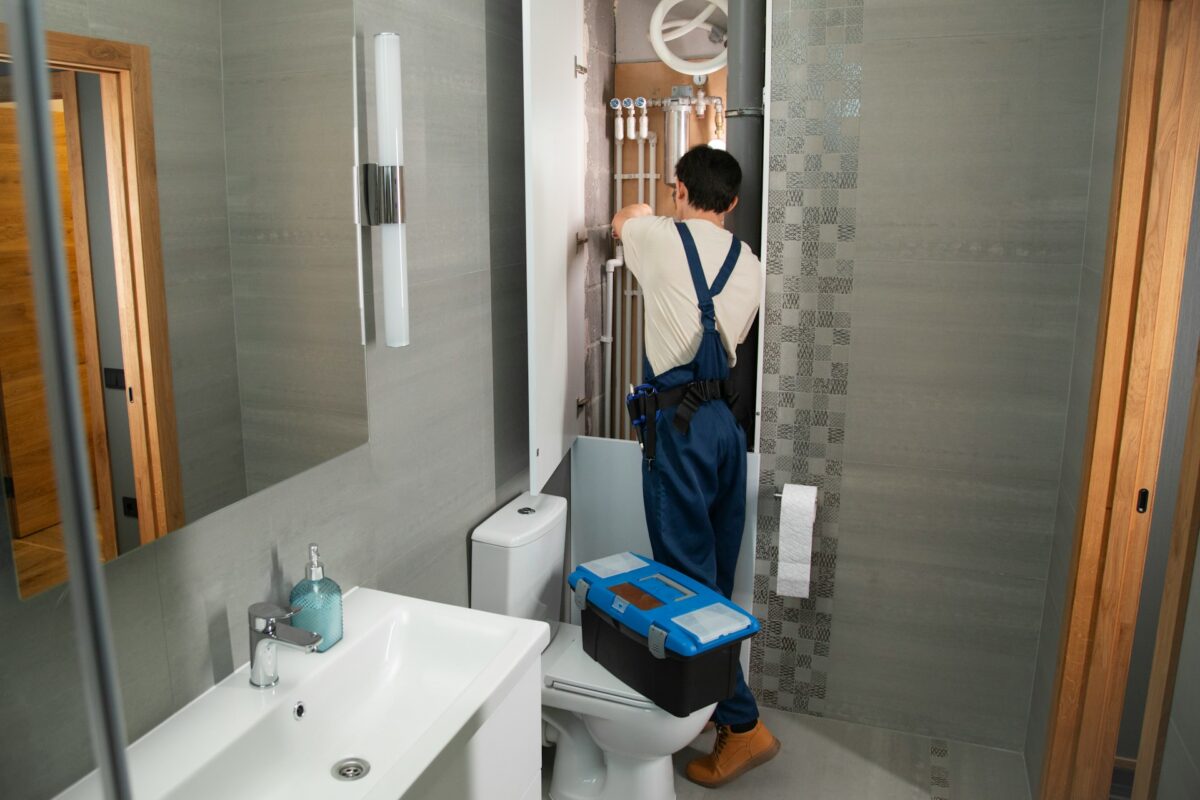

I burned a full Saturday last spring trying to find a leak I was sure lived under my kitchen floor.
It didn’t. It lived behind the baseboard, three feet away, doing quiet damage while I crawled around with a flashlight convinced my slab was cracking.
That afternoon taught me something a lot of new transplants here learn the hard way: the house you bought is only half the story. The ground under it, the water coming out of the tap, and the way your street was built all shape how your home behaves when something goes wrong. When you need a plumber in Holly Springs, NC, the good ones don’t just fix the pipe you point at. They read the whole property first.
Here’s the promise: by the end of this piece you’ll know which local conditions actually matter, which homeowner habits make them worse, and how to handle a problem without turning your weekend into a crawlspace expedition. None of it is dramatic. All of it saves money.
Why the ground under your house changes the repair
Holly Springs grew fast, and fast growth means a patchwork of housing stock. Newer subdivisions sit on slabs. Older blocks nearby have crawlspaces, and a few streets still have wells and septic systems tucked behind the fence line. That mix matters because the same symptom points to different causes depending on which house you bought.
A wet spot on the floor in a slab home usually means a supply line under the concrete, and finding it takes a camera, not a guess. In a crawlspace house, your first suspect should be condensation on a cold pipe or a slow drip near a fitting you can actually see. Same puddle, two completely different jobs. If a contractor quotes you a slab break before looking at your foundation type, get another opinion.
The local soil doesn’t help. We get clay-heavy ground that swells when wet and shrinks when it dries, and that movement puts quiet stress on buried lines year after year. It’s one of the reasons sewer problems here often start as a hairline crack instead of a clean break.
Hard water is the slow thief
Water hardness in the Piedmont runs high, and anyone who’s replaced a showerhead twice in three years already knows it. Scale builds inside your water heater, on faucet aerators, and along the inside of older galvanized or copper plumbing. You won’t notice for months, then your hot water takes longer to arrive, your pressure drops at the far bathroom, and a valve you never touch refuses to turn.
I’m not going to sell you a water softener as an automatic yes. If you’re on municipal water and your main complaint is spots on glasses, a softener is mostly a comfort purchase. If you’re on a well, or you’ve already paid for one heater replacement, get your water tested first and let the numbers decide.
- Test your hardness before buying treatment equipment.
- Flush the water heater once a year to slow sediment buildup.
- Soak faucet aerators in vinegar when pressure drops.
- Exercise shutoff valves twice a year so they don’t seize.
What our storm season actually does to drainage
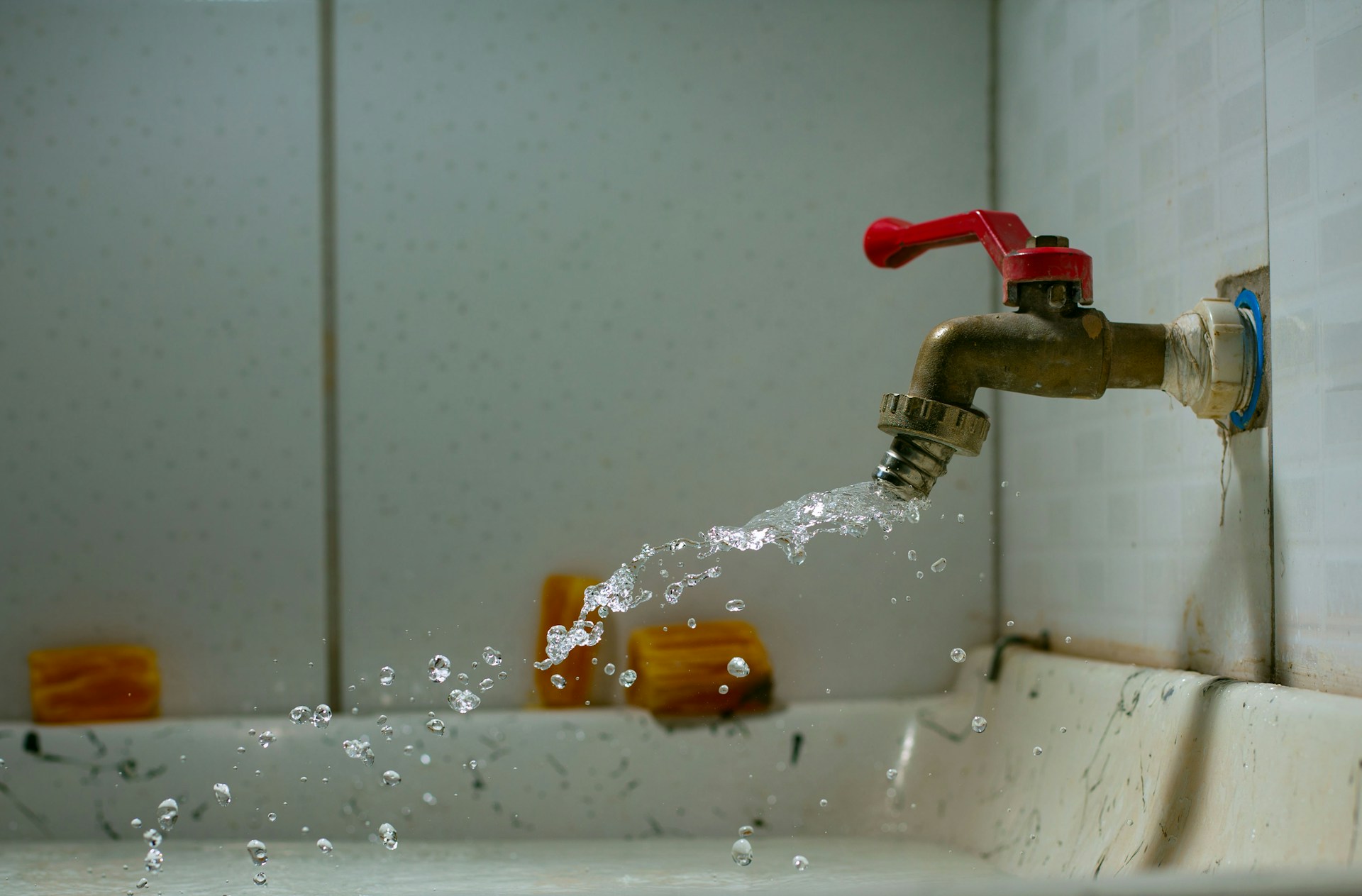
Anyone who’s lived through a summer here knows how fast a sunny afternoon turns into a downpour. The National Weather Service tracks those patterns, and the practical takeaway for homeowners is simple: heavy rain finds every weak joint. That means downspouts dumping next to the foundation, a floor drain that backs up during storms, and sump pumps that only fail on the one night you need them.
Walk your roofline during a steady rain. If water is pooling within a few feet of your slab, you’ve found a future headache that costs almost nothing to fix now. Extend the downspouts, grade the soil away from the house, and clear the gutters before the first big storm of the season.
A quick seasonal walkthrough you can actually finish
Here’s the checklist I run every fall, based on two years of stubborn mistakes.
- Locate your main shutoff and test it. If it won’t close, that’s your first repair.
- Run every faucet and watch the drain for a slow gurgle.
- Check under every sink for staining on the cabinet floor.
- Look at the water heater base for rust or moisture.
- Confirm the sump pump kicks on by lifting the float.
- Note pressure changes at the farthest fixture from the meter.
The shutoff test is the one most people skip, and it’s the one that matters most. A valve that’s been open for a decade may not close when your living room is filling up. I’d fix that before anything else on the list.
Choosing a plumber without getting burned
Plumbing is a licensed trade for good reason, and North Carolina enforces it. The U.S. Census Bureau data on home values and housing age makes the broader point plainly: older housing stock carries more repair work, and repair work is where unlicensed operators show up. Ask for a license number, ask whether the crew is insured, and ask who pulls the permit for anything beyond a fixture swap.
The other test is diagnostic. A good plumber explains what they’re looking for before they cut anything. A weak one quotes a price before they’ve identified the cause. On a slab leak call, I want a camera and a leak-detection tool in the truck, not a hammer in hand on arrival.
Where water quality rules come from
If you’re on a well, testing isn’t optional the way it is on city water. The Environmental Protection Agency sets the standards for what counts as safe drinking water, and private well owners are responsible for their own testing schedule. Annual testing for bacteria and nitrates is the baseline. Add hardness and iron if you notice staining or scale.
Municipal customers have it easier but not automatic. Your utility tests the supply. Your house still has to move it through pipes that might be forty years old, and that last leg is your problem.
What I’d tell a new neighbor
Learn your foundation type. Test your water before you buy treatment equipment. Extend your downspouts. Test the main shutoff. Those four habits cover most of what goes wrong in a house around here, and none of them requires a professional to start.
The rest is knowing who to call when the crawlspace wins. Ask about licensing, ask for a diagnosis before a quote, and don’t be shy about a second opinion on anything involving concrete. Your house will tell you what it needs if you pay attention to the small stuff first. What’s the one thing in your house you’ve been putting off checking?