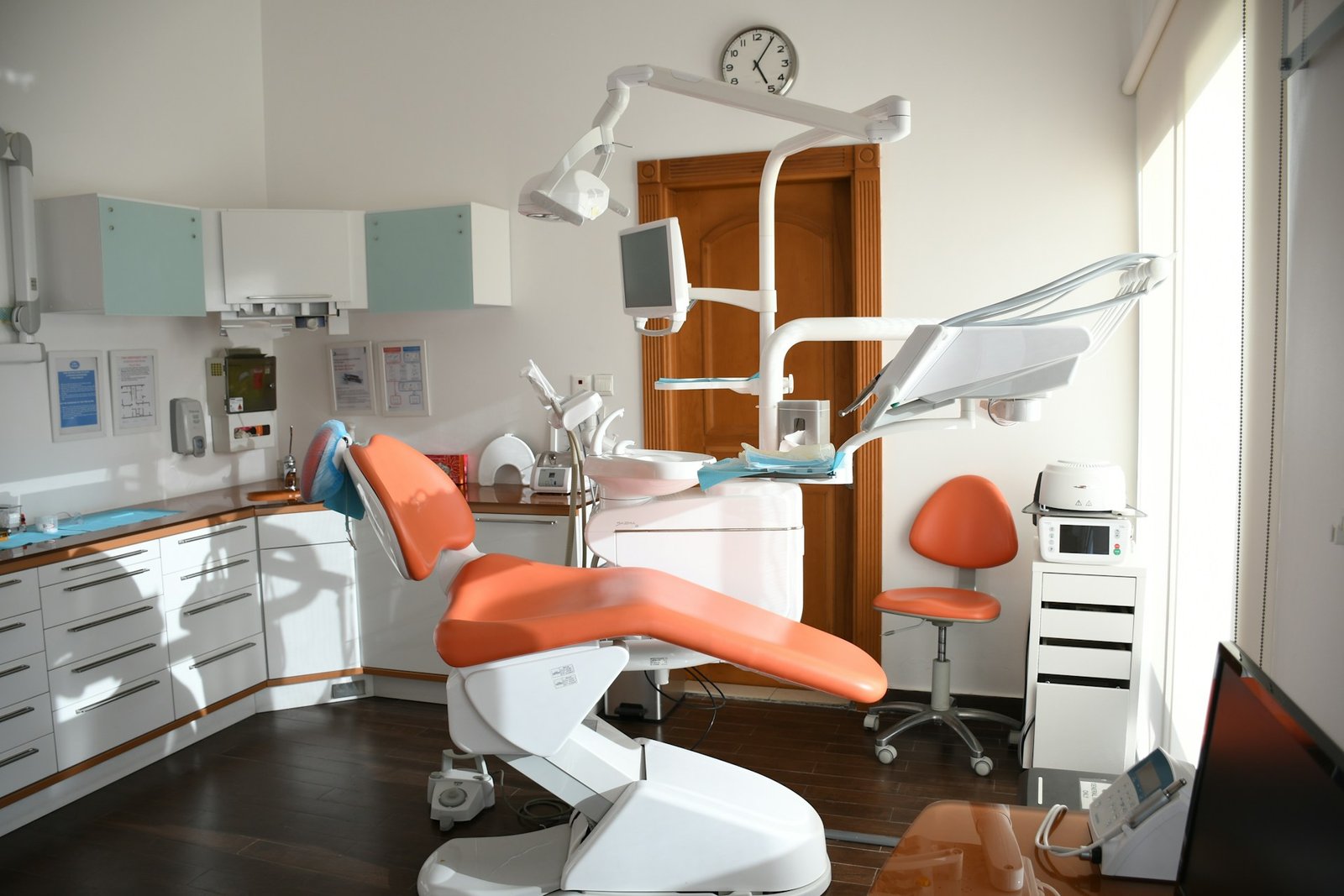





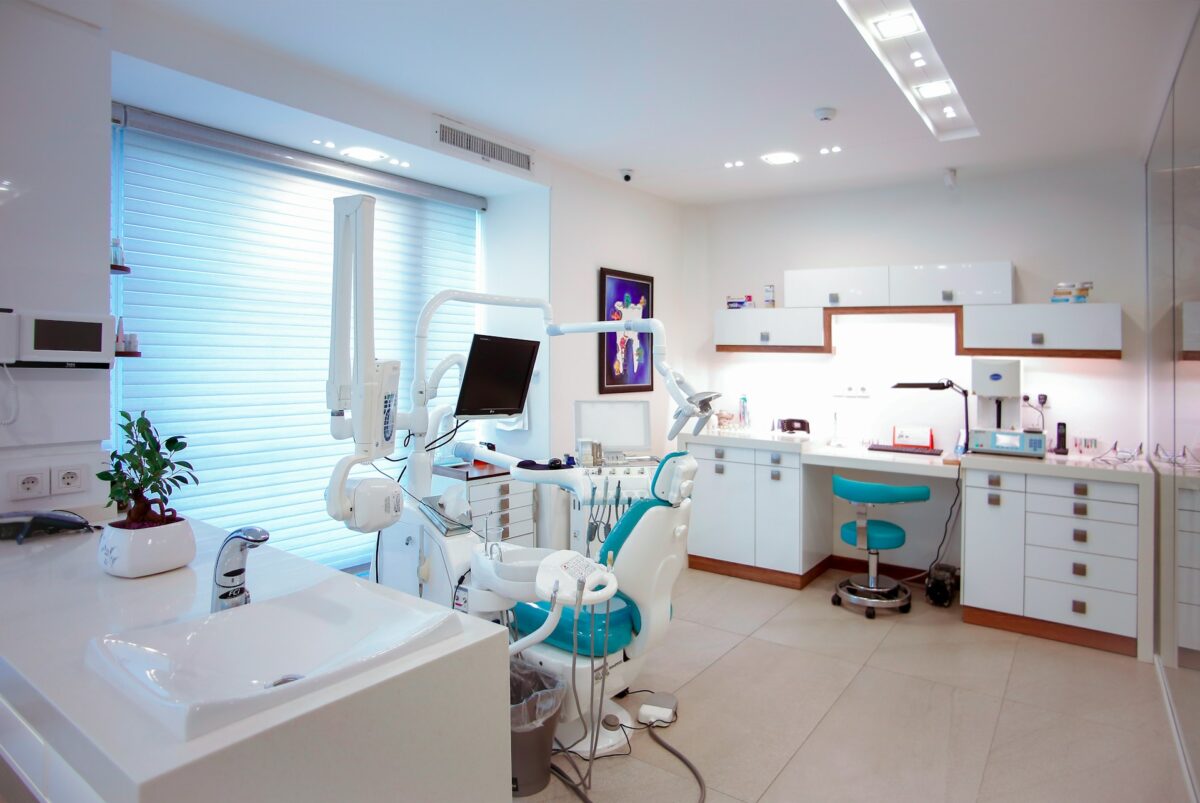

The last time you sat in a dental chair, your heart rate did the talking.
Maybe you white-knuckled the armrest through a cleaning, or maybe you canceled the appointment three times before you finally showed up.
That nervousness is not a character flaw. Plenty of people put off care for years because the dread outweighs the discomfort, and the fix usually starts with knowing which comfort option fits your situation.
You are not stuck choosing between gritting your teeth and skipping the dentist entirely. There is a middle ground, and it looks different for a routine cleaning than it does for a longer procedure. If you are comparing choices in your area, working with an edmonton dentist offering sedation options gives you a realistic picture of what each level actually feels like before you commit.
This guide walks you through the main types of dental sedation, who tends to benefit from each, the questions worth asking before booking, and the practical stuff like driving home and costs that nobody mentions until the day of.
Why some people need more than a pep talk
Dental anxiety is common enough that it shapes entire practices. The American Dental Association has long tracked fear of the dentist as a real barrier to regular care, and that fear often has roots in a specific bad memory: a rough extraction as a kid, a drill that felt louder than it should, a provider who rushed. Once that memory sticks, your body reacts before your brain can reason with it.
Here is the part that catches people off guard. Avoiding appointments does not keep you comfortable. It usually makes the eventual visit longer and more complicated, which makes the next visit scarier. That cycle is exactly what sedation is built to break, and I would rather see someone use it than keep postponing a filling until it becomes a root canal.
Three levels of dental sedation, explained
Sedation is not one thing. It is a range, and the right level depends on your anxiety, the procedure, and how long you will be in the chair. Here is the practical breakdown.
| Option | What it feels like | Best for
|
|---|---|---|
| Nitrous oxide | A light, floaty calm that wears off within minutes | Short cleanings and mild nerves |
| Oral sedation | A pill taken beforehand that leaves you drowsy and relaxed | Moderate anxiety or longer appointments |
| IV sedation | Deeper relaxation with careful monitoring | Strong fear, long procedures, strong gag reflex |
Nitrous is the gentlest and the easiest to walk away from, since you can drive yourself home. Oral sedation means you need a ride and a free afternoon, but it takes the edge off without knocking you out. IV sedation is the heaviest lift and requires a trained provider, which is why it is not offered everywhere.
What to ask before you book
This is where most people hand over their trust too quickly. Ask the clinic directly whether they offer sedation at all, who administers it, and whether they monitor you the whole time. A quick phone call saves you a wasted consultation, and any clinic worth your time will answer without getting defensive.
Ask how they handle a patient who panics mid-appointment. Ask whether the cost is bundled into the treatment fee or billed separately. Ask what happens if you need a second appointment. The answers tell you more about the practice than the website copy ever will.
What to expect on the day
Plan for the appointment to run longer than a regular visit. Most clinics will want you to arrive early, confirm you have a driver, and go over your medication list. If you are taking oral or IV sedation, you will need to skip eating for a stretch beforehand, and the clinic should give you exact instructions rather than a vague “don’t eat much.”
You can expect to feel groggy for a few hours afterward. Rest is the plan, not a productive afternoon. The Centers for Disease Control and Prevention notes that sedation clearly alters your ability to drive and operate equipment, so arranging that ride in advance is not a formality. I would also say to skip scheduling anything else that day. Clear the calendar and let it be a recovery day.
A simple way to find the right level
Over the years I have found the most useful way to sort this out is a four-question filter I call the Comfort Ladder. Walk it in order and it usually points to one answer.
- Can you sit through a cleaning without your pulse racing? If yes, you probably only need nitrous, or nothing.
- Does the dread keep you from booking at all? That points to oral sedation, because it removes the anticipation loop.
- Do you have a strong gag reflex or a long procedure ahead? IV sedation is usually the most practical fit.
- Do you take medications or have conditions that affect sedation? If so, get a medical opinion before you book anything, full stop.
Here is a concrete picture. Someone who has avoided the dentist for a decade because of a bad wisdom tooth removal might line up all four questions and land on oral sedation, because they need enough calm to get through the consultation and a real treatment without canceling again. The ladder is not a medical test. It is a way to stop guessing and start a useful conversation.
The cost question nobody likes to ask
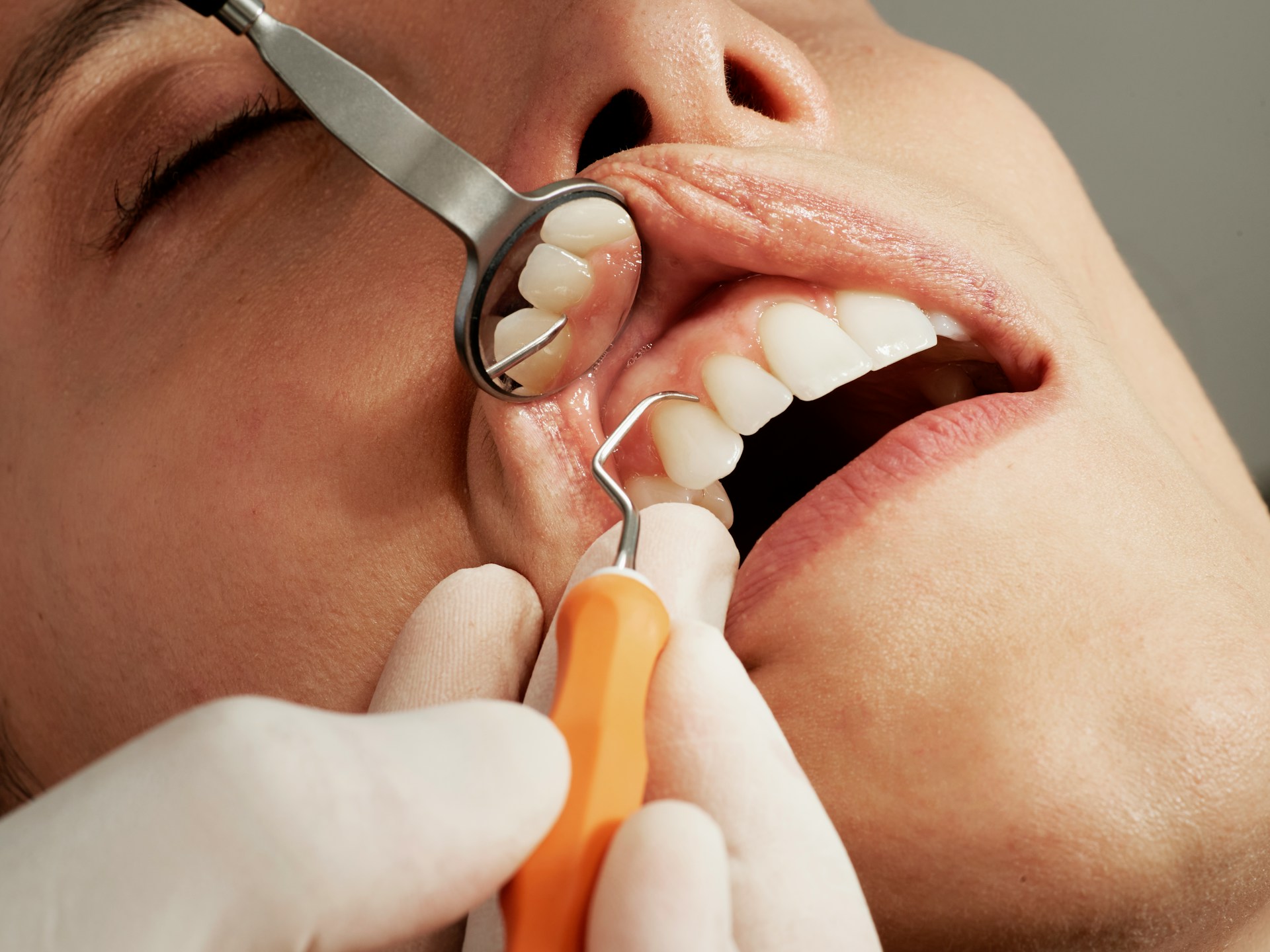
Sedation is usually billed separately from the dental work itself, and coverage varies. In Canada, the Government of Canada notes that public dental coverage programs each set their own rules, so what is covered on one plan is not guaranteed on another. Call your insurer before the appointment and confirm the specifics, including whether the sedation fee is covered and what your portion is. That call is annoying. Doing it after the appointment is worse.
I would rather see someone pay a little more for a comfortable visit than save a few dollars and cancel again. But you should make that call with the real number in front of you, not a guess.
The bottom line
Sedation dentistry is not an extreme measure reserved for the very worst cases. It is a practical tool for anyone whose anxiety keeps them away from care, and there is a level that matches almost every situation. The trick is knowing what each level does, asking the right questions up front, and going in with a plan for the day itself.
So here is your next move: take the four questions above, answer them honestly, and book a consultation to talk it through. What has actually stopped you from making the call, and is that reason still true?