







Selling a house quickly requires more than putting it on the market and hoping the right buyer appears. When a move, job change, inherited property, financial deadline, or other time constraint is involved, the selling strategy needs to reduce delays from the beginning.
The goal is not necessarily to accept the first offer. It is to remove unnecessary friction, price the property realistically, and choose a sale process that matches the time available.
Set the Price From Current Market Evidence
Overpricing can cost valuable time. Start with recent closed sales for properties similar in location, size, condition, and features. Active listings can show the competition, but they do not prove what buyers are willing to pay.
Pay particular attention to properties that sold quickly. Their pricing relative to comparable homes can indicate how buyers are responding to the local market. If time matters more than testing the highest possible price, build the initial asking price around realistic market value instead of leaving room for several reductions later.
Compare the Available Selling Routes
A conventional listing provides exposure to a broad pool of buyers and may be the strongest option for a market-ready home. The process can still include photography, showings, inspections, appraisal, financing, negotiations, and closing. Homeowners facing a tighter deadline may also compare a direct sale. Someone who needs to sell fast in Virginia can request a direct offer and evaluate it alongside the expected outcome of listing on the open market.
A direct offer may account for repairs, resale costs, holding expenses, and the buyer’s required margin, so it should not be compared with a potential listing price alone. Calculate expected net proceeds under both options, including repairs, selling expenses, carrying costs, concessions, and the estimated time to closing.
Fix the Problems Most Likely to Delay a Sale
A short timeline does not leave room for a complete remodel. Prioritize defects that could create concerns during a showing or inspection. Active leaks, broken HVAC equipment, unsafe electrical issues, damaged fixtures, and obvious maintenance problems deserve attention before decorative upgrades.
Get estimates for major work even if you decide not to complete it. Knowing the likely repair cost gives you better information when evaluating an offer or negotiating a credit. Avoid starting large cosmetic projects unless they can be completed quickly and are likely to improve marketability.
Get the House Ready for Photos Quickly
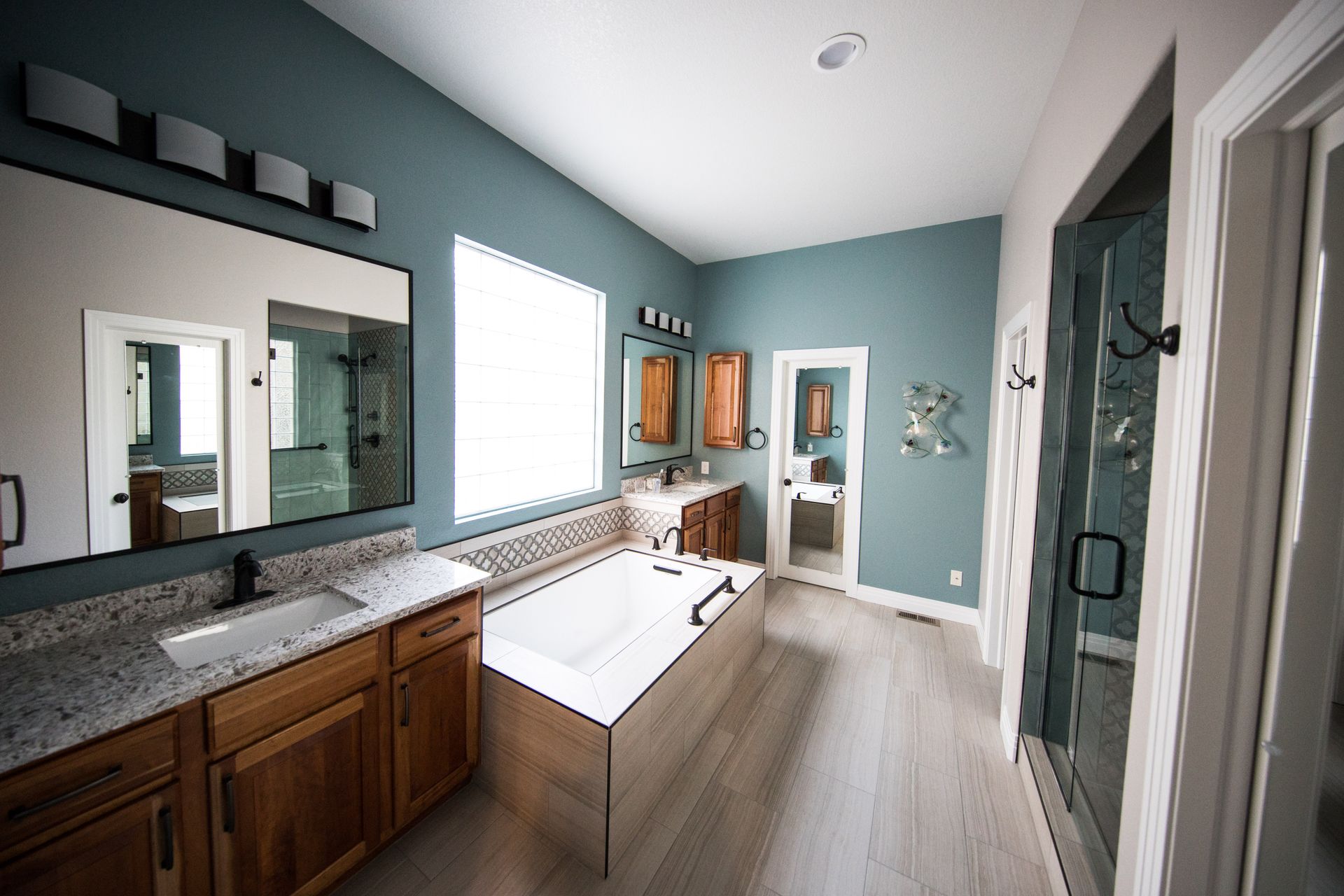
Online photos are often the first serious look buyers get at the property. Clear counters, remove excess furniture, clean floors and windows, replace burned-out bulbs, and simplify personal decor. Rooms should look usable rather than empty or overloaded.
Outside, trim overgrown landscaping, remove debris, clean the entrance, and make the house number easy to see. The National Association of REALTORS® recommends cleaning, decluttering, and addressing curb appeal before marketing a property because these steps can improve how the home appears to prospective buyers. NAR guidance on preparing a home for sale.
Make Showings Easy to Schedule
Limited showing availability can slow down an otherwise well-priced listing. If possible, establish broad showing windows during the first several days on the market. Keep the house consistently ready rather than requiring extensive preparation before every appointment.
Secure valuables, medications, financial documents, and personal information before buyers begin visiting. Pets can also complicate access. Have a plan for removing or safely containing them so a last-minute showing does not need to be canceled.
Use an Open House to Concentrate Buyer Interest
An open house can be particularly useful when the seller wants to expose the property to several buyers within a short period. NAR notes that open houses allow multiple prospective buyers to see a property and ask questions without individual appointments. Its open-house guidance also emphasizes preparation, lighting, accessibility, and security.
Scheduling one soon after the property goes live can concentrate interest while the listing is still new.
Make the Experience Easy to Navigate
Prepare a simple property information sheet covering major features, recent improvements, utility information where appropriate, and instructions for submitting questions or offers. Keep refreshments simple. If an agent or brokerage regularly hosts property events, branded materials such as custom drinkware can be used for water or refreshments while maintaining a consistent business identity during open houses.
The focus should remain on the property. Marketing materials should support the experience rather than turn the showing into a promotional event.
Respond to Offers Quickly
A time-sensitive seller should decide key negotiation limits before the first offer arrives. Know the minimum acceptable net proceeds, preferred closing date, and how much flexibility you have on repairs or concessions.
Review more than price. Financing strength, inspection terms, appraisal contingencies, requested closing date, and other conditions can affect whether the transaction actually closes on schedule. A slightly lower offer with fewer uncertainties may sometimes fit a strict timeline better than a higher offer with several contingencies.
Prepare for Inspection and Appraisal Early
Once a property goes under contract, inspection and financing can become the next sources of delay. Gather permits, repair invoices, appliance warranties, and records for major systems before they are requested. Make areas such as electrical panels, HVAC equipment, attics, and crawl spaces reasonably accessible for inspectors.
If known defects exist, decide in advance whether you would prefer to repair them, offer a credit, or price the property accordingly. Being prepared allows negotiations to move faster when deadlines are short.

Keep the Closing Timeline Realistic
Trying to force every stage into the shortest possible window can create problems rather than solve them. Confirm that the buyer, lender, title company, attorneys where applicable, and other professionals can meet the proposed closing date. Sellers should also prepare their own documents early and respond promptly to requests for signatures or information.
If you are coordinating a move at the same time, decide when the property will be vacant and how keys, utilities, and final cleaning will be handled.
Remove Delays Instead of Simply Rushing
Selling quickly is largely about eliminating avoidable waiting. Price the house using current market evidence, prepare it before marketing begins, provide flexible access, and respond to offers and transaction requests promptly. If a traditional listing does not fit the available timeline, compare other selling routes using net proceeds and transaction terms rather than price alone.
A fast sale still needs to be a controlled sale. The strongest strategy is the one that reduces unnecessary steps while giving the seller enough information to make sound decisions under a tighter deadline.