



Modern events are no longer just about bringing people together.
They are about creating memorable experiences through visual storytelling, creative lighting, thoughtful layouts, and distinctive design elements.
Whether it is a corporate launch, wedding reception, private celebration, or luxury brand activation, visual presentation plays a major role in how guests experience an event.
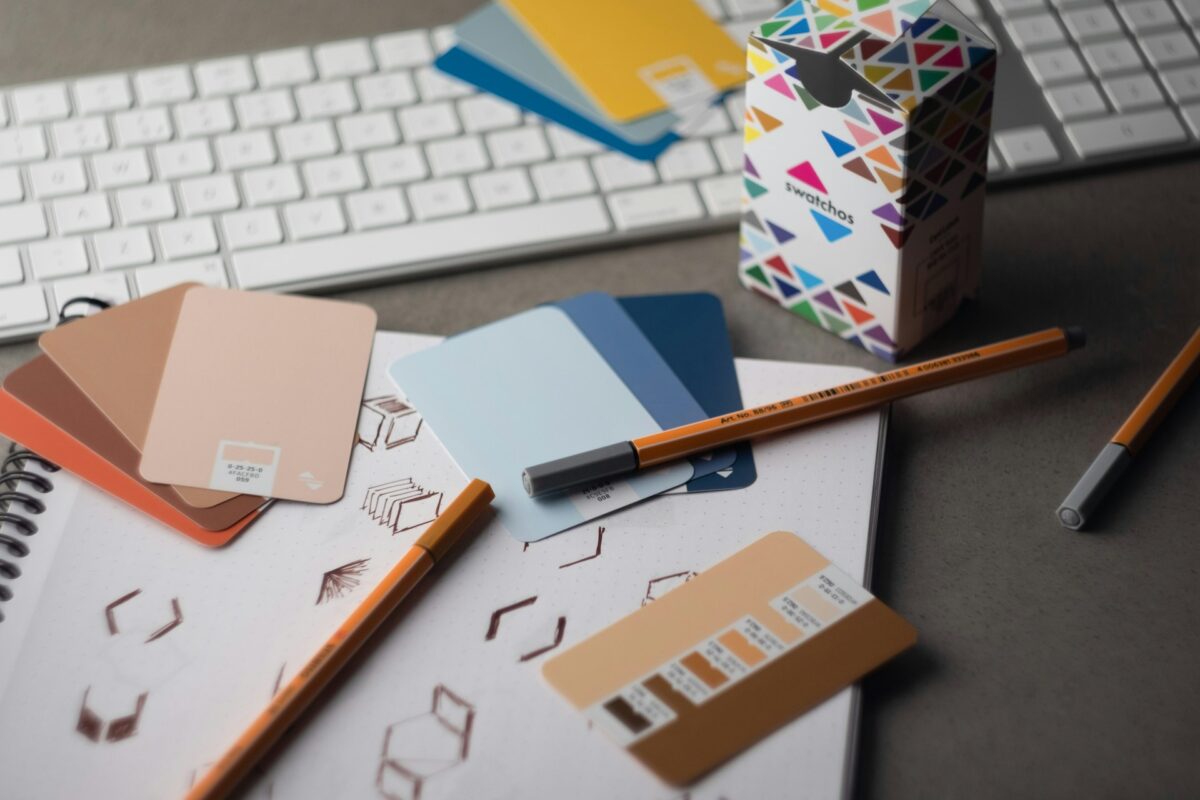
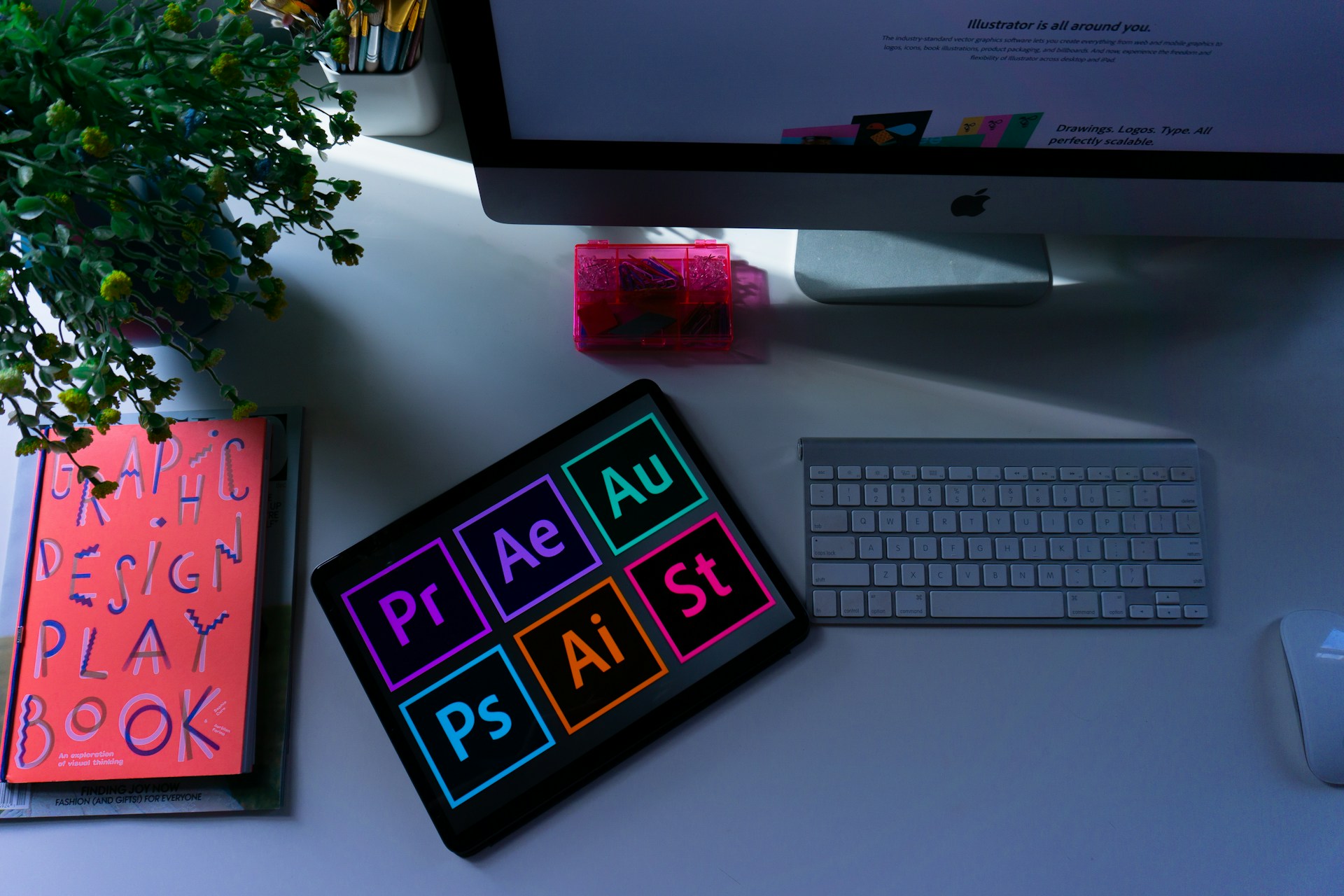
This is where the skills developed at a Graphic Design School can make a meaningful difference. Understanding color theory, visual hierarchy, composition, and branding can help event planners transform ordinary spaces into visually engaging environments.
When these design principles are combined with LED Furniture Rentals, organizers can create sophisticated event settings that are both functional and visually impressive.
The Connection Between Graphic Design and Event Planning
Graphic design and event planning may seem like separate creative disciplines, but they share several important principles.
Both require an understanding of how people interact with visual elements. A graphic designer considers how colors, shapes, typography, and layouts communicate a message. Similarly, an event designer must consider how furniture, lighting, decorations, and spatial arrangements influence the atmosphere of a venue.
Students attending a Graphic Design School develop skills that can be applied beyond traditional digital and print media.
For example, knowledge of composition can help determine where furniture should be positioned, while color theory can guide lighting choices that complement a brand’s identity.
These principles become particularly useful when designing events that incorporate illuminated furniture, digital displays, and other modern visual elements.
Why LED Furniture Is Popular at Modern Events
Traditional event furniture primarily serves a functional purpose. Chairs provide seating, tables hold refreshments, and counters create service areas.
LED furniture combines these practical functions with decorative lighting.
Illuminated tables, lounge seating, cocktail counters, and decorative cubes can change the appearance of an event space without requiring extensive permanent installations.
For organizers planning contemporary celebrations, LED Furniture Rentals offer a flexible way to introduce lighting into the event design.
Instead of relying entirely on overhead fixtures or decorative lighting installations, planners can incorporate illuminated furniture directly into seating areas, lounges, and gathering spaces.
This approach can be particularly effective at evening events, where furniture lighting becomes more visible as natural light decreases.
However, successful results depend on more than simply placing glowing furniture throughout a venue. The lighting needs to complement the event’s overall design.
Using Color Theory to Create the Right Atmosphere
Color theory is one of the most valuable graphic design concepts that event planners can apply to illuminated furniture.
Different colors can influence how guests perceive a space.
Warm colors such as amber, orange, and soft red often create an inviting atmosphere. Cooler colors such as blue and violet can contribute to a contemporary or dramatic appearance.
Neutral white lighting can provide a clean, understated look that works well for corporate gatherings and upscale receptions.
Matching Colors to the Event Theme
Imagine a luxury product launch where the brand uses black, white, and gold in its visual identity.
An event planner might choose illuminated furniture with warm white lighting to complement metallic accents and dark decorative elements.
For a technology conference, blue or cool white lighting might better support a modern visual theme.
A wedding reception, meanwhile, may benefit from softer lighting that blends with floral arrangements and table settings.
The objective is to create visual consistency rather than introducing as many colors as possible.
Avoiding Excessive Lighting
One common mistake is using too many competing lighting colors.
Although LED furniture can provide striking visual effects, excessive color changes may distract from the event’s main attractions.
Graphic design principles encourage the use of a controlled color palette.
Choosing two or three complementary colors can help create a more cohesive appearance while allowing important features to stand out.
Applying Visual Hierarchy to Event Spaces
Visual hierarchy refers to arranging design elements so that viewers naturally notice the most important information or features first.
In graphic design, this might involve making a headline larger than supporting text.
At an event, visual hierarchy can help determine which areas should attract the most attention.
For example, a corporate event might include a central presentation stage, branded photo area, networking lounge, and refreshment station.
Not every area needs the same level of visual emphasis.
Illuminated furniture can help distinguish important spaces through controlled lighting.
Highlighting Key Areas
LED cocktail tables can identify networking spaces, while illuminated counters can make beverage stations easier to locate.
A carefully designed lounge may use glowing seating elements to create a focal point without competing with the main stage.
The key is to establish a clear visual order.
Guests should be able to understand the layout intuitively rather than feeling overwhelmed by decorative elements.
Creating Better Event Layouts Through Composition
Composition is another foundational skill taught in graphic design.
It involves arranging elements within a space to create balance, harmony, and visual interest.
These principles translate naturally into event planning.
Balance and Symmetry
Symmetrical arrangements can create a formal atmosphere.
For example, placing matching illuminated cocktail tables on either side of an entrance can establish a balanced first impression.
This approach works well for gala dinners, formal receptions, and luxury brand events.
Asymmetrical arrangements, on the other hand, can create a more relaxed and dynamic environment.
An informal product launch might use illuminated lounge furniture in staggered groupings to encourage movement and conversation.
Negative Space
In graphic design, negative space refers to the areas around visual elements.
The same concept is important when arranging event furniture.
Filling every available corner with tables and seating can make a venue feel crowded.
Leaving sufficient open space helps guests move comfortably and allows decorative features to remain visually distinct.
For LED furniture, negative space is particularly important because illuminated pieces naturally attract attention.
A few strategically positioned items may create a stronger visual impact than a large collection placed too closely together.
Strengthening Brand Identity Through Event Design
Corporate events often require a consistent visual identity across multiple touchpoints.
These may include invitations, digital signage, presentation screens, promotional materials, and venue decorations.
Graphic design skills help connect these elements into a recognizable brand experience.
Coordinating Furniture With Brand Colors
When illuminated furniture supports adjustable lighting, organizers may be able to coordinate its appearance with a company’s brand palette.
For example, a business using blue and white branding could incorporate those colors into lounge lighting and decorative furniture.
The result can create a more unified environment for product demonstrations, networking sessions, and photography.
Supporting Marketing and Photography
Events are frequently documented through professional photography, social media content, and promotional videos.
Furniture, lighting, and decorative elements influence how these images appear.
A thoughtfully designed event space can provide attractive backgrounds for photographs while reinforcing the event’s visual identity.
However, organizers should test lighting before the event begins.
Some illuminated furniture may produce reflections, uneven exposure, or color casts that affect photography.
Coordinating with the photographer and lighting team can help prevent these issues.
Combining Typography and Digital Displays With LED Furniture
Typography is another important area of graphic design that can enhance event presentation.
Although illuminated furniture does not usually display detailed text, it can complement nearby signs, projection screens, and branded installations.
For example, an event might feature a welcome sign with clear typography positioned near illuminated reception furniture.
The furniture can establish the atmosphere, while the signage communicates essential information.
The same approach can be applied to product displays, registration counters, and branded photo opportunities.
Keeping Messaging Clear
Decorative lighting should never make important text difficult to read.
If a sign is positioned near brightly illuminated furniture, organizers should consider contrast, viewing distance, and surrounding light levels.
Simple typography and readable layouts often perform better than overly elaborate designs.
The goal is to ensure that guests can easily identify directions, schedules, and important event information.
Designing Different Types of Events
Graphic design principles can help planners adapt illuminated furniture to different event formats.
Corporate Product Launches
Product launches benefit from consistent branding and clear focal points.
LED furniture can support lounge areas, product demonstrations, and networking spaces.
Designers can use brand colors and balanced layouts to create a professional environment that complements the featured product.
Weddings and Private Celebrations
For weddings, illuminated furniture can introduce a contemporary element without replacing traditional decorations.
Softly lit cocktail tables, lounge seating, and decorative accents may complement floral arrangements and reception lighting.
A restrained color palette can help maintain an elegant atmosphere.
Birthday Parties and Social Gatherings
Birthday celebrations often allow greater creative freedom.
Organizers might use colorful illuminated furniture to establish different entertainment zones or highlight a dance area.
Graphic design principles still matter, particularly when coordinating furniture with invitations, decorations, and photography backdrops.
Trade Shows and Exhibitions
Trade shows require organizers to attract attention while communicating information clearly.
Illuminated counters and seating areas can help distinguish an exhibition space from surrounding booths.
However, lighting should support the display rather than overpower products, signage, or presentations.
Practical Considerations Before Renting LED Furniture
Creative design is important, but successful events also depend on practical planning.
Before selecting illuminated furniture, organizers should evaluate several factors.
Venue Size and Layout
Furniture dimensions should match the available space.
Large illuminated seating arrangements may work well in spacious venues but feel restrictive in smaller rooms.
Accurate measurements help ensure that decorative elements do not interfere with guest movement.
Power and Battery Requirements
Some illuminated furniture operates using rechargeable batteries, while other products may require electrical connections.
Organizers should confirm the specifications of the selected rental items.
Battery runtime, charging requirements, and access to power can affect placement decisions.
Indoor and Outdoor Suitability
Not every illuminated furniture product is designed for outdoor use.
If an event takes place on a patio, rooftop, or garden, organizers should verify whether the equipment is suitable for the expected conditions.
Weather protection and electrical safety should always be considered.
Delivery and Installation
Event schedules often leave limited time for setup.
Confirming delivery windows, placement requirements, and pickup arrangements in advance can help prevent last-minute complications.
A detailed floor plan can also make installation more efficient.
How Graphic Design Skills Improve Event Collaboration
Modern events often involve multiple creative professionals, including event planners, decorators, lighting specialists, photographers, and marketing teams.
Graphic design skills can improve communication between these groups.
For example, a designer may create a digital mood board showing the intended color palette, furniture arrangement, signage, and decorative elements.
This visual reference allows everyone involved to understand the desired result before installation begins.
Design software can also help planners develop simple venue mockups and experiment with different layouts.
These tools reduce uncertainty and make it easier to identify potential conflicts between furniture placement, lighting, and guest movement.
They also help clients visualize the event concept before making final decisions.
The Future of Creative Event Design
Event design continues to evolve as organizers look for flexible ways to create engaging environments.
Illuminated furniture, digital signage, projection technology, and interactive installations offer new possibilities for combining physical spaces with visual communication.
As these technologies become more accessible, the ability to apply fundamental design principles becomes increasingly valuable.
Understanding color, composition, balance, and branding allows event professionals to make thoughtful creative decisions rather than relying entirely on decorative trends.
The most effective events are not necessarily those with the most elaborate equipment. They are the ones where every design element serves a clear purpose.
Final Thoughts
Graphic design skills can significantly influence how modern events are planned and presented.
By applying principles such as color theory, visual hierarchy, composition, and brand consistency, event organizers can create spaces that feel cohesive, welcoming, and visually memorable.
LED furniture adds another creative option by combining practical functionality with decorative lighting.
When used thoughtfully, illuminated furniture can help define event spaces, support branding, and improve the overall guest experience.
Ultimately, successful event design comes from balancing creativity with practical planning. The strongest results occur when lighting, furniture, signage, and spatial arrangements work together to create a unified experience.