





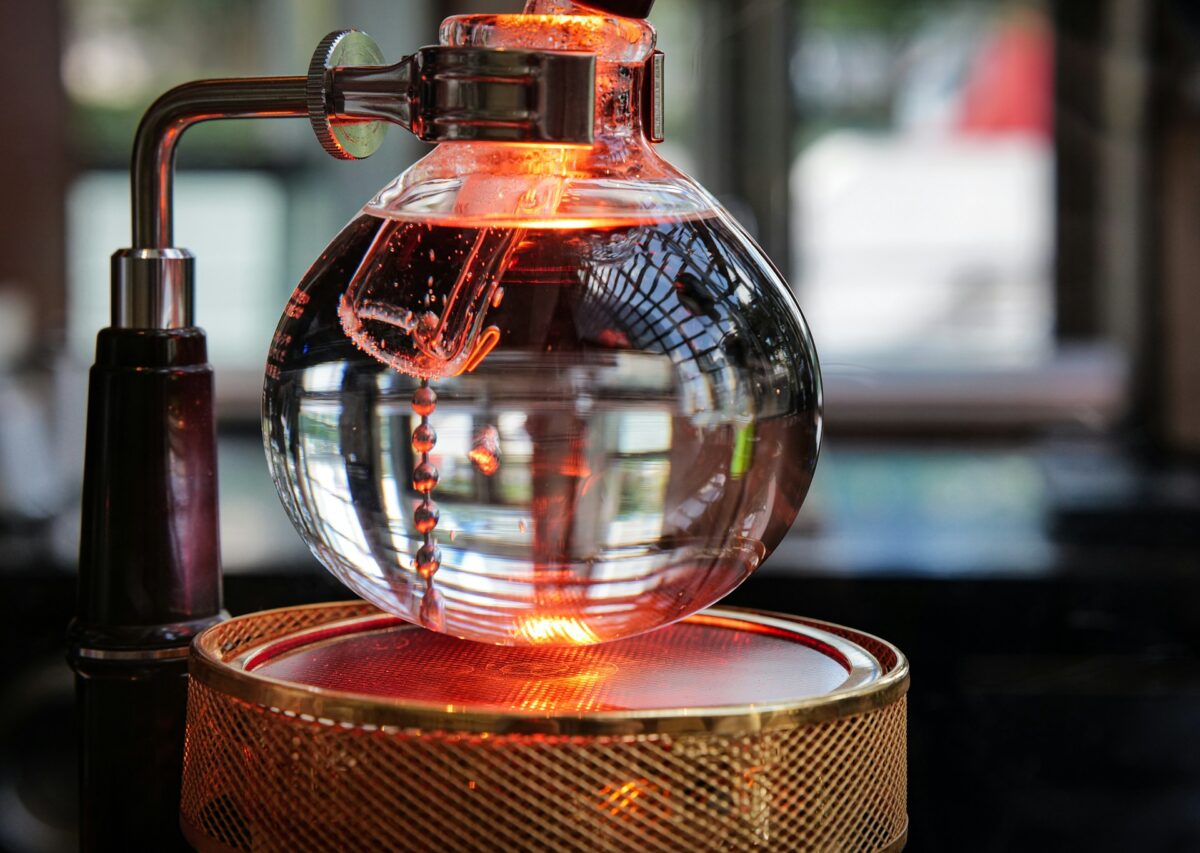

Distilling has been part of British life for centuries, and not much has changed since the earliest alchemists: heat a fermented liquid, trap the steam and condense it back into a more concentrated, refined liquid.
The only thing that has changed is the sophistication of the kit.
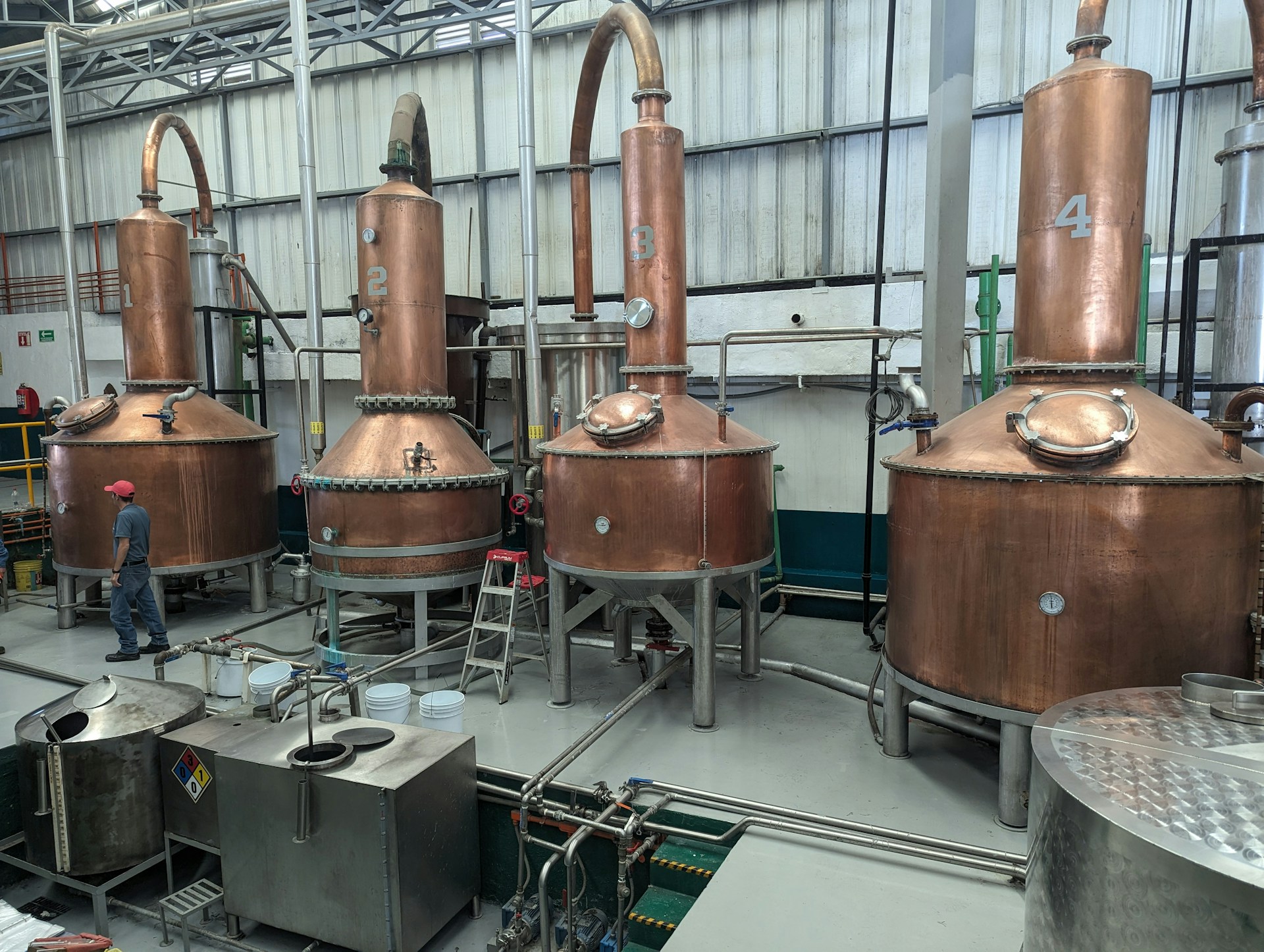
If you’re considering opening a craft distillery or want to learn how your gin, whisky, or rum is produced, here’s a guide to the essential equipment and process.
Can You Legally Distil Your Own Alcohol in the UK?
It’s important to know that distillation of alcohol without proper authorisation from HMRC is against the law in the UK, even for personal consumption. It is generally legal to own a still for water distillation or essential oils; however, to distil spirits you need an HMRC licence, which includes a registered, bonded premises and a duty-suspended warehouse agreement. Regulations change, so check HMRC’s latest information before making any investments.
What Equipment Do You Need to Distil Alcohol?
To distil alcohol, you need more than a still. A full liquor distilling equipment setup includes a fermentation vessel, a still with a boiler and heat source, a condenser, measuring instruments, storage vessels, and safety equipment.
1. Fermentation Vessels
Before distilling, you need an alcoholic liquid, called the “wash,” made by fermenting a sugary base such as malted barley, molasses or fruit juice. Use stainless steel or plastic food-grade fermenters and fit them with airlocks. Yeast works better at certain temperatures, so find a spot where you can hold it steady, or invest in a heating belt or temperature controller.
2. The Boiler and Heat Source
The boiler contains the liquid that is to be distilled. Heating can be electric, steam jackets or direct flame. The first two methods are easier to control since slow, even heating leads to good spirit quality. The direct flame method is traditional but carries fire risks and requires careful safety assessment.
3. The Still
The still is the key distilling equipment, and there are three basic types:
- Pot still: An open boiler connected to a swan-neck leading to a condenser. It captures most of the character of the wash, making it ideal for malt whisky, cognac and many rum distillations. Pot stills normally require double distillation to achieve high alcohol strength.
- Column (reflux) still: A column fitted with plates or packing that allows multiple vaporisations and condensations in a single process, resulting in a clean and strong spirit. It is used to produce vodka and neutral spirit.
- Hybrid still: A pot boiler with a column attached, suitable for making anything from gin to whisky.
Copper has traditionally been used because it interacts with sulphur-based compounds during distillation, removing unpleasant flavours. Stainless steel is less expensive, more durable and easier to clean than copper.
4. The Condenser
Vapour must be cooled back into liquid. Condensers can be shell-and-tube or worm-style (coiled tube immersed in cooling fluid). Effective cooling is crucial: insufficient condensation leads to product loss and escape of dangerous vapours. A reliable water supply, or a recirculating chiller, is a must.
5. Measuring Tools
Accurate measurements distinguish consistent distillation from mere intuition:
- Hydrometer: Measures sugar content and density before and after fermentation.
- Alcoholometer (spirit hydrometer): Measures alcohol content (ABV) of the distillate.
- Thermometers: Installed in the boiler and at the head of the column, indicating what is currently evaporating.
- Measuring cylinders and sample jugs: For cuts and analysis.
6. Collection and Storage Vessels
Never use reactive or unsuitable plastics. Collect the distillate in glass or stainless steel vessels. Oak barrels (new or bourbon, sherry, or wine) are good for ageing, although small barrels speed maturation at the cost of stronger wood aroma.
7. Protective Equipment
Ethanol vapour is highly flammable. Ventilation, a fire extinguisher, gas or vapour detection (where necessary), and suitable electrics are essential. Never distil with an unvented system – pressure relief is crucial. DSEAR (Dangerous Substances and Explosive Atmospheres Regulations) are often applicable to distillation plants in the United Kingdom.
The Distilling Process
Creating the Wash
All distillation processes begin with fermentable sugar. For whisky, it’s malted barley; for bourbon, it’s corn; for rum, it’s either molasses or sugar cane juice, while vodka can be made from grain or potatoes. Conversion of starch to sugar happens via mashing (adding heated grain in water and enzymes).
Fermentation
The added yeast converts sugars to alcohol and CO2. This process takes several days, creating a wash that contains about 6-10% ABV, as well as some flavouring substances called congeners. Hygiene is crucial; any contamination will ruin the entire batch.
Distillation
The boiling point of alcohol is approximately 78°C, which is lower than the boiling point of water (100°C). As you heat the wash, the vapour containing high levels of alcohol rises, passes through the condenser, and turns back into liquid.
Many distillers make two runs. The first run (“the stripping run”) produces low wines with an alcohol level of 20-30%. The second run (“the spirit run”) requires good skills from the distiller, as this step consists of three fractions:
- Heads (foreshots): This is the first volatile fraction. It has a strong smell of solvents and is discarded or recycled.
- Hearts: The clean, flavourful middle section that becomes your spirit.
- Tails (feints): The last fraction, oily and heavy with off-flavours. These are usually kept and added to the next batch.
Maturation, Diluting, and Bottling
Some white spirits such as vodka and gin can be bottled soon after distilling and diluted to bottling strength with purified water. On the other hand, whisky and other spirits need to mature for longer periods. After maturation, the spirit may be filtered if necessary, diluted to its final ABV and bottled. The UK has regulations regarding strength, allergens, volume, and responsible drinking messages.
Selection and Maintenance
Ensure that the liquor distillation equipment selected is suitable for your product. Gin distillers tend to use pot stills or hybrid stills, vodka distillers use column stills, and whisky distillers use pot stills. Purchase only well-welded equipment from reputable suppliers, and avoid lead-soldered or inappropriate materials.
Maintenance is also important. Clean stills after every run, usually with a mild cleaning solution followed by rinsing, to remove residues and prevent contamination. Inspect seals, gaskets and weld seams regularly, and descale heating elements.
Starting Small
Many new craft producers start small-scale production using a smaller alcohol distiller kit, while working out recipes and learning the licensing process. Some distilleries offer courses in distillation and legislation. Joining a trade association will help you to get advice and contacts.
Distilling combines chemistry, craft and patience. Choose your spirit distilling equipment carefully, look after it properly, and use quality ingredients. Done properly, it’s a rewarding craft with a long British tradition behind it.