







Commercial delivery truck accidents operated by United Parcel Service (UPS) can be legally complex, involving corporate entities, commercial insurance policies, and regulatory compliance agencies.
However, determining liability in a crash caused by a UPS truck requires investigation of a variety of factors, such as driver’s conduct, vehicle maintenance, and company oversight, unlike passenger vehicle collisions.
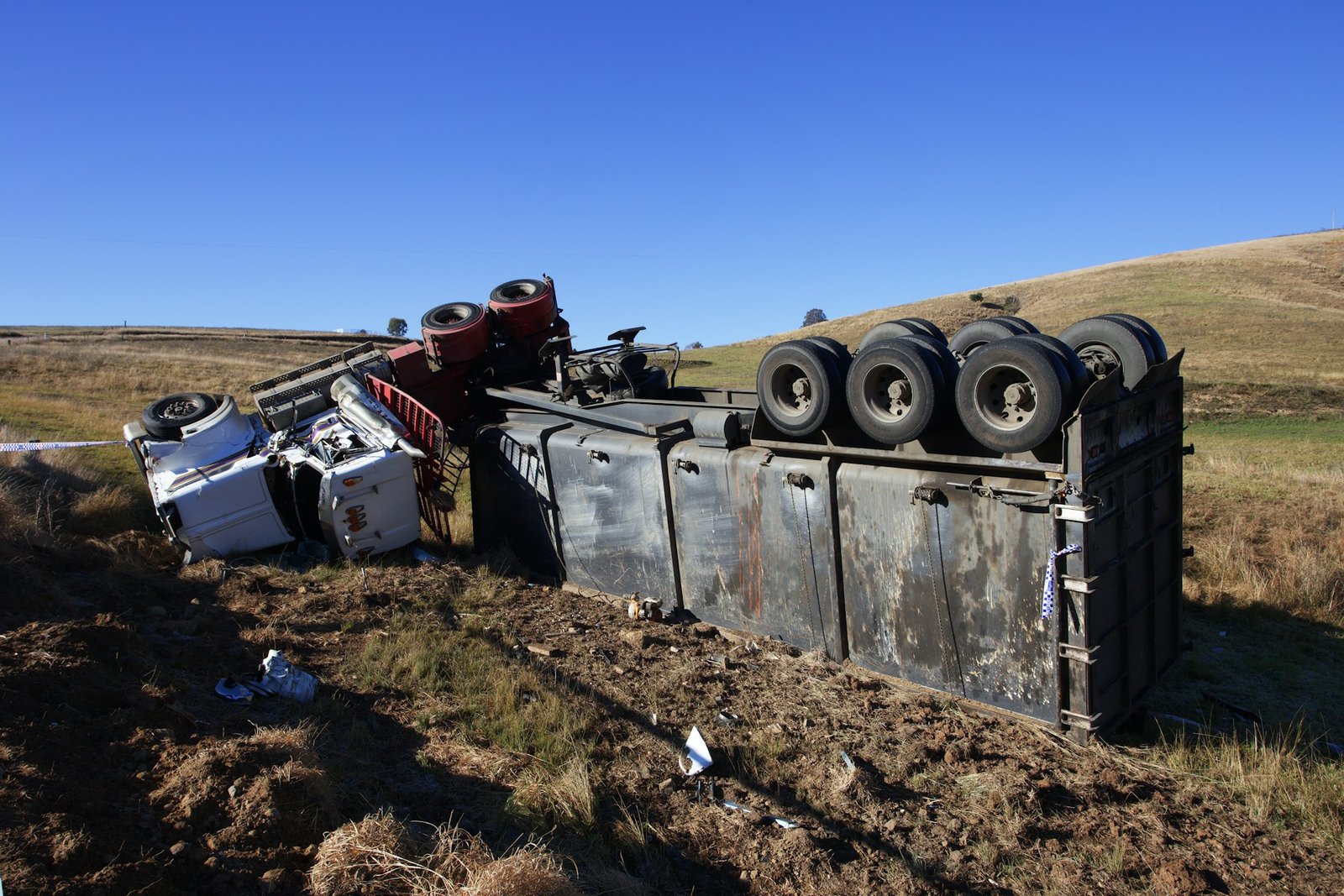
UPS operates a fleet of trucks and employs thousands of drivers. UPS is the largest delivery carrier in the United States, and the accident victims are entitled to receive compensation for both economic losses and pain and suffering. The compensation claimed can include medical bills, lost income, vehicle repairs, and damages for emotional or physical distress. However, identifying the at-fault party and successful claim requires negotiating several legal processes.
Potential Liable Parties
Liability in a UPS truck accident may fall on one or more parties depending on the circumstances of the crash. Below are the most common sources of legal responsibility.
- The UPS Driver
If the accident was caused by the negligence of the UPS driver, the driver can be held personally liable. Common causes of accidents include:
- Speeding or reckless driving
- Distracted driving, such as using a handheld device or GPS
- Driving under the influence of drugs or alcohol
- Fatigue due to overwork or noncompliance with rest regulations
As most UPS drivers are company employees, and if the accident occurs during the discharge of duty, legal responsibility extends to the company, too.
- UPS (Employer Liability)
UPS, the employer, can be held vicariously liable for the negligent actions of its drivers due to the law of “respondeat superior.” The company is held responsible if its employee causes harm during the discharge of job-related duties.
Additionally, the company (UPS) is directly liable if:
- Failed to train or supervise the driver adequately
- Allowing an unqualified or unlicensed driver to drive
- Not maintaining vehicles in good working condition
- Drivers to pressure meet improbable delivery schedules
The Federal Motor Carrier Safety Administration (FMCSA) controls commercial carriers like UPS and has set high standards. Violating these rules increases the company’s liability.
Independent Contractors and Third Parties
Third-party delivery services or subcontractors are often used by UPS, particularly during the peak season. If the accident was caused by an independent contractor and not a UPS employee, the liability may shift.
Establishing the nature of the relationship between UPS and the driver is essential. The court assesses factors such as control over the driver’s work, payment structure, and whether the vehicle was provided by UPS. The liability will fall on third parties such as:
- Vehicle maintenance companies: Failing to service the truck suitably
- Manufacturers of defective parts: Causing mechanical failure
- Other motorists: Accident caused by another motorist or the motorist played a role in the accident
Proving Liability in a UPS Truck Accident
To establish fault in a UPS truck accident, key evidence is required, such as:
- Dashcam footage or surveillance video
- Eyewitness statements
- Driver logs and GPS data
- Vehicle maintenance records
- UPS internal policies and training records
- Police reports and crash scene analysis
The National Highway Traffic Safety Administration (NHTSA) has reported that large truck accident results in severe injuries due to the large vehicle size and heavy weight (NHTSA Truck Safety). It increases the liability and compensation.
UPS’s Insurance Coverage
Companies such as UPS have commercial liability insurance to cover accidents involving their fleets, which means significant financial resources are available for injured parties. As is the usual practice, the UPS insurance adjusters will try to minimize payouts by contesting the claim, deflecting or underplaying the fault, or understating the severity of the injury.
Large carriers launch their own investigations immediately after a crash, making it crucial for the victim to document their injuries as well as the accident scene thoroughly and immediately.
Statute of Limitations and Legal Deadlines
Different states have different statutes of limitations governing when a claim can be filed for a UPS truck accident. Most states have fixed the limit between two and three years for personal injury claims. Missing the deadline can result in the denial of compensation.
Examining whether wrongful death, product liability, or claims against government entities (such as road conditions) carry different filing timelines and should be carefully noted.
Conclusion
Establishing a UPS truck accident requires examination of multiple factors, including the driver’s actions, company practices, and involvement of third parties. Although it may be the UPS driver’s fault, legal responsibility extends to UPS as a corporation and other contractors or manufacturers. Understanding these complexities is crucial for a successful compensation claim for the damages, economic and non-economic in nature, resulting from such serious accidents.