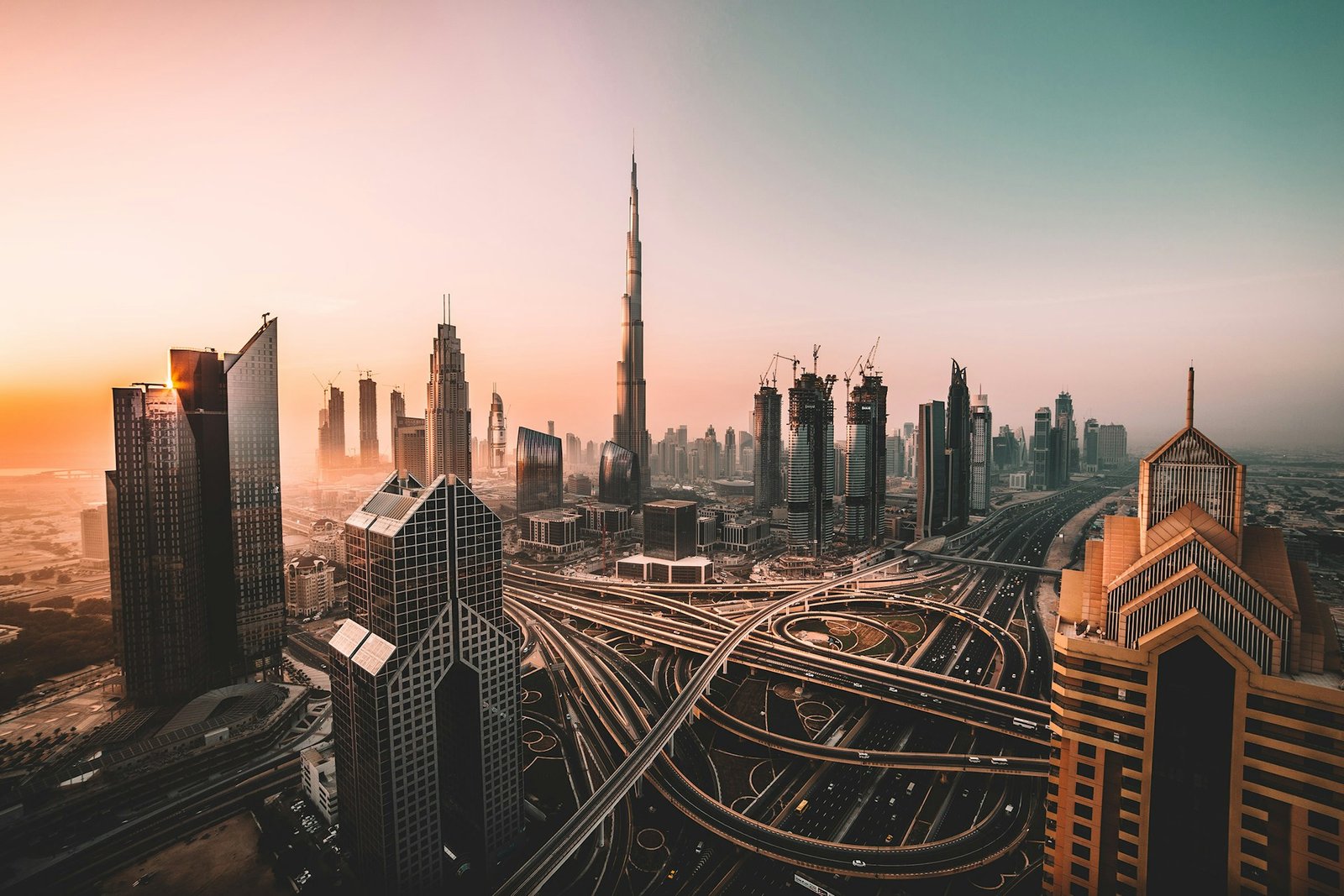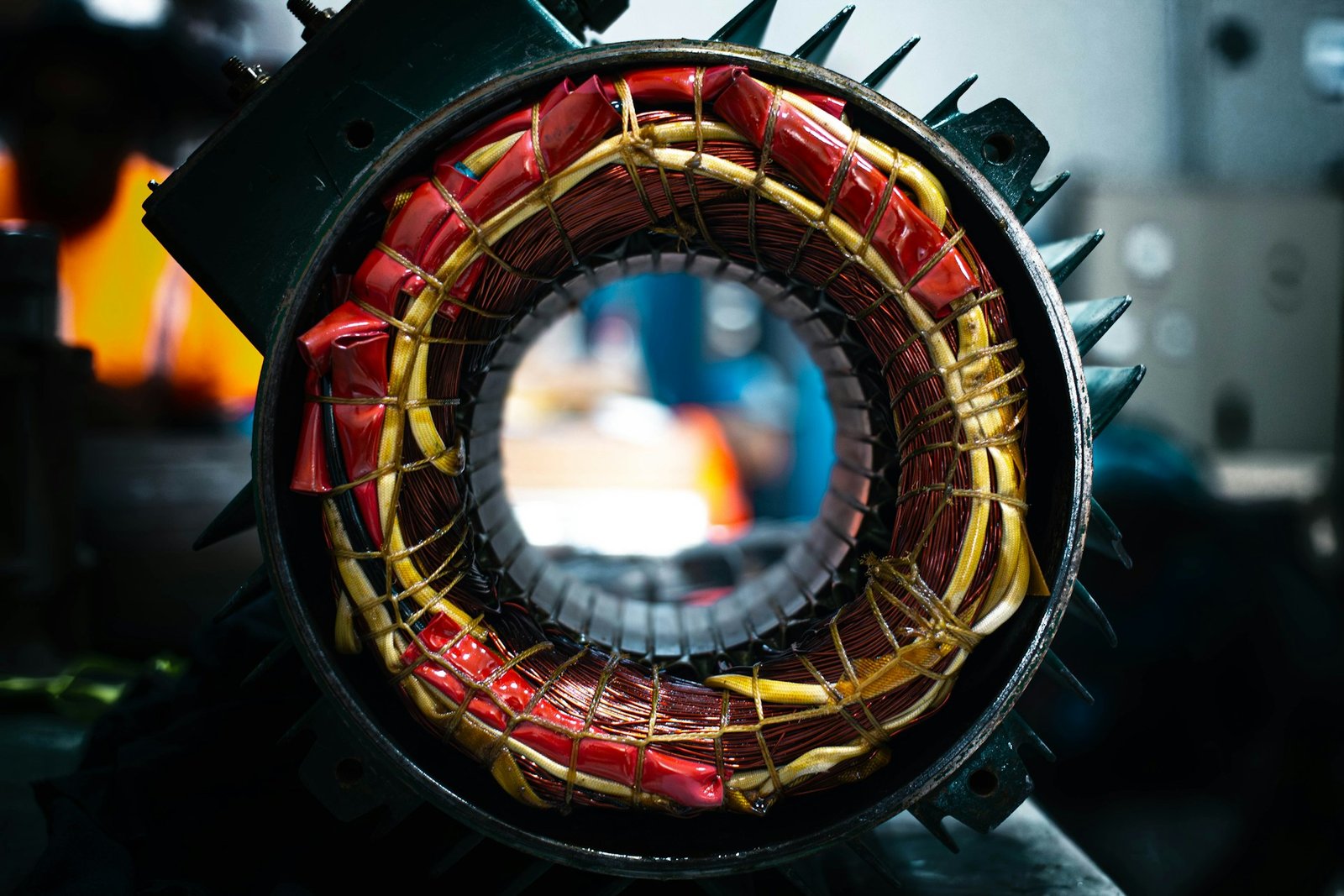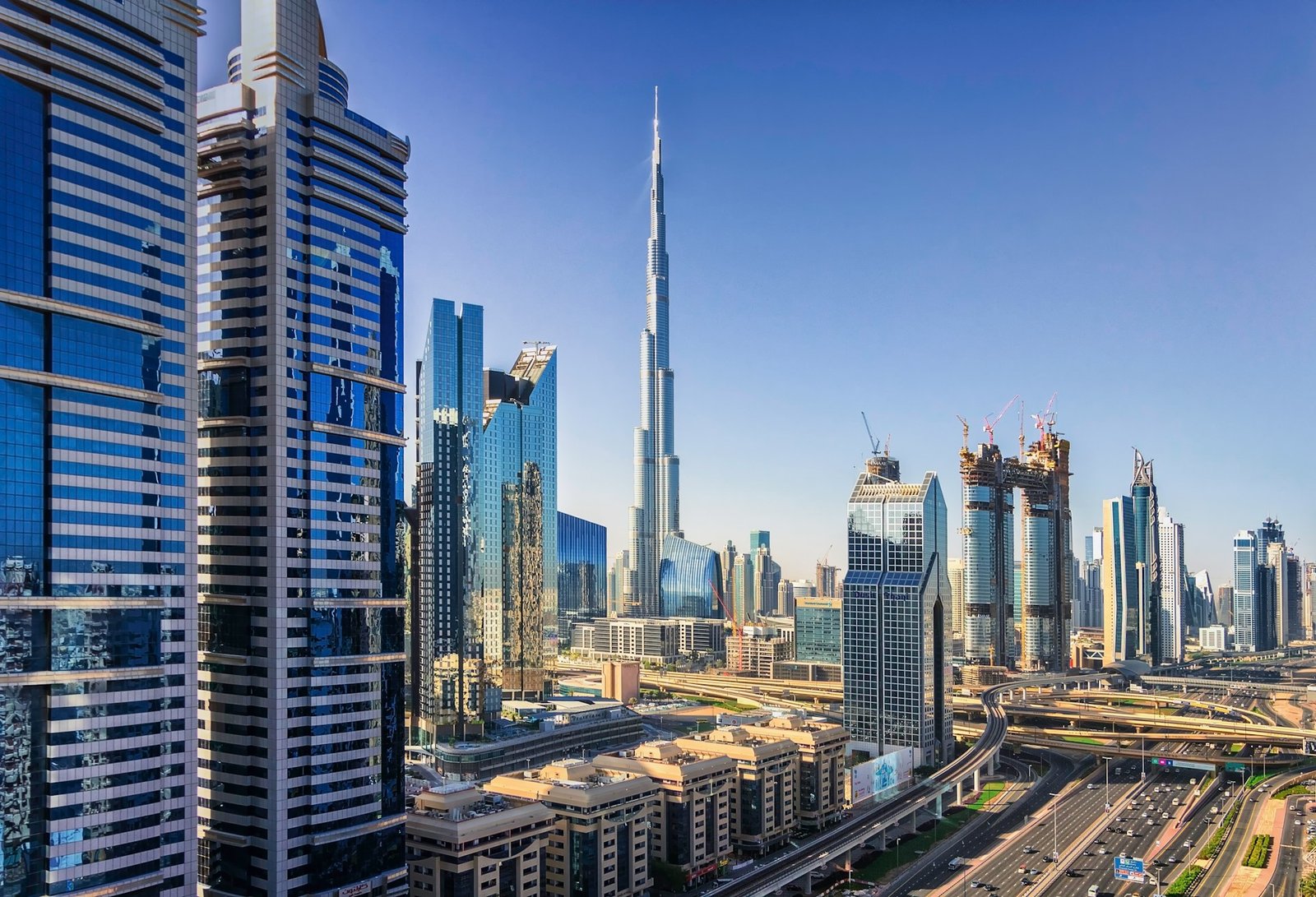







Reliability is not a common observation in urban centres until it fails.
Spaces are illuminated unconsciously by lights.
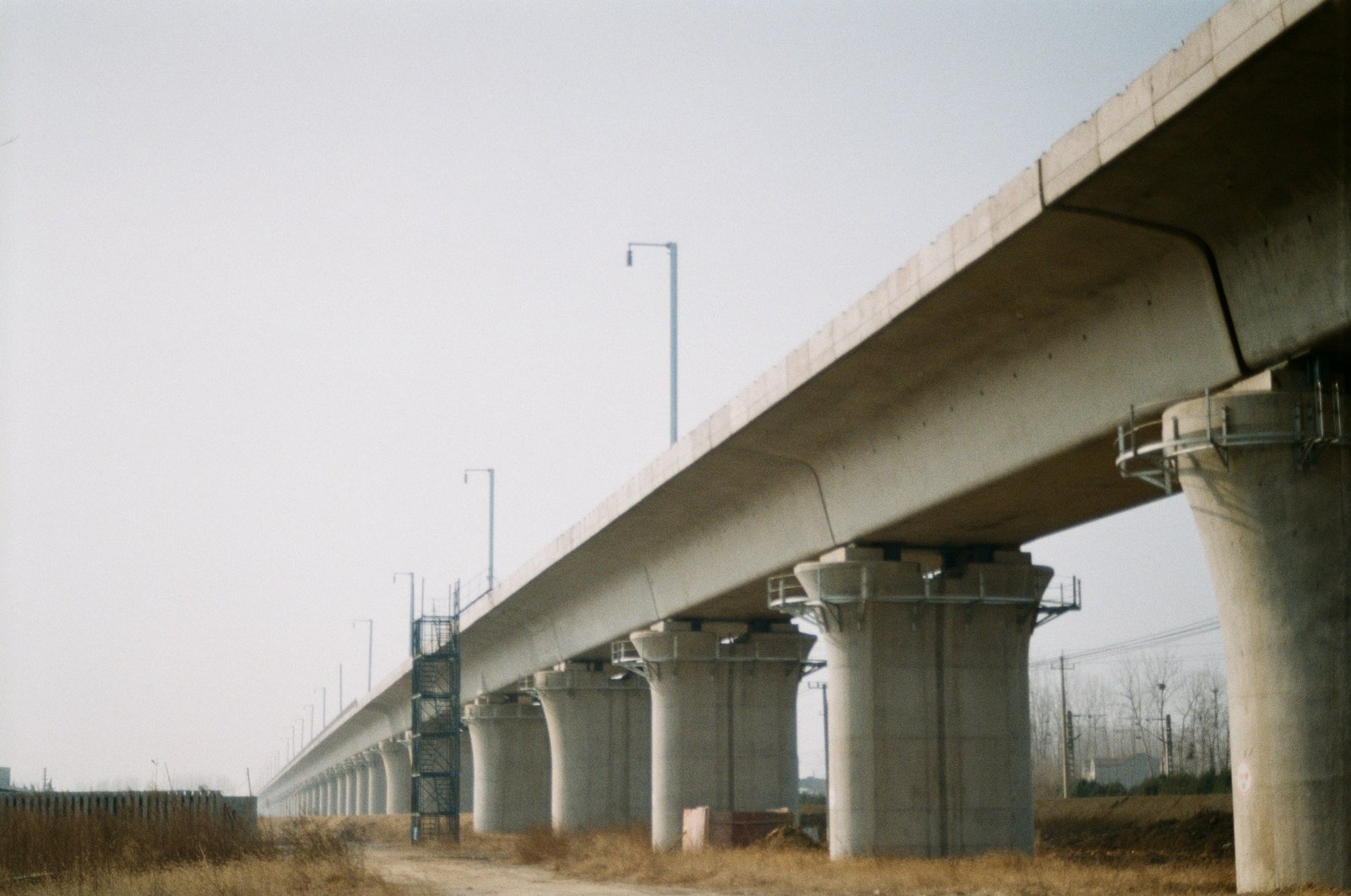
Climate stabilisers cool comfortably. Fire infrastructure is invisible and is held to be so efficient when it is required to do the task best. Behind this outward appearance of simplicity, however, is a vast web of engineering choices, disciplined implementation, and long-term leadership, which are aimed at the long-term performance, not the short-term publicity.
There is no space for improvisation in mission-critical Mechanical, Electrical, and Plumbing (MEP) infrastructure. It requires visionary thinking, accuracy, adherence to regulations, and a firm sense of quality throughout the life cycle. The career path of one of the engineering professionals over the last thirteen years has been formed by the following exact requirements, including the projects in the UAE and India and including the delivery, functioning, and maintenance of high-performance MEP systems in complex commercial and institutional settings.
This trip is not characterised by fame and obvious rewards. Rather, it is gauged in continuity – systems operating consistently day after day, projects that are completed on time, teams that work together under stress, and infrastructure that allows organisations to run smoothly. It is a tale of trustworthiness being established consciously and maintained silently out of the limelight.
Early Foundations: Engineering Discipline and Technical Grounding
Any long leadership path starts with a strong technical base. This career path started with a solid foundation of practical engineering experiences where the theory was put to the test to determine its viability in the real world of construction sites, live systems and changing needs of the clients.
Having a formal education in Electrical and Electronics Engineering and an early exposure to residential and commercial developments in India, the initial step toward the career focused on knowing the systems inside out. The electrical distribution networks, load analysis, equipment choice, wiring, and safety measures were not some abstract academic implications but the day-to-day operational requirements.
The experiences of this early time taught a critical professional mentality: reliability is based on fundamentals. The foundation of all the future roles was accurate drawings, rigid compliance with standards, rigorous performance, and respect for safety measures. Subsequent experience with substations and smart metering systems, as well as industrial facilities, helped emphasise the significance of precision, compliance, and accountability-ideals that would be applied later in decisions related to leadership, on much greater scales.
Transitioning Across Borders: Adapting to the UAE’s MEP Landscape
The transition from India to the UAE marked a significant milestone in the professional journey. It brought about a construction ecosystem, which was typified by a higher project magnitude, tight schedules, multiple stakeholder expectations, and strict regulatory supervision.
MEP engineering in the UAE involves fluency in authority approvals and regulatory coordination, especially with the Federal Electricity and Water Authority, Civil Defence, and municipal authorities. Every organisation has its own technical requirements, documentation and inspection procedures which directly affect the feasibility of projects and delivery time.
To survive in this environment, technical competence was far less than what was needed to adjust to it successfully. It required regulatory awareness, cultural understanding, as well as the capacity to organise with ease among the consultants, contractors, suppliers, and the government. Having worked as an MEP Engineer with well-established contracting companies in Abu Dhabi and Umm Al Quwain, the job responsibilities slowly shifted to include more coordination elements of the job, such as approvals, contact with clients and integration of disciplines on the same job.

Understanding Mission-Critical Infrastructure
Not every project is run within the same constraints. There are cases where minor downtime or gradual interventions can be done. Infrastructure that is mission-critical does not.
Commercial complexes and institutes, including broadcast facilities, cannot afford to have their work stopped by MEP failures. The malfunction of an HVAC system may endanger delicate equipment and uptime. Power outages can stop the broadcasting business, and they can affect the safety systems. Fire and life safety infrastructure should be able to work perfectly in any circumstances.
Such environments is to be dealt with through a radical change of vision. It is no longer concerned with project completion but with lifecycle performance. Systems are not merely installed and delivered; they are designed to be robust, put through an extensive test, and are proactively maintained. This realisation was to centre on professional philosophy, which would be used later to define the roles of leaders: reliability is not assumed but is designed.
From Execution to Oversight: Expanding Responsibility
With experience, it became apparent that professional duties were transformed or enhanced to the level of site execution, further down to a larger project scope. This development was slow and performance-based and was anchored on technical credibility, consistency and being able to manage complexity without losing standards.
Responsibilities over time added the detailed check of architectural, structural and MEP shop drawings, planning the construction methodologies to maximise cost and time, coordinating the approvals with consultants and government authorities, controlling the work and procurement activities, and overseeing the construction progress against schedules, quantities, and budgets.
Hierarchy was becoming less important, and trust became the starting point of leadership. Teams were based on clarity of direction, informed decision making and problem solving based on practical engineering knowledge instead of administrative authority in isolation.
Leadership in Live Environments: The Project and Maintenance Manager Role
This thirteen-year journey was characterised by a turning point to a Project and Maintenance Manager. This was a different position in contrast to the traditional construction-oriented positions of a different nature, as it involved a balancing act between the execution of new projects and the operation and maintenance of the live systems.
The control of the MEP infrastructure of an active broadcasting organisation brought its own pressures. The systems could not be simply closed to make some changes or fixes. The maintenance activities needed to be carefully planned, coordinated, and implemented in a way that would cause minimum operational interference.
This position required strategic preventive maintenance planning, organised management of annual maintenance contracts, the creation of performance indicators of electrical and MEP systems, ongoing observation of reliability and acceptance, and management of huge multidisciplinary teams of professionals. At this point, reliability shifted towards a more abstract goal, becoming a routine task.
HVAC Systems: Engineering Comfort and Continuity
Some of the most complicated and energy-consuming elements of MEP infrastructure include HVAC systems. Their performance in mission-critical spaces has a direct impact on equipment life, comfort of occupants and stability of the entire operations.
The HVAC lifecycle took on all responsibilities, such as system design, preparation of compliant drawings, choosing of chillers, air handling units, fan coil units, and split systems, installation and commissioning of chilled water networks, ducting and insulation work, smoke extraction system, and complete integration with building management systems.
The fact that all globally known brands like Trane, Carrier, Siemens, Honeywell, and O General were managed demanded technical knowledge and the ability to coordinate with the suppliers and service organisations. The attention was always on longevity performance, maintainability, and economy, as far as other installation quality was concerned, instead of just on the quality of installation.
Electrical and ELV Systems: Powering Reliability
Mission-critical operations are built on electrical systems. The load management, redundancy planning, grounding systems, and protective devices should be able to work together towards ensuring that there is no disastrous failure.
Supervision encompassed design and installation of electrical systems, load schedules, single-line diagram, preparation, coordinating with FEWA on approvals and inspections, panel, breaker, and cabling systems installation and realisation of earthing and lightning protection measures.
Parallel to this, ELV systems like fire alarms, emergency lighting, public address systems, CCTV, and telecommunications were operated as safety and communication networks. They did not see each system as a separate component but, instead, as a large part of an operational system.
Fire Fighting and Life Safety: Engineering for the Worst Day
The firefighting and life safety systems hold a special place in the MEP infrastructure. Such systems are created with events that are not guaranteed, but should work perfectly should they happen.
The scope of leadership included the system design, fire network execution, installation of diesel, electric, and jockey pumps, zoning and control valve setup, coordination with Civil Defence, as well as overall testing, commissioning, and documentation. The life safety infrastructure requires high accuracy, attention to records, and repetition of checks. In this case, reliability is not defined by the uptime, but rather by readiness.
Authority Coordination: Navigating Regulatory Complexity
The long-term communication with the regulatory authorities has been a characteristic feature of this profession. FEWA, Municipalities, Civil Defence, and other government structures have control over all stages of MEP project implementation in the UAE.
To be effective in coordination, it is mandatory that complex technical designs be translated into regulatory-compliant submissions, foresight of regulatory responses, effective management of inspections and finality of documentation traceability. FEWA, the Society of Engineers UAE, Civil Defence, and the Command of Military Works professional licences indicate not only compliance, but also credibility in the regulatory environment over an extended period.
Team Leadership: Managing People, Not Just Projects
People eventually construct and maintain MEP infrastructure. System performance and reliability involve engineers, supervisors, technicians, subcontractors and even vendors.
The focus of leadership here was on accountability, constant improvement of skills, the promotion of a safety culture, monitoring performance with specific indicators, and unwavering conflict resolution. Instead of the control-centred approach, the leadership style was more towards organised autonomy, empowering the teams and maintaining uniformity.
Maintenance as Strategy, Not Afterthought
Maintenance in most organisations is reactive. It should be strategic in mission-critical settings.
Prevention maintenance schedules, monitoring of the conditions and audits of the systems became components of the extended operational planning. The procurement decisions were made based on equipment lifecycle considerations, and documentation ensured continuity even with the changes in the teams. Maintenance was considered part of engineering design – not a distinct, separate activity.
Integrating Business Acumen: The MBA Influence
Leadership at scale is not supported by technical expertise alone. An MBA in Project Management provided the firm with a strategic layer in its engineering decision-making processes and enhanced its ability to control costs, optimise budgets, manage contracts, reduce risk, and communicate effectively with its stakeholders.
By combining engineering field and business skills, value-addition beyond technical implementation has been increased, which has made infrastructure performance in line with the company’s goals.
Sustaining Performance Over Time
Isolated achievements do not characterise thirteen years in MEP infrastructure. It is defined by consistency. Reliable project delivery, effective system maintenance, team retention and development and long operating cycle support of clients.
In this regard, reliability is cumulative. It is constructed out of thousands of right choices, which are not even noticed, but which are necessary.
The Quiet Impact of Behind-the-Scenes Leadership
MEP leadership does not work in a broad view. When the systems work properly, the focus will shift to other directions. This invisibility is not only a challenge but also a success indicator.
The lack of interruption, the perpetuation of activities and the safety of occupants are the actual results of efficient MEP leadership.
Looking Forward: Reliability as a Continuing Responsibility
With the increase in the complexity and the interconnection of infrastructure systems, the necessity to have disciplined MEP leadership is ever-increasing. The contemporary trends include sustainability, energy efficiency, automation, and resilience as the key factors of contemporary infrastructure management.
The values guiding this thirteen-year journey, which are technical rigour, accountability, regulatory compliance, and people-centred leadership, are as applicable today as at the onset.
Reliability is not a milestone. It is a responsibility renewed every day.
Engineering Trust Through Continuity
The process of creating reliability behind the scenes takes time, takes control, and a long-term dedication to excellence, way past the project handovers. It requires leaders who perceive systems in their full complexity, who appreciate regulatory frameworks, as well as people who run and sustain infrastructure long after the building is finished.
This thirteen-year journey across mission-critical MEP environments reminds one of a simple fact: the most significant systems are least visible, and the best leadership is not measured based on the recognition that an individual gathers, but the trust that has been earned throughout a lifetime.