






Modern workplaces are evolving at a rapid pace, shaped by technological advancement, changing employee expectations, and a growing awareness of the importance of well-being at work.
Organizations that succeed in this environment are those that actively build supportive structures designed to help their teams perform confidently, adapt to challenges, and remain engaged over time. By focusing on thoughtful leadership, clear systems, and a people-first mindset, businesses can create environments where both individuals and operations thrive.
Understanding the Needs of a Modern Workforce
Today’s employees often seek more than just a paycheck. They value flexibility, purpose, and opportunities for growth. Companies that recognize these priorities can better align their internal structures with real human needs. For example, implementing flexible scheduling, hybrid work options, or tailored career development programs can demonstrate a genuine commitment to employee satisfaction.
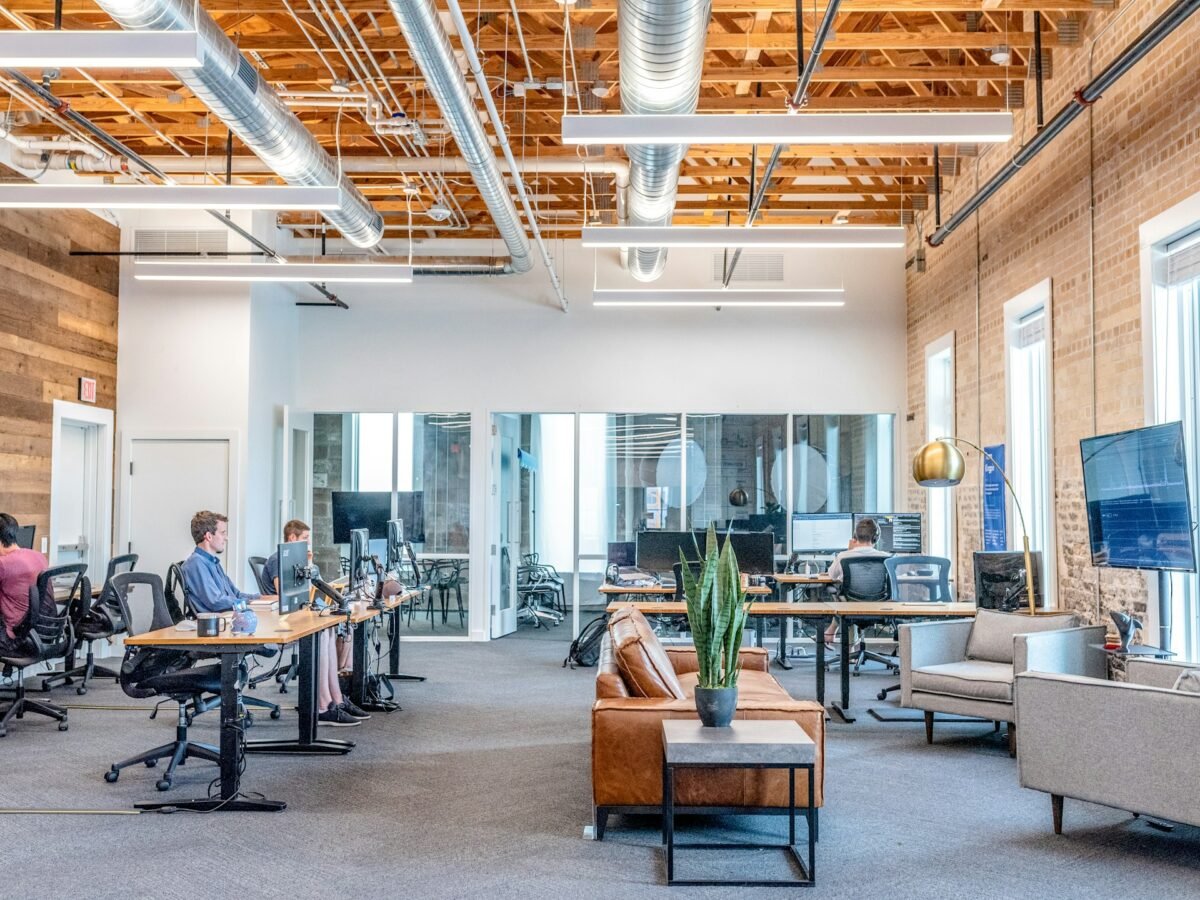
Supportive workplace structures also involve recognizing diverse working styles. Some employees excel in collaborative settings, while others prefer quiet, independent tasks. Designing workflows and office layouts that accommodate these differences can enhance productivity and morale. A workplace that respects individual preferences ultimately becomes a place where people feel comfortable contributing their best ideas.
Building Transparent Policies and Practices
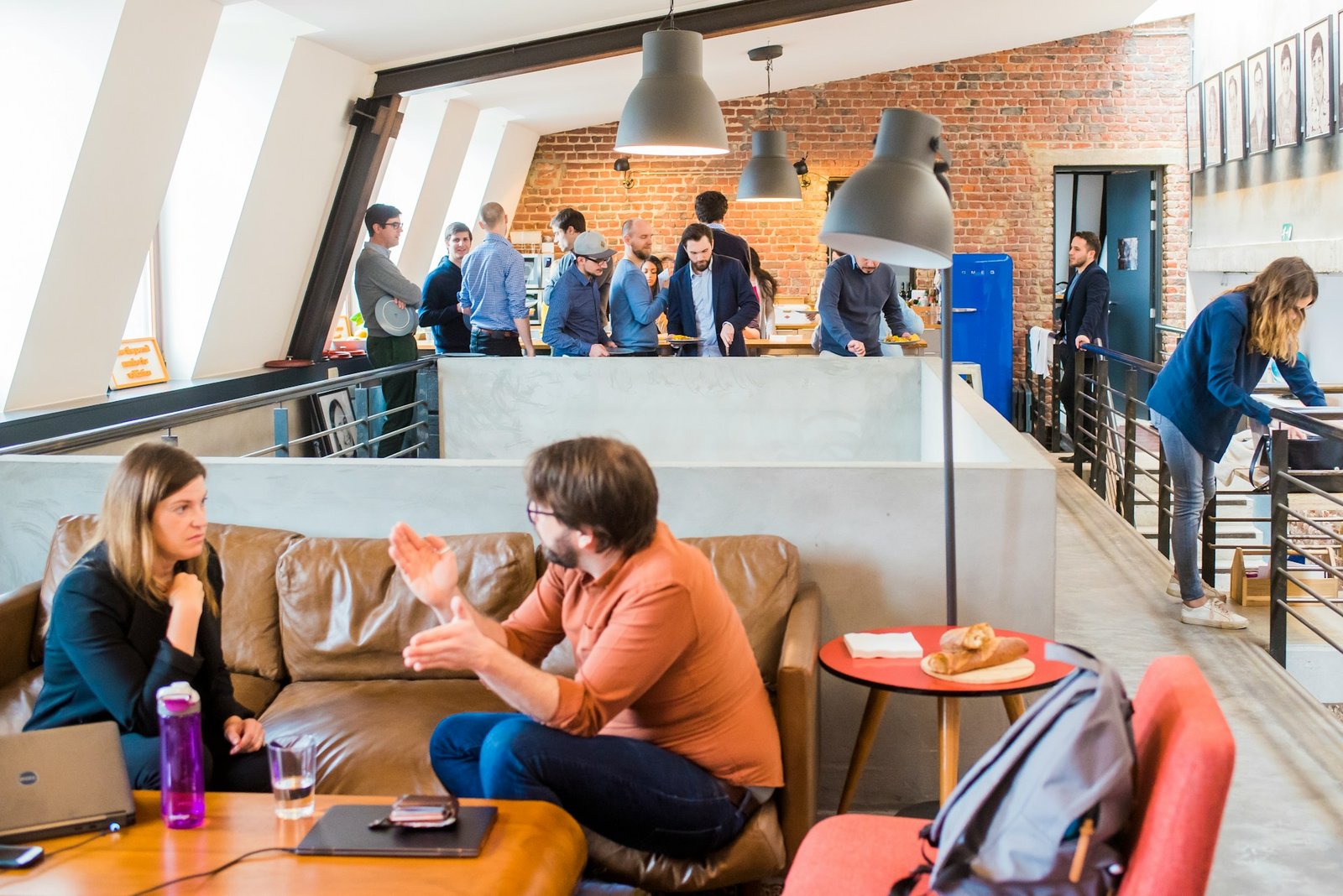
Transparency is a cornerstone of supportive workplace structures. Clear policies help employees understand expectations, rights, and available resources. When guidelines are communicated effectively, teams experience less uncertainty and greater confidence in decision-making.
This clarity extends to conflict resolution, performance evaluations, and workplace conduct. Establishing fair and accessible procedures encourages trust between leadership and staff. In some cases, organizations also strengthen their support frameworks by reviewing their approach to compliance and risk management. For instance, leaders may explore options like insurance coverage for employers as part of a broader strategy to protect both the company and its workforce from potential disputes or misunderstandings.
Encouraging Leadership That Listens
Strong leadership plays a vital role in shaping workplace culture. Supportive structures are not just about policies or tools; they are also about how leaders interact with their teams. Managers who listen actively, provide constructive feedback, and show empathy can create a sense of psychological safety that empowers employees to speak up and innovate.
Open communication channels, such as regular one-on-one meetings, anonymous feedback systems, or collaborative workshops, can help leaders stay connected with their teams. When employees feel heard, they are more likely to remain motivated and committed to organizational goals. This ongoing dialogue also enables businesses to identify challenges early and respond with meaningful solutions.
Promoting Well-Being and Work-Life Balance
Sustainable performance depends on employee well-being. Organizations that prioritize mental health, manageable workloads, and healthy boundaries often see improved retention and engagement. Supportive structures might include wellness initiatives, access to counseling services, or training programs focused on stress management.
Encouraging work-life balance is equally important. Simple steps such as respecting non-working hours, offering paid time off, and fostering realistic productivity expectations can make a significant difference. When people feel supported in their personal lives, they are better equipped to contribute positively at work.

Investing in Continuous Growth and Development
A modern workplace must also provide opportunities for learning and advancement. Structured training programs, mentorship initiatives, and skills workshops can help employees build confidence and expand their capabilities. This investment benefits both individuals and the organization by ensuring teams remain adaptable in a constantly changing business landscape.
Growth-focused environments also encourage collaboration and knowledge sharing. When employees are empowered to develop professionally, they are more likely to contribute innovative ideas and take ownership of their roles. Over time, this culture of continuous improvement strengthens the organization’s resilience and competitiveness.
Creating a Culture That Supports Long-Term Success
Ultimately, supportive workplace structures are about building a culture where people feel valued, protected, and inspired. By combining transparent systems, empathetic leadership, and opportunities for personal development, organizations can cultivate environments that drive both productivity and satisfaction.
In an era defined by change, businesses that invest in supportive frameworks are better prepared to navigate uncertainty. They not only meet the immediate needs of their workforce but also lay the groundwork for sustainable growth and meaningful professional experiences.