





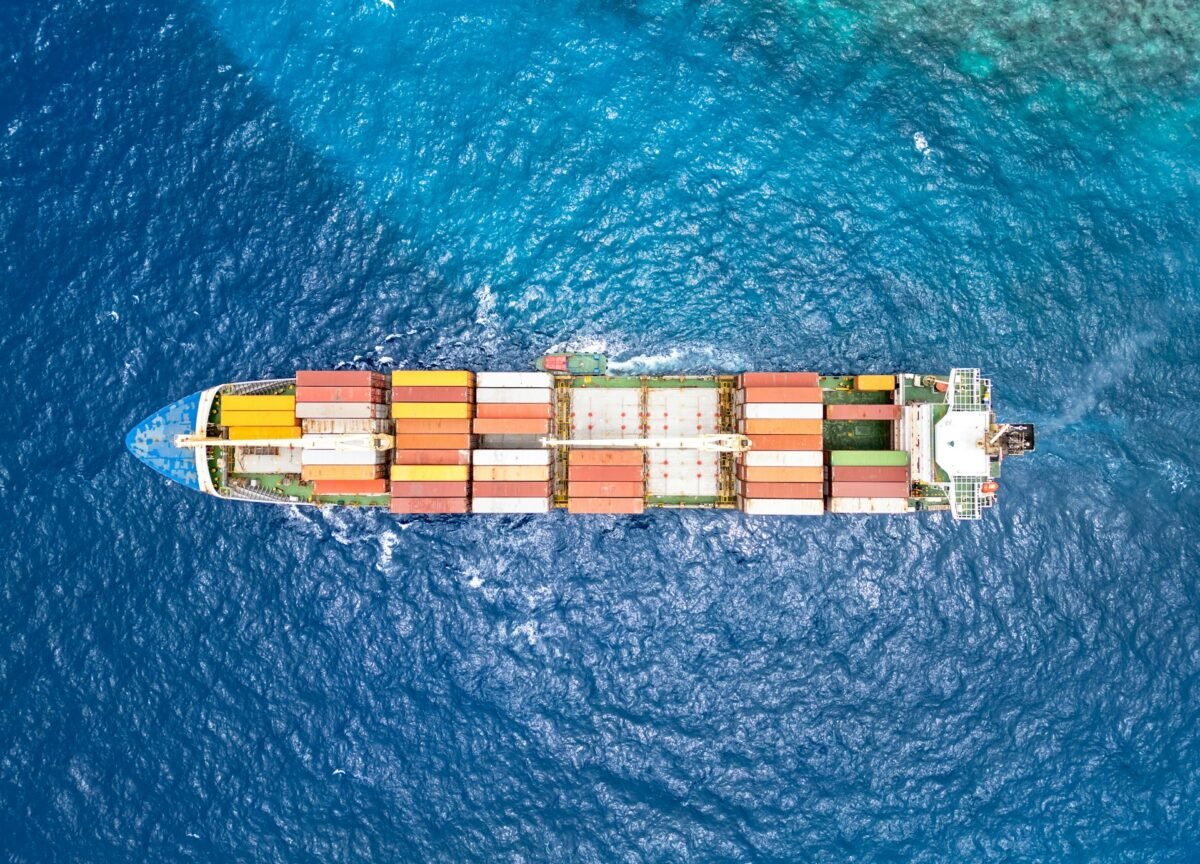

The modern global economy relies heavily on the efficient movement of massive quantities of goods across oceans.
While container shipping often dominates the public perception of maritime logistics, many industrial sectors require more tailored solutions for their cargo needs.

This article examines the fundamental mechanisms of ship charter practices, explaining how businesses secure entire vessels to move specialized commodities and large scale shipments. Understanding the distinct layers of maritime contracts serves as a vital foundation for comprehending the complexities of international trade and the strategic decisions companies face when navigating the high seas. International trade involves a diverse range of cargo types from raw materials like iron ore and grain to specialized heavy equipment used in infrastructure projects. These items often do not fit neatly into standard shipping containers or follow established liner schedules. Consequently, the maritime industry utilizes various frameworks to ensure that seasonal demands and unique cargo requirements are met with precision. By exploring the roles of owners, charterers, and brokers, we can see how the global fleet is mobilized to keep supply chains fluid in a volatile economic landscape.
Defining the core concept of ship chartering
At its most basic level, a ship charter is an agreement where a shipowner leases a vessel or the space on a vessel to another party, known as the charterer. This legal arrangement, typically documented in a charter party agreement, outlines the rights and responsibilities of both parties. Unlike passenger travel or standard parcel delivery, chartering gives the charterer a significant degree of control over the journey, the cargo, and sometimes the vessel itself for a specified period or a specific voyage. The necessity for these arrangements arises when the volume of goods is so large that it justifies the use of a whole ship. Major energy companies, mining firms, and agricultural conglomerates frequently engage in these practices to ensure their commodities reach global markets without being beholden to the rigid timelines of commercial liner services. This level of flexibility allows for deeper integration into the production cycle, as the vessel can be scheduled to arrive exactly when the cargo is ready for loading at the port.
Distinguishing between voyage and time charters
One of the most critical distinctions in the industry is the difference between a voyage charter and a time charter. In a voyage charter, the vessel is hired for a specific route between designated ports. The shipowner maintains most of the operational control and is responsible for the costs associated with the crew, maintenance, and fuel. The charterer pays a freight rate based on the amount of cargo carried, making this a popular choice for one off shipments of coal, grain, or ores. Conversely, a time charter involves hiring the vessel for a fixed period, which could range from a few months to several years. Under this arrangement, the charterer decides where the ship goes and what cargo it carries within agreed limits. While the owner still provides the crew and manages technical maintenance, the charterer typically covers variable costs like fuel, port charges, and canal tolls. This model provides the charterer with sustained transport capacity and protection against fluctuations in the spot market freight rates.
Technical considerations for specialized cargo
Different types of ships are tailored for specific tasks, and selecting the right vessel is a key part of the process. Bulk carriers are designed for loose commodities, while tankers are used for liquids like oil and chemicals. For industrial projects involving massive machinery or wind turbine components, heavy lift vessels with onboard cranes are required. The process of ship charter involves matching the specific technical capabilities of a vessel with the physical requirements of the cargo. Technical specifications such as the strength of the decks, the dimensions of the hatch openings, and the capacity of the ship cranes must be verified. If a vessel is unsuitable for the intended cargo, it can lead to dangerous imbalances at sea or damage during the loading process. This technical vetting is often handled by specialized port captains or marine surveyors who act on behalf of the charterer to ensure the vessel meets the safety and operational standards required for the project.
Environmental regulations and the future of chartering
The maritime sector is currently undergoing a massive transformation driven by environmental regulations from the International Maritime Organization. New rules regarding carbon intensity and fuel types are changing how vessels are valued and used. Older, less efficient ships are becoming more expensive to operate, making modern eco friendly vessels more attractive for long term contracts. Charterers are now increasingly factoring environmental performance into their selection criteria. This shift is leading to the development of green clauses in charter agreements, where parties agree on how to share the costs of environmental compliance and emissions reporting. As the industry moves toward greener fuels like ammonia or methanol, the relationship between owners and charterers will continue to evolve. Understanding these regulatory pressures is vital for any organization involved in long distance trade, as they directly impact the availability and cost of maritime transport.
Conclusion of the process and final considerations
Effective maritime logistics through the use of dedicated vessels requires a combination of legal, technical, and market expertise. From the initial search for a suitable ship to the final discharge of cargo, each step must be managed with precision. By understanding the different types of contracts and the market forces at play, businesses can navigate the complexities of international trade with greater confidence. As the global economy continues to grow and evolve, the demand for flexible and efficient shipping solutions will remain constant. Whether it is through a simple voyage contract or a complex long term time charter, the ability to move goods across the oceans efficiently is at the heart of global prosperity. Companies that master these principles are well positioned to thrive in an interconnected world where the sea remains the primary highway for the transport of the world’s essential goods.
