






Did you know that running your ceiling fan can make you feel around five degrees cooler on a hot day?
Don’t be passive when it comes to preparing for summer heat.
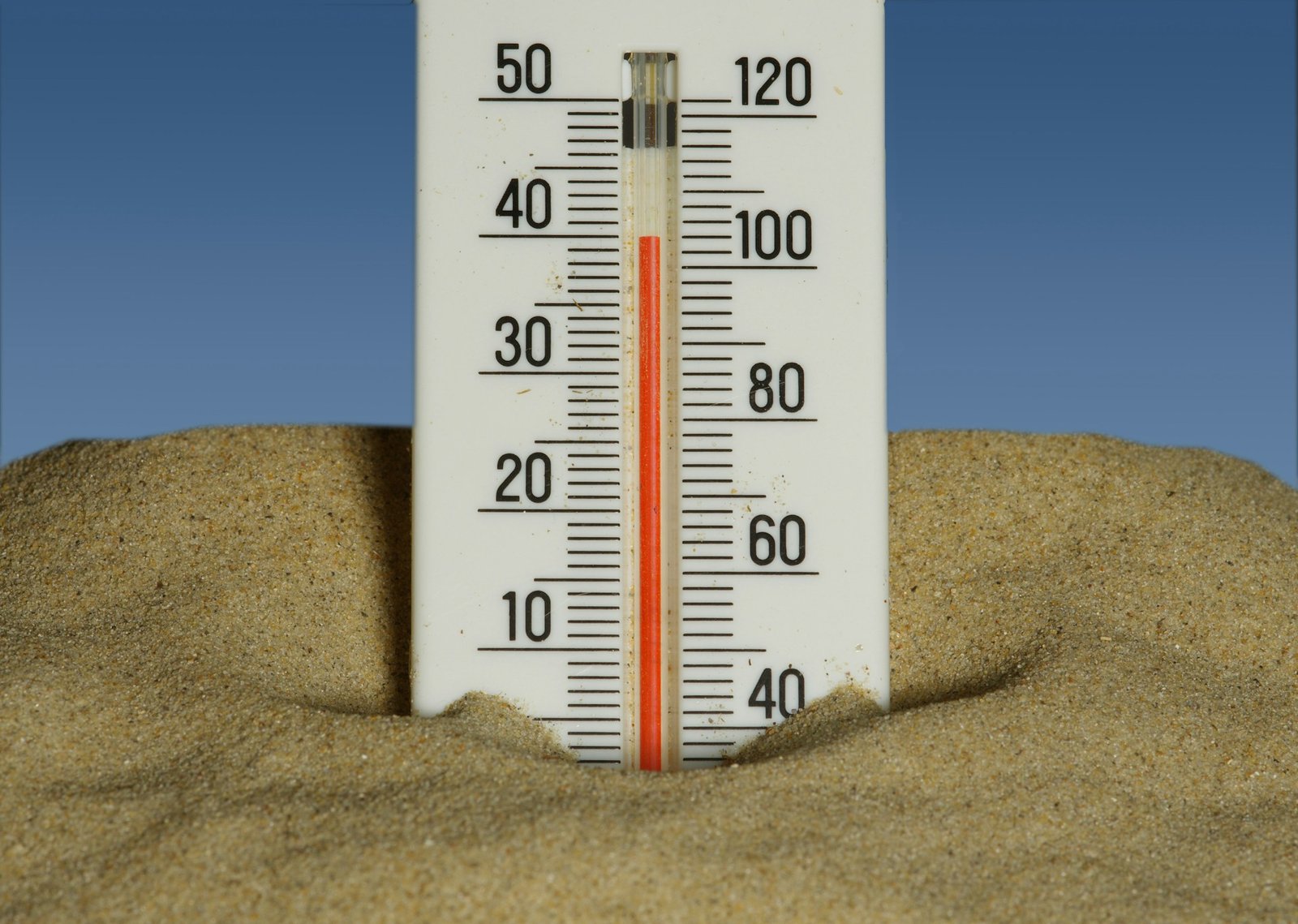
You’ll feel more comfortable and save money by being proactive about preparing your home for higher summer temperatures.
Making even some simple adjustments can keep your home cooler and lighten the burden on your HVAC system. Keep reading as we explore seven smart ways to prep your home for heat waves.
1. Change Your Ceiling Fan’s Seasonal Setting
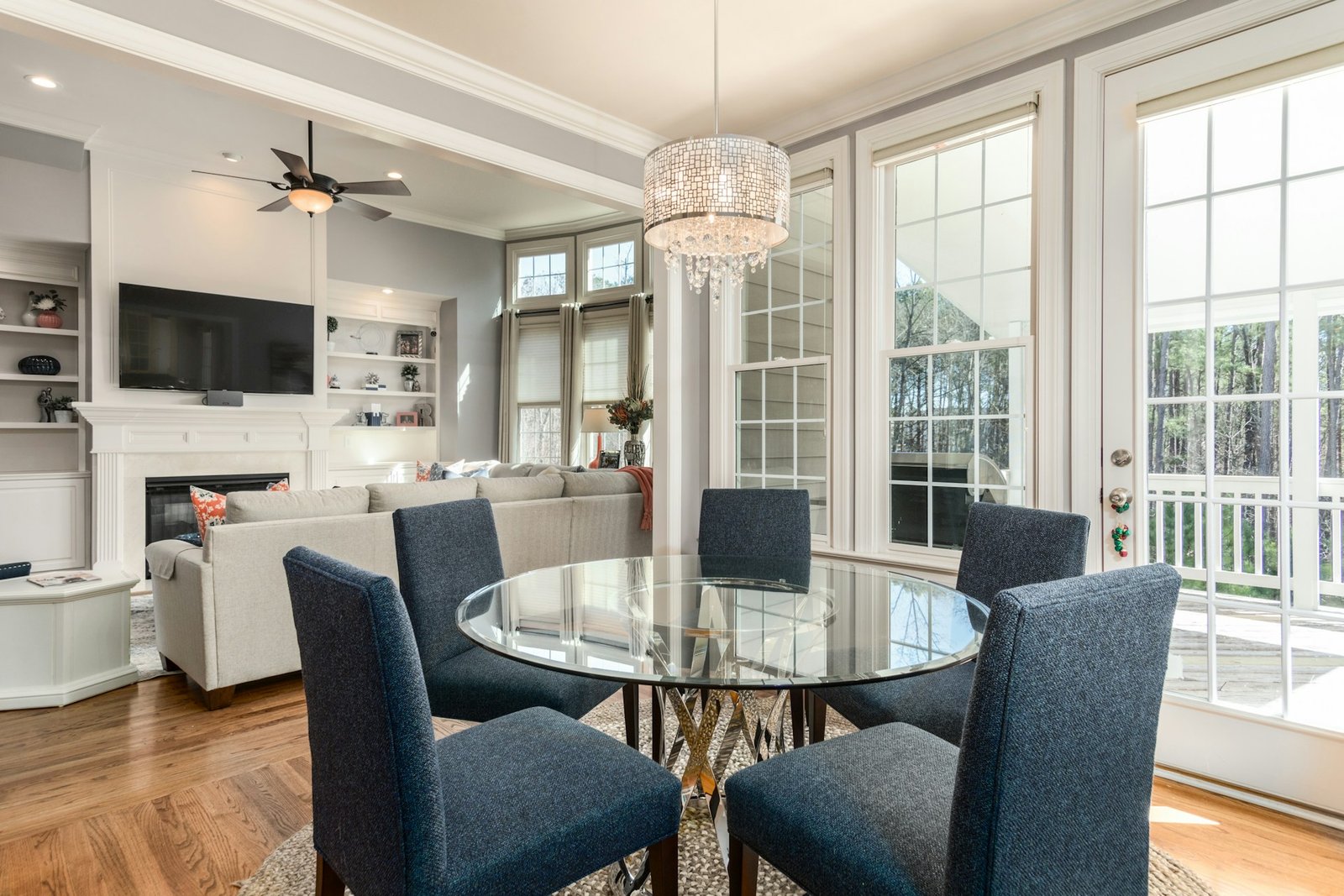
You might not know that the direction your ceiling fan spins can impact the temperature in your home. When it’s cold outside, ceiling fans should spin clockwise to help keep warm air closer to the ground.
But in the summer, you’ll want to be sure your fan is spinning counterclockwise. The fan will produce a better breeze that keeps you feeling cooler. And it could save you money on utilities that you can put toward summer travel.
Just look for a small switch on the fan motor to adjust it. When you’re smart about changing the fan’s direction during the summer months, you could see the temperature drop a few degrees in your room.
2. Use Caulk and Weatherstripping for Leaks
When you have gaps around windows and doors, you’re rolling out the red carpet for hot air to enter your home. Fortunately, stopping hot air can be a relatively easy DIY fix during summer.
Buy weatherstripping to line gaps beneath your front or back door. And use caulk if you have gaps or cracks around window frames. You’ll ease the strain on your air conditioner by preventing summer heat from finding its way into your home.
3. Maintain Your HVAC System
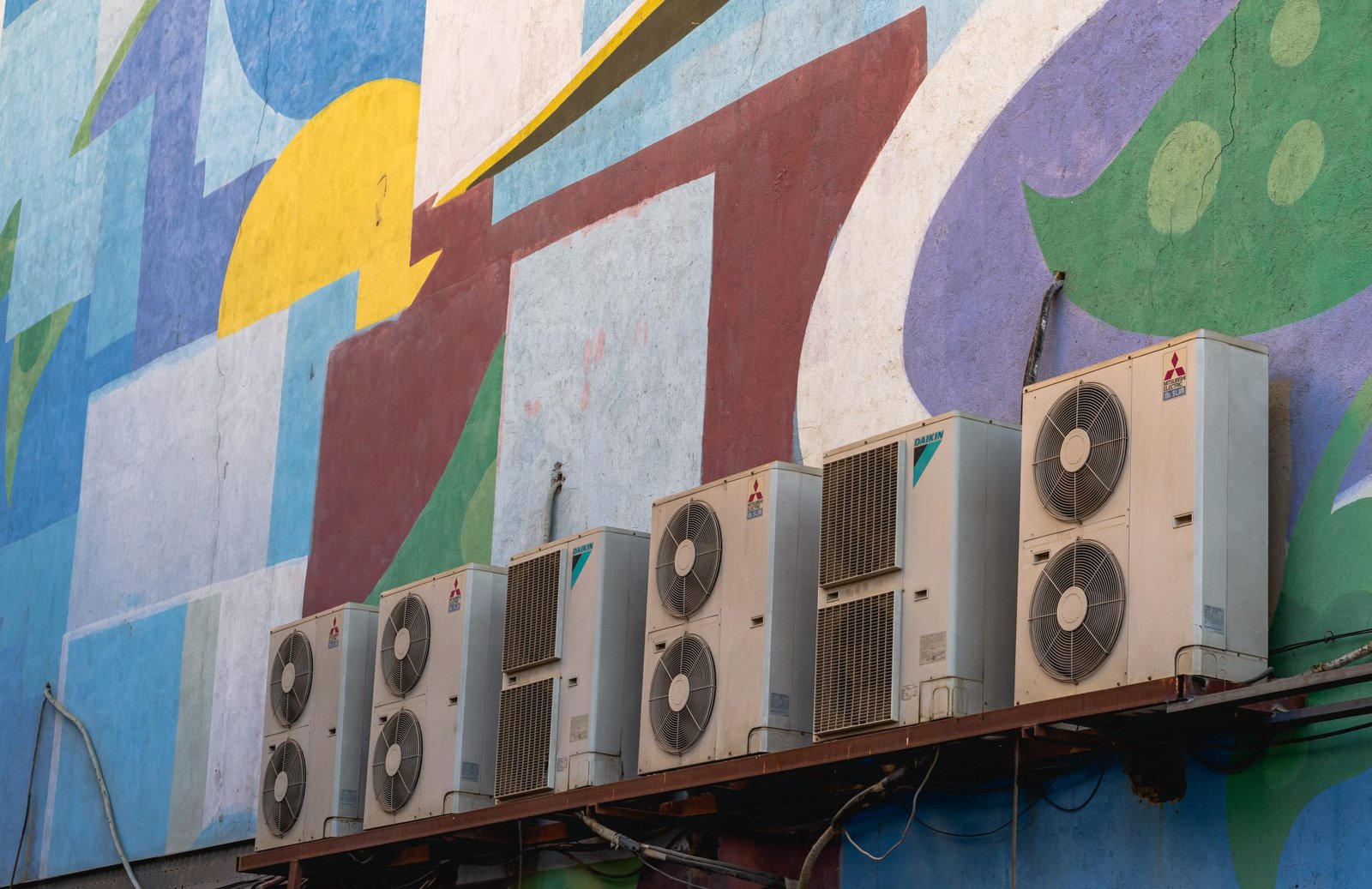
The last thing you want is for your AC to stop working during the hottest days of the year. Instead, commit to regular maintenance so your system is running efficiently and safely. You can do some maintenance tasks yourself, too.
Make sure to replace HVAC filters as recommended by the type of filter you have. Keep vegetation away from your outdoor unit. And get your AC serviced annually so a professional can check the electrical components and general condition of your unit.
4. Limit Sunlight
Yes, it’s nice to let natural light into your home. But too much sunlight can cause your home’s temperature to rise. Make sure you’re being mindful of the sun when summer rolls around.
Install blinds or drapes to help filter light, and close them at midday. You may even want blackout curtains that can keep your home cooler and keep away UV rays.
Consider adding window film, too, to help lessen the intensity of sunlight. You’ll help maintain cooler indoor temperatures without spending a fortune.
5. Program Your Thermostat
If you have a smart thermostat, take advantage of it. Rather than manually changing the temperature during the day, schedule those changes. You can elevate the temperature when you’re at work or out of town, and keep the temperature lower right before you get home.
At night, notch down the temperature so you create a more comfortable sleeping environment. When you program small adjustments, you’ll help conserve energy. And you’ll ensure that your home is cool enough when you need it to be.
6. Upgrade Your AC
Most air conditioners last around 15 years, and yours might be due for an upgrade. When you opt for a model with better Seasonal Energy Efficiency Ratio (SEER) ratings, you’ll get better cooling power for less money.
Make sure you work with a reputable AC technician to know what size and model works best for your home. It’s also smart to gather a few bids to compare equipment and installation costs.
If you’re in a city like Denver, where summer temperatures can really climb, don’t delay in scheduling an appointment. You may discover that you need to upgrade your system, and it’s always best to go with local HVAC experts for AC installation.
7. Designate Cooling Zones in Your Home
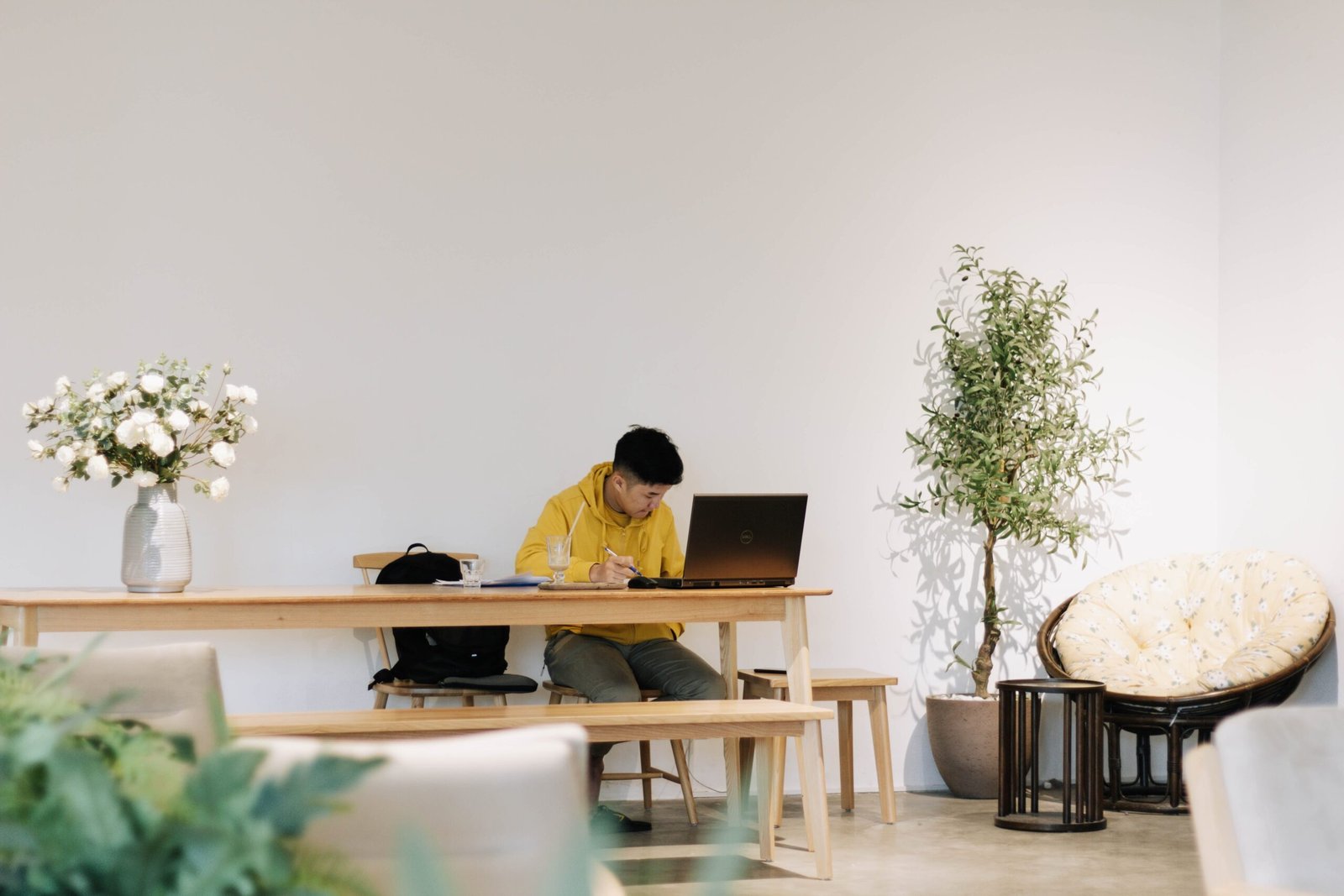
When you’re spending most of your time in one area, like a home office, you don’t need to keep every other room as cool. Work on creating specific cooling zones that are more comfortable than other parts of your home.
You can add portable box fans to these spaces or blackout shades. You may even want to add window units or close vents in other rooms. Maintaining cooler spaces in select parts of your home can help manage your cooling needs.
Be Ready for the Next Heat Wave
Don’t be caught off guard by a stifling heat wave. Instead, make plans to get your home ready, so you’re always cool. Invest in good blinds, sealants, and a better AC system.
Keep your fans spinning in the right direction, and direct airflow toward rooms you want to keep cool. With some small changes, you’ll feel better when the outdoor temperatures rise.