





Most rooms start from the wrong direction.
Paint swatches, furniture styles, and gallery walls usually get first priority.
The flooring comes in later as a backdrop. The better move is flipping that order. When a room is designed from the ground up, literally, the result feels more balanced, layered, and lived-in.
The rug doesn’t just fill space. It builds it. The shape, color, texture, and placement affect everything that follows. Before deciding where the sofa lands or what shade goes on the walls, the floor needs to set the tone.
Let the Rug Define the Perimeter
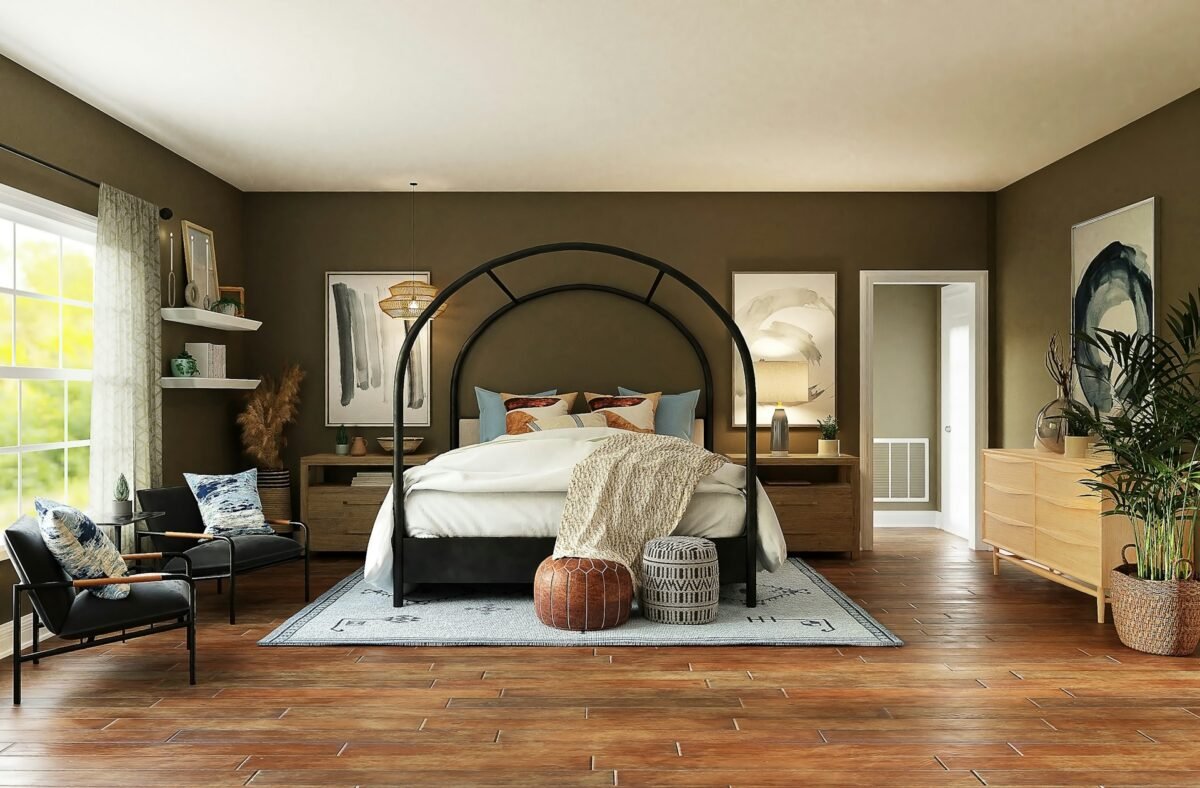
A rug should never float. It either grounds the furniture or frames it. Designing a space around a rug means choosing a size that works with how the room actually functions, not just how it looks in a catalog.
In living rooms, a rug that tucks under all furniture legs creates cohesion. In bedrooms, it should extend far enough from the bed that morning feet don’t land on a bare floor. In dining spaces, there needs to be clearance for pulled-back chairs to stay on the rug without catching the edges.
Match the Mood Before the Material
The feel of the rug carries into the tone of the room. A low-pile neutral sets a clean foundation. A patterned weave adds energy. A soft texture with natural fibers slows things down.
Start by asking what the room needs more of, like warmth, softness, structure, or calm. Let that answer guide both the look and the material. Choosing the wrong fiber to chase a trend rarely ends well. The room will look good for a week, but feel off every day after.
Work the Color Palette From the Ground Up
Wall paint is easy to change. Rugs are not. That makes them a better place to start when deciding on a color scheme.
A rug with subtle warmth can pull out golden tones in wood furniture. A deep pattern can anchor a room that otherwise runs light and airy. Once the rug is set, throw pillows, curtains, and artwork have something to respond to. Color balance starts with that first decision on the floor.
Light-toned rugs open up darker rooms. Deeper hues hide wear in high-traffic areas. Either way, they lead the palette, not follow it.
Use Custom Pieces to Fix Hard Spaces
Some rooms don’t follow the rules. Too wide, too narrow, oddly shaped, or full of tricky transitions. Off-the-shelf rugs usually fall short. They’re too small, too square, or just the wrong vibe. That’s where custom rugs carry real weight.
A well-cut, perfectly scaled rug doesn’t just fit. It improves the space. Hallways feel longer. Nooks feel finished. Rooms with weird angles finally come together.
Designing with custom rugs is about control. The layout can push to the edges or stay centered. The texture can match the exact use. The color can blend without disappearing.
How to Build a Room Around a Rug That Actually Works
Once the rug is down, the rest of the room needs to follow suit. Every piece should land with intention, not just in proximity to the rug but in response to it.
A few choices tighten the room’s flow:
- Keep at least the front legs of furniture on the rug to avoid disconnect
- Let coffee tables sit centered with equal space on all sides
- Use lighting that mimics the lines or scale of the rug
- Let nearby textiles (pillows, throws) echo one element of the rug’s texture or tone
- Choose accent pieces that create vertical movement from the rug upward
- These small decisions help the room feel like a single thought instead of a mix of parts.
Designing from the floor up means starting with what holds the space together. It turns a flat surface into a foundation. When the rug sets the stage, everything else has a place to land. The colors line up. The furniture flows. The light hits where it should. The result isn’t just well-designed. It feels done.