




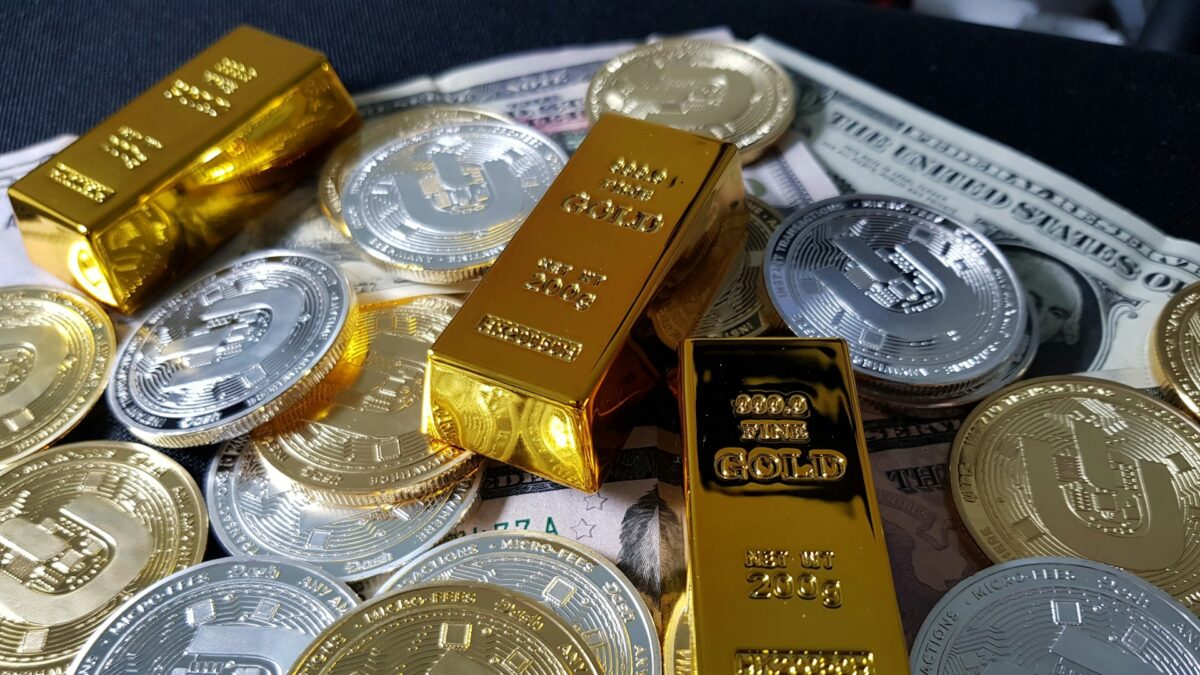

Holding precious metals is not simply about buying gold or silver and waiting for prices to rise. If you want metals to function as a working portfolio, you need to consider how each metal contributes to diversification, risk management and your wider investment objectives. Gold, silver, platinum, palladium and rhodium respond differently to economic conditions, so treating them as distinct portfolio components can help you make more deliberate investment decisions.
Define the Role of Metals in Your Portfolio
Before deciding which metals to hold, establish what you expect them to achieve. You may want protection against currency weakness, greater diversification away from equities and bonds, exposure to industrial demand, or a combination of these objectives. Your purpose should influence both the metals you select and the proportions you allocate to them.
A structured approach such as the Auctus Metals Portfolio can provide useful context for thinking about precious metals as an actively considered allocation rather than a collection of unrelated holdings. The important principle is that every position should have a clear reason for being in your portfolio.
Understand What Drives Each Metal
Gold is often viewed as a safe-haven asset, meaning investors may turn to it during periods of economic uncertainty, market stress or concerns about currency purchasing power. Its investment role therefore differs considerably from metals whose prices are more closely connected to manufacturing activity.
Silver occupies a middle ground because it has both investment and substantial industrial demand. Platinum, palladium and rhodium are also heavily influenced by industrial applications, particularly within automotive and other specialised manufacturing sectors. Understanding these different demand drivers helps you avoid assuming that all precious metals will perform similarly under the same economic conditions.

Size Positions According to Risk
Different metals can display very different levels of volatility, or the degree to which prices fluctuate over time. Less liquid markets, including rhodium, can experience particularly sharp price movements compared with larger and more actively traded precious-metal markets.
You should therefore think about position size alongside potential returns. A metal with greater price volatility may warrant a smaller allocation, particularly if preserving capital is a priority. Your overall metals exposure should also remain proportionate to your wider investments, financial circumstances and tolerance for short-term losses.
Balance Defensive and Growth Exposure
A working metals portfolio can combine defensive characteristics with exposure to economic growth. Gold may provide a stabilising element, while metals with greater industrial use can potentially benefit when manufacturing activity and specific technologies increase demand.
That balance matters because excessive concentration in one metal can expose you to a narrow set of risks. Portfolio diversification does not simply mean owning several assets; those assets should ideally respond differently to changing market conditions. Considering their individual roles allows you to build an allocation that is more purposeful than dividing capital equally between metals.
Review the Portfolio as Conditions Change
A working portfolio should not be treated as static. Changes in interest rates, inflation expectations, currency movements, industrial demand and geopolitical conditions can alter the investment case for individual metals.
Periodic portfolio rebalancing allows you to compare your current holdings with your intended allocation. If a strong price rise leaves one metal representing much more of your portfolio than planned, rebalancing can help restore your preferred risk profile. The purpose is not to react to every market movement, but to keep your holdings aligned with the strategy you originally established.
Keep the Portfolio Working With a Clear Purpose
Thinking about metals as a working portfolio means moving beyond simply asking which metal might rise next. You instead consider what each holding contributes, how much risk it introduces and whether the overall allocation continues to serve your objectives. When each metal has a defined role and the portfolio is reviewed as circumstances change, precious metals can become a more structured component of your wider investment strategy.