







Most people don’t like thinking about death.
It’s uncomfortable, it feels morbid and honestly, it seems like something you can put off until later.
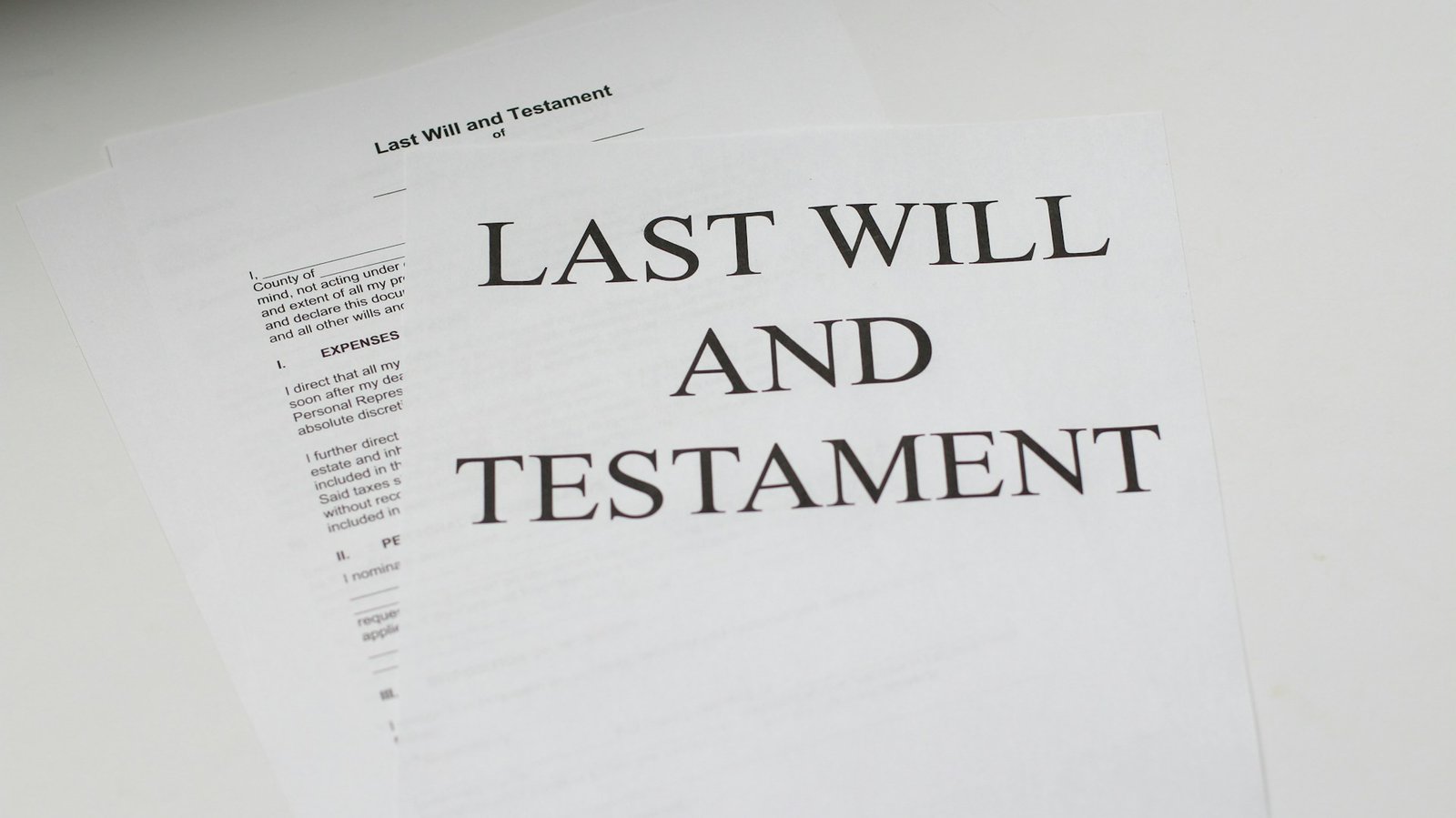
But here’s the thing: if you die without a will, the state decides what happens to everything you own.. Not your spouse. Not your kids. The government. And trust me, their plan for your assets probably doesn’t match what you’d want.
When someone dies without a will, it’s called dying “intestate.” Sounds fancy, right? But there’s nothing fancy about what follows. Your family gets thrown into a legal maze called probate court, where judges and rigid laws determine who gets your house, your savings, your grandmother’s wedding ring. Everything.
I think most folks assume their assets will just automatically go to their spouse or children. That’s not how it works. Not even close.
The Cold Reality of Intestate Succession
Intestate succession laws vary from state to state, which adds another layer of complexity to an already messy situation. Texas has one set of rules. North Carolina has another. These rules were written by state legislatures, who made their best guess of how an average person would want their property distributed.
In Texas, what passes to your spouse depends on whether the property is considered community or separate property, as well as whether you have children from a prior relationship. If all of your children are also the children of your surviving spouse, then your spouse inherits all community property. However, if you have children from another relationship, your spouse retains his or her one-half of the community property, and your one-half passes directly to your children.
North Carolina takes a different approach. The spouse’s share is determined by statute and includes specific dollar thresholds for personal property. If you leave behind a spouse and one child, your spouse receives a one-half interest in your real property. For personal property, your spouse receives the first sixty thousand dollars plus one-half of whatever remains. Your child inherits the other half of the real property along with the remaining balance of the personal property.
These aren’t just theoretical scenarios. I’ve seen families torn apart because Dad didn’t think he needed a will. “We’ll figure it out,” he probably said.
When Family Dynamics Explode
Money changes people. Or maybe it just reveals who they really are.
Without a will clearly stating your wishes, family members often disagree about what you “would have wanted.” Your daughter thinks she should get the house because she took care of you.
Your son believes everything should be split equally. Your second spouse feels entitled to more than your adult children from your first marriage think is fair.
Perhaps the saddest cases involve blended families. You remarried after your first spouse died. You love your new wife. You adore your kids from your first marriage. You assume everyone will get along and share nicely after you’re gone.
They won’t.
I’ve watched stepparents and stepchildren battle in court, relationships destroyed forever over estate disputes that could’ve been prevented with a simple will. The legal fees alone sometimes exceed the value of what they’re fighting over, but pride takes over. Nobody wins except the lawyers.
Assets That Slip Through the Cracks
Not everything goes through intestate succession, which creates another layer of confusion. Certain assets pass outside of probate entirely, following their own rules.
Life insurance policies go to whoever you named as beneficiary, regardless of what intestate laws say. Same with retirement accounts like 401(k)s and IRAs. If you listed your mother as beneficiary of your life insurance policy 15 years ago and never updated it, guess who gets that money? Not your current spouse or kids. Your mom.
Joint accounts with the right of survivorship automatically transfer to the surviving account holder. Bank accounts, investment accounts, even real estate titled as “joint tenants with right of survivorship” bypass probate completely.
This sounds convenient, but it creates problems. Maybe your checking account was jointly held with one child because they helped you pay bills. That child now legally owns that entire account. Their siblings? They get nothing from it, even though intestate laws would have split it evenly.
These inconsistencies fuel family conflicts. Some heirs receive substantial assets outside of probate while others receive only what’s distributed through the intestate process. Resentment builds. Accusations fly.
The Hidden Costs Nobody Mentions
Beyond court fees and attorney costs, dying intestate creates financial burdens that don’t show up on any invoice.
Business interests become particularly problematic. If you owned a company or held partnership stakes, your heirs inherit those interests according to intestate formulas. But what if some heirs want to sell and others want to keep operating the business? What if your business partner is suddenly forced to work with your spouse or adult children who know nothing about the industry? I’ve seen thriving businesses collapse within months because of these disputes.
There’s also the emotional cost, though you can’t put a dollar figure on it. Families spend holidays in mediation instead of together. Siblings stop speaking. Grandchildren grow up hearing stories about how “Uncle Mike screwed everyone over” during the estate settlement, even if Uncle Mike was just following what the law entitled him to.
Perhaps that’s the cruelest part. Relationships destroyed not because anyone was actually greedy or malicious, but because there was no clear guidance about your wishes.
Why People Avoid Creating Wills
If dying without a will creates such a mess, why do roughly 60% of Americans lack one? The reasons are pretty consistent.
“I’m too young.” You’re probably not. People die unexpectedly at every age. Car accidents, sudden illnesses, undiagnosed conditions. Death doesn’t check your birth certificate before showing up.
“I don’t have enough assets to worry about.” If you own anything, a car, a bank account with a few thousand dollars, personal belongings of sentimental value, you have enough to fight over. I’ve seen families battle over stamp collections and coin jars.
“It’s too expensive.” Compared to what? The cost of probate without a will? The legal fees when your kids dispute the estate? A basic will costs a few hundred dollars. The right estate planning attorney can draft something comprehensive for $1,000 to $2,500. That’s a bargain compared to the thousands your estate might lose in probate.
“It’s too complicated.” That’s partially true. Estate planning CAN be complex if you have substantial assets, multiple properties, business interests or complicated family situations. But that’s exactly why you need professional help. Trying to “keep it simple” by doing nothing is the most complicated choice of all.
“I’ll do it later.” Will you though? Life gets busy. That “later” keeps getting pushed back until suddenly there is no later.
Taking Control Before It’s Too Late
Creating a will isn’t just about distributing assets. It’s about maintaining control over your legacy and protecting the people you love from unnecessary hardship.
A proper will lets you specify exactly who gets what. You can explain why certain decisions were made, reducing the likelihood of disputes. You can name guardians for minor children, ensuring they’re raised by people you trust rather than whoever the court deems suitable. You can support causes you care about through charitable bequests.
You can also name an executor, someone you trust to handle the administrative burden rather than forcing your grieving family to figure out who should do it or fight over the role.
For Texas and North Carolina residents, state specific considerations matter. An experienced estate planning professional understands these nuances and can structure your will accordingly.
More complex estates might benefit from trusts, which can avoid probate entirely while providing more control over how and when beneficiaries receive assets. Maybe you want your grandchildren to inherit funds for education but not receive a lump sum at 18. Maybe you want to provide for a special needs child without disqualifying them from government benefits. These goals require more sophisticated planning than a simple will provides.
The process doesn’t have to be overwhelming. Start with an initial consultation. A qualified attorney will assess your situation, explain your options and recommend solutions tailored to your circumstances. You’ll need to gather information about your assets, debts and potential beneficiaries. Then you’ll make decisions about who gets what, who serves as executor and who cares for minor children if applicable.
Once your will is drafted, review it carefully. Make sure it reflects your actual wishes, not just what the attorney assumes you want. Sign it properly with witnesses (requirements vary by state). Store the original in a safe place and make sure your executor knows where to find it.
Life changes. Your will should too. Review it every few years or after major life events like marriages, divorces, births or significant asset changes. An outdated will can be nearly as problematic as no will at all.
The Bottom Line
You’ve worked your entire life building something. Maybe it’s a fortune, maybe it’s modest savings and a home. The amount doesn’t really matter. What matters is that it represents your life, your effort, your legacy.
Dying without a will means surrendering control of that legacy to state laws that don’t know you, don’t understand your family & don’t care about your relationships. It means forcing the people you love into a bureaucratic nightmare when they’re least equipped to handle it.
I get it. Thinking about mortality is uncomfortable. Planning for death feels like tempting fate. But the opposite is true. Creating a will is an act of love and responsibility. It’s protecting your family from conflict, your assets from waste and your memory from the resentment that so often follows intestate deaths.
Perhaps you’re reading this thinking “I really should do something about this.” That instinct is correct. Don’t let another week slip past. Contact an estate planning attorney, schedule that consultation you’ve been putting off & take control of what happens to everything you’ve built.
Your future self can’t thank you. But your family will.