




Reinvention used to be a quiet thing.
A new haircut, a new city, maybe a new job after decades in the same industry.

But something’s shifted. Now, second acts are going public: streamed, posted, and shared with strangers who cheer you on from all over the world.
You see it everywhere: a man in his late 50s documents his first year as a solo backpacker; a woman in her early 60s begins her fashion blog; a couple in their 70s starts a podcast about retirement life and relationships. It’s not about going viral. It’s about visibility — showing that your story isn’t over just because your age has a five or a six in front of it.
Not all second starts are alike. Some begin with joy: a long-awaited divorce, a dream that finally comes true, or a renewed sense of connection. Others happen after unexpected change: job loss, widowhood, or the sudden quiet of an empty nest. For Ukraine brides over 50, the digital world creates a new path to love and connection. Technology doesn’t just shorten distances — it makes it possible to begin again, even after years of living the same story. These second lives aren’t about chasing youth; they are about choosing possibilities.
Why Now? The Cultural Shift Around Aging
The idea that your 50s, 60s, and 70s are still “prime years” isn’t wishful thinking anymore — it’s becoming reality. Part of it is medical: you are living longer. But much of it is mindset. There’s more openness to the idea that you can start something new at any age.
In the past, stories of reinvention after 50 stayed private or circulated only in close circles. Now, platforms like YouTube, TikTok, and Instagram have become spaces for people to speak honestly about what it means to begin again — publicly, imperfectly, and powerfully.
The Rise of New Ventures After 50
Reinvention often begins with the desire to do something new, not just to stay busy, but to feel relevant, challenged, and alive. You’ll find people in their 50s and 60s enrolling in coding bootcamps, launching consultancies, or working part-time at shops they love.
What used to be side hobbies — woodworking, photography, sewing, cooking — have now become full-blown second careers. And these transitions aren’t hidden. Many share every step online: they set up their first Etsy shop, film tutorials, and talk openly about their fears of switching industries later in life.
Creators in this age bracket often say they started posting just for themselves, but soon they found a whole digital community cheering them on. Sharing their ups and downs builds momentum, both for themselves and for others who are looking for permission to try as well.
The Return to Passion and Purpose
After years of meeting responsibilities, the second half of life becomes a time to finally ask: What do you love?
Some rediscover creative passions like poetry, drawing, or playing piano. Others return to nature or animals by training dogs, starting gardens, or rescuing wildlife. These personal passions often become public again, not for fame, but for connection.
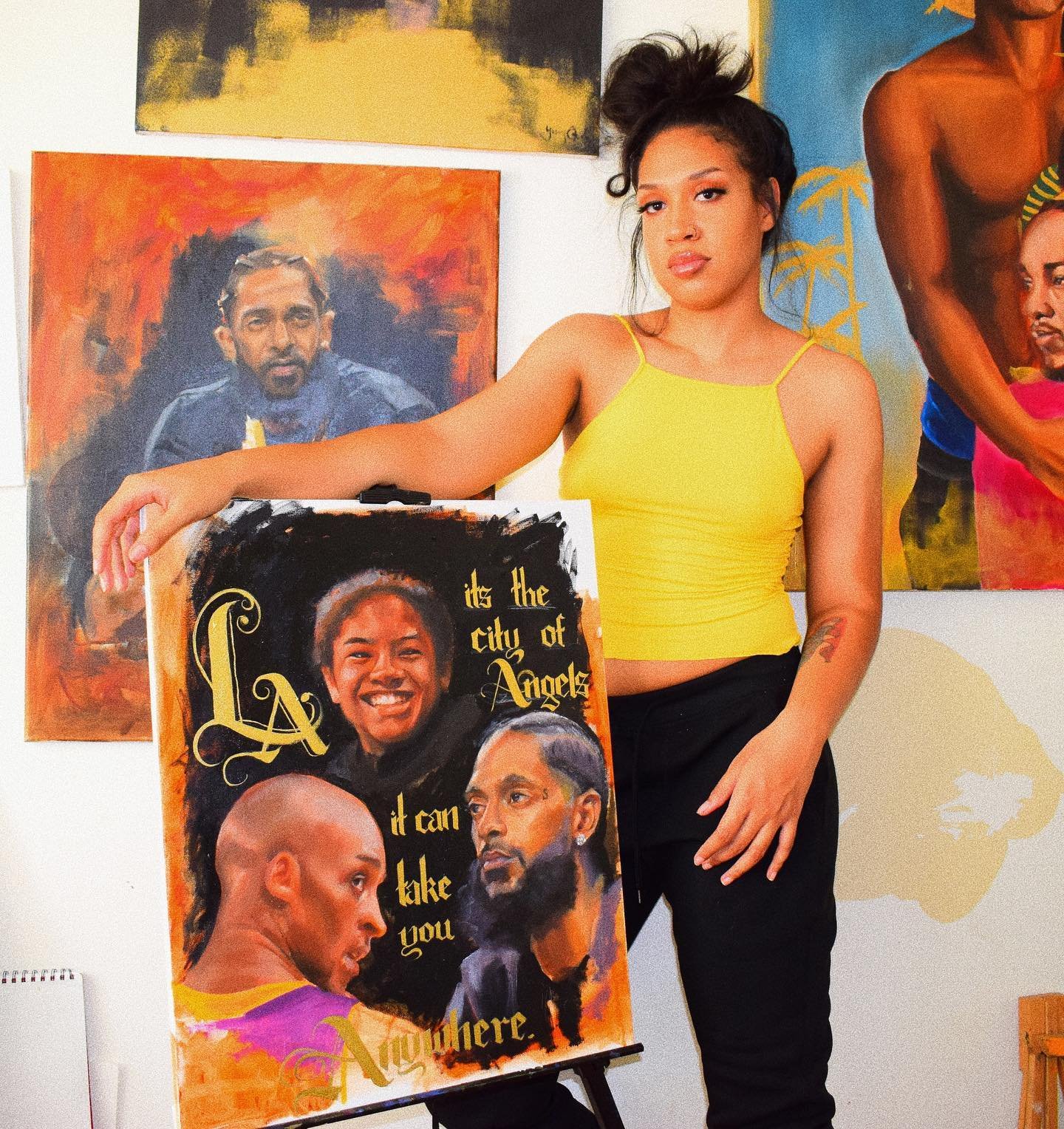
Someone who once painted in secret now uploads time-lapse videos of their process. Another writes weekly posts about starting to sing again after decades. Facebook groups, YouTube channels, and Substack newsletters become spaces where passion is seen, celebrated, and encouraged.
Personal Health and Wellness Transformation
Health takes on a different meaning after 50. It’s no longer about how you look — it’s about how you feel. You might start walking daily, doing Tai Chi in the park, or lifting weights for the first time. Some quit drinking. Others learn how to eat for vitality instead of habit. The beauty of this phase is how deeply personal it is — and how widely it’s being shared.
People post their progress to stay accountable, track growth, and reach others on similar paths. “Fitness over 50” isn’t a niche anymore; it’s a movement with hashtags, video diaries, before-and-after photo threads, and deeply honest captions.