





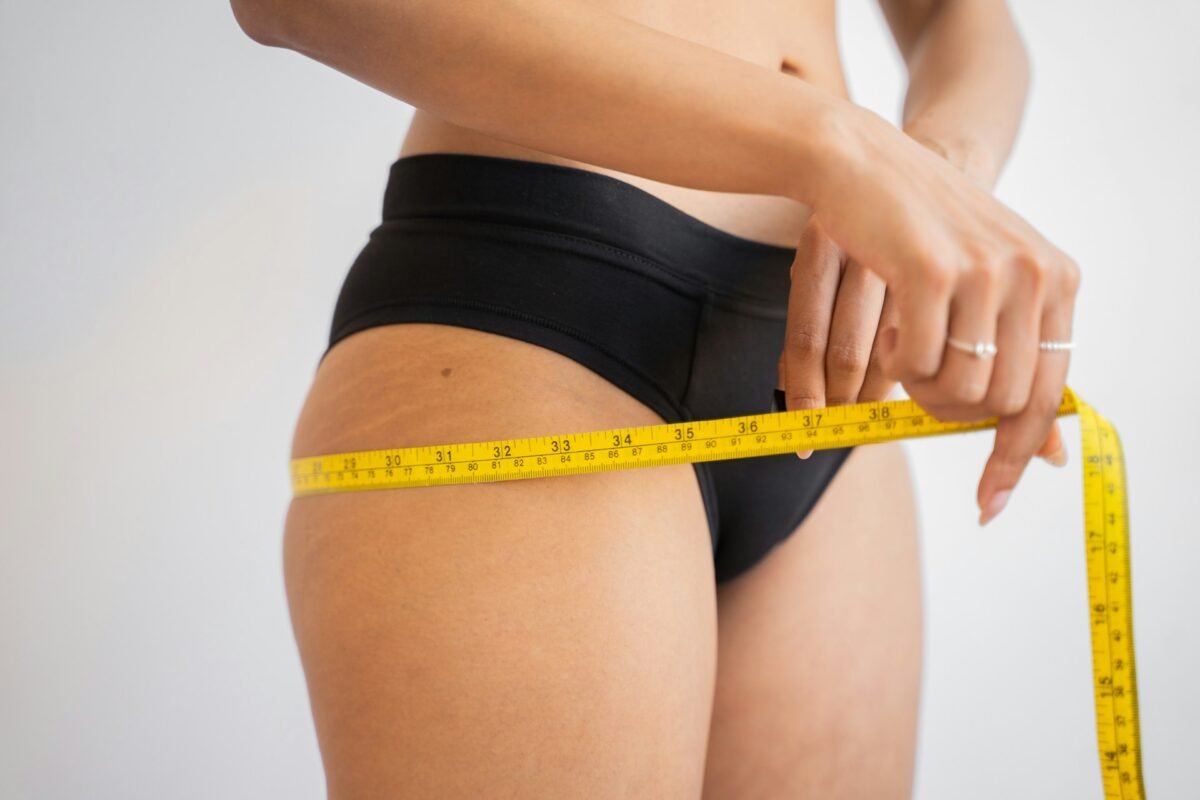

Most of us want to shed extra fat, but the idea of surgery? Not so appealing. So, what else can you do? Here are some ideas that actually work, if you stick with them.
You really can reduce body fat without surgery—just take a bit of healthy eating, regular movement, and some lifestyle tweaks that help you keep the weight off for good. Sure, it’s not overnight magic, but honestly, these methods tend to stick better in the long run.
Getting fit doesn’t have to mean drastic measures. There are plenty of natural ways to lose fat, and they’re often more doable than you’d think. Let’s get into some practical tips for healthy fat loss.
Effective Non-Surgical Fat Reduction Strategies
If you want to lose fat without surgery, you’ll need a mix of good food, exercise, and a few lifestyle changes. They all work together—nothing wild, just habits that actually help you feel better and see real results.
Calorie Control and Balanced Eating
To lose fat, you have to eat fewer calories than you burn. That’s it. Most adults fall somewhere between 1,600 and 2,400 calories a day, but it depends on how active you are and your body size. Go for foods that fill you up but don’t pack in a ton of calories. Try to get plenty of:
- Veggies and fruits (seriously, half your plate if you can swing it)
- Lean proteins (chicken, fish, beans, tofu—you get the idea)
- Whole grains (think brown rice, oats, quinoa)
- Healthy fats, but don’t overdo it (avocados, nuts, olive oil)
Processed snacks, sugary treats, and white bread? Probably best to cut back. They sneak in extra calories and don’t do much for your body. Write down what you eat for a week or two. An app or just a notebook works. You’ll spot patterns and find places to make small changes.
Daily Physical Activity and Exercise Plans
Moving your body helps you burn calories and hang onto muscle as you lose fat. Experts suggest 150 to 300 minutes of moderate exercise a week. Sounds like a lot, but it adds up quicker than you think.
Some good exercise options:
- Cardio: Burns calories right away
- Walk for 30 minutes most days
- Bike rides
- Swimming
- Dancing (go ahead, no one’s judging)
- Strength training: Builds muscle, which helps your metabolism
- Bodyweight moves (push-ups, squats, that sort of thing)
- Resistance bands
- Weights, 2-3 times a week
- HIIT: Short bursts of effort, then rest
- 20-30 minute sessions
- Keeps burning calories even after you stop
Don’t just save movement for the gym. Take the stairs, walk while you’re on the phone, or just stand up and stretch every hour. It all adds up.
Hydration and Smart Beverage Choices
Staying hydrated helps your metabolism and can make fat loss a bit easier. Most people do well with 8-10 cups of water a day, but honestly, listen to your body.
Drinking enough water does a few things:
- Sometimes you’re just thirsty, not hungry
- Aids digestion and helps your body use nutrients
- Supports fat metabolism
Stick with:
- Plain water (boring, but it works)
- Unsweetened tea
- Black coffee, but don’t go overboard
Try to avoid:
- Sugary sodas (they add up fast)
- Fruit juices (lots of sugar, not much else)
- Alcoholic drinks (empty calories, slows fat burning)
Keep a water bottle nearby—it’s a simple trick, but it helps. If plain water isn’t your thing, toss in some fruit slices or herbs for a little flavor boost without the calories.
Meal Timing and Portion Management
When you eat and how much you eat both matter. Eating at regular times helps curb wild hunger swings and makes it easier to avoid overeating.
Some ways to keep portions in check:
- Grab a smaller plate (about 9 inches across)
- Measure your food at first to get a sense of what’s “normal”
- Quick hand guide:
- Protein: about the size of your palm
- Veggies: two fists
- Carbs: a cupped hand
- Fats: about a thumb’s worth
Try eating breakfast within an hour of waking, spacing meals 3-5 hours apart, and wrapping up dinner a couple hours before bed. See what feels right for you. Slow down at meals. Chew your food, set your fork down between bites, and give your body a chance to catch up—fullness signals take a while to reach your brain.
Liposonix in Singapore
Liposonix in Singapore offers a non-invasive way to target stubborn fat. This treatment uses high-intensity focused ultrasound (HIFU) to zap fat cells for good. It’s usually aimed at the belly, sides, or thighs—those spots that never seem to budge. Sessions take about 30-60 minutes, and you can get back to your day right after. Results show up gradually over 8-12 weeks as your body clears out the fat. Most people see about an inch off their waist after just one session.
In Singapore, Liposonix costs anywhere from $2,000 to $4,000 SGD, depending on where you go and what area you’re treating. It’s pricier than just changing your habits, but for some, it’s worth it for those stubborn spots. It’s best for people with a BMI under 30 and decent skin elasticity. Think of Liposonix as something extra—don’t skip healthy eating and exercise if you want lasting results.
Lifestyle and Non-Invasive Approaches to Fat Loss
Small changes add up. Adjusting your daily habits can make a big difference over time, and you don’t need surgery to see results. It’s all about working with your body, not against it.
Metabolism-Boosting Habits
Getting regular movement in your day boosts your metabolism and burns more calories. Aim for at least 150 minutes of moderate exercise a week, mixing cardio and strength work.
Some metabolism boosters worth trying:
- HIIT (burns calories even after you’re done)
- Strength training 2-3 times a week for more muscle
- Take the stairs, walk more, just move when you can
- Drink cold water (your body uses energy to warm it up)
Eat more protein—it takes more energy to digest than carbs or fats. Green tea and spicy foods can give your metabolism a temporary nudge, too. Breaking up big meals into smaller ones throughout the day helps keep your blood sugar steady and your metabolism humming along.
Stress Management Techniques
Stress makes your body pump out more cortisol, which can lead to more belly fat and a bigger appetite. Managing stress is a real part of fat loss, even if it sounds a little “out there.”
Some ways to cut stress:
- Meditation—even 5-10 minutes helps
- Deep breathing
- Progressive muscle relaxation
- Regular exercise (yep, it’s good for your mind too)
- Getting outside for a bit
Mindfulness practices can really help with emotional eating. There was a 2022 study showing folks who meditated regularly had fewer food cravings. Worth a shot, right?
Try putting your phone away for a while, especially before bed. Less screen time can make a surprising difference in your stress levels. And don’t forget your people. Hanging out with supportive friends or family does wonders for your mood and stress hormones, even if it’s just a quick chat.
Quality Sleep and Recovery
Not getting enough sleep messes with your fat-regulating hormones—seriously, it’s a bigger deal than most folks realize. Most adults do best with somewhere between 7 and 9 hours of decent sleep each night if they want their hormones to cooperate.
When you skimp on sleep, ghrelin (the hunger hormone) goes up, while leptin (the fullness hormone) drops. That combo? It can make you hungrier and more likely to reach for extra snacks.
Sleep Improvement Strategies:
- Stick to a regular sleep schedule—even on weekends, if possible
- Keep your bedroom dark, cool, and quiet (blackout curtains help!)
- Try to put away phones and laptops at least an hour before bed
- Cut off caffeine after midday—it really does sneak up on you
- Wind down with something relaxing, like reading or gentle stretches
Giving yourself proper rest days between tough workouts lets your muscles actually rebuild and get stronger. Oddly enough, your body still burns calories during these recovery periods, even if you’re just lounging around. Don’t forget about water—hydration keeps everything moving, including fat metabolism. Aiming for at least 64 ounces a day is a solid goal, though honestly, a little more doesn’t hurt if you’re active.