





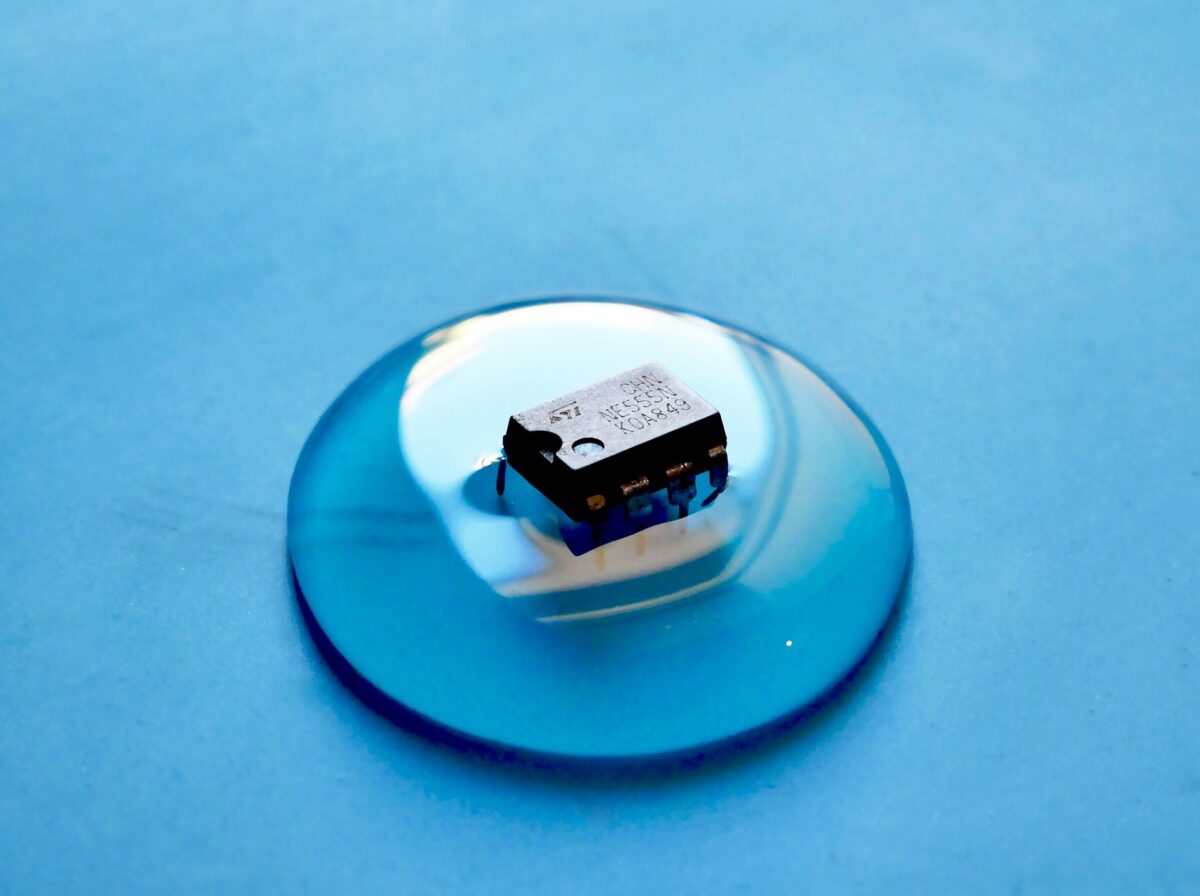

A forklift collides with a warehouse barrier.
An excavator strikes an unexpected obstruction.
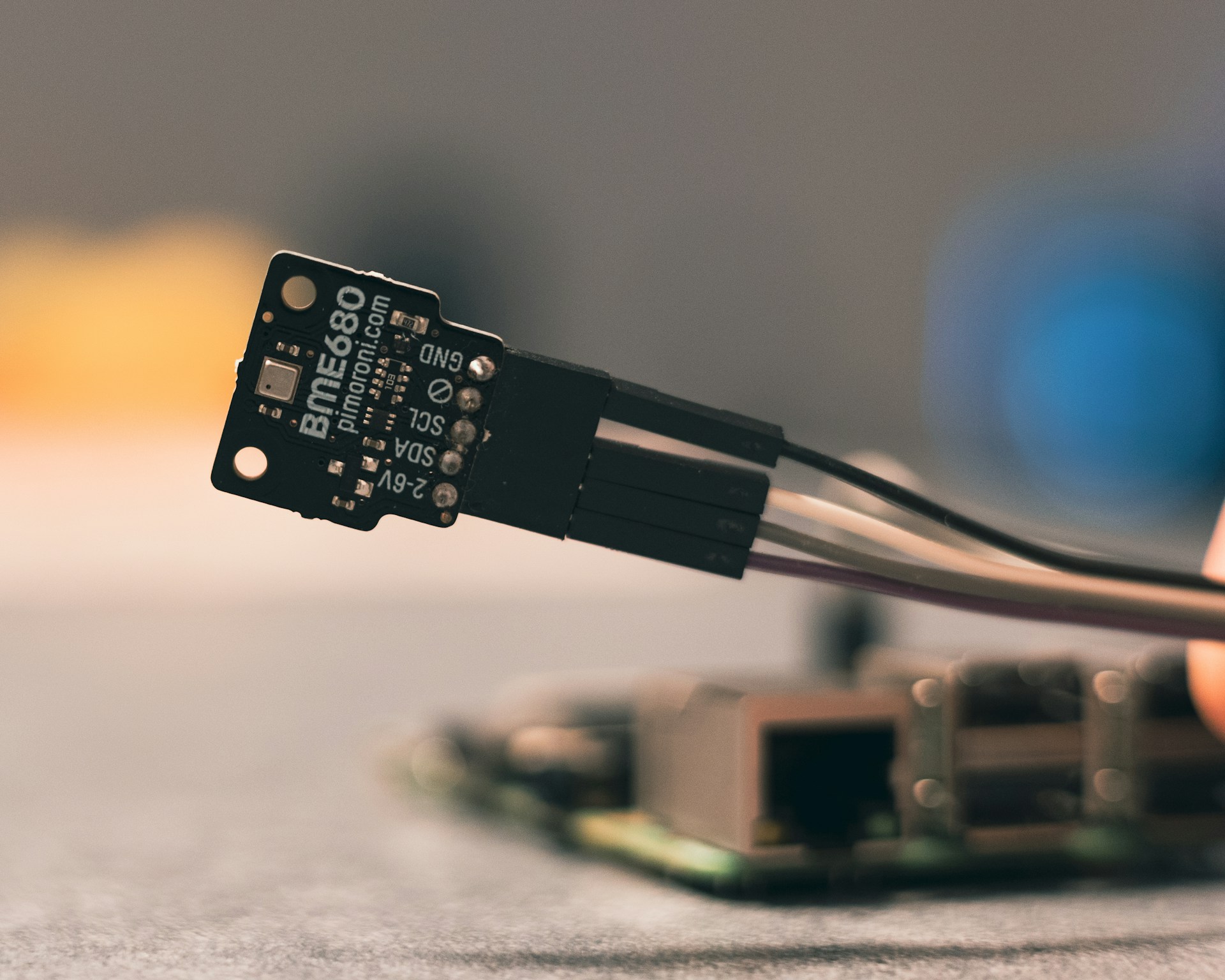
A construction vehicle experiences a sudden jolt while carrying a heavy load. These incidents can happen faster than an operator can respond, creating risks for workers, equipment, and surrounding infrastructure.
Heavy machinery operates under demanding conditions. Large loads, restricted visibility, uneven surfaces, and constant movement make unexpected impacts difficult to eliminate entirely.
Impact sensors help identify sudden mechanical forces and communicate those events to monitoring or control systems. Depending on the equipment, this information can support alerts, maintenance inspections, and incident investigations.
However, sensors are not substitutes for safe operating procedures. Their effectiveness depends on appropriate engineering, reliable installation, and integration with broader workplace safety measures.
Understanding their capabilities and limitations helps businesses make better decisions about equipment protection.
Understanding the Role of Impact Sensors in Industrial Safety
Impact sensors detect sudden mechanical events through changes in force, acceleration, or physical contact. Different technologies provide different forms of information, from a simple electrical signal to continuous acceleration measurements.
These sensing principles appear across numerous industries, including transportation, aerospace, manufacturing, and defense.
For example, switches designed for loitering munitions represent a specialized military application of motion and impact detection technology. Their intended operating environment differs considerably from industrial machinery, where sensors may be used to identify collisions, monitor equipment movement, or support protective systems.
The distinction is important because similar sensing principles do not make components interchangeable.
Industrial applications must account for routine vibrations, changing loads, environmental exposure, and accidental impacts.
A sensor that responds to every ordinary bump may create unnecessary alerts. One that fails to recognize significant collisions provides little practical protection.
Reliable detection begins with understanding the equipment and the conditions it encounters during normal operation.
Why Human Reaction Time Has Practical Limits
Heavy machinery operators make continuous decisions involving speed, steering, load positioning, and nearby obstacles.
Even experienced workers can encounter hazards that develop unexpectedly.
A pedestrian may enter a vehicle’s path, another machine might approach from a blind spot, or a load could shift during movement.
Recognizing danger takes time. Stopping heavy equipment also requires sufficient distance.
Impact sensors generally detect an event as it happens rather than preventing the initial collision.
Their value lies in providing information that connected systems can use immediately or retain for later analysis.
A detected event might generate an operator warning, notify a supervisor, or create a maintenance record.
Some specially engineered systems may support protective responses, but these functions require appropriate validation.
Collision avoidance technology, traffic management, and operator training remain essential because detecting an accident is not the same as preventing one.
How Impact Monitoring Improves Warehouse Safety
Warehouses often contain narrow aisles, loading docks, storage racks, and overlapping vehicle routes.
Forklifts and other material-handling machines operate close to structures that can suffer damage from repeated contact.
A minor collision might appear insignificant, particularly when equipment continues functioning normally.
However, repeated impacts can weaken protective barriers, damage storage systems, and create hazards that aren’t immediately obvious.
Impact monitoring can help organizations identify recurring incidents.
Fleet managers may compare event records with operator reports, inspection findings, and facility layouts.
If collisions repeatedly occur near a particular corner, the underlying problem may involve restricted visibility or insufficient turning space.
Addressing these conditions is more effective than simply documenting another incident.
Sensor information should support constructive investigations rather than automatic assumptions about operator responsibility.
Protecting Construction Equipment From Unexpected Mechanical Shocks
Construction machinery works in environments that change throughout the day.
Excavators, loaders, and other vehicles may encounter uneven ground, loose materials, temporary structures, and unexpected obstructions.
Sudden mechanical shocks can place stress on equipment components.
Impact monitoring may help maintenance teams recognize events that deserve closer inspection.
However, construction equipment routinely experiences vibration during digging, loading, and travel.
Not every jolt indicates damage.
Monitoring systems must distinguish normal operating conditions from potentially significant events.
That distinction depends on equipment design, installation, and testing under realistic conditions.
Maintenance personnel should also remember that sensor readings cannot establish the full condition of a machine.
Visual inspections and manufacturer-recommended maintenance procedures remain necessary.
An impact record provides useful evidence, not a complete mechanical diagnosis.
Comparing Mechanical Switches With Electronic Accelerometers
Industrial impact detection systems can use mechanical switches or electronic sensors.
Mechanical switches generally respond to specified physical conditions by changing an electrical contact state.
Their straightforward operation may suit applications requiring a simple indication that an event occurred.
Electronic accelerometers measure acceleration and can provide information about movement over time.
Connected software may analyze these measurements to distinguish different operating events.
However, additional capabilities can introduce complexity involving electrical power, signal processing, software, and maintenance.
Neither approach is automatically the better choice.
The appropriate technology depends on the information required, equipment environment, and reliability expectations.
Temperature, moisture, vibration, electrical interference, and service conditions also influence component selection.
Engineers must evaluate the complete monitoring system rather than choosing sensors based solely on individual specifications.
Using Collision Records to Improve Preventive Maintenance
Traditional maintenance programs often rely on operating hours, scheduled inspections, and manufacturer recommendations.
Impact monitoring introduces another source of information.
When a significant collision occurs, a recorded event may help maintenance teams determine which equipment requires additional attention.
Inspections might involve structural connections, protective guards, steering systems, or other potentially affected components.
Repeated event records can also reveal machines operating under unusually demanding conditions.
However, recorded impacts do not automatically indicate damage, and the absence of an alert does not guarantee that equipment is safe.
Qualified personnel must assess machinery using appropriate inspection procedures.
Combining event information with maintenance histories can help organizations identify recurring problems and prioritize repairs.
This approach supports more informed decisions without replacing established maintenance practices.
Why False Alarms Can Undermine Equipment Safety
An impact detection system becomes less useful when it repeatedly generates unnecessary warnings.
Operators may experience alert fatigue, while supervisors spend time investigating events that represent ordinary equipment movement.
Industrial environments create substantial background vibration.
Rough surfaces, loading cycles, and normal machine operations can all produce sudden movements.
Reliable monitoring requires testing under conditions that resemble actual use.
Engineers must also consider mounting arrangements, environmental exposure, and compatibility with connected equipment.
A poorly installed sensor may behave differently from one evaluated under controlled conditions.
Regular inspections help identify damaged connections or other problems affecting performance.
The objective is dependable event recognition without overwhelming employees with irrelevant alerts.
Important warnings must remain noticeable and actionable.
Building a Complete Safety Strategy Around Reliable Detection
Impact sensors contribute to workplace safety, but they cannot compensate for poor operating procedures.
Organizations still need trained operators, maintained equipment, clear traffic routes, and appropriate physical safeguards.
Pedestrian separation, speed management, and routine inspections are especially important around heavy machinery.
When collision monitoring identifies recurring events, managers should investigate contributing conditions.
A damaged warehouse barrier might indicate inadequate visibility, while repeated contact near a loading dock could reveal problems with traffic flow.
Corrective actions should address these underlying risks.
Employees also need clear procedures for reporting incidents and removing potentially unsafe equipment from service.
Sensor information becomes valuable when it leads to practical improvements.
Ultimately, safer heavy machinery depends on several protective measures working together. Reliable impact detection can strengthen that system, but thoughtful engineering, responsible maintenance, and consistent operating practices remain its foundation.