






In a world where business is increasingly defined by data, metrics, and technological innovation, it’s easy to overlook the most critical component of success: the human element.
The subtle nuances of communication, the power of a genuine connection, and the psychological architecture of peak performance often get lost in the noise. Yet, for some, these aren’t just secondary considerations—they are the very foundation upon which empires are built and legacies are forged. Today, we have the unique opportunity to sit down with two individuals who have spent their lives deconstructing, understanding, and rebuilding that human element for professionals around the globe.
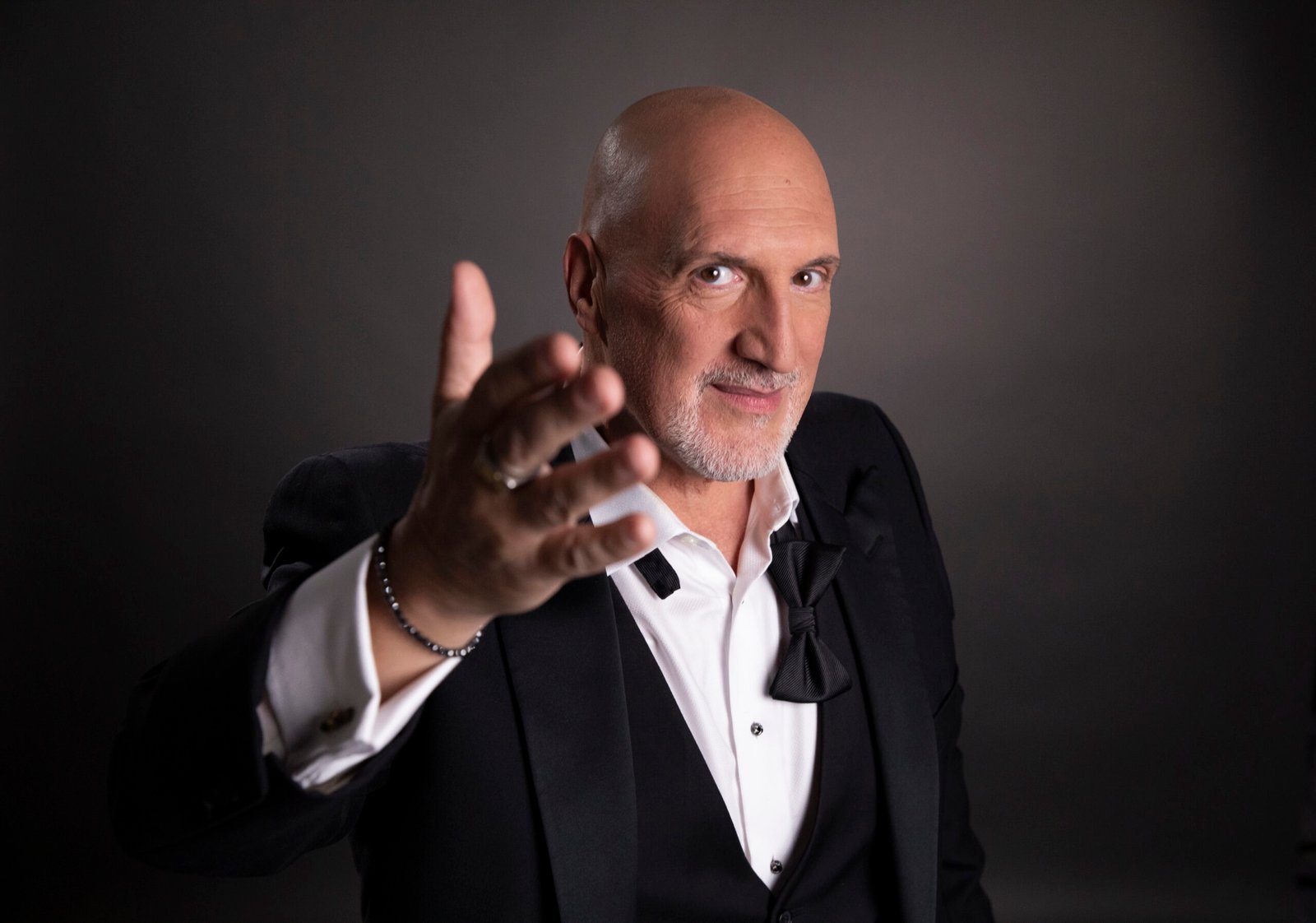
Meet Henrik Wenøe and Dr. Joseph Riggio, two titans in the fields of sales training, leadership development, and neurocognitive science. Their paths, while distinct, have converged to create a powerful new methodology that challenges conventional wisdom and offers a revolutionary approach to professional and personal excellence.
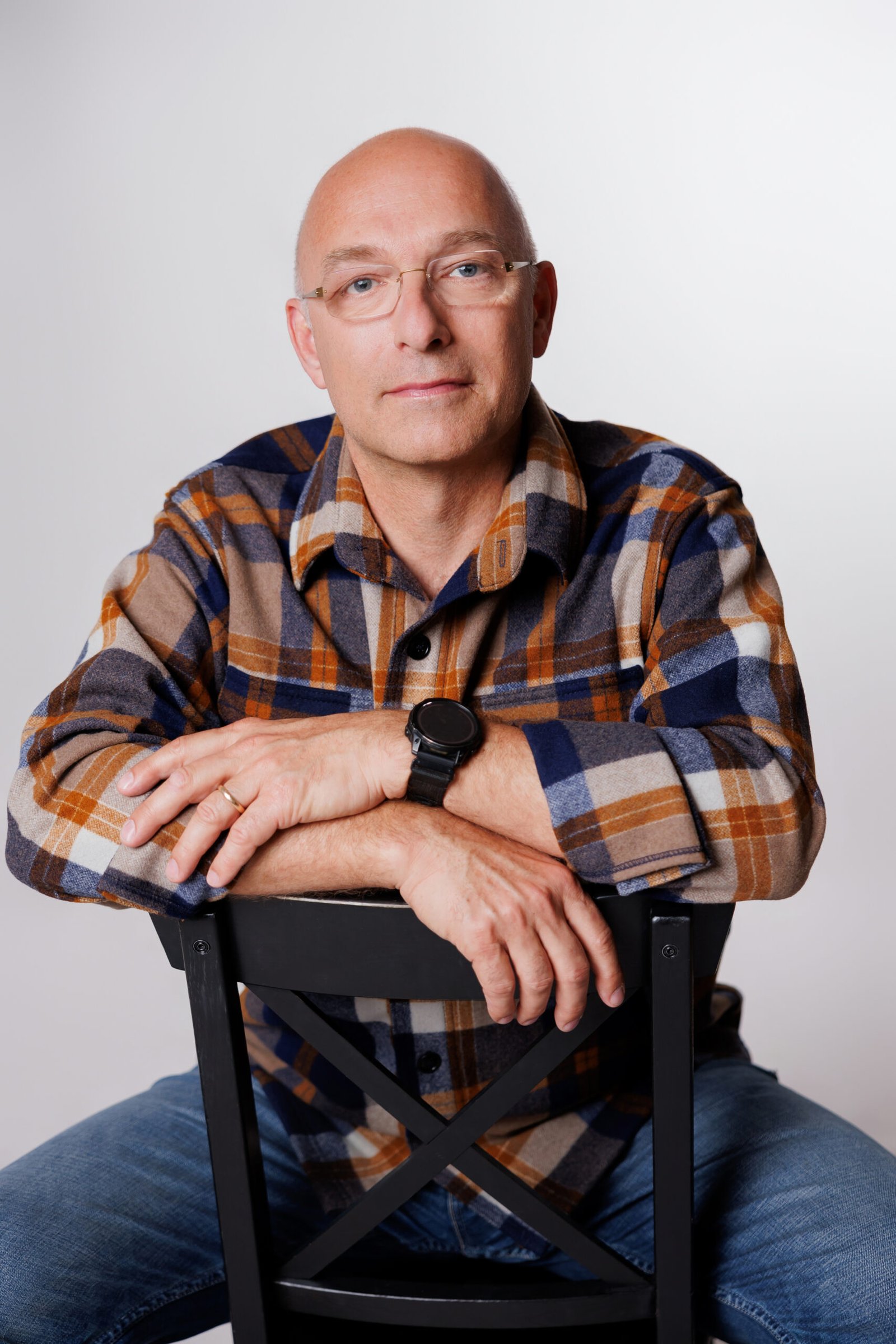
Henrik Wenøe, a B.Sc. holder with over three decades of experience, is a renowned Master Trainer of NLP and the CEO of Acuity World. From his base in Copenhagen, Denmark, Henrik has trained professionals globally, co-authoring several influential books and creating groundbreaking programs like the Personal Leadership Program (PLP) and the Personal Selling Program (PSP). His work is a testament to the idea that true sales and leadership prowess isn’t just about technique; it’s about inner alignment and the ability to connect authentically with others. His Satisfaction Selling methodology, which integrates the profound insights of Soma Semantic Modelling and The MythoSelf Process, is a direct result of this philosophy. Henrik’s career is a masterclass in translating complex psychological principles into practical, actionable strategies that deliver tangible results, helping individuals and organizations unlock their full potential.
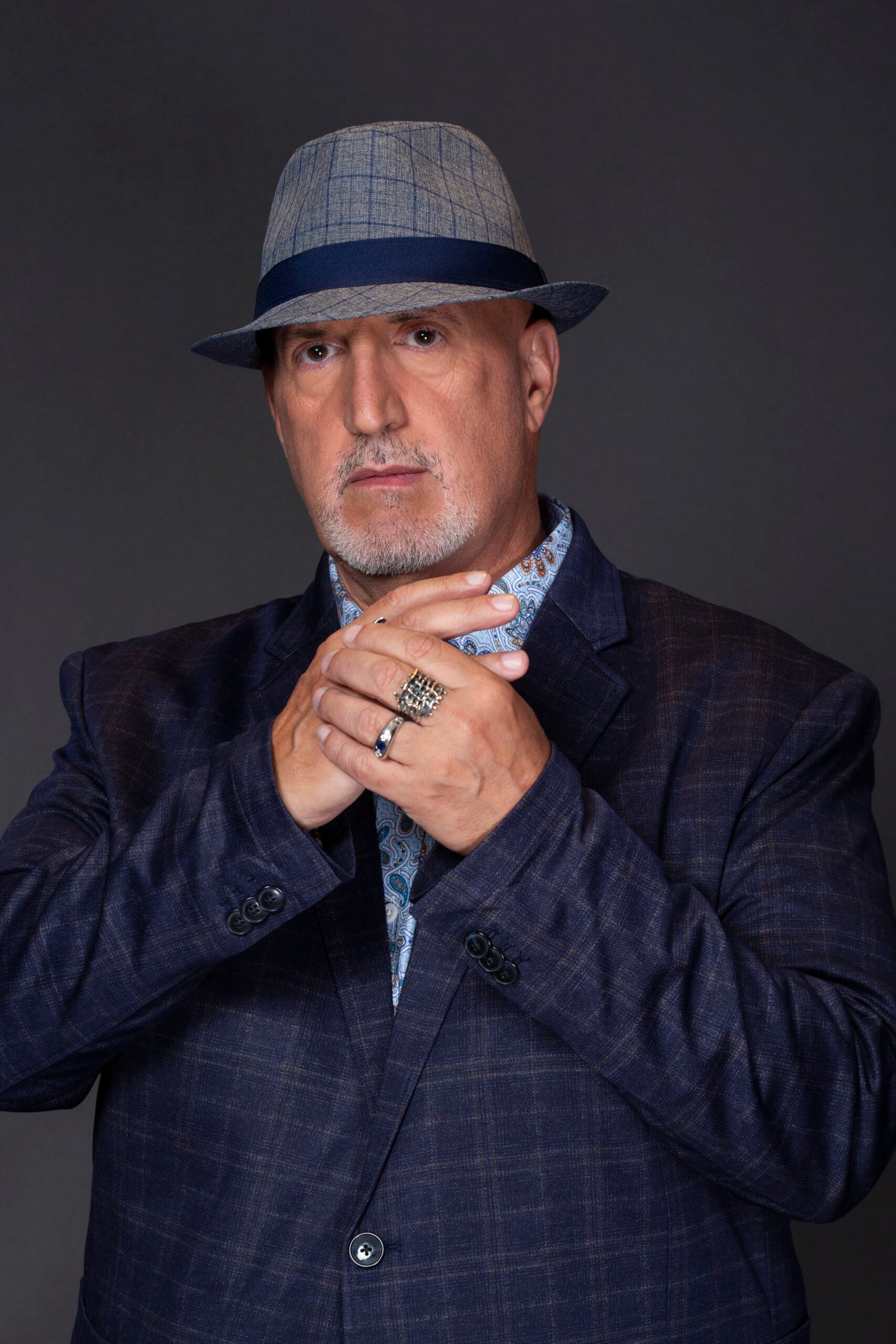
Dr. Joseph Riggio is a true luminary whose innovative work has reshaped our understanding of human performance. As the architect of the MythoSelf Process and SomaSemantics, Dr. Riggio has spent over 35 years as a neurocognitive scientist and program developer, creating revolutionary systems like ACT | Adaptive Cognitive Training and Generative Flow. Based in Sarasota, Florida, Dr. Riggio’s expertise spans a vast range of disciplines, from being a Society of NLP Master Trainer and Certified Master Hypnotist to an IBLEC Certified Master Executive Coach. His influence extends to Fortune 1000 companies, where he designs strategic programs that drive global sales performance and organizational success. As the host of the Unmasking podcast, he is known for his ability to peel back the layers of human behavior to reveal the core truths that govern our actions.
Together, Henrik Wenøe and Dr. Joseph Riggio represent a powerful synergy of European pragmatism and American innovation. They have combined their extensive knowledge and unique perspectives to create a holistic approach that goes beyond surface-level techniques. They don’t just teach people what to do; they show them how to be. They delve into the very neurology and psychology that underpin effective communication, leadership, and sales, providing a framework for what Dr. Riggio calls “generative flow” and what Henrik translates into “satisfaction selling.”
This conversation promises to be an extraordinary journey into the minds of two men who have dedicated their lives to uncovering the true source of human excellence. We’ll explore their unique methodologies, their shared vision, and the profound impact they are having on professionals around the world. So, without further ado, let’s dive into this enlightening discussion with Henrik Wenøe and Dr. Joseph Riggio.
Where are you all from originally?
Henrik is from Denmark and I am from New Jersey.
What inspired you to develop the Satisfaction Selling methodology and then apply it?
Years ago I (Joseph) was asked to develop a sales training for an I.T. company in the supply chain industry. I didn’t think any of the sales models were either particularly good, suitable for the needs of this particular client, or aligned with my personal philosophy of creating deep relationships and long-term value. After reached the creme of the cream of sales people from various industries selling very different products and services, the top 20% of the top 20% of all producers, I discovered a common pattern that was the basis for the Satisfaction Cycle model, which in turn is the basis of Satisfaction Selling. I began implementing this model with clients internationally to outstanding result and that’s when I was introduced to Henrik who was working at DAKO in Denmark at the time. They were looking for a new sales training for their international sales teams and we connected.
After meeting with Henrik he invited me to attend a conference for the global sales leaders in Sun Valley, Idaho. I made a short presentation and Henrik felt it was the way to go for his sales team and company, championed them hiring me and we began a multiyear journey implementing the model at DAKO, that was about 20 years ago. Since then Henrik left the company, started his own consulting and training business, Acuity World, and we’ve been working together delivering this training globally.
How does the Satisfaction Cycle reshape the way sales professionals engage with customers? It reshapes them in three fundamental ways:
First, it reshapes their identity as sales professionals. Forcing them to question what they do and why, and then reforming the myth they operate from, from “selling things and services, and getting sales” to “serving clients and helping them to buy effectively and well.”
Second, it moves the model from “problem solving” to amplifying success. Instead of staring from “what’s wrong?” the begin from “what’s working?” This is a fundamental principle that changes everything that follows, literally we don’t teach or train problem investigation or solving, we don’t teach objection handling (because in this model you won’t need that), and we don’t teach “closing techniques” (again, because when done well you don’t need techniques to close).
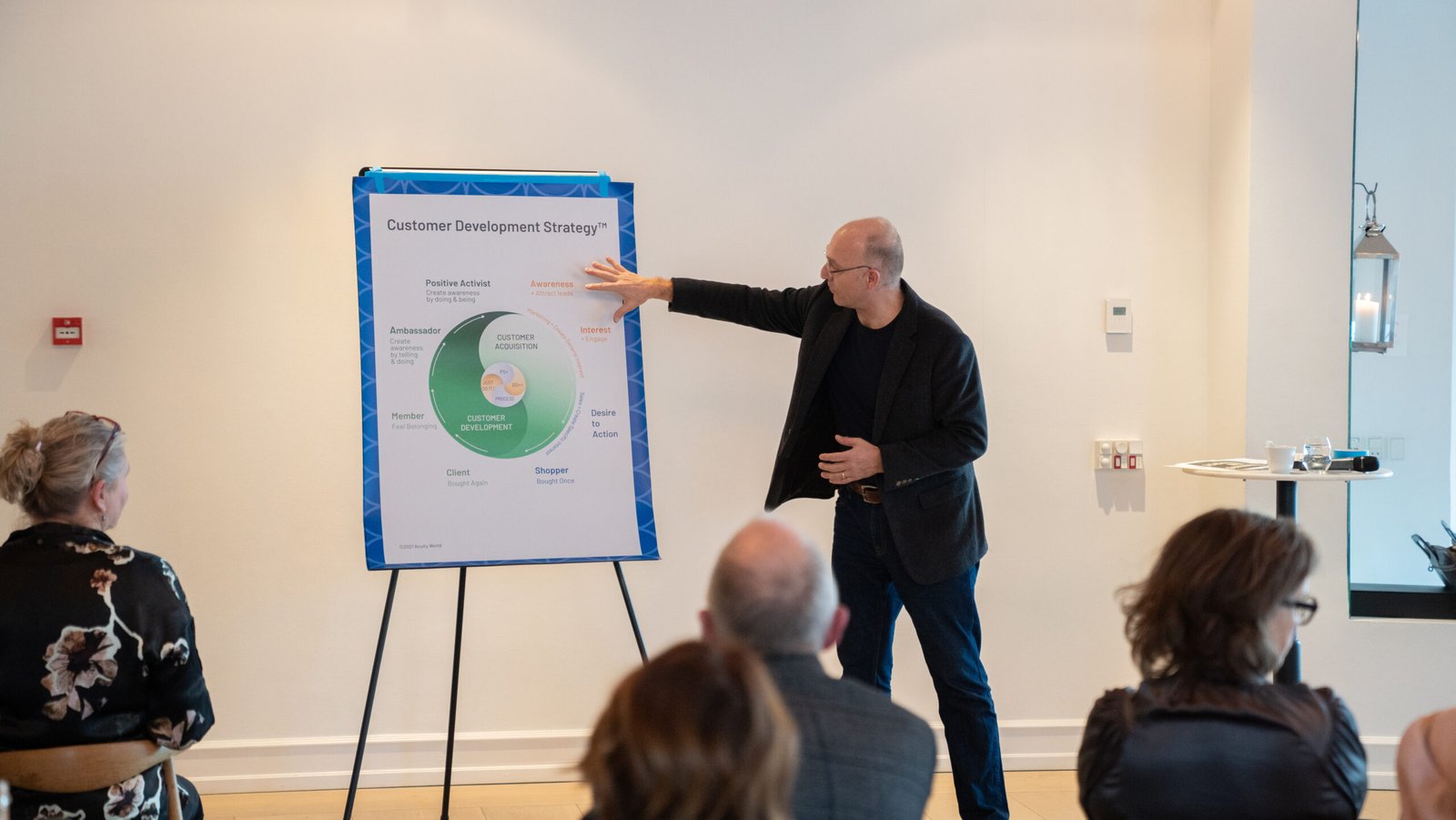
Third, we aim for LTV (lifetime value) as main KPI not the next sale. Henrik built a model that aims at building Positive Activists who are clients who’ve become raving fans and not only become high-value repeat customers by actively and positively promote your brand to others.
Why is focusing on strengths and aspirations more effective than addressing pain points in sales?
Because you’re activating a completely different neurocognitive pathway. Rather than activating the Sympathetic ANS (autonomic nervous system) and triggering the flight/fight/freeze response that leads to resistance, objections, and buyer’s remorse we can soothe the system and activate the Parasympathetic ANS that induces a calm, clear state where the client becomes open to sharing information freely and working actively with you to generate a mutually rewarding solution.
How can sales leaders use these insights to cultivate high-performing teams?
First of all when you integrate Satisfaction Selling into your business/sales/customer service models, you have more satisfied and happy employees. Sales teams are naturally more high-performing and productive when they are in a good state themselves vs. working with clients who are stressed everytime they show up to talk about problems and the implications of problems.
Secondly, the teams are now actively working with clients to find extraordinary solutions not solve problems, and they have moved from the anxiety and stress of “selling” to acting in a true consultative way to assist the clients in finding ways to grow their business and create more outstanding results. The shift is magical.
What role does neuroscience play in Satisfaction Selling, and how does it impact customer trust?
I’ve spoken to this already in speaking to the issue of the ANS activation alternates. Additionally, Satisfaction Selling model activates a different reward system that is based in both the dopamine cycle of reward and triggering the pleasure centers by activating the frontal and prefrontal cortex where we do all of our future planning. By deliberating and intentionally building positive future states this triggers and anchors pleasure to the sales process itself, not just the result it produces.
What are the core principles behind the “Burning Desire” versus “Burning Platform” approach?
The burning desire is future-based, i.e., getting what you want, and is pleasure-driven. The burning platform is based in the present being negatively projecting into the future and is pain-driven.
How can companies implement Satisfaction Selling to improve long-term customer relationships?
I’ve spoken to this throughout my answers above. The fundamental finding we developed after explicit client surveys and post-sale analysis was that using problem-based selling, the client begins looking for alternatives, including alternative providers, after four rounds of engagement, typically. When applying the solution-oriented sales process of Satisfaction Selling and building positively organized future states, the client enters into a long-term partner relationship with the sales process, treating it as consultative, not antagonistic or adversarial. In the traditional sales models, the emphasis is on the salesperson maximizing their profit, including keeping margins high without regard for customer value, in the Satisfaction Selling model the emphasis is on maximizing client value, and only via that process generating maximum profits for the seller.
What are the biggest mistakes sales professionals make when trying to build trust?
Selling to themselves, i.e,, assuming the client values and communication style are alike to their own and an applying those to the interaction.
Can these techniques be applied beyond sales, such as in leadership or personal development?
Yes, absolutely, it’s the same.
What are some success stories of organizations implementing Satisfaction Selling?
We have many, this isn’t a short answer it’s a short book. Generally, we see significantly improved profitability and longer-term relationships, as well as much lower attrition in the sales team. In one example we saw major client who had pursing a significant opportunity to create a global sales relationship for three years without success turn that around in a single meeting that generated a three-million-dollar profit and then turning that into a multiyear contract for services.
The Fox Magazine is all about inspiration, what/who inspires you the most?
Seeing our clients “GET IT!” – meaning realizing the power of selling from a positively oriented model rather than working to coerce clients into making purchases. The realization that the models we built and teach work because they tap into natural and essential human desires is exciting. Also, seeing people who realize they can truly be themselves, build real relationships, and provide value as the means to success, including meeting or exceeding financial KPIs using our models is a huge part of the reward.
What’s something people would be surprised to learn about you both?
Henrik is still fundamentally a Boy Scout … for real, in the woods, setting up tent, and cooking over an open fire kind of Boy Scout.
Joseph is a repressed lounge singer who often breaks out into song during even the most serious training events and presentations, and spends time playing guitar and bass realizing how the world is missing out on his talent in that space since he’s devoted himself to becoming a master trainer, coach, and consultant.
And that Henrik is really a chemist by education and Joseph spent many years training dogs professionally.
What are some of your favorite mottos, quotes, or words to live by?
“Where you put your attention is where you’ll get your results.”
“In a dynamic system, the strongest link, not the weakest one, determines the strength of the whole system.”