






In an era where attention spans are fleeting and competition for customer focus is fiercer than ever, retailers are in a constant battle to stand out.
Storefronts have evolved from static backdrops into dynamic canvases designed to lure, persuade, and convert. Among the latest tools shaking up traditional merchandising? LED lightboxes. Once relegated to trade shows or poster-style ads, these vivid, glowing displays are now becoming permanent fixtures in stores—and perhaps, for good reason.
They’re sleek. They’re bright. They’re oddly hard to ignore. But are LED lightboxes really the next big leap for in-store promotion? Or are they just another passing trend?

Why In-Store Displays Still Matter
Let’s address the obvious: online shopping is surging, and physical retail has had to rethink its playbook. But rather than folding under digital pressure, many brick-and-mortar stores have doubled down on experience—because that’s something a website can’t replicate.
In-store displays still matter, arguably more than ever. Physical retail isn’t just about access to products anymore; it’s about storytelling, branding, and visual immersion. The space itself becomes a form of media. And within that space, every graphic, poster, or installation is a chance to deliver a message—or miss one.
Lightboxes take that opportunity and turn the dial up. Quite literally. They glow. They create ambiance. And when done right, they guide the customer’s eye exactly where you want it.
The Power of Illuminated Framing
What sets LED lightboxes apart from traditional signage isn’t just the lighting—it’s the subtle shift in how light interacts with messaging. Illuminated signs are instantly more vibrant, more legible, and more inviting. They don’t just exist in the space; they define it.
This is why more retailers are choosing glowing display frames for retail—they don’t rely on ambient lighting or clever placement. They create their own spotlight. Whether you’re selling luxury cosmetics or limited-edition trainers, that crisp, backlit glow gives even modest signage an air of exclusivity.
And it’s not just about aesthetics. These displays are versatile. They can be wall-mounted, free-standing, double-sided, or even custom-shaped. A brand can shift campaigns quickly, sliding in a new graphic without dismantling the entire unit. In a fast-moving retail cycle, that kind of agility is gold.
Tech That Keeps Getting Smarter
LED technology has come a long way in a short time. Today’s lightboxes are energy-efficient, low-maintenance, and surprisingly slim. You can install a frame that looks almost like a digital screen but without the hefty investment of full-blown AV.
Some retailers are even pairing LED frames with smart sensors—lights that dim or brighten based on time of day, or trigger animations when a customer walks by. That edge of interactivity doesn’t just impress—it makes people pause. And in retail, a pause can mean a purchase.
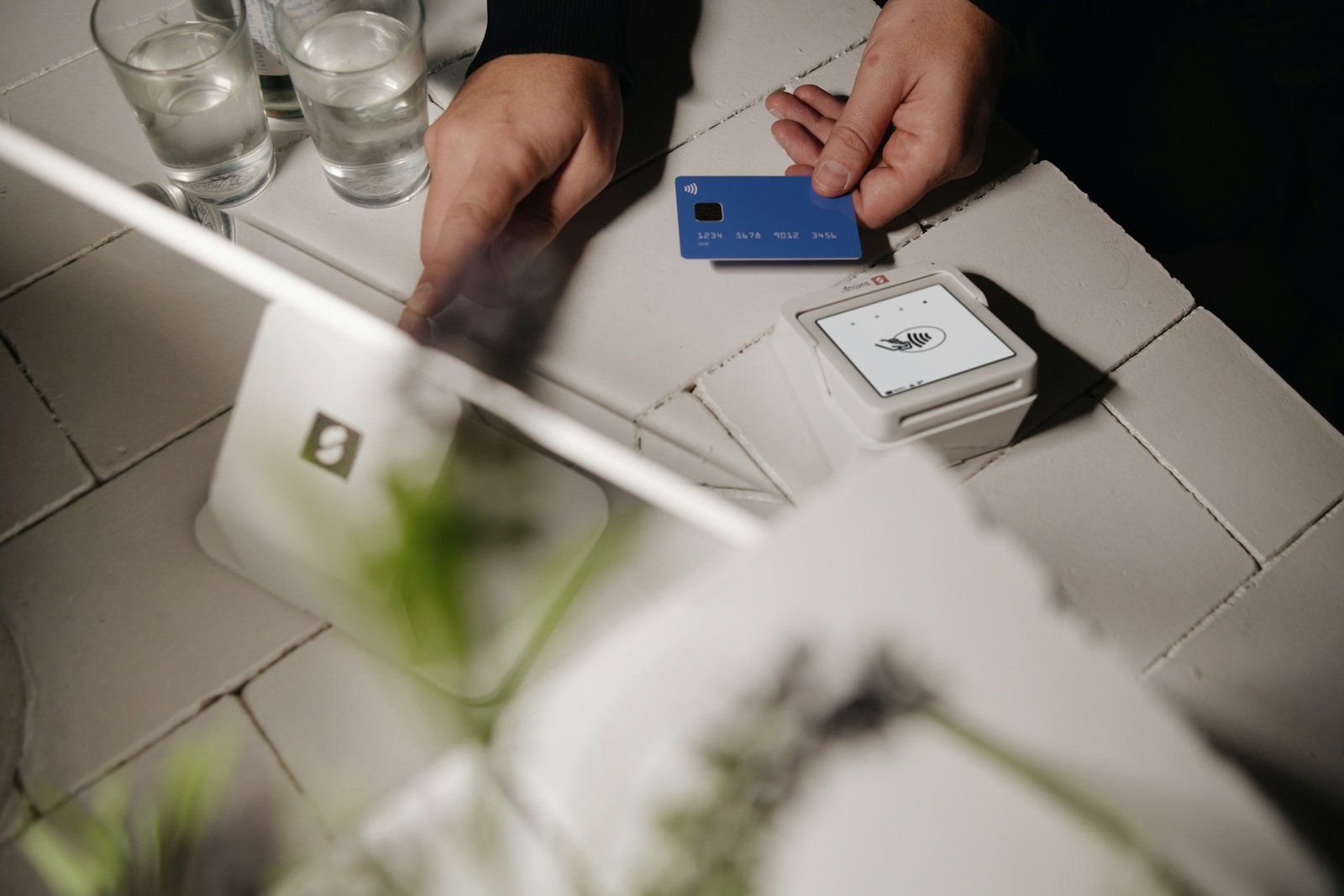
That said, not all displays need bells and whistles. Sometimes, the most effective move is a clean, silent, glowing image that communicates a brand’s tone with no words at all.
A Cost Worth Considering?
One criticism often lobbed at LED displays is cost. They’re pricier upfront than cardboard or vinyl. But longevity plays a major role here. A well-made lightbox doesn’t just survive the season—it endures years of rotation. Factor in the ease of swapping graphics and the energy efficiency of modern LEDs, and the numbers start to level out.
Of course, no single solution fits all. Smaller boutiques with tight margins may opt for lighter versions or use lightboxes sparingly in key product zones. But for flagship stores or visual-heavy retail environments (think beauty, tech, fashion), they’re less of a splurge and more of a strategic investment.
Sustainability in the Spotlight
Interestingly, as brands lean more into eco-conscious practices, LED lightboxes are benefiting from the shift. Unlike single-use printed boards that end up in landfills, these frames are reusable and often made with recyclable aluminum. The LED bulbs themselves are long-lasting and consume significantly less power than older fluorescents.
Retailers are becoming more thoughtful about waste. A permanent display that allows for seasonal content swaps without generating bins of discarded materials isn’t just smart—it’s sustainable branding in action.
So, Are They the Future?
It depends on what “future” means. If we’re talking about immersive, experience-driven retail, then yes—LED lightboxes tick all the right boxes. They draw attention, guide customer flow, and elevate product perception. But more than that, they signal intent. A glowing frame suggests a brand that cares about details, invests in presentation, and isn’t afraid to evolve.
Still, lightboxes won’t replace every display tool. They’ll coexist with digital screens, tactile signage, and architectural branding. They’re a layer—not the whole cake.
But if foot traffic is gold, and engagement is currency, then it’s hard to ignore something that stops people in their tracks. And LED lightboxes? They do exactly that.
Final Thoughts
LED lightboxes aren’t a cure-all, but they are a compelling tool for modern retailers trying to cut through the noise. They blend form and function, artistry and utility. And in a retail landscape that’s becoming increasingly visual, that glow might just be what keeps customers looking—and buying.