



It’s 2025, and the humble food and wine pairing has officially entered its golden age.
Forget the snobbery and rigid rules that once dominated the sommelier scene—this year, it’s all about personality, playfulness, and, crucially, pleasure.
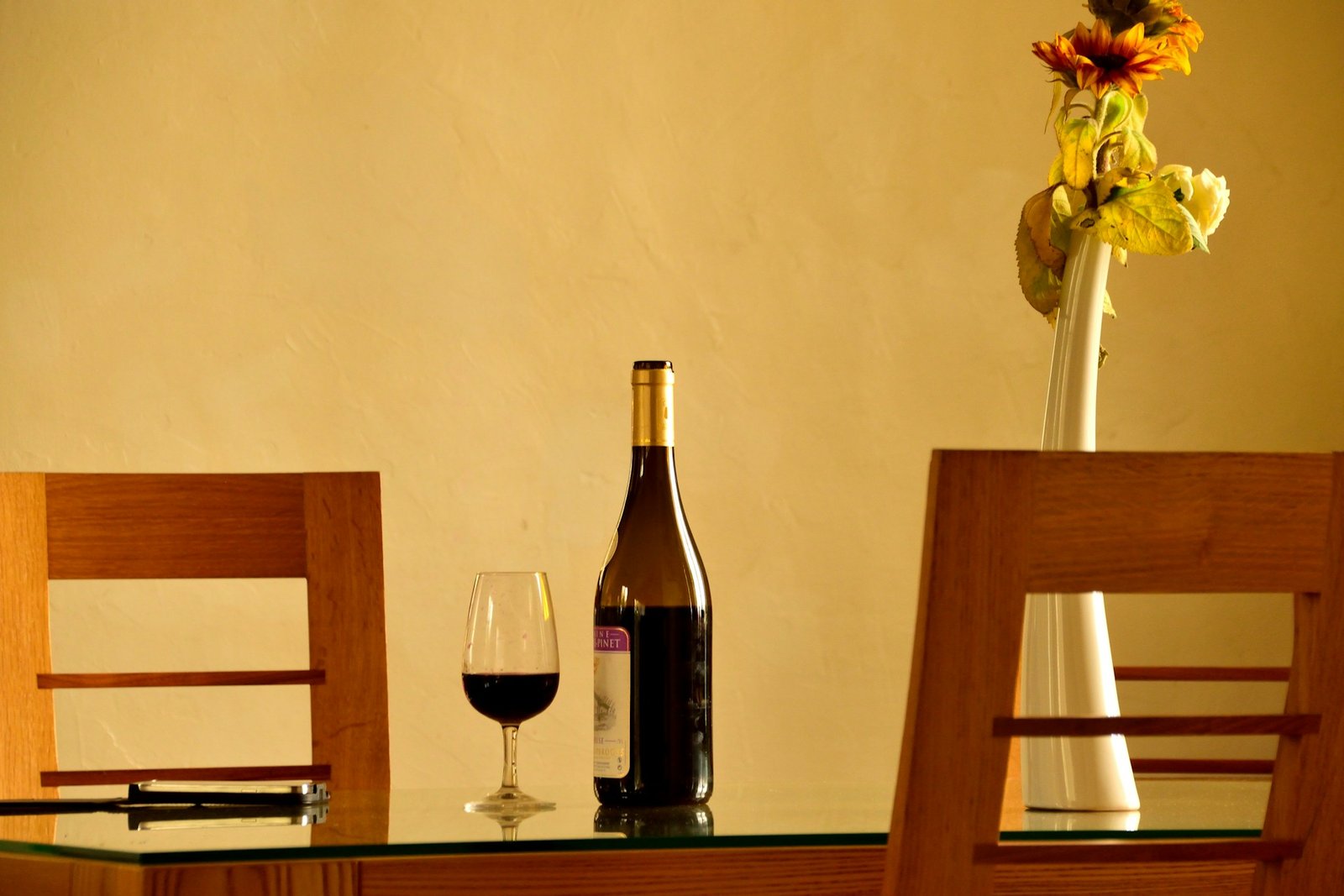
We’re talking deep reds with street tacos, pét-nat with pad Thai, and chardonnay that actually loves roast chicken (yes, still). Whether you’re swirling a glass at a tucked-away wine bar in Edinburgh or digging into charred aubergine at a sleek East London kitchen, the message is clear: wine should enhance the experience, not complicate it.
So, what’s new in the world of food and wine pairing in 2025? Quite a bit. From natural wines taking over Michelin-star menus to restaurants crafting entire tasting menus around small-batch vineyards, the rules have been rewritten. And to help decode this delicious landscape, we spoke to some of the UK’s savviest restaurateurs and wine-led minds.
A Natural Evolution: Pairing Without Pretense
In 2025, natural is more than a buzzword—it’s a movement. Wines that are unfiltered, unfussy, and utterly alive have stormed the scene, and chefs are responding with dishes that lean into earthy, unprocessed ingredients.
Amir, owner of Delamina Townhouse in Covent Garden, is a strong believer in this evolution. “We serve Eastern Mediterranean food, packed with smoky flavours, herbs, and fermented elements,” he says. “It used to be hard to find wines that wouldn’t overpower those flavours. Now, with natural wines, the pairings feel alive—funky orange wines with roasted cauliflower, chilled reds with lamb kofta. It’s joyful, it’s unpredictable, and it actually makes people more adventurous.”
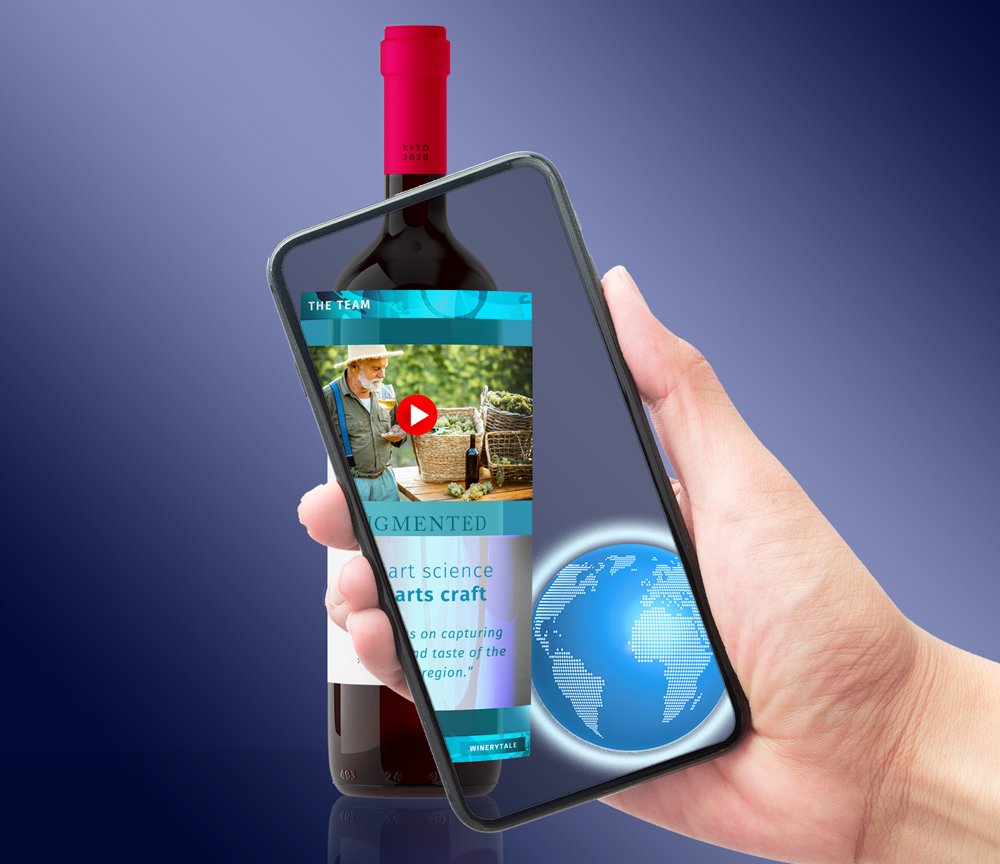
That sense of discovery is key. Diners aren’t just ordering the house red anymore—they’re scanning QR menus with details about biodynamic vineyards in the Loire or minimal-intervention producers in Chile. And while the classics haven’t disappeared, they’ve definitely been nudged aside to make room for the bold, the cloudy, and the refreshingly weird.
New Pairing Principles: Breaking the Mold
Forget the rulebook that dictated “red with meat, white with fish.” In 2025, we’re leaning on flavour intensity and textural contrast instead.
Here’s a fresh framework that’s guiding sommeliers across the UK:
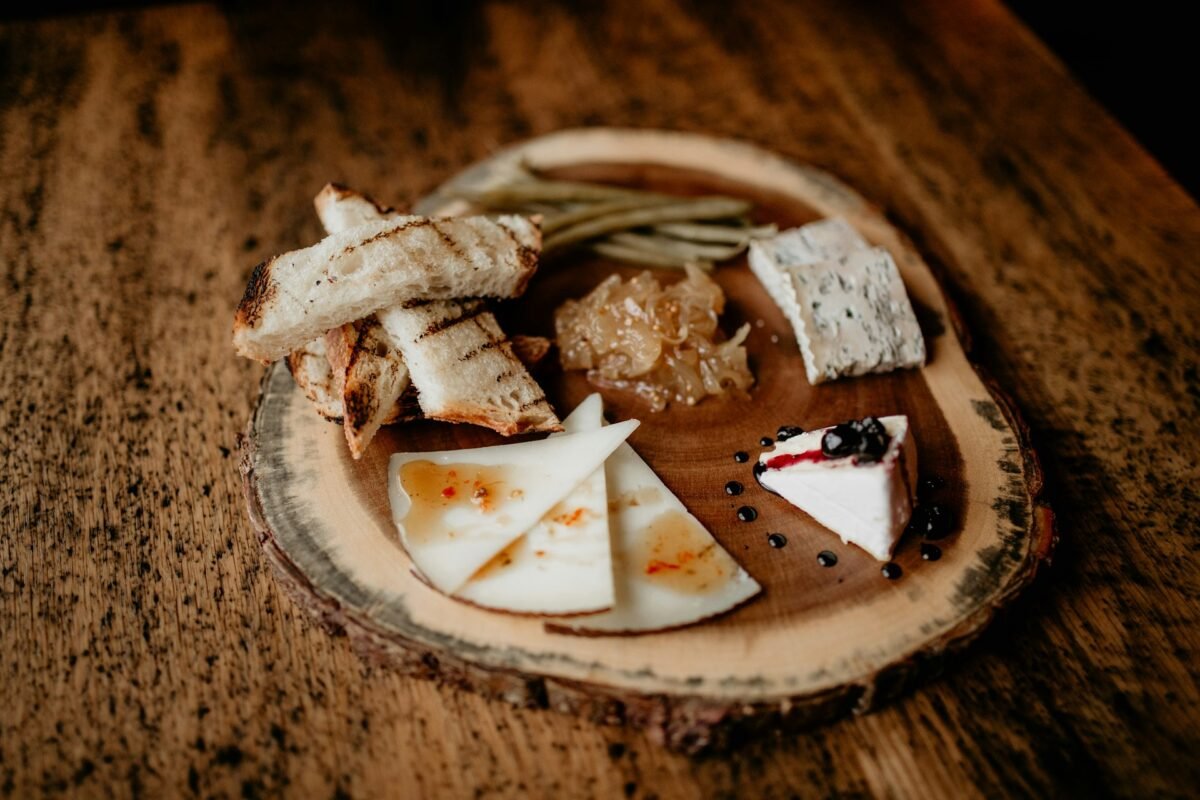
- Acid loves fat – Think crisp riesling cutting through pork belly or sparkling rosé balancing out triple-cream cheese.
- Sweet balances heat – A lightly chilled off-dry Gewürztraminer with fiery Sri Lankan curry? Heaven.
- Earthy meets earthy – Pinot noir with beetroot, aged Barolo with truffle, or even pet-nat with wild mushroom pizza.
- Texture is everything – A full-bodied viognier with the crunch of Korean fried chicken? Sounds wild, tastes right.
Ben, founder of The Raging Bull in Edinburgh – an experimental food and wine bar tucked just off Lothian Road—puts it bluntly: “We pair based on mouthfeel. A silky red with soft polenta, something spiky and acidic for fried things. Wine and food shouldn’t fight; they should dance.”
And he means it. The Raging Bull’s tasting evenings have become a local obsession, mixing unexpected combinations like Madeira and ramen or skin-contact whites with slow-cooked short rib. It’s unpretentious, rule-breaking—and weirdly cohesive.
Wine Lists Get Personal
The best wine lists in 2025 aren’t encyclopedias. They’re love letters—curated by chefs, owners, and sometimes even the barista who got into natural wine during lockdown. What you won’t find? Pages and pages of jargon or markup-laden Bordeaux just for the sake of tradition.
Take Sugar Boat in Helensburgh, a coastal gem with one of Scotland’s most quietly brilliant wine programs. “We lean into the idea of storytelling,” says their front-of-house team. “You’ll see local seafood paired with Albariño from family-owned vineyards or venison from nearby estates next to smoky Greek reds. People want to feel like they’re discovering something. That’s what pairing’s about—context and emotion, not just tannins and acidity.”
It’s a vibe mirrored across the UK, from Cornwall to Hackney. Restaurants are building wine programs that mirror their menus: seasonal, nimble, and brimming with personality. Tasting menus now come with optional wine pairings and alt pairings—think kombucha, sake, or artisanal ciders. Because 2025 is the year we finally accepted that not all magic is bottled in Burgundy.
DIY Pairing: A Few Go-To Combos That Just Work
For those not ready to throw out every rule, here’s a cheat sheet of modern pairings that always deliver:
- Spicy Thai or Indian food → Off-dry Riesling or pét-nat
- Beef tartare or blue cheese → Gamay or chillable cab franc
- Roast chicken or miso-glazed tofu → A lightly oaked Chardonnay
- Lamb or charred veg with za’atar → Grenache or natural Syrah
- Chocolate dessert or cheesecake → Late-harvest muscat or chilled tawny port
And don’t be afraid to swap the wine entirely. A crisp apple cider with pork belly? Game-changer. Sparkling sake with oysters? Yes, please.
The Role of the Sommelier in 2025
Today’s sommelier is less encyclopedic gatekeeper and more enthusiastic tour guide. They’re there to help you feel something, not pass a test.
Menus now often include flavour wheels or casual prompts like: “Feels like sunshine and sea air” or “Pairs well with messy pasta and gossip.” It’s all about relatability, not hierarchy.
Even wine tastings have changed. Less swirling and sniffing, more storytelling and surprise. At The Raging Bull, Ben says, “We get people who’ve never liked red wine suddenly craving Lambrusco with their barbecue beef bao. You just have to meet people where they are.”
Pairing for the Climate-Conscious Diner
As sustainability becomes the new luxury, many 2025 diners are pairing their wine with their ethics. That means supporting regenerative vineyards, choosing local or low-impact varieties, and skipping flights for their pinot fix. Restaurants are responding with UK-grown sparkling wines, natural wines in kegs, and low-carbon shipping options.
“People ask us where the wine comes from almost as much as they ask where the fish is from,” the team at Sugar Boat says. “We love that. It means they care about the whole experience.”
Expect to see more plant-based pairings too—miso, tahini, seaweed, and fermented sauces creating just as much depth and complexity as a ribeye ever did. And wines that respond in kind: juicy, wild, and made with minimal intervention.
Final Sip: It’s About You
At the end of the day, the best food and wine pairing isn’t the one a critic wrote about—it’s the one that made you stop mid-bite and say, “Woah.” It’s the bottle that made the meal, the dish that made the wine sing. It’s emotional. It’s subjective. And that’s exactly the point.
In 2025, there’s no “right” way to pair food and wine. There’s just your way. And whether that means orange wine with your Friday night falafel or Champagne with chips, as Amir at Delamina Townhouse puts it: “If it makes you smile, it’s the right pairing.”
So grab a bottle, grab a fork, and start experimenting. The table’s set—and the rules are yours to rewrite.