





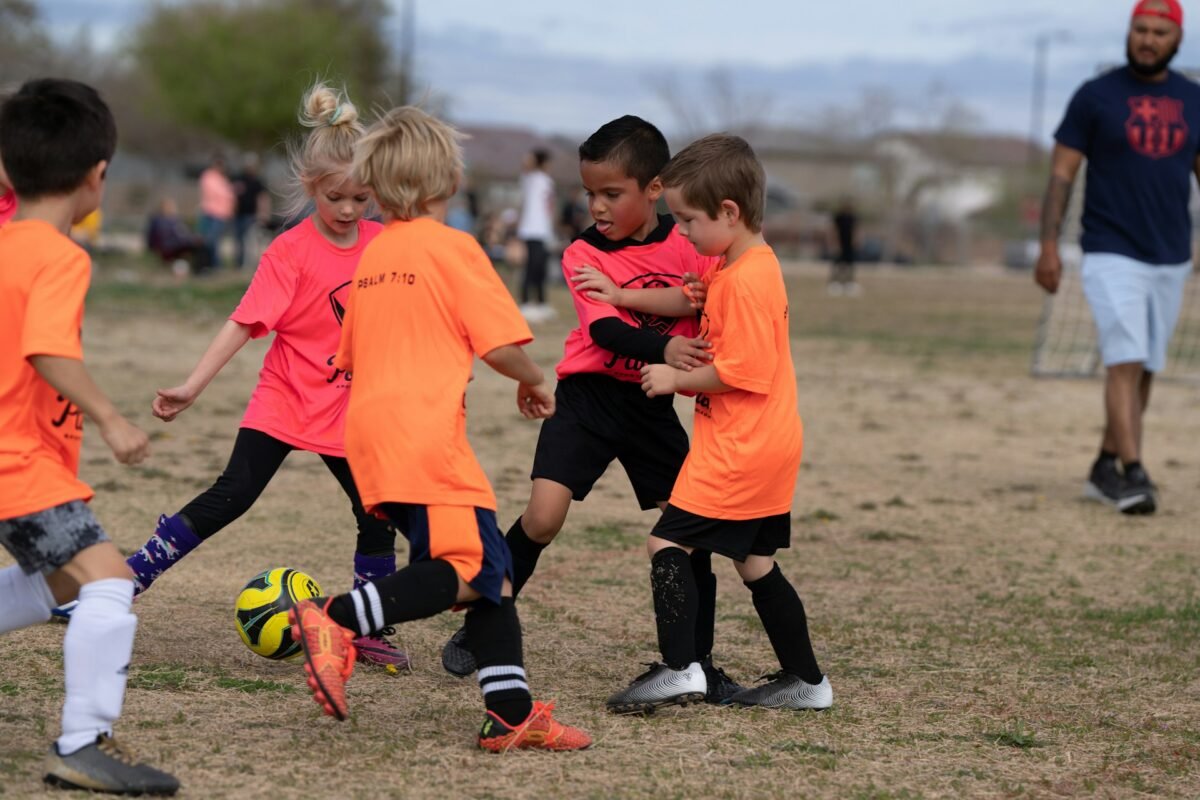

Safety should never be a question in youth sports, yet abuse can happen in places meant for growth, teamwork, and fun.
A parent noticing warning signs becomes the anchor of protection, stepping in to ensure children are shielded from harm.
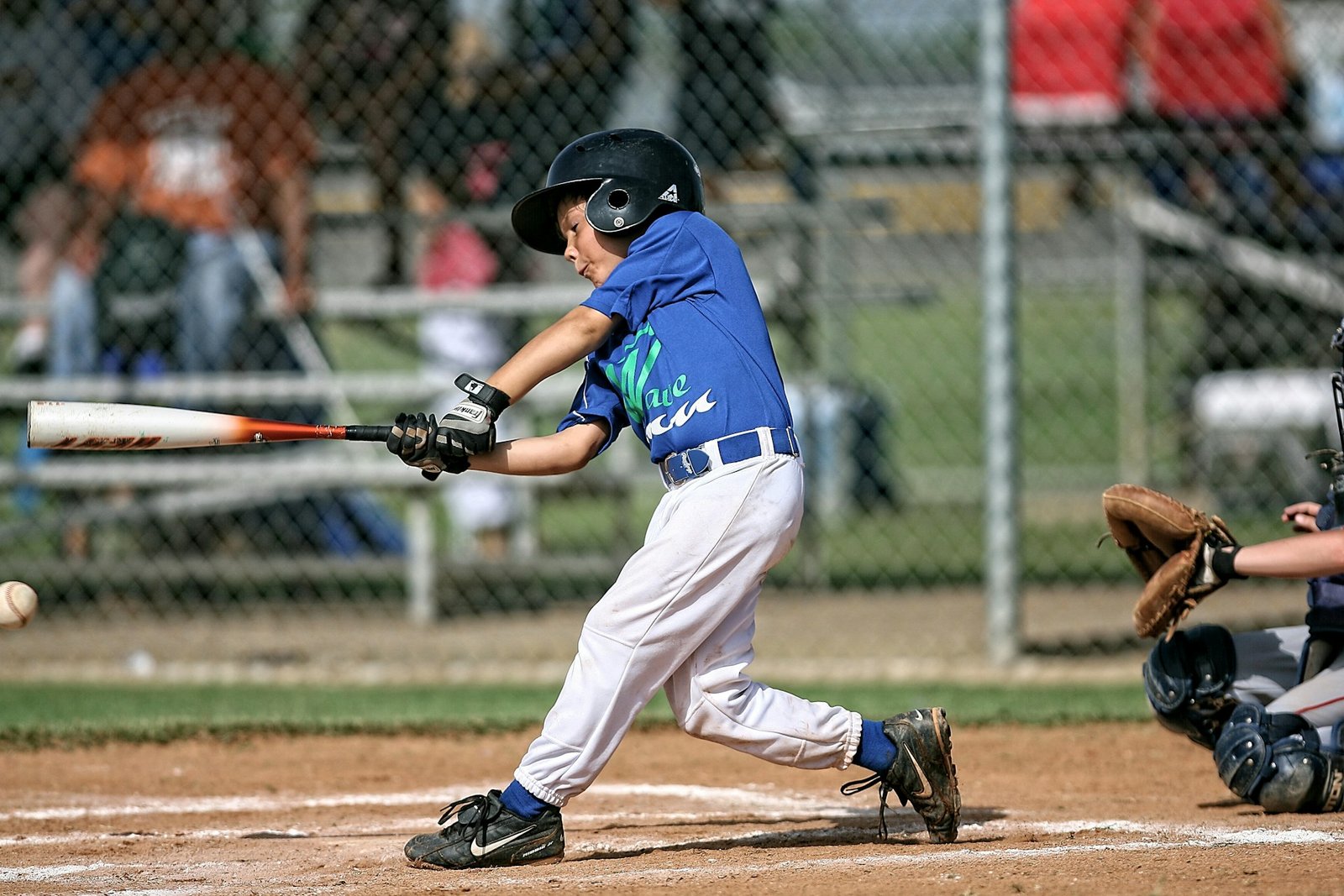
Trusting the environment should never replace vigilance. When abuse is suspected, the right response can make a world of difference. Taking action early is about securing evidence, stopping further harm, and creating a path toward accountability. If your child is affected, these steps outline ways to protect them while navigating a complex situation with clarity and confidence.
Recognizing the Signs of Abuse
Behavioral and Emotional Changes
Children may start showing behavioral changes such as sudden withdrawal, anxiety, or unusual aggression. Emotional distress can appear as fear of attending practice, reluctance to speak about events, or secretive behavior about interactions with coaches or staff.
Physical and Environmental Clues
Physical indicators may include unexplained injuries, marks, or discomfort with certain activities. Pay attention to the environment surrounding the child. Isolated one-on-one time with adults, inappropriate comments, or requests to keep secrets can indicate something more serious.
Importance of Early Recognition
Early recognition is the first line of protection and allows families to take action before situations escalate. Consulting a cheer teams and youth sports sexual abuse lawyer early ensures that warning signs are documented and addressed professionally.
Immediate Actions to Take
Supporting a child through abuse requires both sensitivity and decisiveness.
- First, listen carefully and stay calm. Believing the child and providing reassurance is the most important emotional support you can offer.
- Documenting details immediately can preserve critical information. Keep records of dates, incidents, locations, and communications that may be relevant.
- Reporting is another essential step. Families should notify child protective services, law enforcement, or the organization’s compliance or ethics department.
Taking these actions promptly safeguards both the child and the integrity of any investigation, helping prevent further harm and ensuring that authorities can respond appropriately.
Involving Legal Support
A specialized attorney plays a key role in guiding families through the legal process. Consulting a cheer team and youth sports sexual abuse lawyer provides clarity about rights, obligations, and the steps needed to protect the child. Attorneys can investigate allegations thoroughly, collect evidence, and engage expert testimony to strengthen the case.
Legal professionals also serve as buffers between the child and institutions, ensuring communication remains safe and controlled. This approach allows families to focus on the child’s well-being while pursuing justice and accountability. Attorneys can coordinate with investigators, medical experts, and counselors to create a comprehensive understanding of the abuse and its impact.
Preventive Measures for Parents and Guardians
Prevention begins with education and awareness. Families can teach children about personal boundaries, consent, and recognizing inappropriate behavior. Vetting coaches and programs carefully is also essential. Background checks, references, and reviews of program policies help identify environments that prioritize safety.
Staying involved in your child’s athletic activities is equally important. Attend practices, observe interactions, and maintain open communication with the child about their experiences. These steps reduce opportunities for abuse and reinforce a culture of accountability in youth sports programs.
Support Systems for Recovery
Emotional support is critical for healing. Professional counseling helps children process trauma and develop coping strategies. Peer groups, family support, and community resources provide additional comfort and guidance. Recovery is not only about addressing the past but also about restoring confidence and a sense of normalcy.
Parents and guardians can also advocate for safer programs, contributing to policies and awareness campaigns that prevent abuse. Sharing experiences responsibly with community leaders or program administrators reinforces accountability and protection for all participants.
Key Support Actions:
- Professional counseling for emotional recovery
- Family and community support networks
- Participation in awareness and prevention programs
- Encouraging open conversations about personal safety
Takeaway
Ensuring safety in youth sports is an ongoing responsibility. Early recognition of abuse, prompt reporting, and professional legal guidance are essential in protecting children and holding abusers accountable. Taking action without delay preserves evidence, strengthens legal options, and supports recovery.
Engaging a cheer teams and youth sports sexual abuse lawyer ensures families have expert guidance throughout the process. From investigating allegations to protecting the child’s interests, attorneys help families navigate complex legal and emotional challenges while keeping the focus on safety and justice. By taking proactive steps, parents and guardians can restore trust in athletic programs and create an environment where children can thrive safely and confidently.