






The selection of flooring would greatly influence the comfort of your home in hot weather. Warm floors have the potential to make a living room feel warmer thereby putting undue pressure on air conditioning systems and escalating energy expenses.
Homeowners who desire comfort and efficiency have a tendency to find flooring material that does not get hot to touch as well as one that is stylish and long-lasting. Being aware of the materials, design and installation methods may assist you to make the most appropriate decision regarding your home. It is particularly essential to choose the flooring that will remain cool naturally in areas where the summer temperatures are high.
Take Into Account Flooring Material
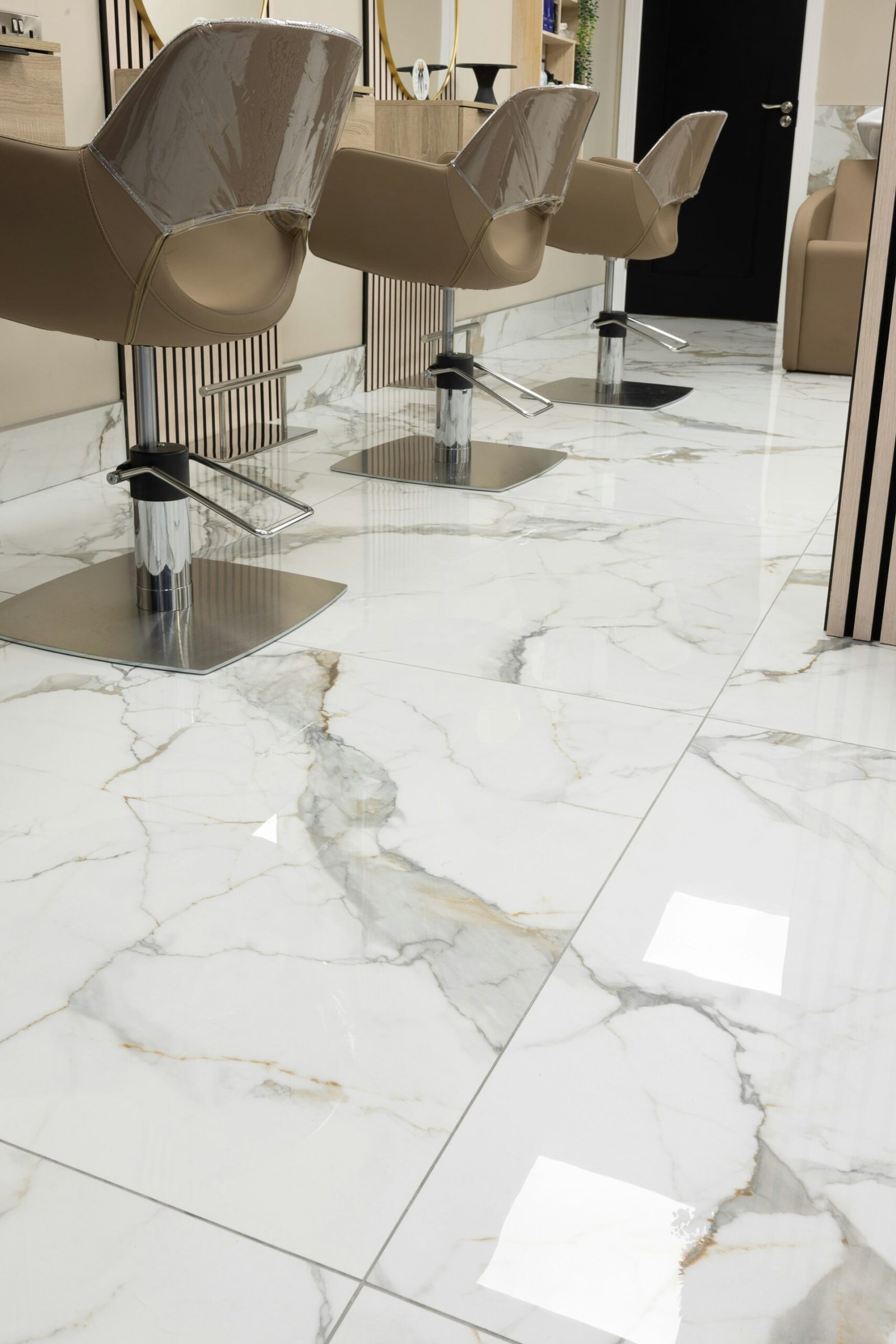
What your floor is made of is very important in whether it can be cooled or not. Natural stone like marble, slate, and travertine is credited with being able to keep temperatures low even under direct sunlight. These substances are thick and slow to heat up and hence suitable in houses where the climate is warm. A well-chosen floor can complement your HVAC London Ontario system by reducing the workload on air conditioning, leading to lower energy bills and improved indoor comfort.
Depending on the species and finish, wood and laminate flooring may be less effective at remaining cool. Lightly-finished engineered wood might be colder than solid hardwood, whereas dense, dark hardwoods might keep the heat. Vinyl and synthetic materials can resemble natural stone or wood, but can retain warmth. Knowledge of the thermal properties of both materials is important in making a decision based on comfort in hot weather.
Consider Color And Finish Of The Floor
The color of the floor can be a big factor in heat retention. Light colors are more likely to reflect light and thus stay cool whereas darker colors are more likely to trap more heat and can make a room feel warmer. A natural light can be added to your flooring by selecting a light finish and can also ensure that the indoors is comfortable, since the light keeps the space cool. This design choice is a simple one and can help to increase the overall energy efficiency of your home.
The flooring also should be finished. Glossy surfaces can be warmer to touch when in direct sunlight, and matte finishes may be colder to touch. There are those materials that are improved by applying extra treatments that increase heat resistance. You can have a sleek floor by choosing the appropriate choice of color and finish that will help you achieve a cooler living room.
Evaluate Installing And Underlying Layers
The temperature of the flooring can be affected by the method of installing it. Flooring on concrete or stone slabs is likely to remain cool relative to floors on wooden subfloors, which have the ability to absorb and retain heat. Thickness of the material also counts because when the floors are thicker, it may require more time to cool down after being exposed to the sun. A professional installer can provide advice on which of the options can offer the best cooling performance.
Underlayments and subfloor insulation may also have an impact on the heat retention. Certain materials are too insulating and the floor does not release heat effectively and others can have natural cooling. The choice of underlayment and installation process can make your flooring as comfortable as possible even in hot weather and at the same time, it should be durable and stable.
Explore Practical Considerations
The consideration of comfort and aesthetics has to be balanced with practical considerations in selecting flooring. It can be durable, easy to maintain, does not get scratched or wet, which is significant particularly in places of heavy traffic. Substances which are cool but wear away with time may not be the most valuable long-term investment.
Another realistic factor is budget. High-quality tiles and natural stone may be costly initially, however, cooling advantages, and durability can prove to be cost-saving in the long run. The initial costs should be compared with the long-term comfort and energy savings by homeowners. With both practical and performance aspects in mind, you will be able to choose flooring that will improve your living conditions as well as withstand everyday wear and tear.
Take Into Account Lifestyle And Use
Your use of every space may influence the type of flooring you use. Naturally cool flooring is most advantageous in areas that are well lit by the sun like the living rooms or kitchens. Less exposed corridors and bedrooms can be flexible in their choice of materials without compromising on comfort.
Family requirements and way of life are also contributing factors. Pet and child-friendly homes might need long-lasting surfaces and be cool to the touch. Flooring that is practical, comfortable and easy to maintain can enhance the daily life experiences and ensure that your home is comfortable during hot seasons.
The choice of flooring that remains cool during hot weather requires serious consideration of the material, color, finish, installation and lifestyle consideration. Light-colored tiles and natural stone are sure, whereas the appropriate installation and subfloor selections contribute to the cooling. Aesthetics, comfort, and practicality balanced will make sure that your home is pleasant even in the times of extreme heat.