







Most people know someone who seems to have endless energy regardless of age. They might be the neighbor who organizes community events, the grandfather who never misses a family gathering, or the retired teacher who somehow stays busier now than during their career. Their secret usually isn’t a miracle diet or an intense fitness routine. It’s often the fact that they remain connected to people, activities, and goals that give their days meaning.
On the other hand, it’s surprisingly easy to feel disconnected. A person can have plenty of free time yet feel bored, isolated, or unmotivated. That’s why health is about much more than physical care. Feeling useful, having plans, contributing to something, and staying involved all influence how people experience life. Purpose and participation give people reasons to stay engaged with the world around them, and those reasons can become just as important as many traditional health habits.
Engagement With Purpose
Think about the difference between waking up because you have something you’re excited about and waking up with absolutely nothing planned. The hours may be the same, but the experience feels completely different. Having a reason to participate in something gives structure to the day and creates opportunities for connection, learning, and enjoyment, especially for older individuals.
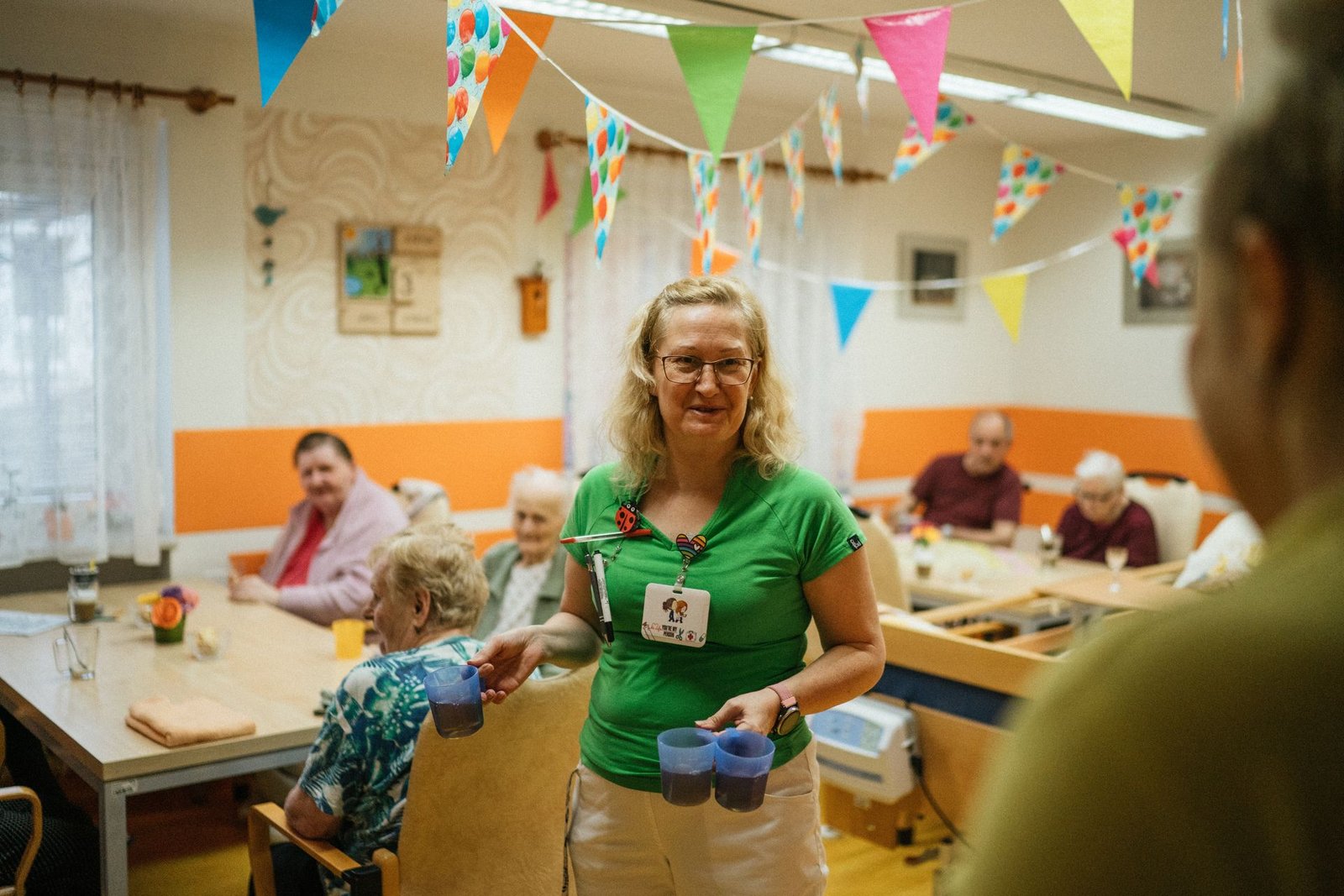
And this is why the best assisted living residences focus on far more than housing and support services. Many create opportunities for residents to lead clubs, participate in community projects, teach skills, join social events, or pursue hobbies they’ve enjoyed for years. People don’t suddenly stop wanting purpose because they reach a certain age. If anything, having meaningful ways to stay involved often becomes even more valuable.
Activity With Meaning
Nobody gets excited about staying busy for the sake of staying busy. What people enjoy are activities that feel personally meaningful. One person might spend hours tending a garden. Another might organize local events. Someone else may enjoy painting, woodworking, mentoring younger people, or learning something new.
The activity itself matters less than the connection a person feels to it. Meaningful activities create stories, conversations, challenges, and achievements. They give people something interesting to talk about besides doctors’ appointments and daily routines.
A Reason to Show Up
One of the most powerful things in life is having somewhere to be and people expecting you there. It doesn’t have to be a major commitment. It could be a weekly book club, a volunteer shift, a church group, a neighborhood gathering, or coffee with friends every Thursday morning.
Those simple commitments create momentum. They encourage people to stay connected, leave the house, interact with others, and remain involved in what’s happening around them. A reason to show up often becomes a reason to stay engaged, and that engagement can carry over into many other areas of life.
Purpose Beyond Physical Health
Imagine two people with similar physical health. One spends most days waiting for something to happen. The other spends time helping family members, pursuing interests, or working toward personal goals. Their experiences of daily life can feel completely different.
Purpose creates direction. It gives people something to invest in emotionally and mentally. That purpose doesn’t need to be dramatic. It might be planning family gatherings, helping at a local animal shelter, mentoring students, or finally writing the book they’ve talked about for years. Having something that feels important can make ordinary days feel much more meaningful.

Power of Participation
Participation keeps life interesting. Every conversation, event, activity, and shared experience creates opportunities to learn something new or strengthen existing relationships. People often discover new interests, friendships, and perspectives simply because they decided to get involved.
The opposite can happen, too. Pulling away from activities and social opportunities can gradually make the world feel smaller. Participation helps keep life moving. It creates stories, memories, connections, and experiences that continue giving people something to look forward to.
Building Emotional Strength
Life does not stop presenting challenges simply because someone gets older. Family changes, health concerns, retirement adjustments, and unexpected events can all create difficult periods. During those moments, having a sense of purpose often provides something steady to hold onto. People who remain connected to meaningful activities frequently have an easier time finding motivation to keep moving forward because their lives contain things they still care about and enjoy.
Think about someone who volunteers every week, mentors younger people, or stays involved in a community organization. Even during difficult times, those commitments provide reasons to stay engaged rather than withdrawing completely. Purpose does not eliminate life’s challenges, but it can help prevent those challenges from becoming the only thing a person focuses on. Having something meaningful to contribute to or look forward to creates a sense of stability that becomes valuable during both good times and difficult ones. Purpose can come from surprisingly ordinary places. It might come from being the family member who organizes holiday gatherings, the neighbor who checks on others, or the friend who always brings people together.
Growing Through Connection
Many people assume personal growth belongs to younger years. School, careers, and major life milestones often receive most of the attention. Yet growth continues throughout adulthood, especially when people remain connected to others who introduce new ideas, perspectives, and experiences.
Group activities often create opportunities that would never happen in isolation. A discussion group can introduce unfamiliar viewpoints. A community class can spark a new interest. A hobby club can lead to friendships that expand social circles. Even something as simple as joining a walking group can create regular conversations and experiences that keep life feeling dynamic rather than repetitive.
There is another reason group activities matter. They remind people that they are part of something larger than themselves. Shared experiences create stories, inside jokes, traditions, and memories that add richness to everyday life.
Goals That Keep Moving Forward
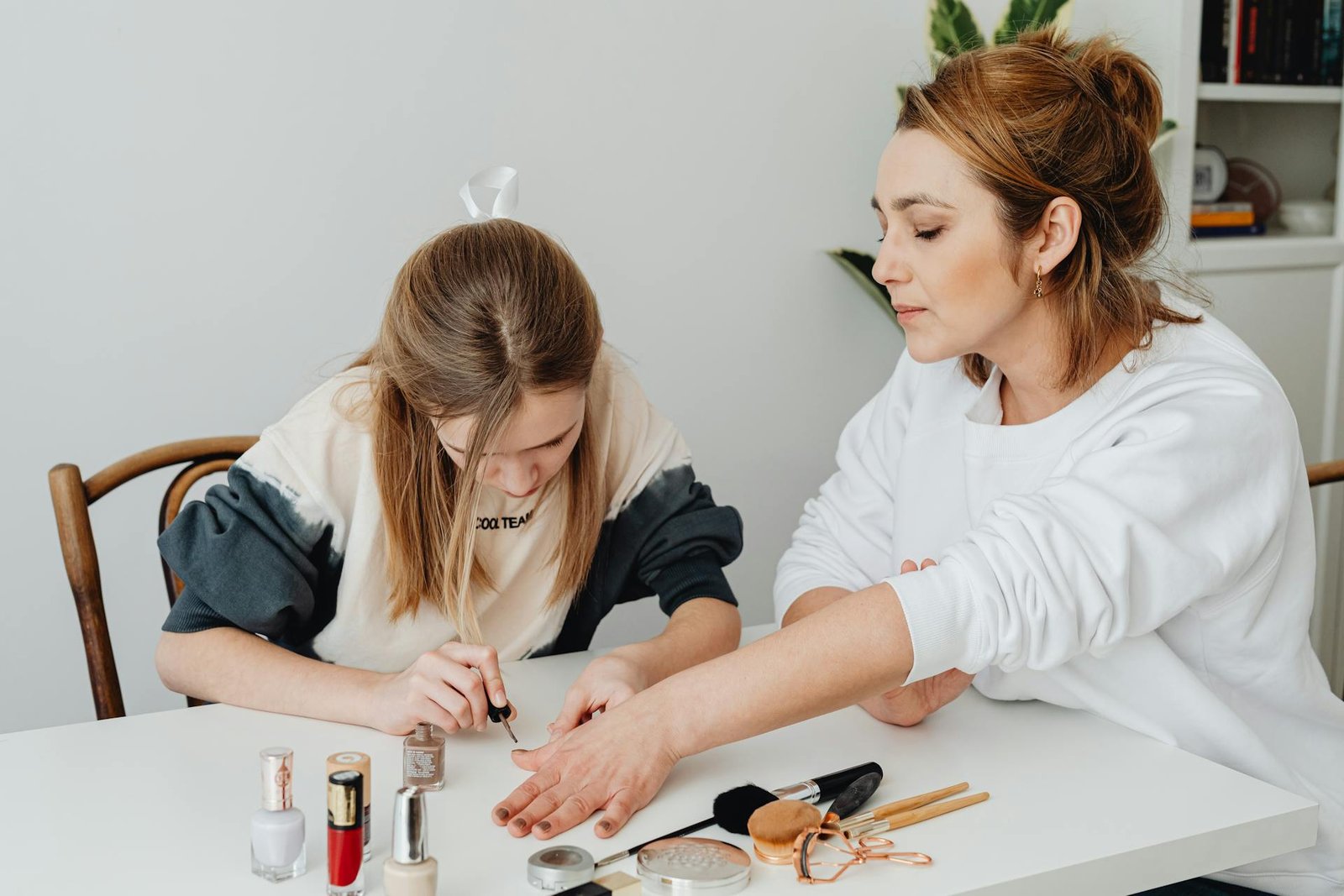
One misconception about aging is that goals become less important over time. In reality, goals often remain one of the strongest sources of motivation throughout life. They give people something to work toward, something to plan for, and something to anticipate. Without goals, days can begin to feel repetitive. With goals, even small accomplishments can create a sense of progress.
Goals do not have to be dramatic. Some people set travel goals. Others want to learn a new skill, complete a creative project, improve their fitness, grow a garden, or spend more time with family. The goal itself matters less than the fact that it creates forward movement. It gives people a reason to stay curious and engaged with what comes next. Many of the most active and fulfilled individuals continue setting new goals well into later life. They remain interested in what they can still accomplish rather than focusing solely on what has already happened.
Purpose and participation are not extras that sit alongside health. They are part of what helps make life feel rewarding and meaningful. Having people to connect with, activities to enjoy, goals to pursue, and opportunities to contribute can influence how someone experiences each day.